


The Anapat Monastery of Arajadzor
Location
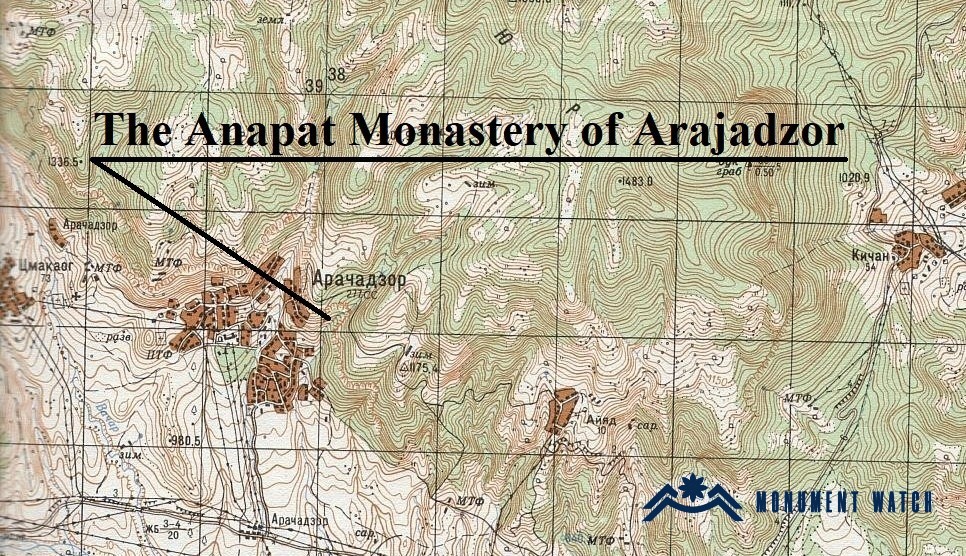
The monument is situated in the eastern part of the village of Arajadzor, Martakert District, Republic of Artsakh. Since 2023, it has been annexed to Azerbaijan.
Historical overview
The monument is attested in the work of M. Barkhudaryants. According to that scholar, "on the eastern side of the village of Arajadzor, beneath a high rock, to the right of a waterfall that plunges from a height into a narrow gorge, in the garden of Arutyun Shaparants, there are two small churches that almost adjoin one another. The churches are, for the most part, formed from caves whose frontal face is closed off by a masonry wall and thus appear as churches" (Barkhutareants 1895, 188). Barkhutaryants further notes that the eastern church has two altars, one of which bears the inscription "Saint John the Baptist," while the second church has no inscriptions. A large inscription is carved on a massive, unworked stone situated before the entrances to the churches.
Sh. Mkrtchyan provides the following description: "The Harva church, referred to in the sources as the Anapat ('Hermitage') church, is located beneath a rock on the southern outskirts of the village of Arajadzor and consists of two intercommunicating caves. Owing to the skillful construction of the front walls, from the outside they are perceived as two separate chapels, although within they present themselves as semi–rock-cut halls. On a large, smooth fragment of rock situated before the church, there is an inscription in seven lines, dated to 1249. Fragments of frescoes are visible on the portal of the first chapel. Unfortunately, the images are poorly preserved, making it difficult to say anything definite about the paintings" (Mkrtchyan 1989, 29).
The fifth volume of the Corpus of Armenian Epigraphy likewise states that "Anapat" is located "on the southern outskirts of the village of Arajadzor, beneath a cliff resembling a wall." At the same time, when the compiler (S. Barkhudaryan) presents the rock fragment with the inscription, he observes that it "is located to the east of the village, before the semi–rock-cut chapels known as Anapat" (CAI 1982, 88).
Karapetyan, for his part, presents "Anapat" as a semi–rock-cut chapel on the eastern outskirts of Arajadzor (Karapetyan 2022, 328).
Thus, S. Barkhudaryan and Sh. Mkrtchyan places the "Anapat" church on the southern outskirts of Arajadzor, whereas M. Barkhutaryants and S. Karapetyan localize it in the eastern part of the village.
Petrosyan offers a detailed commentary on the "Anapat" inscription: "The unique inscription from Arajadzor also allows us to speak of the ritual of oath-taking upon entry into the army of Khachen. In the extensive text of the 1249 inscription from the rock-cut monastery 'Anapat' in the village of Arajadzor it is stated, in particular: 'King Jalal-Dowla and his son the atabeg, the prince of Khachen and Ran, Ukan, son of Hasan… May the other great princes and their army, united by love, be united and joined to one another, blessed and strengthened by the will of God the Father, and may His glory be forever and ever, amen.
A shoot of the good tree for all,
Its fruit—myriad upon myriad blessings;
Whoever thirsts, let him find delight here,
He shall obtain the hope of life.
May the Lord have mercy on all who are united in love and faith, and may He grant grace of spirit and body to all our pious princes.' This assembly of the Khachen princes, commanders, and army, as the inscription indicates, confirms a special rite during which they take an oath and are strengthened by the power of the Cross, which is conveyed in the inscription through a poetic, rhymed passage ('A shoot of the good tree for all…')" (Petrosyan 2023, 206).
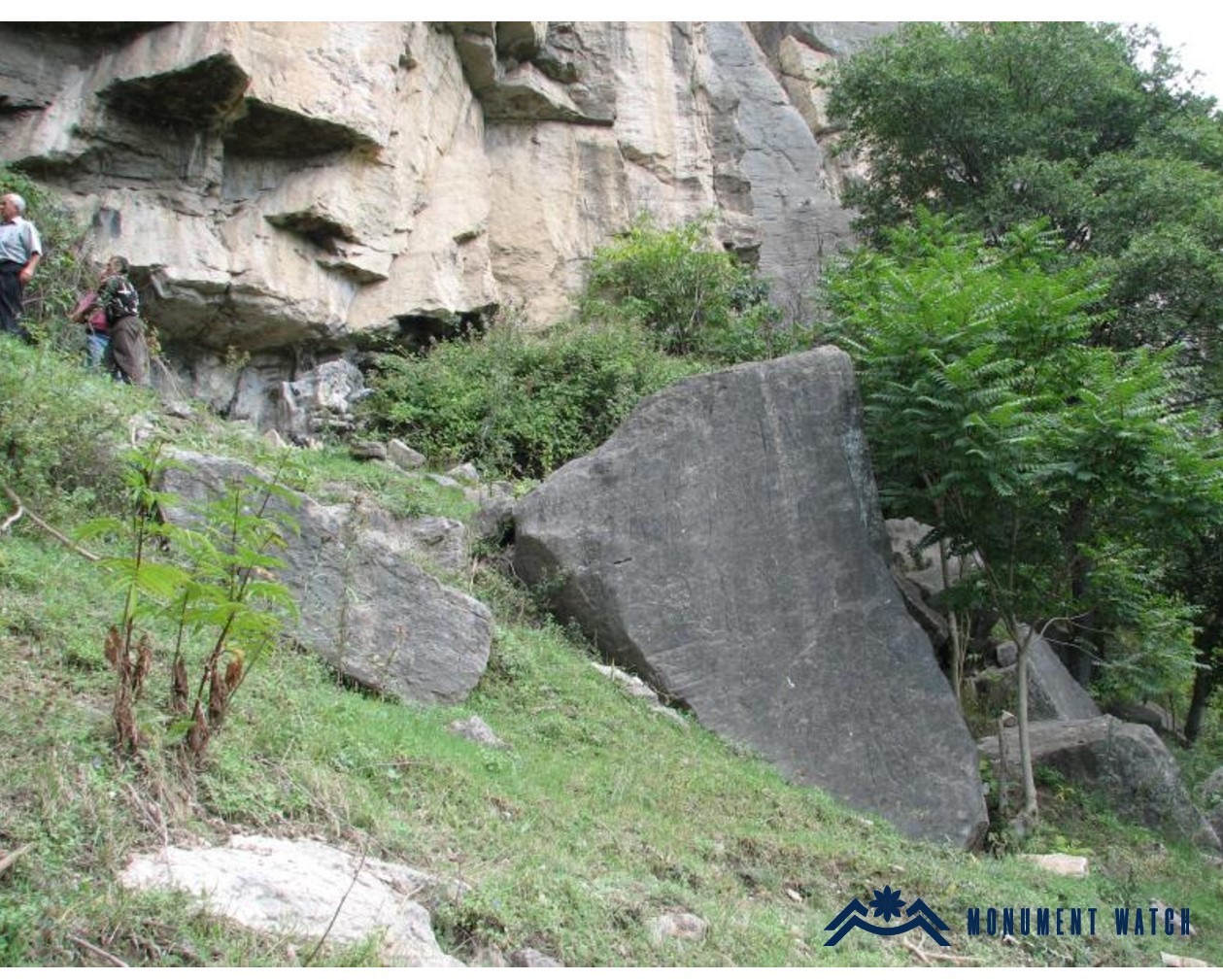
Fig. 1. The inscribed rock fragment placed before the chapels of Anapat. Photo by G. Sargsyan.
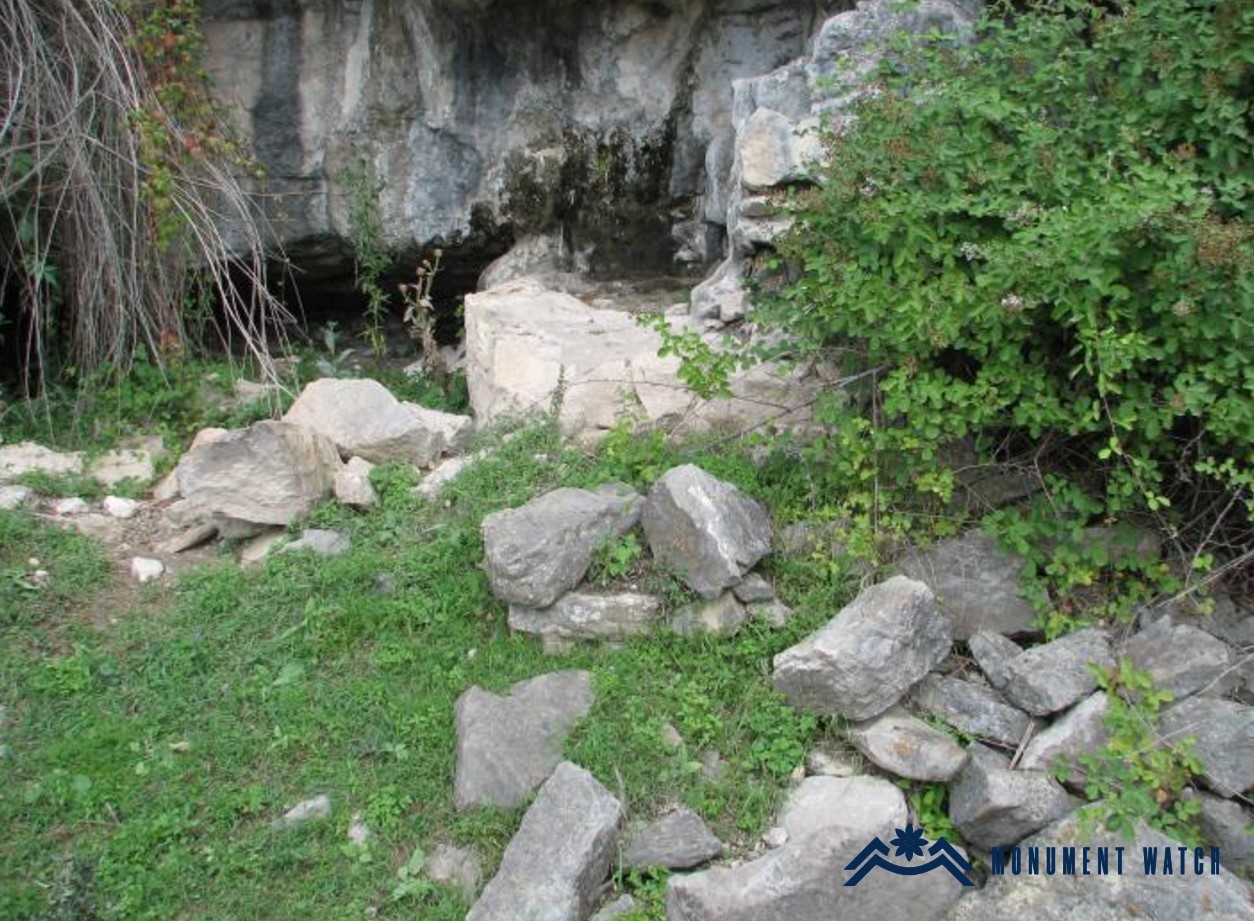
Fig. 2. The entrance to the semi–rock-cut chapels of Anapat. Photo by G. Sargsyan.
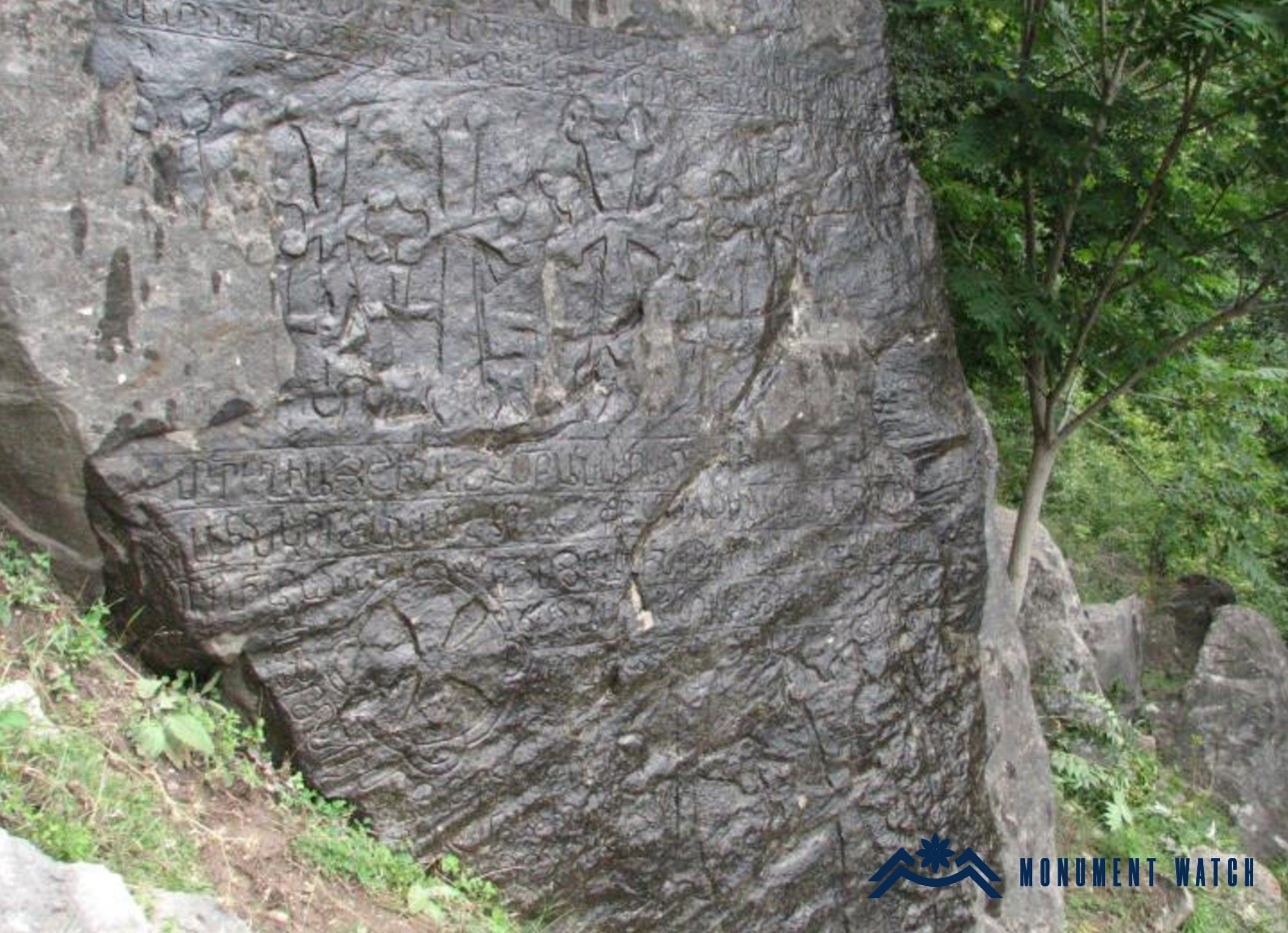
Fig. 4. The southeastern face of the inscribed rock fragment. Photo by G. Sargsyan.

Fig. 3. The section of the wall built in front of the chapels. Photo by G. Sargsyan.
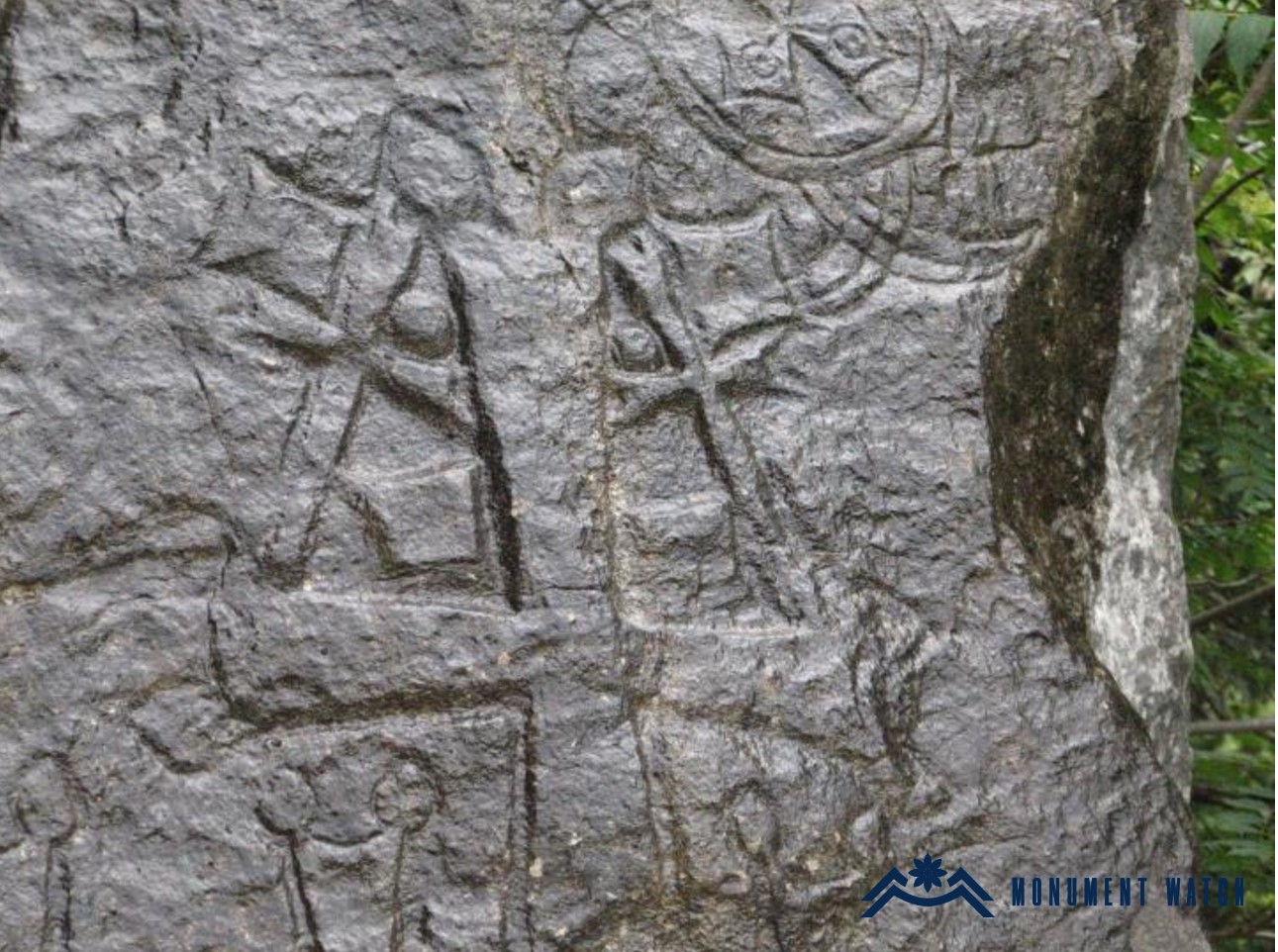
Fig. 5. The cross-ornamented section of the inscribed rock fragment. Photo by G. Sargsyan.
Architectural–Compositional Examination
Anapat consists of two adjoining caves; by building masonry walls across their fronts, they were fashioned into two semi–rock-cut chapels. The walls are now destroyed. A single khachkar (carved cross-stone) is present at the site (certificate of the Ministry of Education, Science, Culture and Sports of the Republic of Artsakh).
Bibliography
1․ CAE 5 - Corpus of Armenian Epigraphy, vol. 5, Artsakh / compiled by S. Barkhudaryan, Yerevan.
2․ Barkhutareants 1895 - Barkhutareants, M., Artsakh, Baku.
3․ Mkrtchyan 1980 - Mkrtchyan, Sh., Historical and Architectural Monuments of Nagorno-Karabakh, Yerevan.
4․ Karapetyan 2022 - Karapetyan, S., Microtoponyms of Artsakh, Yerevan.
5․ Petrosyan 2023 - Petrosyan, H., How to Win: The Theme of Combat and the Image of the Warrior in the Khachkar Iconography of Artsakh.
The Anapat Monastery of Arajadzor
Artsakh