The Church of Surb Amenaprkich in Chartar

Location

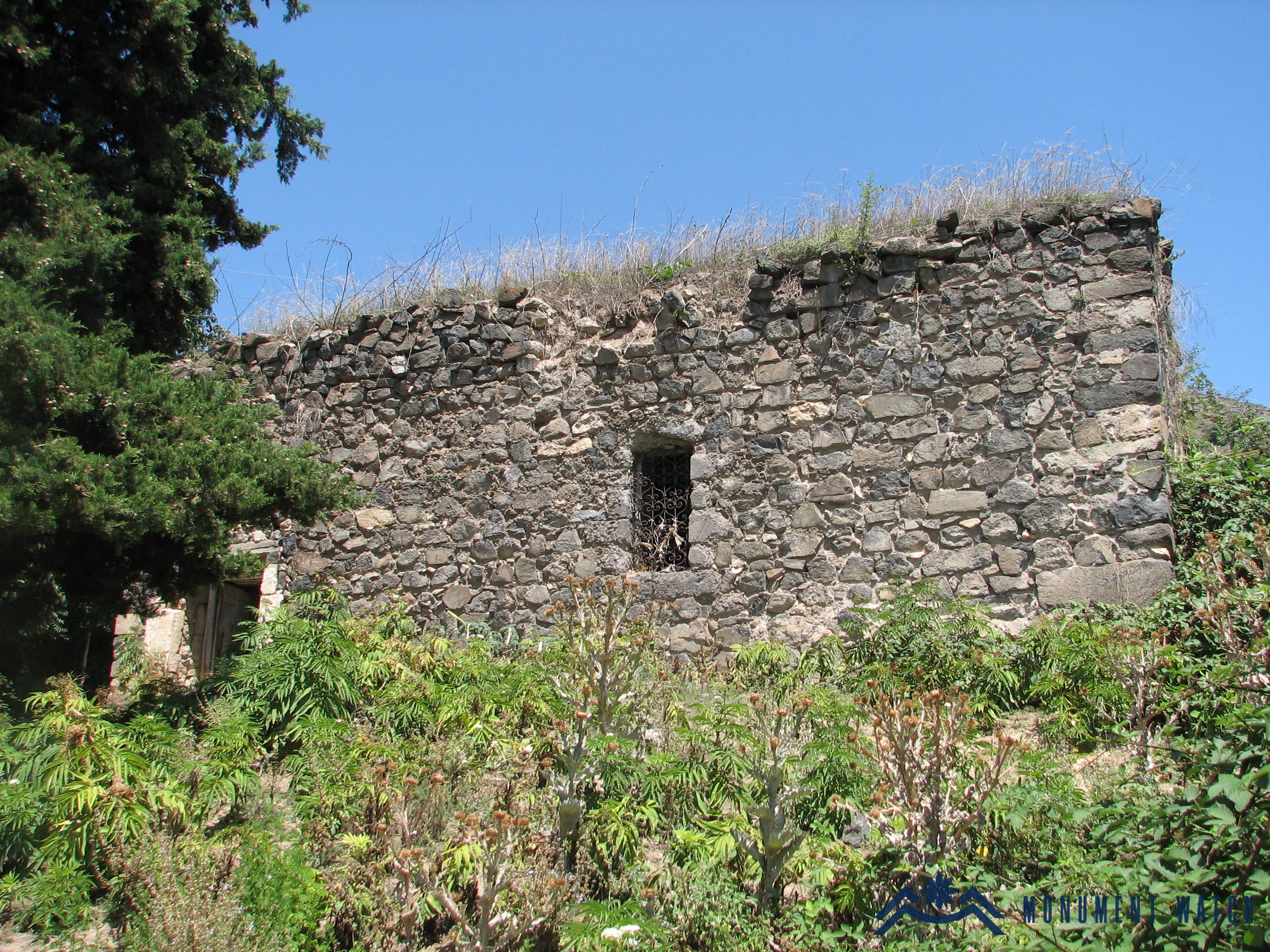
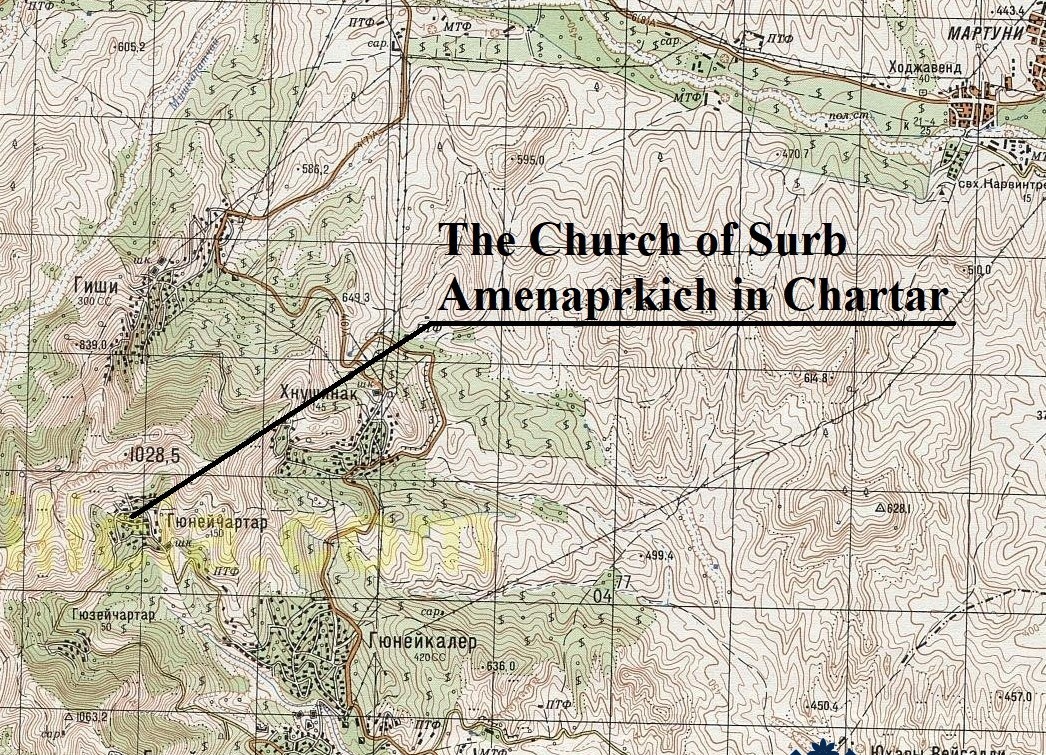
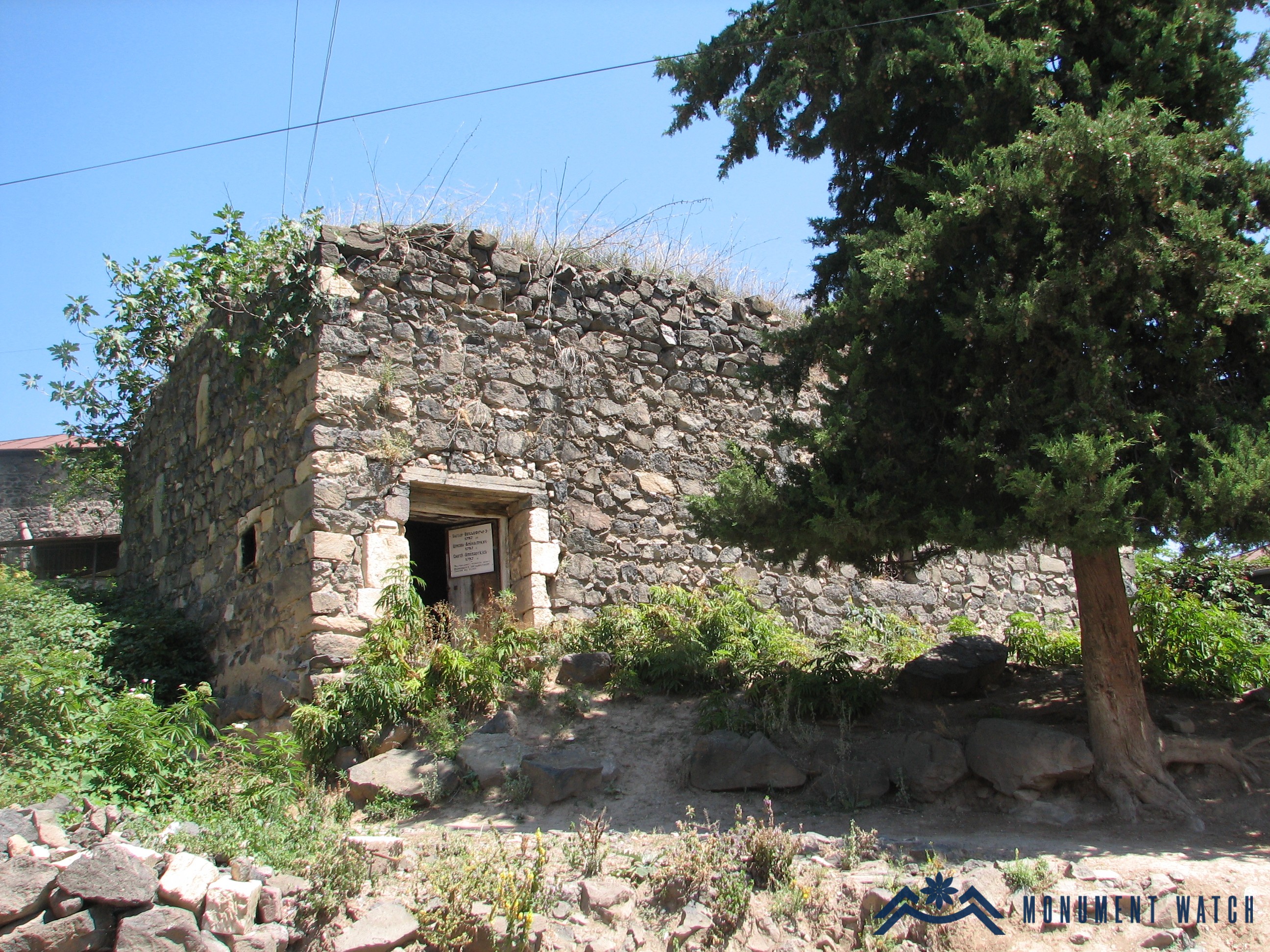
The Church of Surb Amenaprkich (Holy Saviour) is located at the center of the former village of Gyune Chartar, on sloping terrain (Fig. 1).

Fig. 1. A general view of the church from the south. Photo from the certificate from the Ministry of Education, Science, Culture, and Sports of Artsakh.

Historical Overview

The town of Chartar comprises the villages of Guze Chartar, Guze Kaler, Gyune Chartar, and Gyune Kaler. In 1988, the villages of Gyune and Guze Chartar were administratively separated and became independent communities; in 2015, they were reunited and granted town status (Balayan 2020, 459–463).

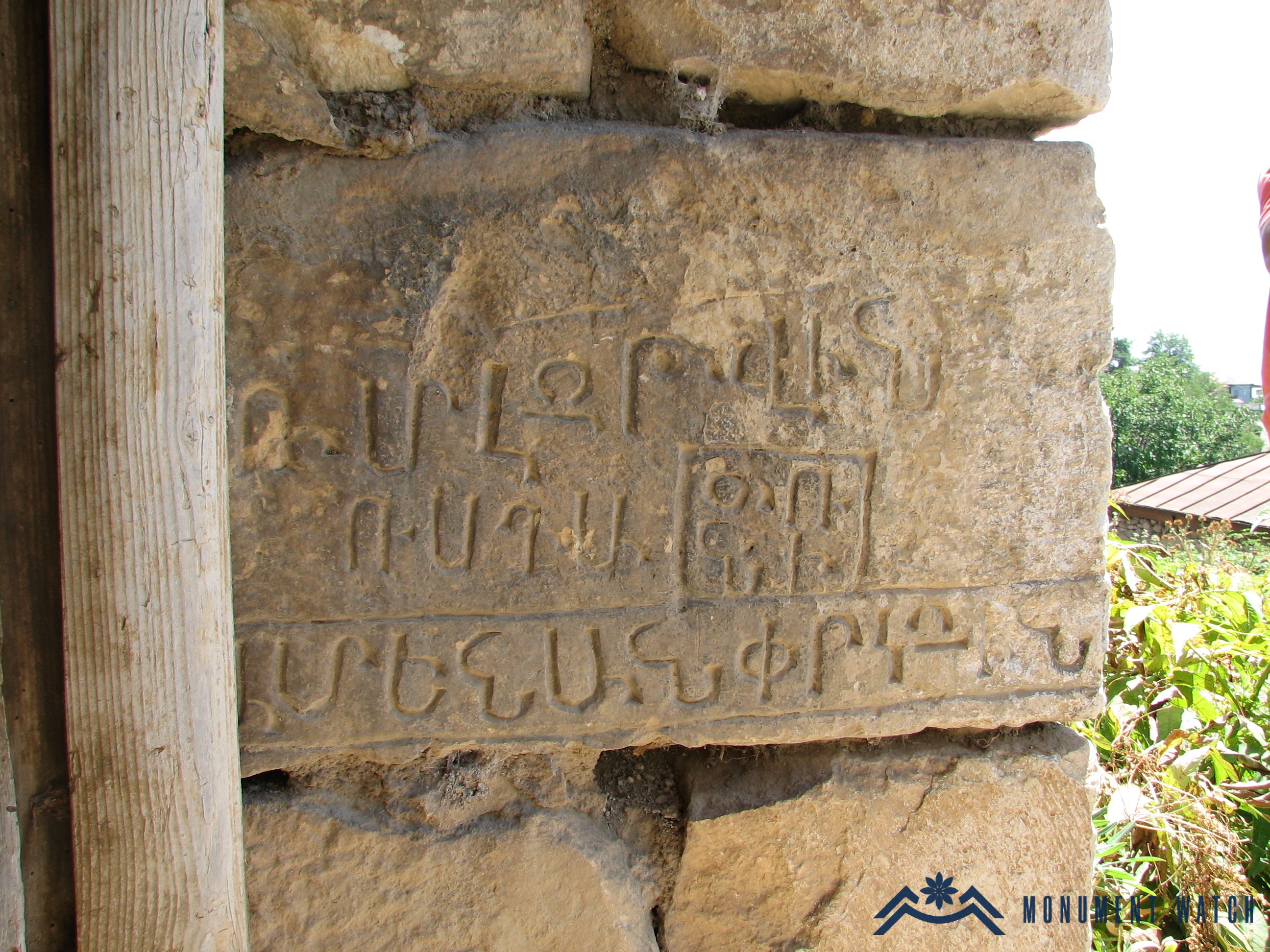
Describing Gyune Chartar (Aregdem Chartar), Makar Barkhudaryants provides a brief account of the Church of Surb Amenaprkich (Holy Saviour): "…the Church of Amenaprkich, built on a single arch of stone and lime, preserves only the altar part. Its length is 11 m 95 cm, its width 7 m 55 cm. On a stone of the façade above the door threshold is carved the inscription: 'Year 1266 (1787). This is the Church of Surb Amenaprkich, built in memory of the priest… I. Khanume,’ and above it, ‘Usta Tyuni' (Master Tyuni)" (Barkhutareants 1895, 119).

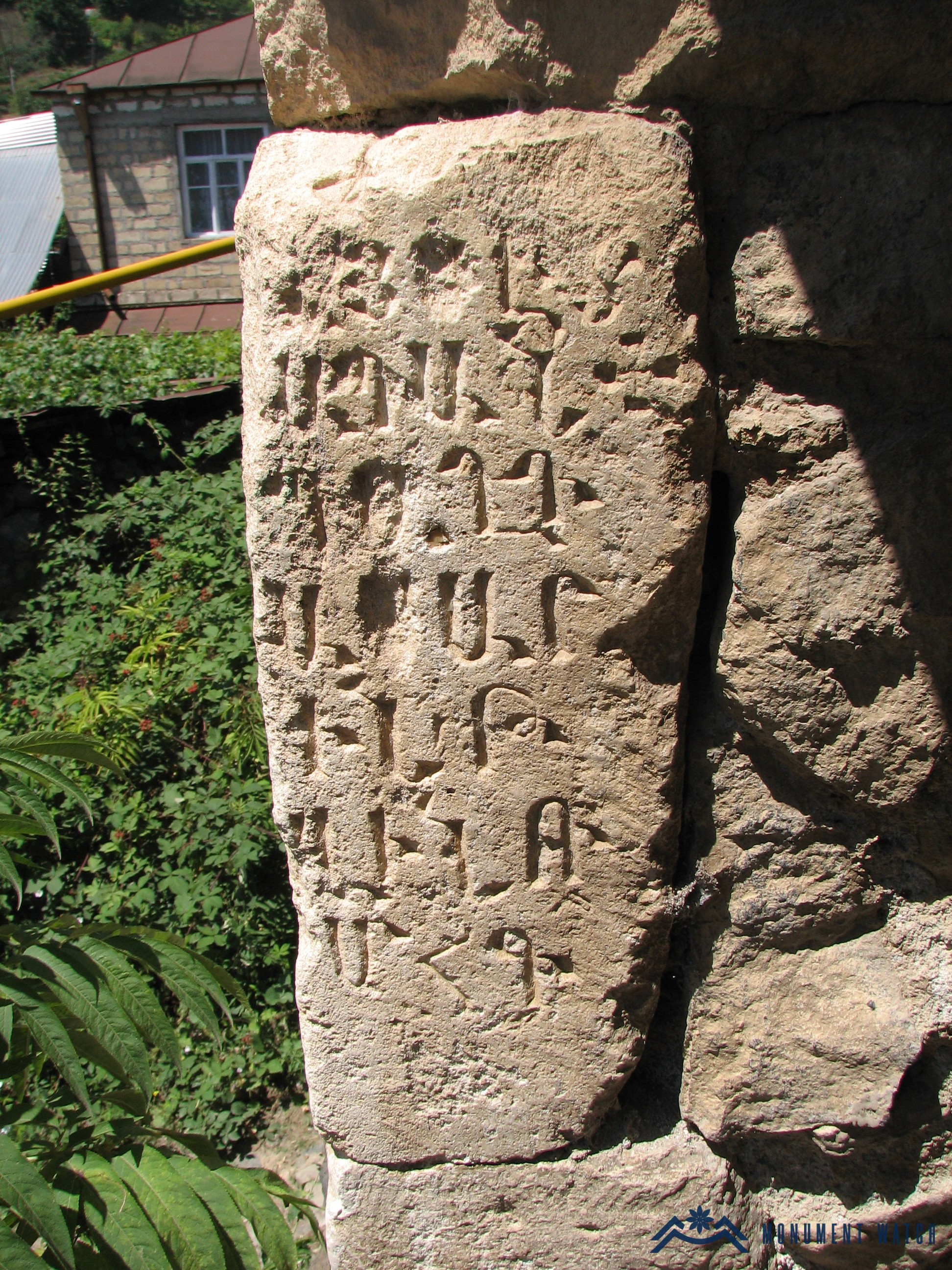
According to Barkhudaryants, the master who built the church, Tyuni, was Arutyun. It should be noted that the inscription is not on the tympanum above the entrance, but on the right edge of the doorway (Fig. 2). One of the corner stones is a fragment of a tombstone bearing the inscription: "This is the grave of Paghdasar. Year 1273 (1824)."

Fig. 2. The construction inscription of the church. Photo from the certificate from the Ministry of Education, Science, Culture, and Sports of Artsakh.

Architectural-compositional examination

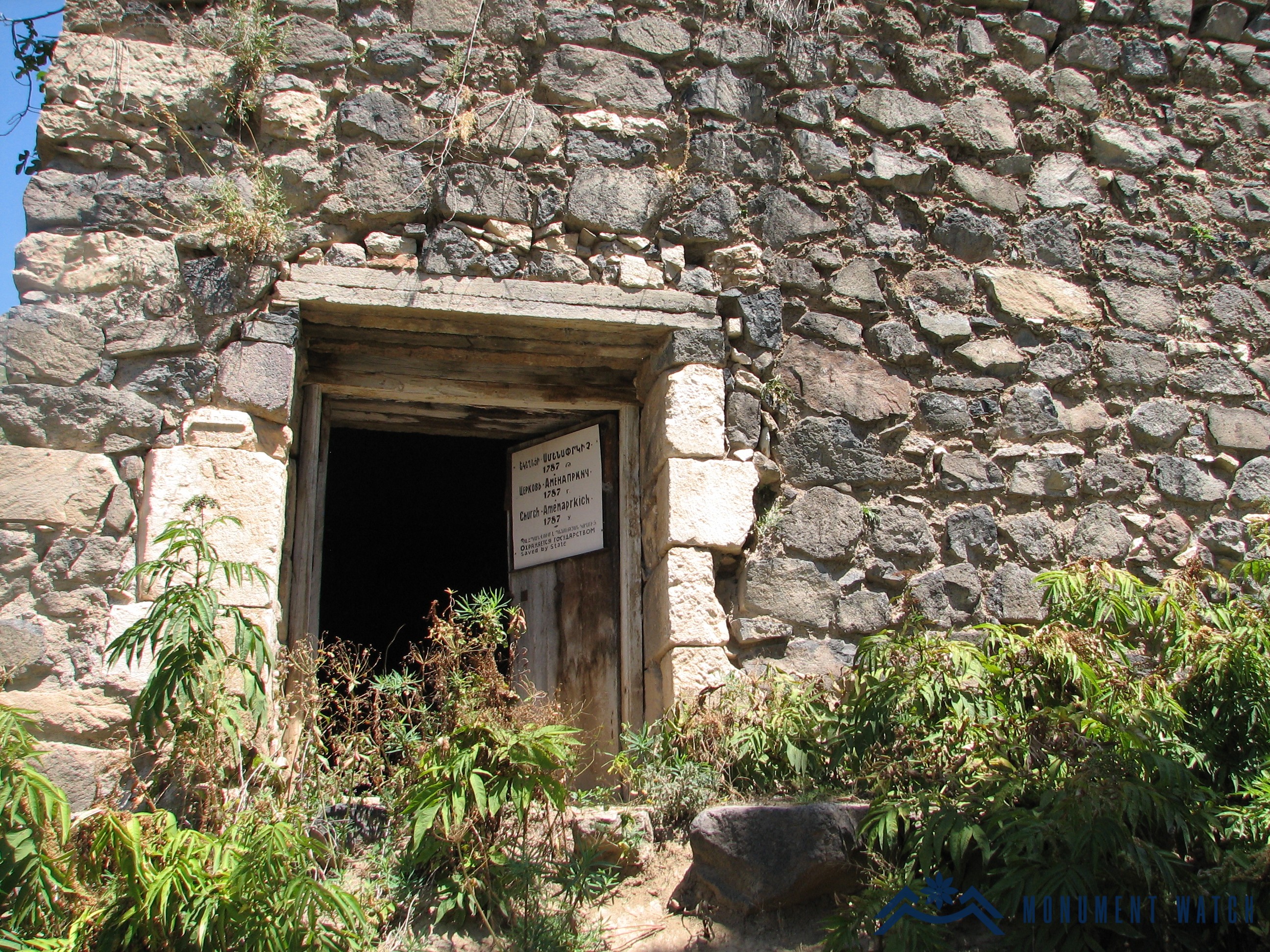
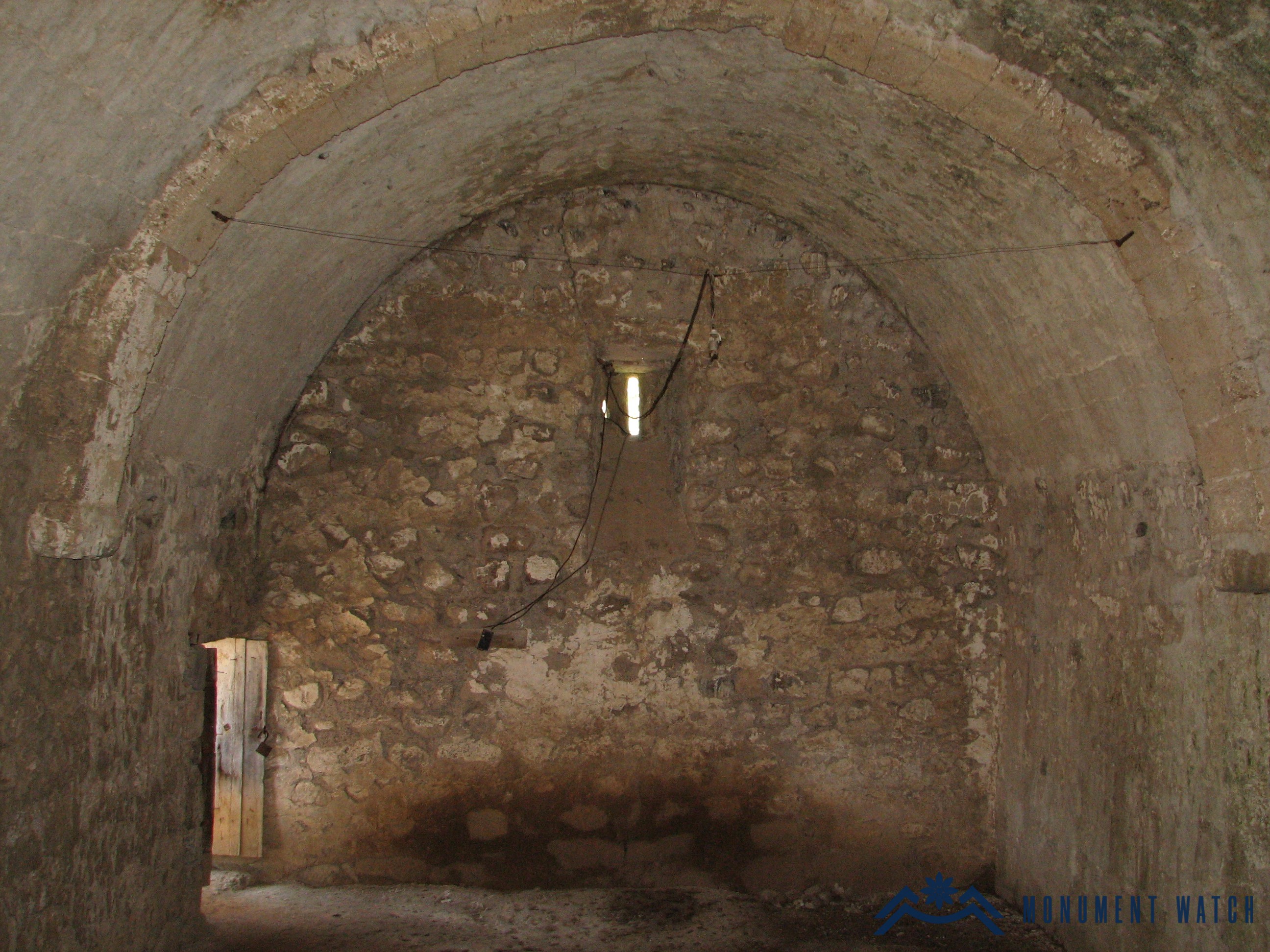
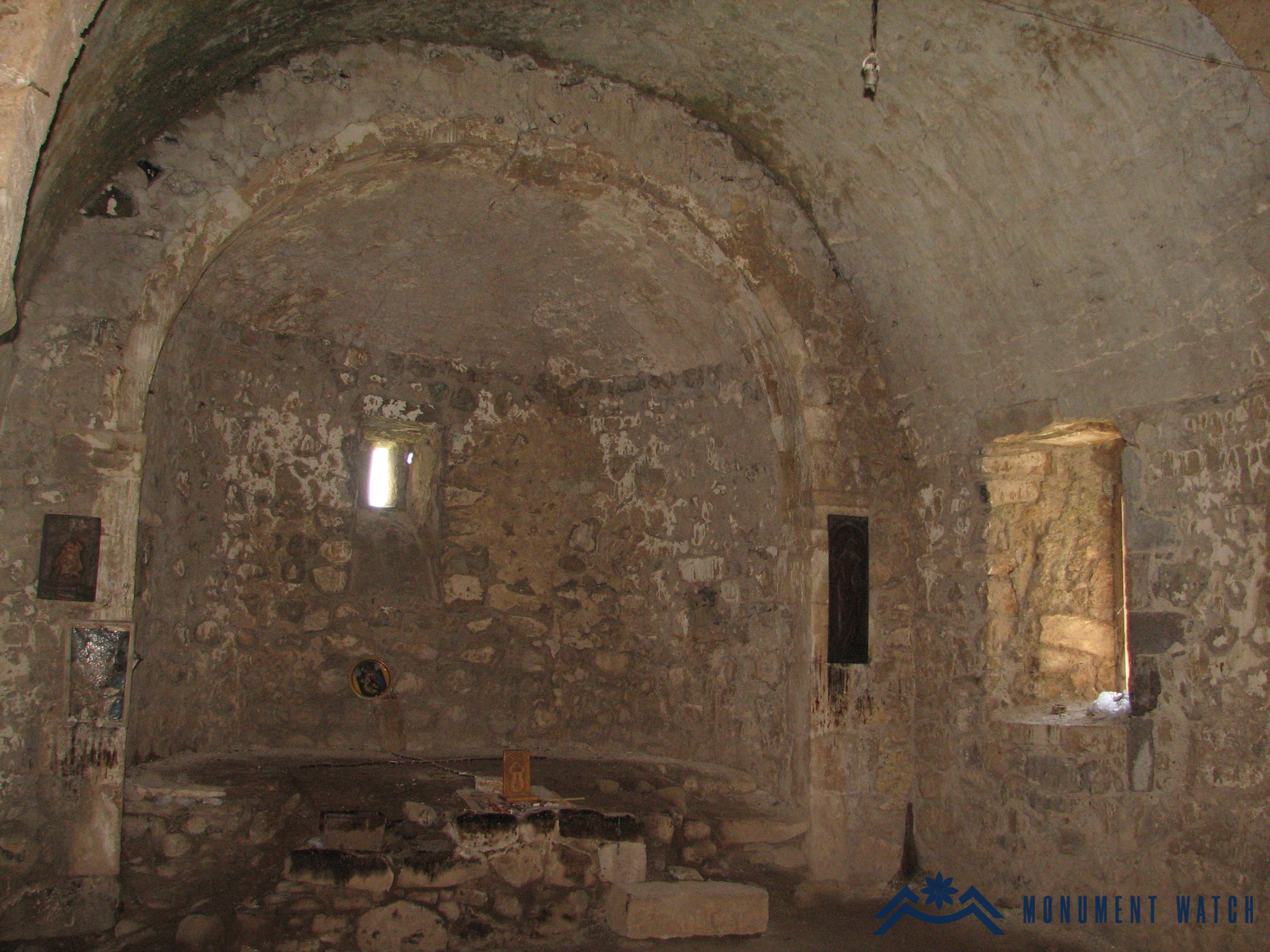
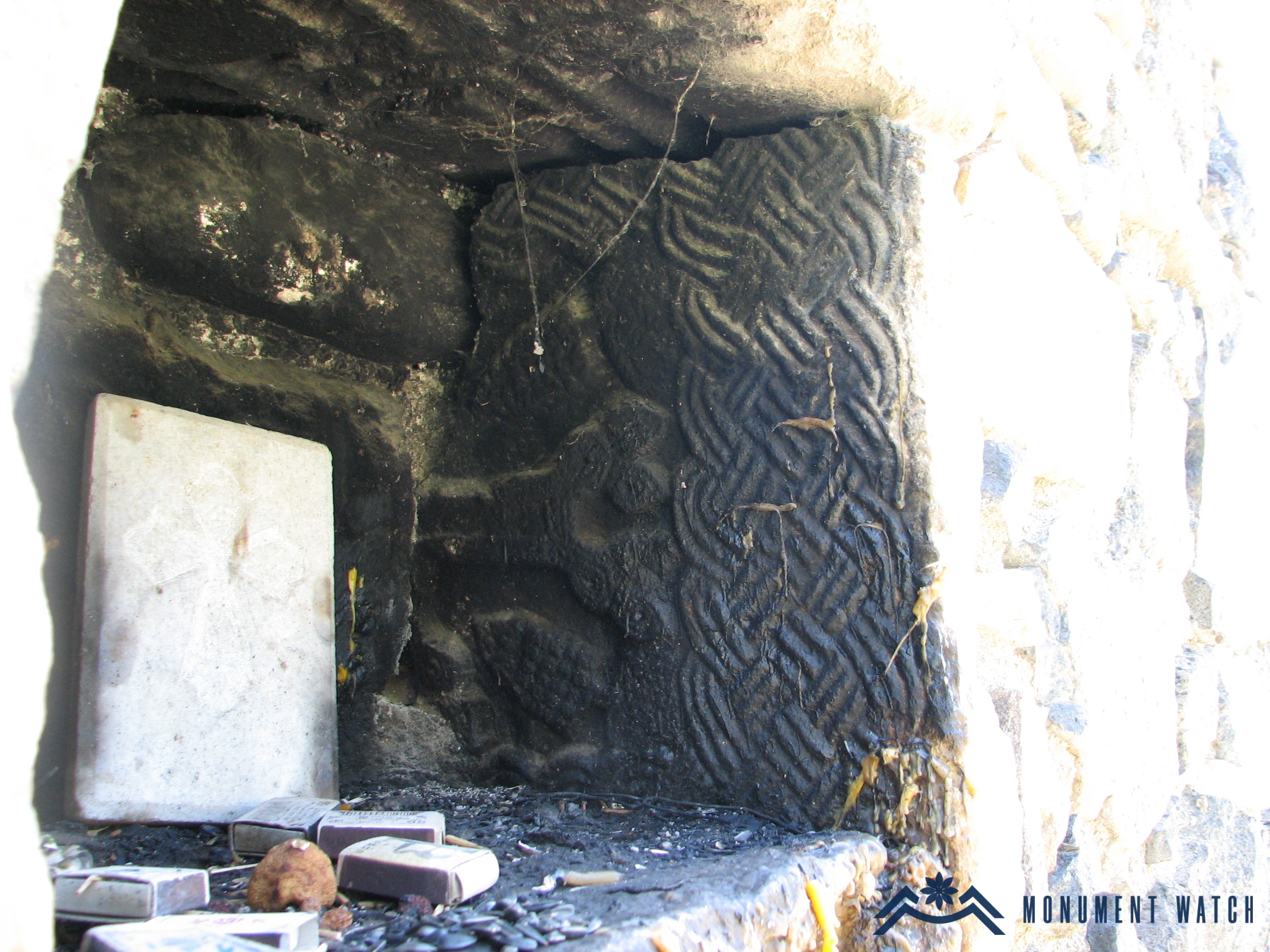
The church is a single-nave, vaulted hall, constructed of small- and medium-sized, semi-worked and unworked stones (Fig. 4). The entrance and the corners are built of comparatively well-dressed, large rocks (Fig. 5). The building has three windows—on the western, eastern, and southern façades; the latter is larger and was likely widened in the nineteenth century. There are no pastophoria (side chambers). The sole entrance is located at the western corner of the south façade. The bearing arch of the vault, as well as the stones of the triumphal (chancel) arch, are finely dressed (Figs. 6–7). On the western façade, a small niche contains fragments of khachkars (Fig. 8).

Fig. 3. The construction inscription of the church. Photo from the certificate from the Ministry of Education, Science, Culture, and Sports of Artsakh.

Fig. 4. The south façade of the church. Photo from the certificate from the Ministry of Education, Science, Culture, and Sports of Artsakh.

Fig. 5. The main entrance of the church. Photo from the certificate from the Ministry of Education, Science, Culture, and Sports of Artsakh.

Fig. 6. The interior of the church. Photo from the certificate from the Ministry of Education, Science, Culture, and Sports of Artsakh.

Fig. 7. The interior of the church. Photo from the certificate from the Ministry of Education, Science, Culture, and Sports of Artsakh.

Fig. 8. Photo from the certificate from the Ministry of Education, Science, Culture, and Sports of Artsakh.

Condition Before and After the War

The church did not suffer damage during the Artsakh wars. It was in a sound state of preservation, although it was not functioning.

Bibliography

  1. Barkhudaryants, M., Artsakh. Baku, 1895.
  2. Balayan, V., Outline of the History of the Settlements of the Republic of Artsakh. Yerevan, 2020.
The Church of Surb Amenaprkich in Chartar
Artsakh