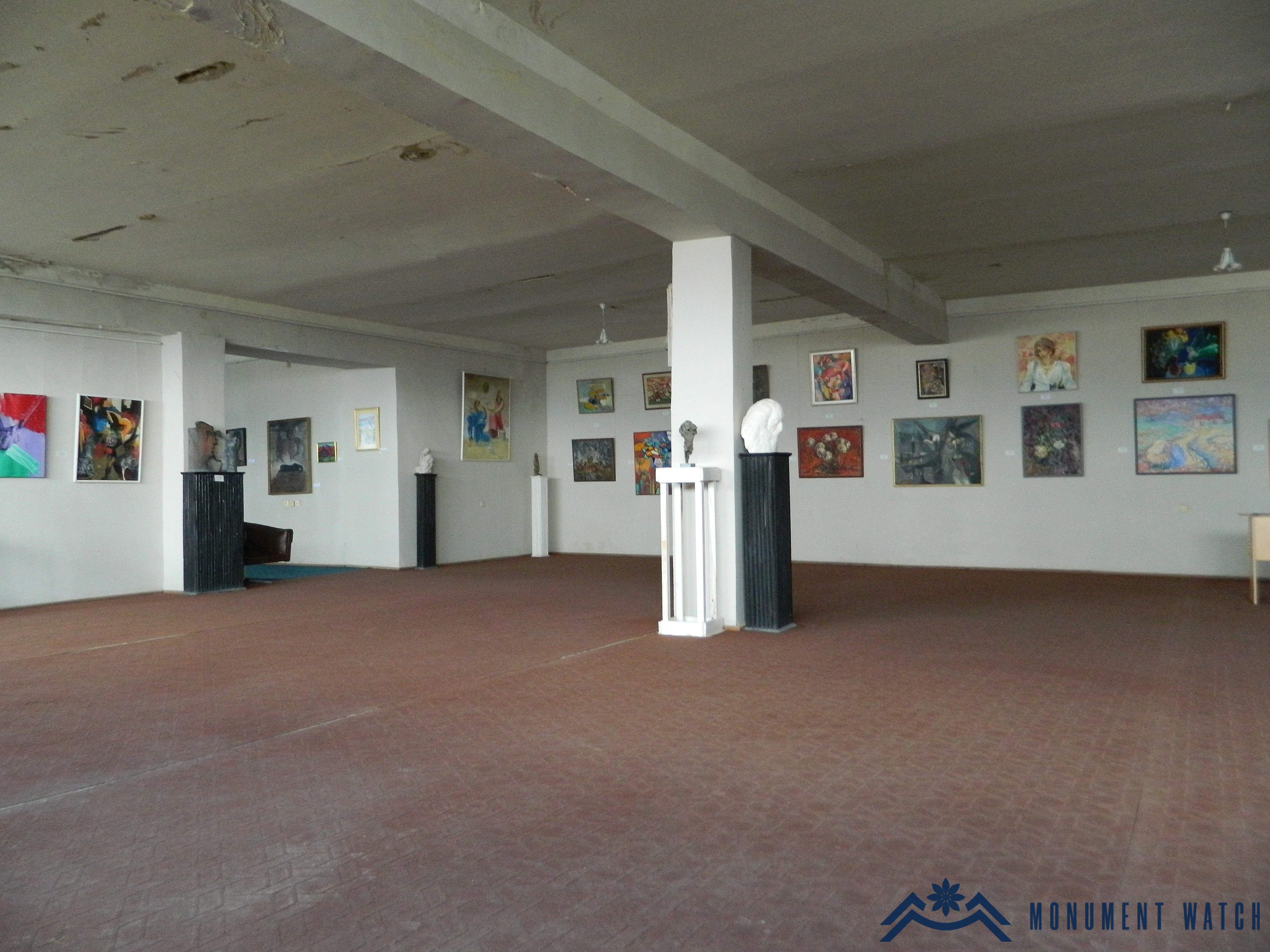
The Museum of Local Lore of the Kashatagh Region

History

Address: Republic of Artsakh, Berdzor (Lachin), 3rd District, Building 43.

The Kashatagh Regional Museum of Local Lore was founded on 18 May 1996.

A local lore museum had already been operating in the Kashatagh (formerly Lachin) region during the Soviet period. After the museum was damaged during the First Artsakh War, a decision was made to establish a new museum in its place.

In the first years after its establishment, the museum’s overall administration was carried out by the Republic of Armenia's authorized body. Even the museum’s first staff members and its director were relocated from Armenia.

Collection

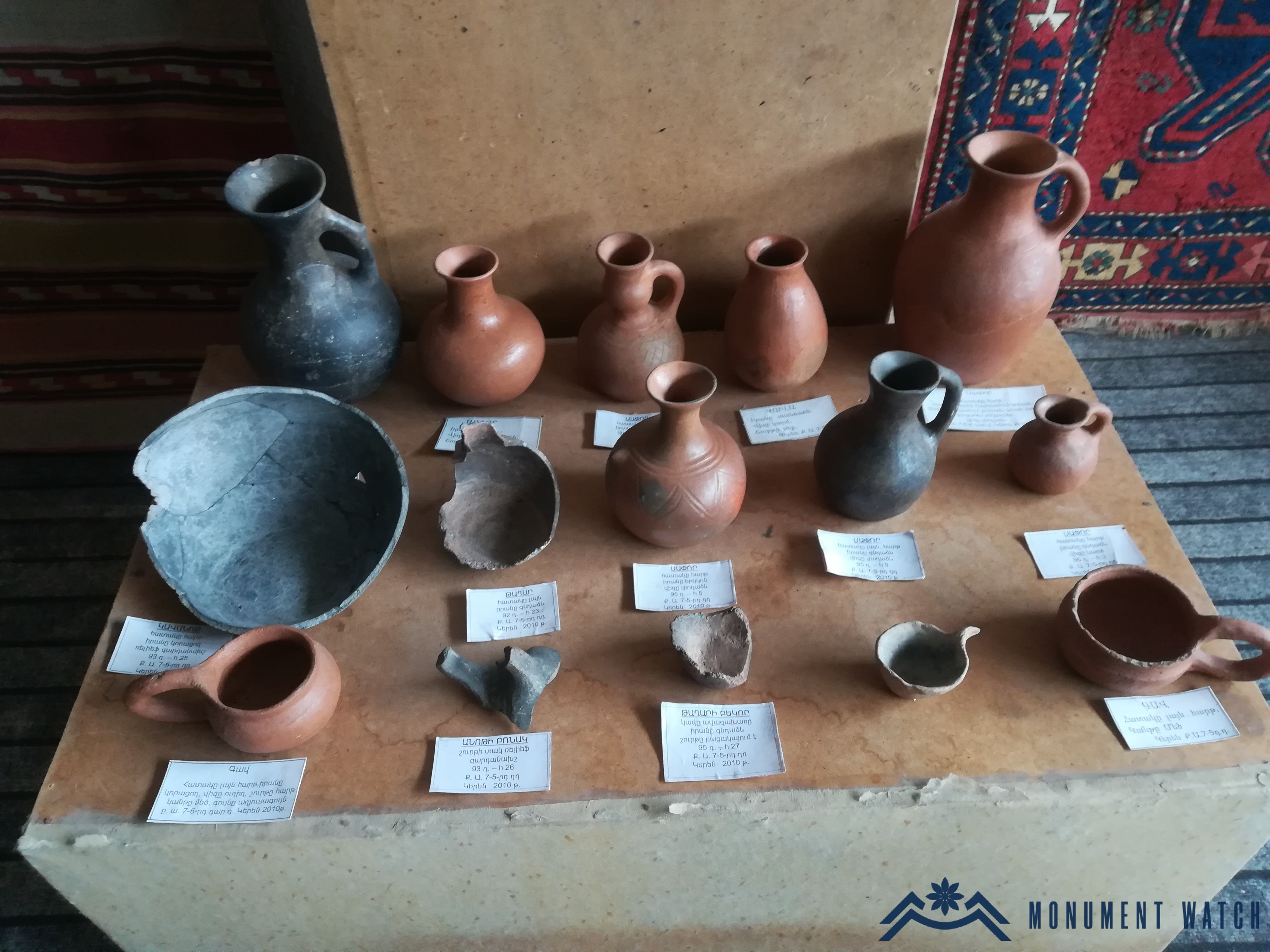
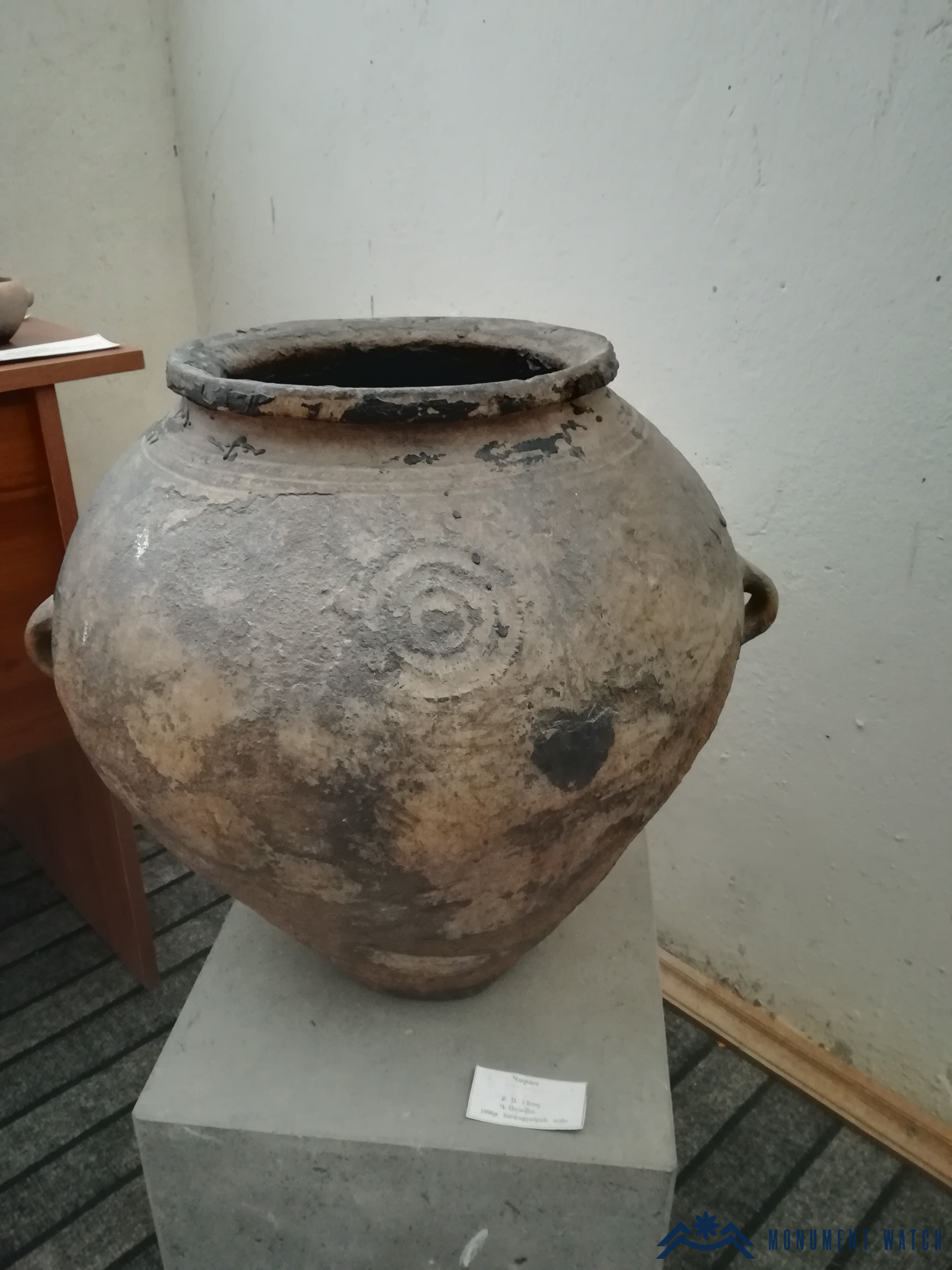
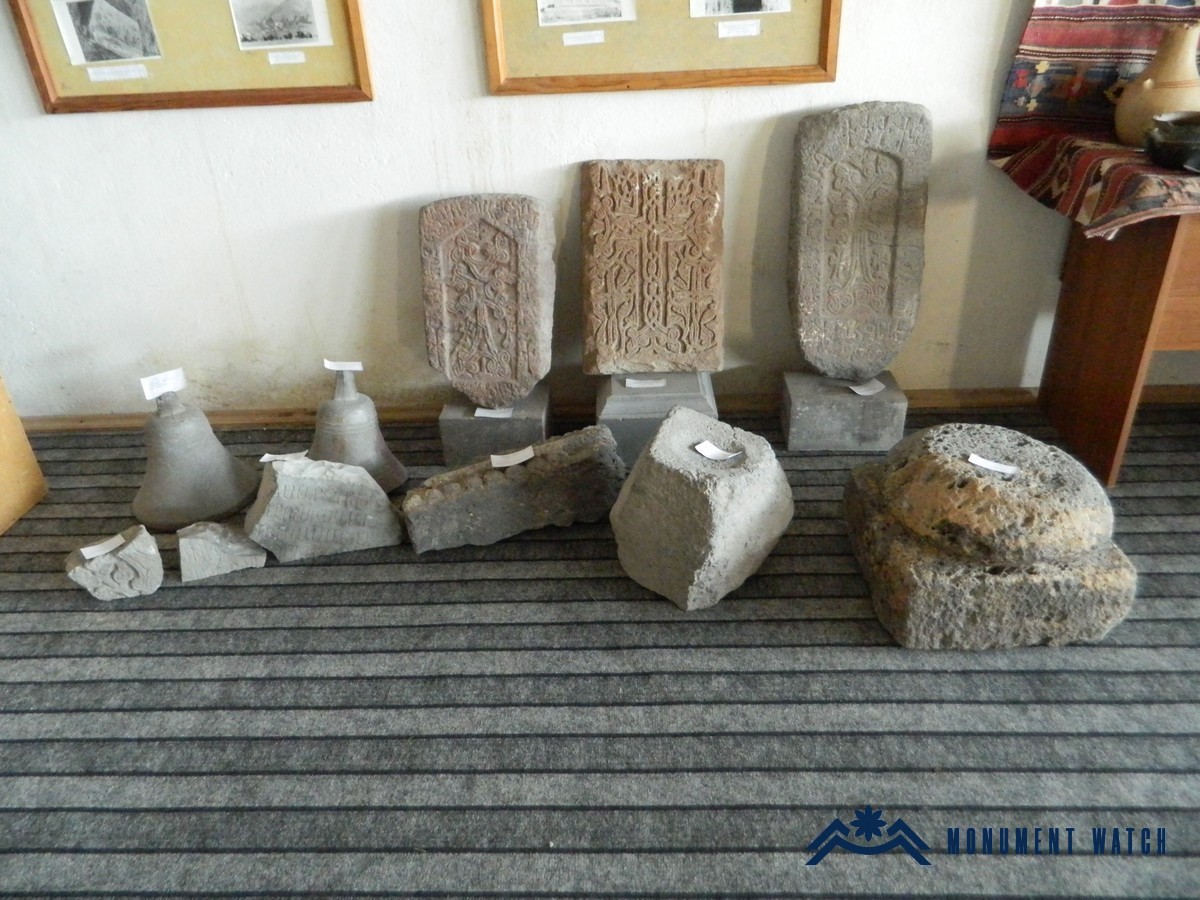
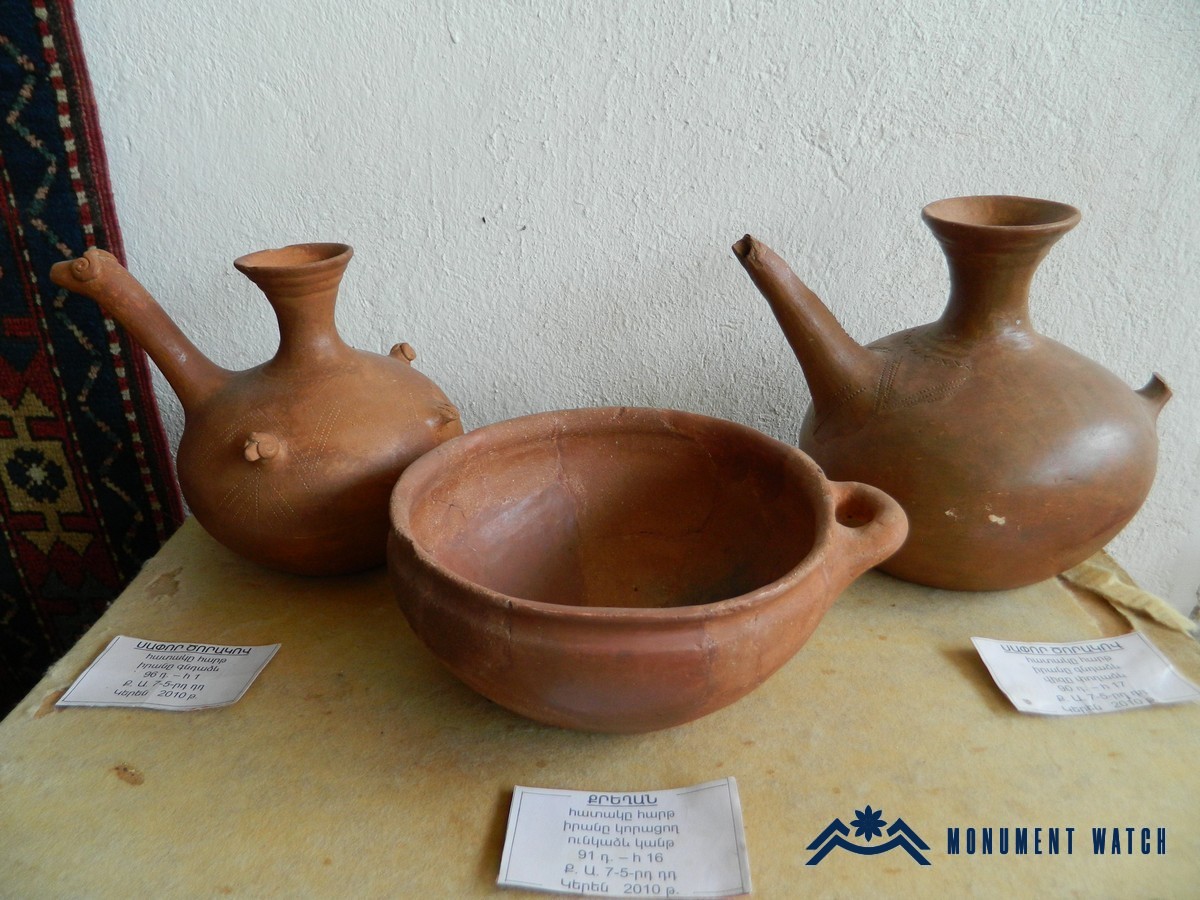
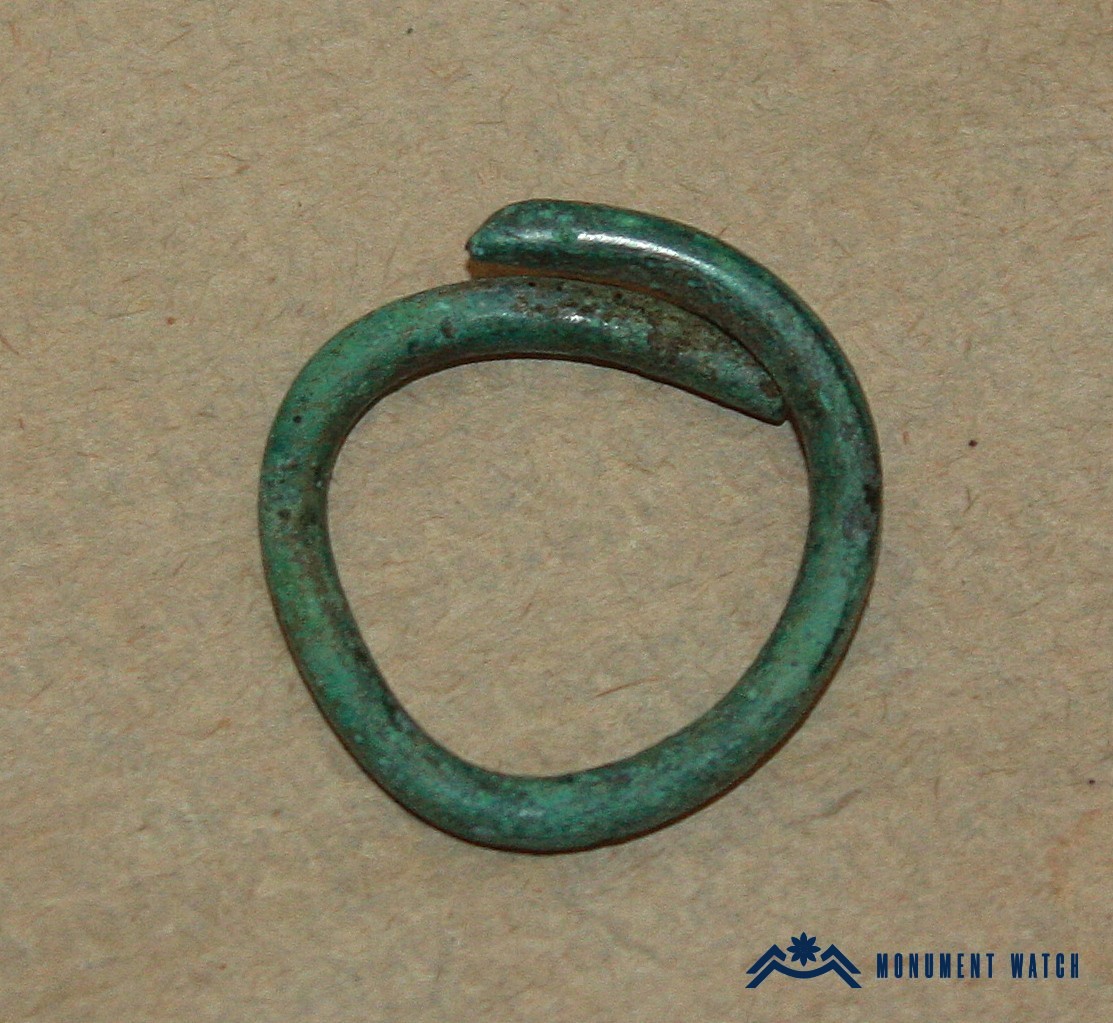
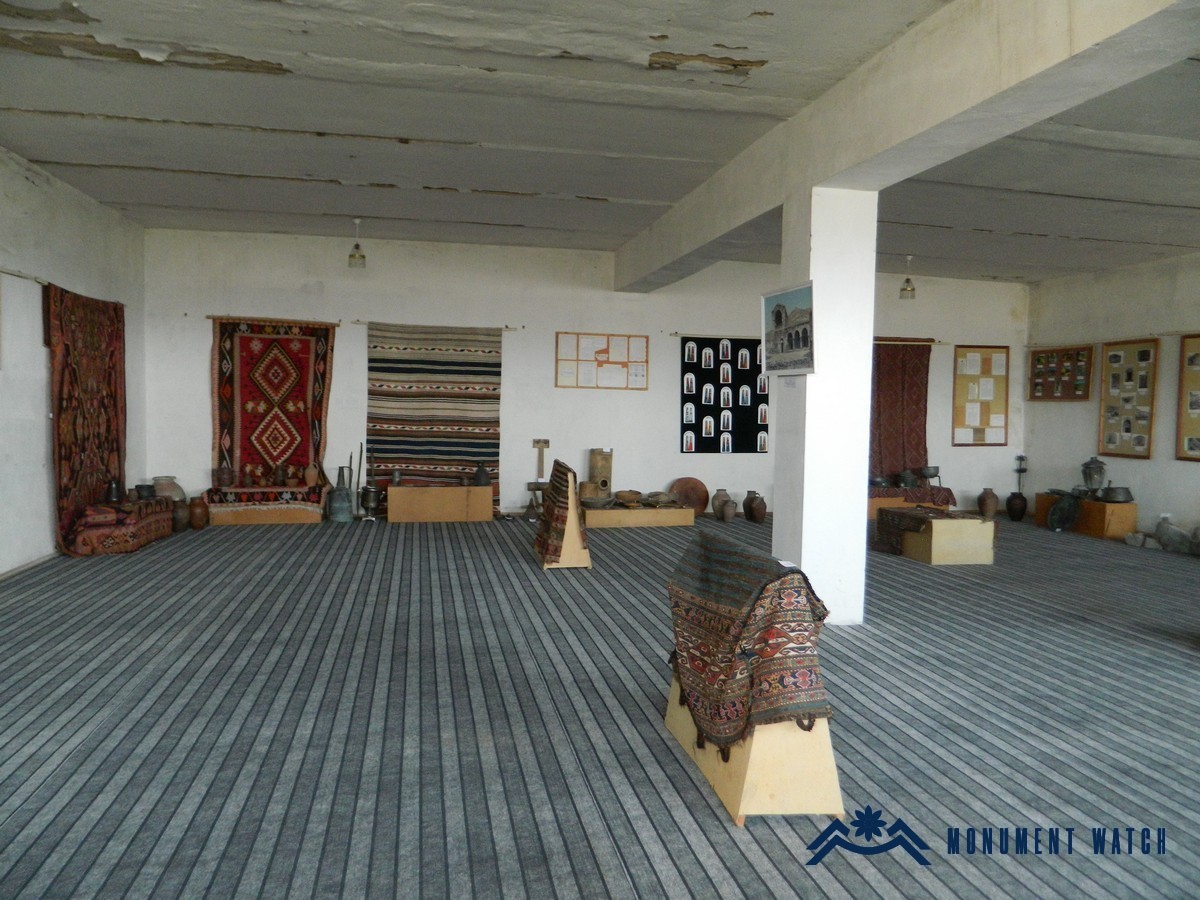
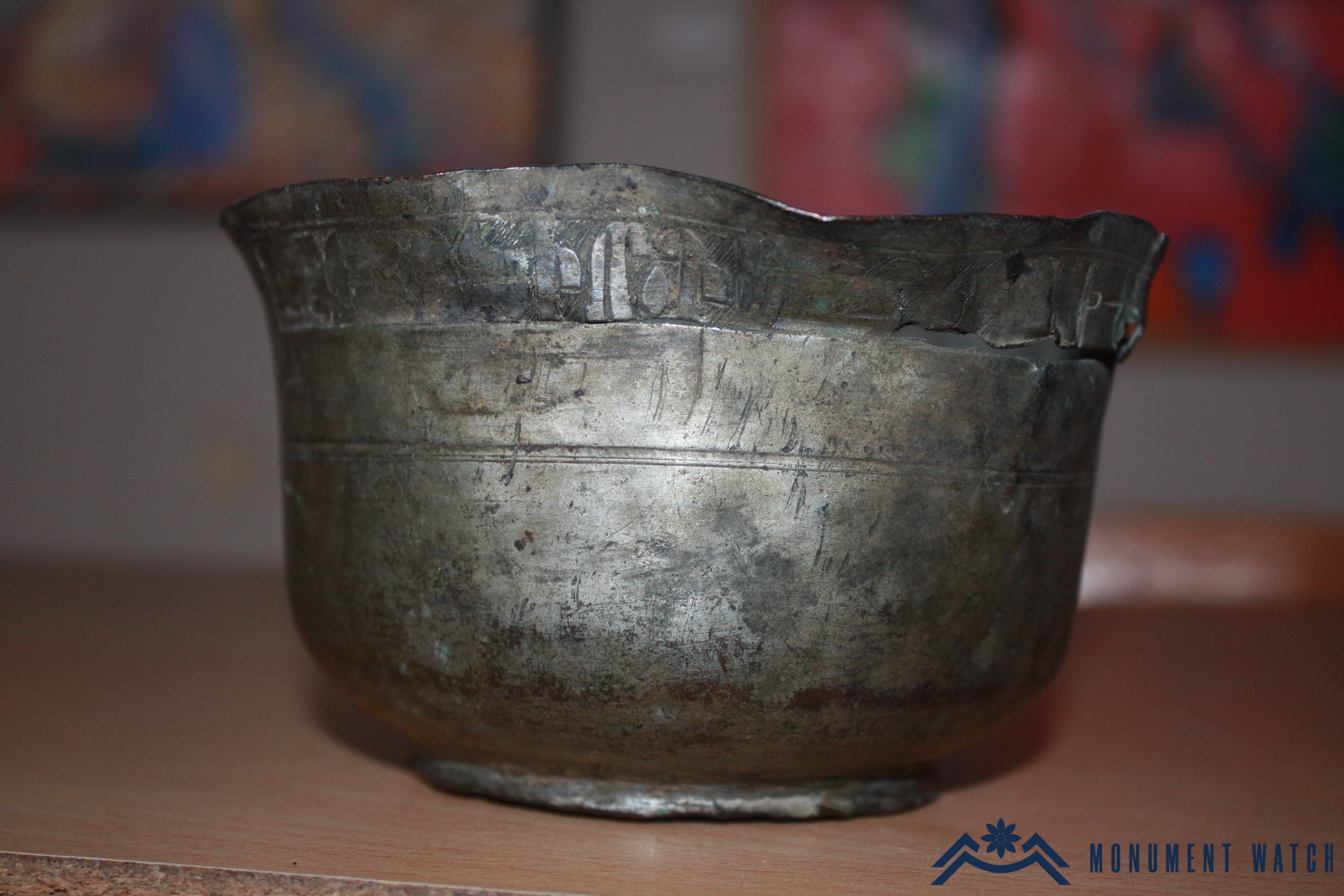
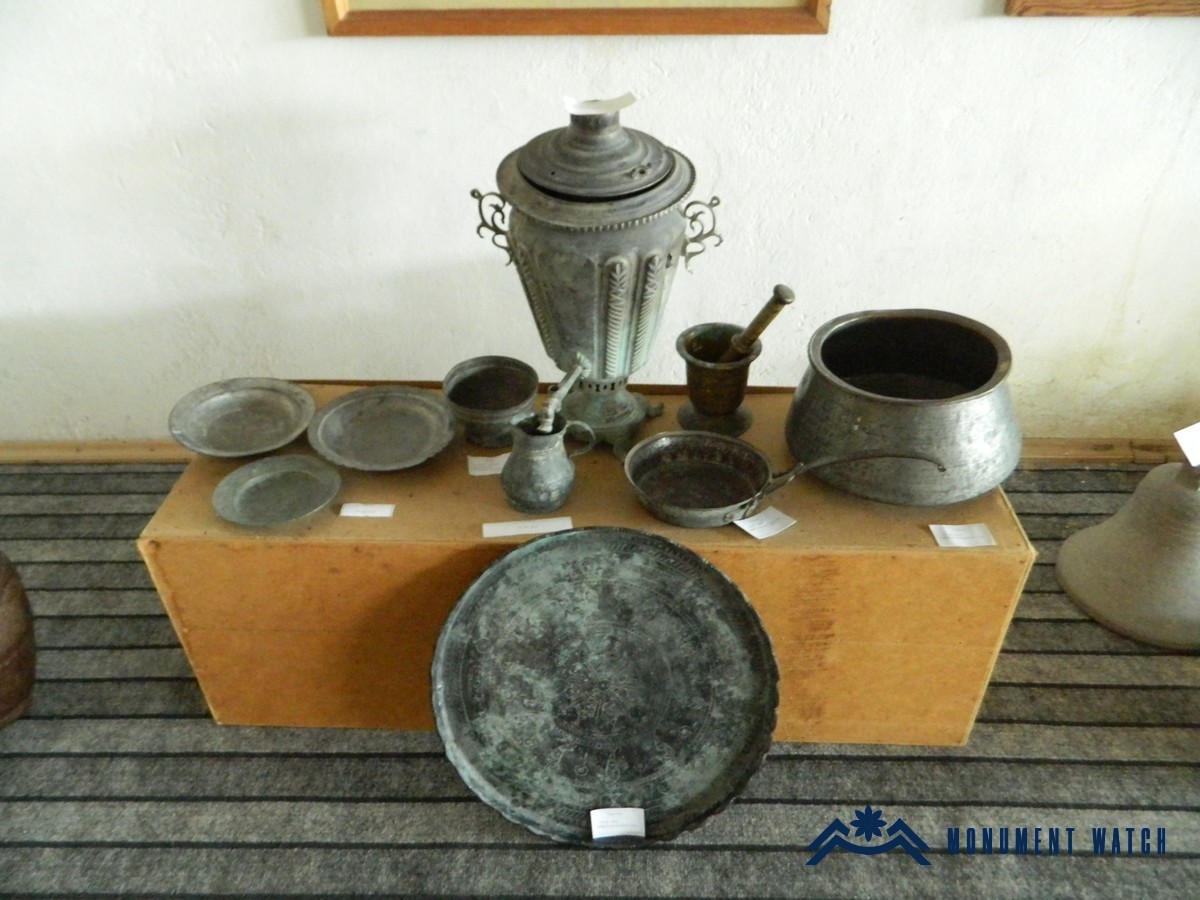
he museum held approximately 6,000 exhibits and consisted of four exhibition halls: two archaeological halls (one of which was located in the community of Tsitsernavank), an art gallery opened in 1997, and a Hall of Glory presenting information on the Artsakh liberation struggle and on the resettlement of the region (Figs. 1–9).

In its early years, the museum’s holdings were enriched through the collection of antiquities recovered during archaeological excavations conducted in the region after 1995. A large body of factual evidence illuminates the history of the development of Artsakh’s culture in the valleys of the Araks and Hakari rivers.

Particularly noteworthy are the materials obtained from excavations at the settlement of Keren, where objects of material culture dating to the 9th–5th centuries BCE were discovered. Alongside Artsakh’s distinctive ceramics, the museum exhibited refined anthropomorphic vessels. A highlight of the collection was a set of unique women’s ornaments made of semi-precious stone, recovered from burial mounds of the same period.

The museum also presented rich historiographical, archaeological, and ethnographic materials, as well as old Armenian carpets and coins.

Fig. 1. A general view of the museum’s archaeological, ethnographic, and art exhibits.

Fig. 3. A general view of the museum’s archaeological, ethnographic, and art exhibits.

Fig. 5. A general view of the museum’s archaeological, ethnographic, and art exhibits.

Fig. 2. A general view of the museum’s archaeological, ethnographic, and art exhibits.

Fig. 4. A general view of the museum’s archaeological, ethnographic, and art exhibits.

Fig. 6. A general view of the museum’s archaeological, ethnographic, and art exhibits.

Fig. 7. A general view of the museum’s archaeological, ethnographic, and art exhibits.

Fig. 8. A general view of the museum’s archaeological, ethnographic, and art exhibits.

Fig. 9. A general view of the museum’s archaeological, ethnographic, and art exhibits.

Activities before the war

The museum offered visitors a unique opportunity to gain a deeper understanding of the history of the Kashatagh region, its significance, and the perceived need for its resettlement. Beginning in 2017, the Kashatagh Museum of Local Lore organized lecture-discussions with schoolchildren and representatives of the scholarly community. In addition to the permanent collection, works by contemporary Kashatagh painters and photographers were occasionally exhibited.

The Kashatagh Museum of Local Lore has a Facebook page—https://www.facebook.com/profile.php?id=100052021824470—which has remained active even after the relocation of the collection. The platform regularly publishes information about the display and presentation of the museum’s holdings.

The condition after the war

During the war, the museum collection was evacuated. After the war, many buildings in the town were demolished to make way for new houses. The condition of the museum building is unknown.

The museum and international law regulations

As with any cultural property, the international legal framework for the protection of the museum and its collection is formed by the 1954 Hague Convention for the Protection of Cultural Property in the Event of Armed Conflict and its two Protocols (1954 and 1999). Under Article 4 of the 1954 Hague Convention, any act of vandalism, theft, pillage, appropriation, hostility, or reprisals directed against cultural heritage is prohibited. Under the First Protocol to the 1954 Hague Convention, it is forbidden to destroy cultural or spiritual values in occupied territories. The Second Protocol of 1999 reaffirms this requirement and, under Article 15, classifies such conduct as an international crime. The destruction of cultural property is also prohibited under the four international conventions and protocols of 12 August 1949 (Geneva Conventions) concerning the protection of war victims and the laws and customs of war, as well as relevant UN resolutions and human rights protection treaties.