The Armenak Khanperyants Museum of Mets Tagher

History

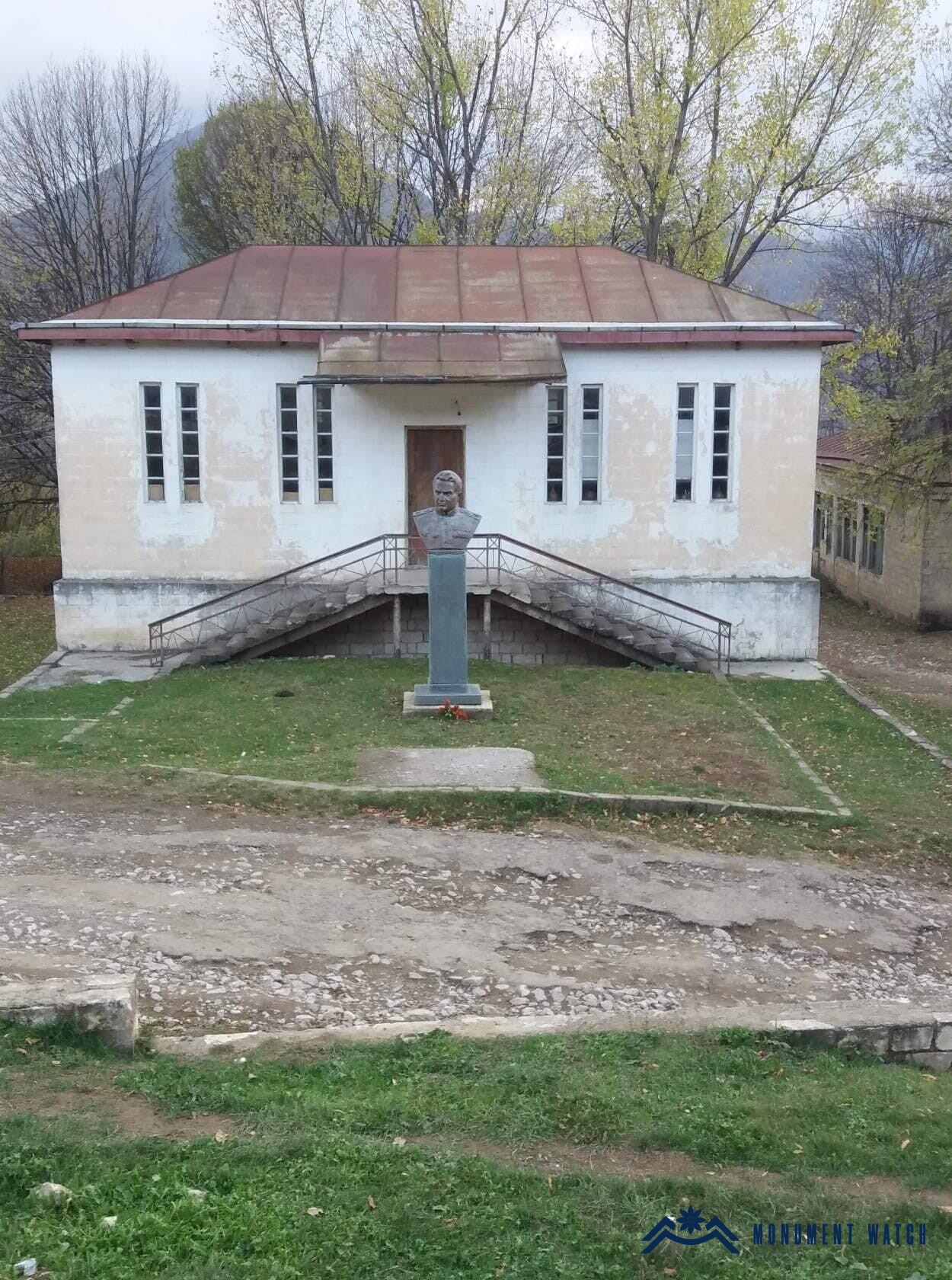
The museum is dedicated to Armenak Khanperyants, Marshal of Aviation of the Soviet Union. It is located in his birthplace, the village of Mets Tagher (Hadrut region).

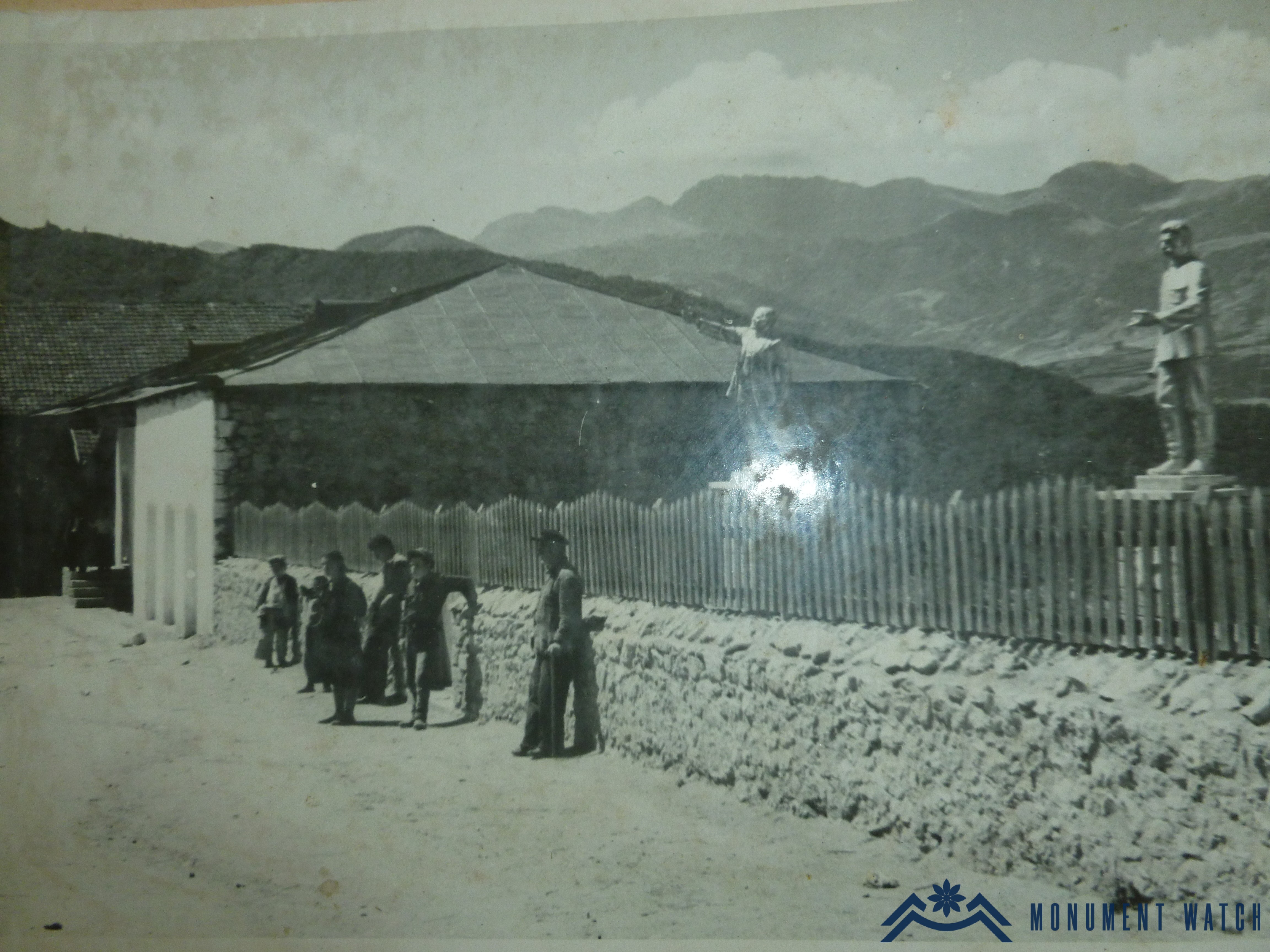
The decision to establish the museum was made in 1975. For nearly five years after the decision, work was carried out on interior finishing and exhibition design, as well as on the installation of the marshal’s bronze bust. At the museum’s official opening, held on May 9, 1980, members of the marshal’s family were also present.

The Armenak Khanperyants Museum was one of the branches of the Arthur Mkrtchyan Museum of Local Lore of Hadrut.

Collection

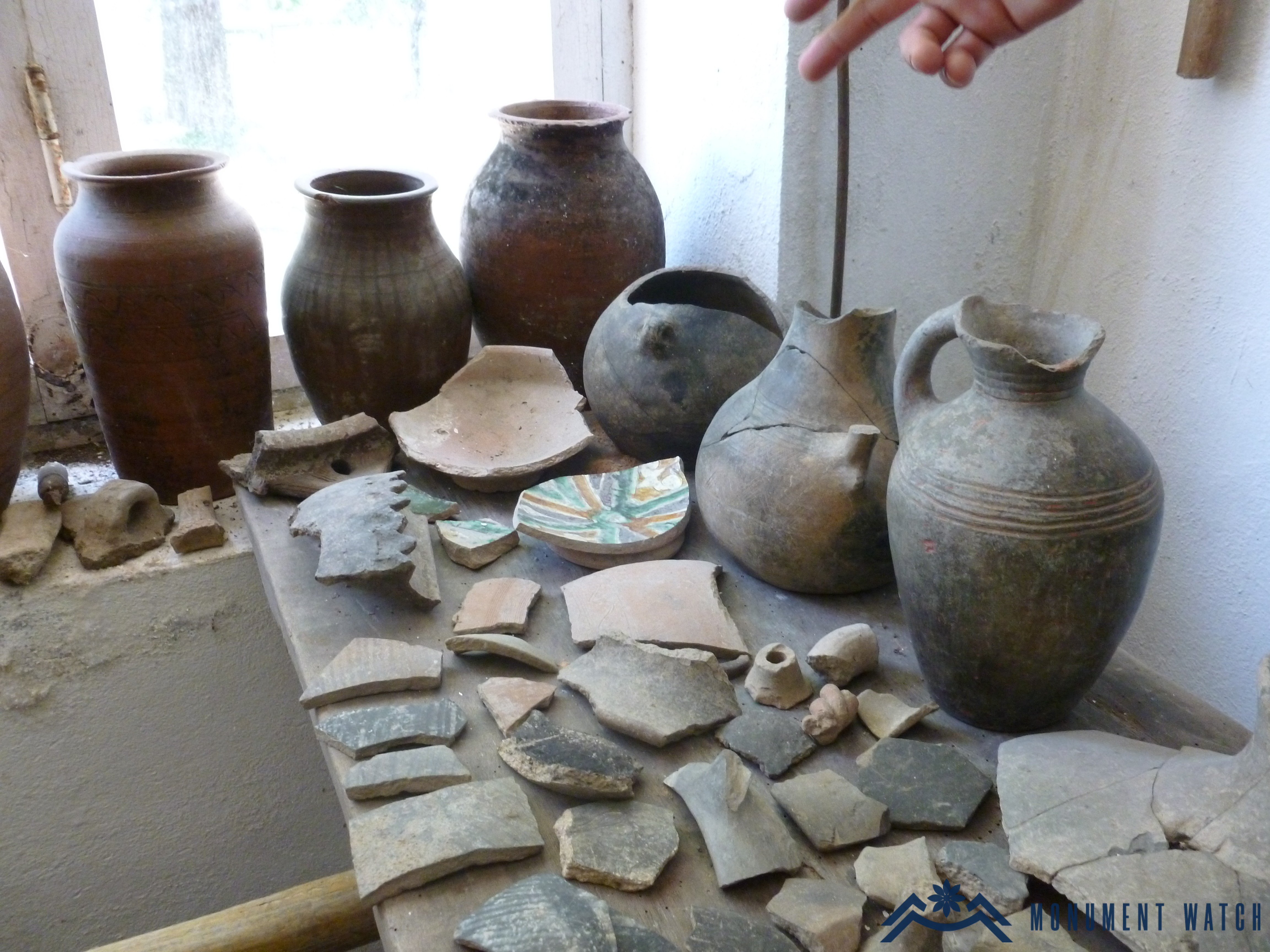
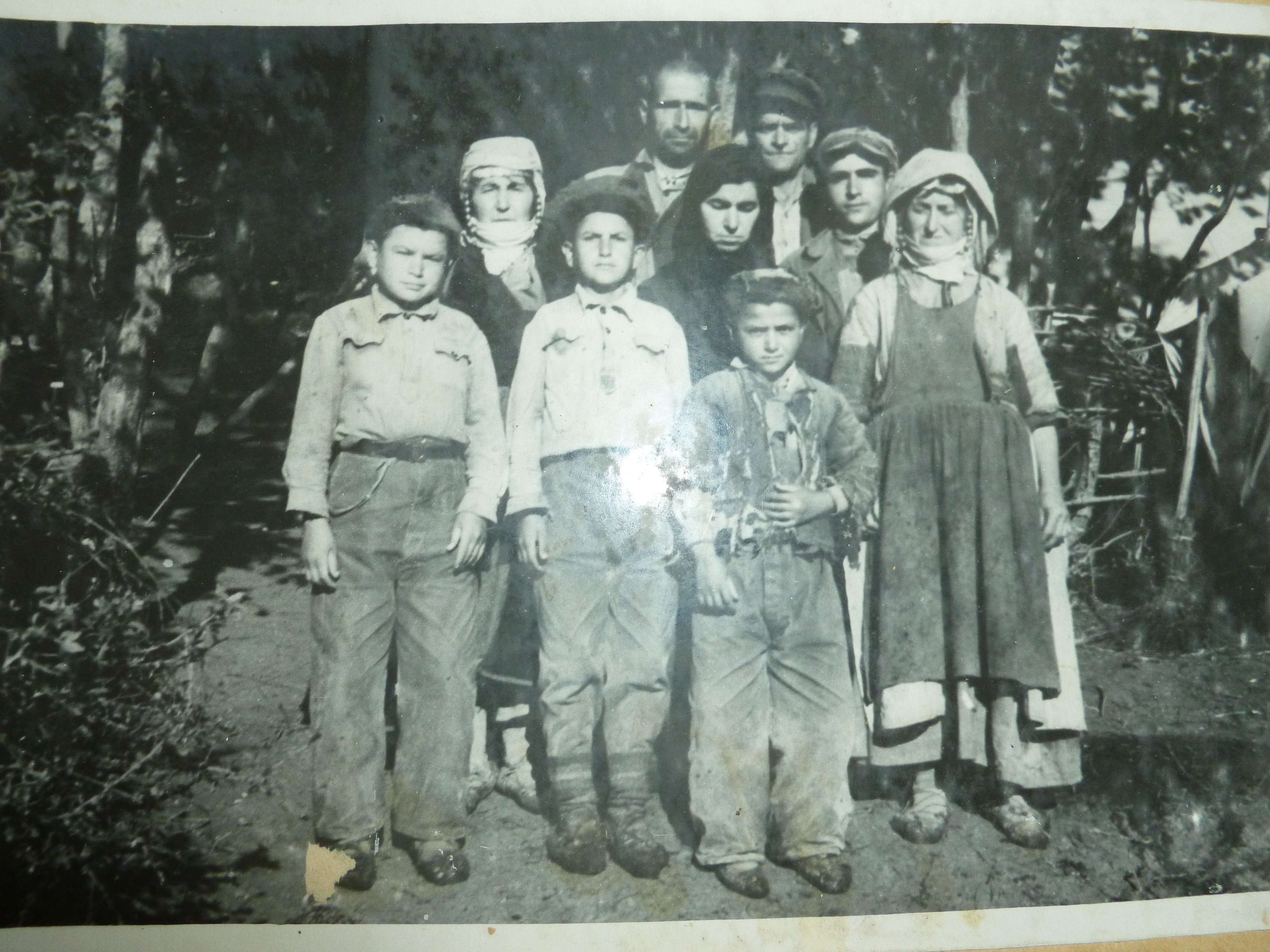
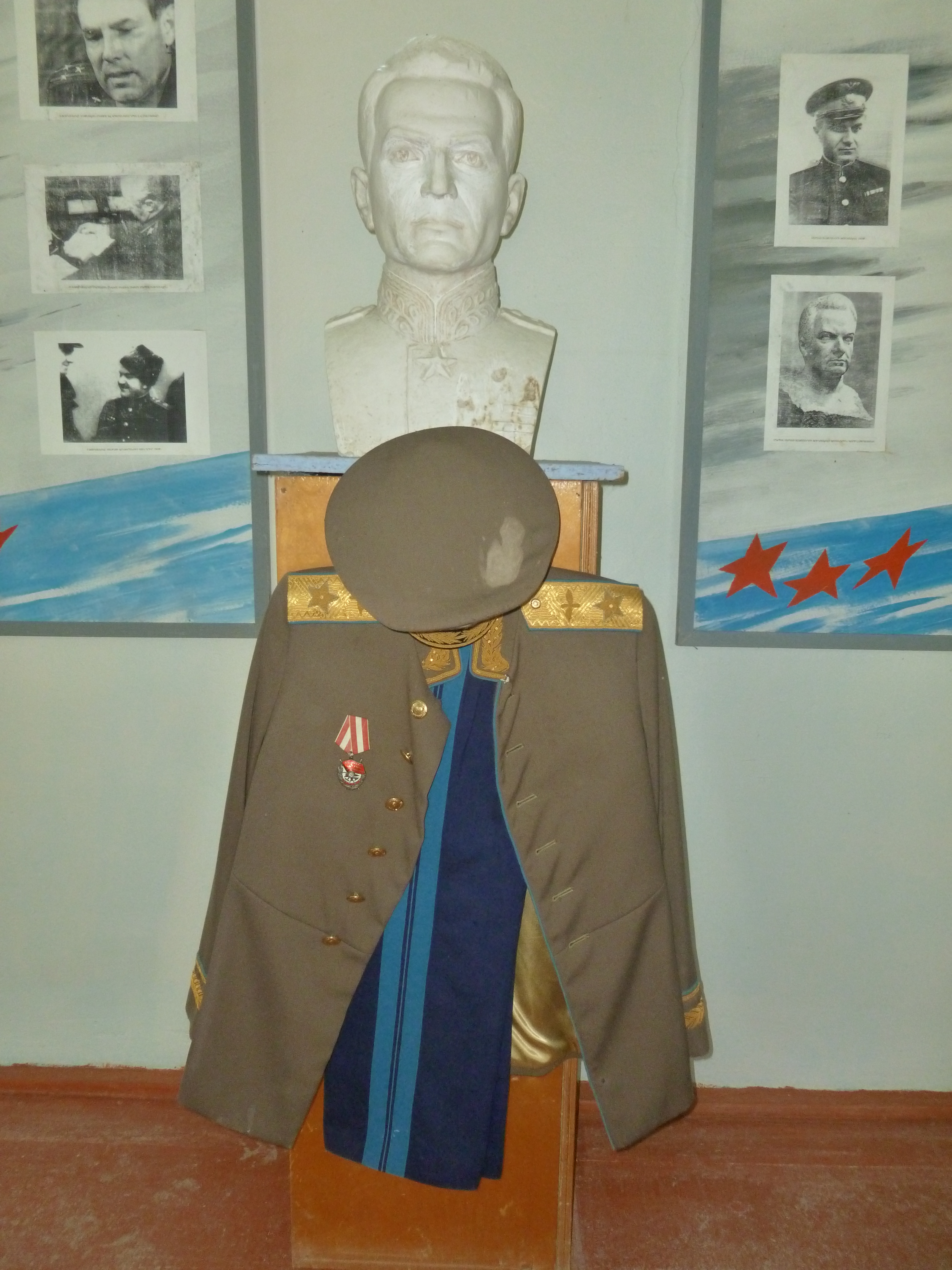
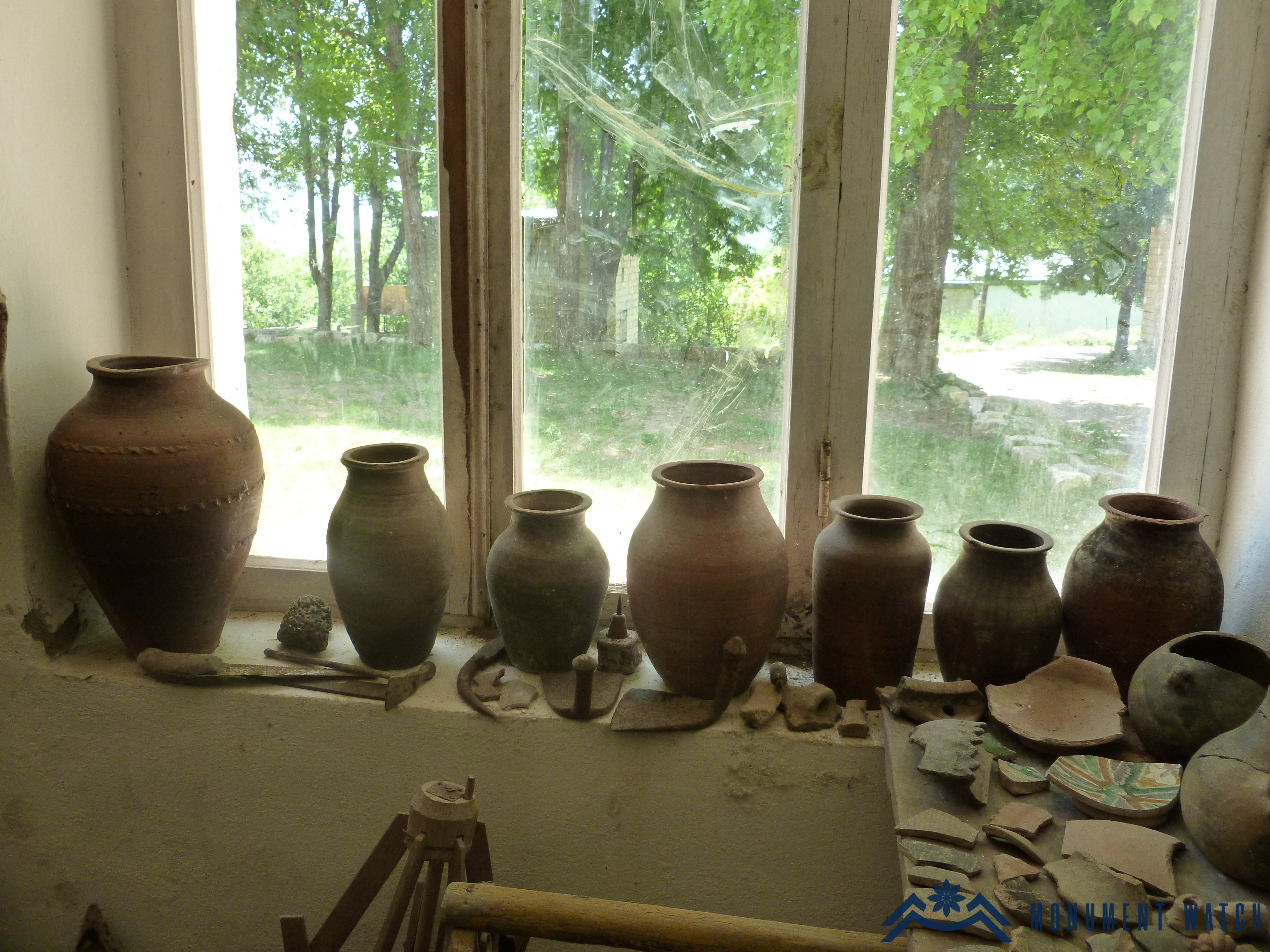
The museum held 2,195 exhibits, most of which consisted of photographs, documents, and personal belongings illustrating A. Khanperyants’s life and work. The halls also displayed ethnographic materials reflecting the village’s cultural profile from the late 19th to the early 20th centuries, as well as archaeological objects recovered from the village’s surroundings. In recent years, works of art have also been collected and exhibited in the museum.

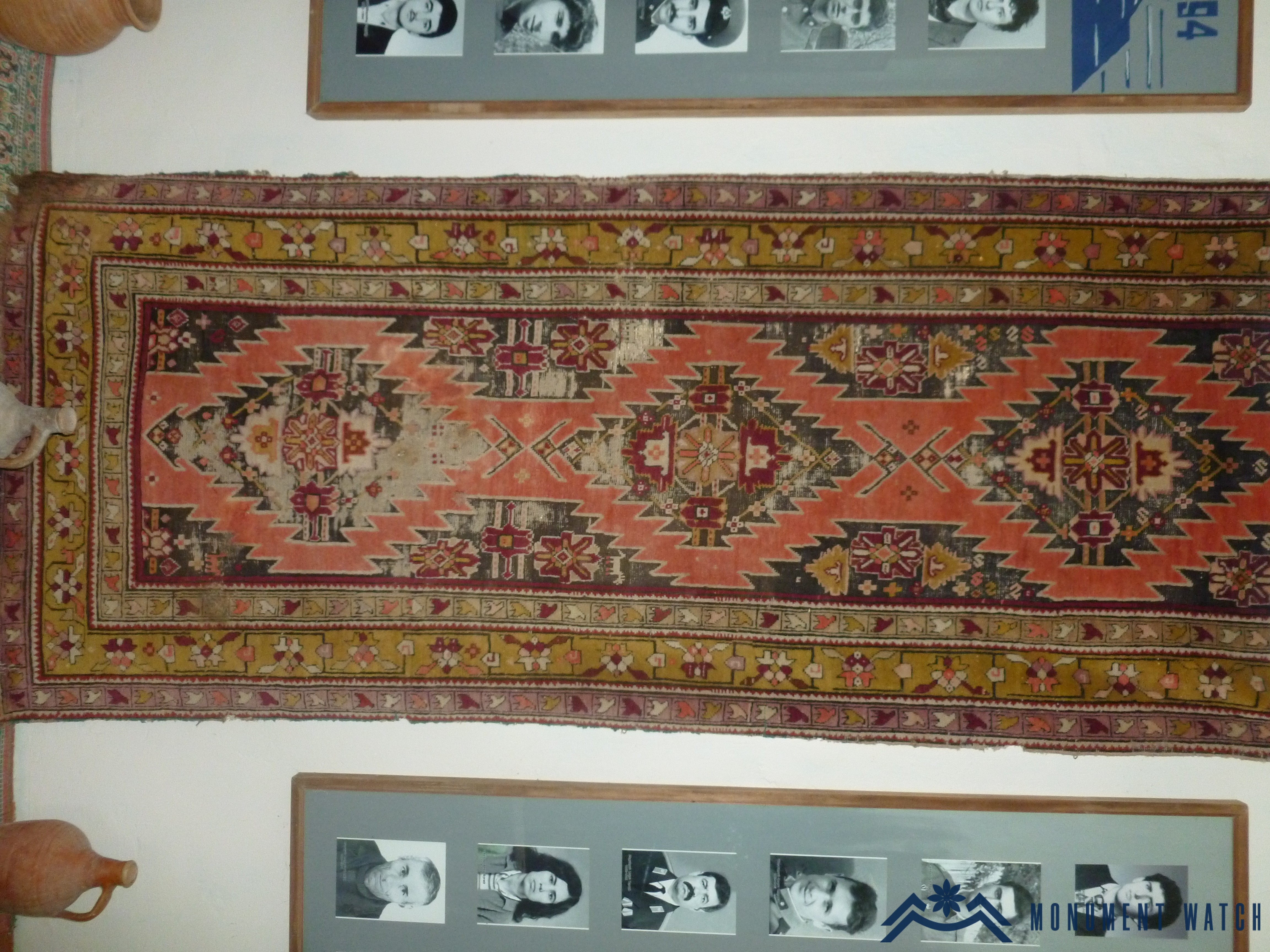
Among the museum’s unique exhibits was a 100-year-old carpet woven in the village. Also noteworthy was a MiG-17 fighter aircraft installed in the museum courtyard.

Activities before the war

During the First Artsakh War, the museum temporarily suspended its activities. From 2000 onward, in the context of a “revival” of cultural life in Artsakh, it reopened. After reopening, the museum’s collection was enriched with works by various Artsakh artists (“Nevertheless, the museum does not lack visitors,” 3.02.2020).

The nature of the exhibits indicates that the museum was not solely dedicated to A. Khanperyants. It also served as an essential educational and cultural institution, collecting diverse materials from the surrounding area and offering a range of academic programs.

Fig. 1. A general exterior view of the museum and the bronze bust of A. Khanperyants in the museum courtyard. Photo source: Gegham Saryan’s Facebook page.

Fig. 3. A general view of the museum exhibition hall. Photo source: the Ministry of Education, Science, Culture, and Sports of Artsakh.

Fig. 5. A general view of the museum exhibition hall. Photo source: the Ministry of Education, Science, Culture, and Sports of Artsakh.

Fig. 2. A general view of the museum exhibition hall. Photo source: the Ministry of Education, Science, Culture, and Sports of Artsakh.

Fig. 4. A general view of the museum exhibition hall. Photo source: the Ministry of Education, Science, Culture, and Sports of Artsakh.

Fig. 6. A general view of the museum exhibition hall. Photo source: the Ministry of Education, Science, Culture, and Sports of Artsakh.

Fig. 7. One of the carpets exhibited in the museum. Photo source: the Ministry of Education, Science, Culture, and Sports of Artsakh.

The Condition after the war

During the 44-day war, the entire museum display and collections remained on site and, as a result, came under the control of the Azerbaijani armed forces.

On August 20, 2021, the website “Azerbaijan’s military crimes—https://war.karabakhrecords.info” circulated information stating that, in the village of Mets Tagher (Hadrut region, Artsakh), Azerbaijanis destroyed the bust of Armenak Khanperyants, an Artsakh-born Marshal of Aviation of the USSR (“The destruction of Armenak Khanperyants’s bust and the MiG-17 fighter aircraft in Mets Tagher,” 25.08.2021).

The museum and international law regulations

As with any cultural property, the international legal framework for the protection of the museum and its collection is formed by the 1954 Hague Convention for the Protection of Cultural Property in the Event of Armed Conflict and its two Protocols (1954 and 1999). Under Article 4 of the 1954 Hague Convention, any act of vandalism, theft, pillage, appropriation, hostility, or reprisals directed against cultural heritage is prohibited. Under the First Protocol to the 1954 Hague Convention, it is forbidden to destroy cultural or spiritual values in occupied territories. The Second Protocol of 1999 reaffirms this requirement and, under Article 15, classifies such conduct as an international crime. The destruction of cultural property is also prohibited under the four international conventions and protocols of 12 August 1949 (Geneva Conventions) concerning the protection of war victims and the laws and customs of war, as well as relevant UN resolutions and human rights protection treaties.

List of sources

  1. “The destruction of Armenak Khanperyants’s bust and the MiG-17 fighter aircraft in Mets Tagher,” 25.08.2021 — https://monumentwatch.org/hy/alerts/%D5%A1%D6%80%D5%B4%D5%A5%D5%B6%D5%A1%D5%AF-%D5%AD%D5%A1%D5%B6%D6%83%D5%A5%D6%80%D5%B5%D5%A1%D5%B6%D6%81%D5%AB-%D5%AF%D5%AB%D5%BD%D5%A1%D5%B6%D5%A4%D6%80%D5%B8%D6%82-%D6%87-%D5%B4%D5%AB%D5%A3-17/։
  2. “Nevertheless, the museum does not lack visitors,” 3.02.2020 — Azat Artsakh — https://www.artsakhtert.com/arm/index.php/carriage/item/28206-2020-02-03-14-27-17։