


The Surb Minas Church of Khoznavar (Surb Stepanos Nakhavka)
Location
Khoznavar is located in the Syunik Region of the Republic of Armenia, 100 km from the provincial center Kapan, 29 km from Tegh, the administrative center of the enlarged community, and 21 km from the city of Goris. The village lies at an elevation of 1,592 m above sea level. The most prominent monument in the village is Surb Minas Church (Surb Stepanos Nakhavka; Fig. 1).
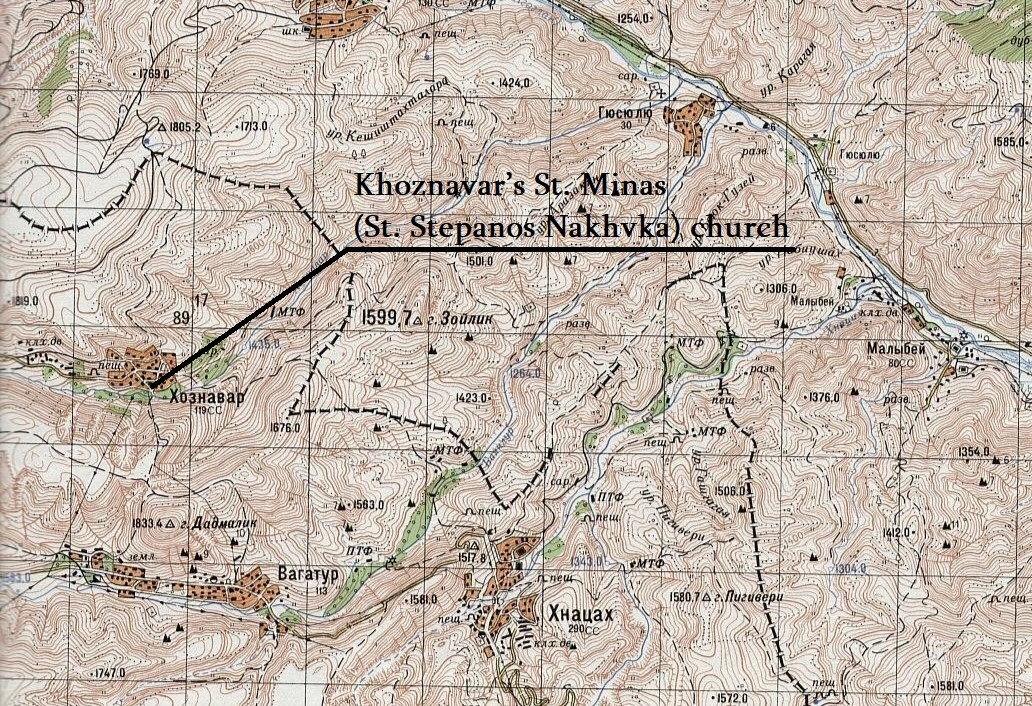
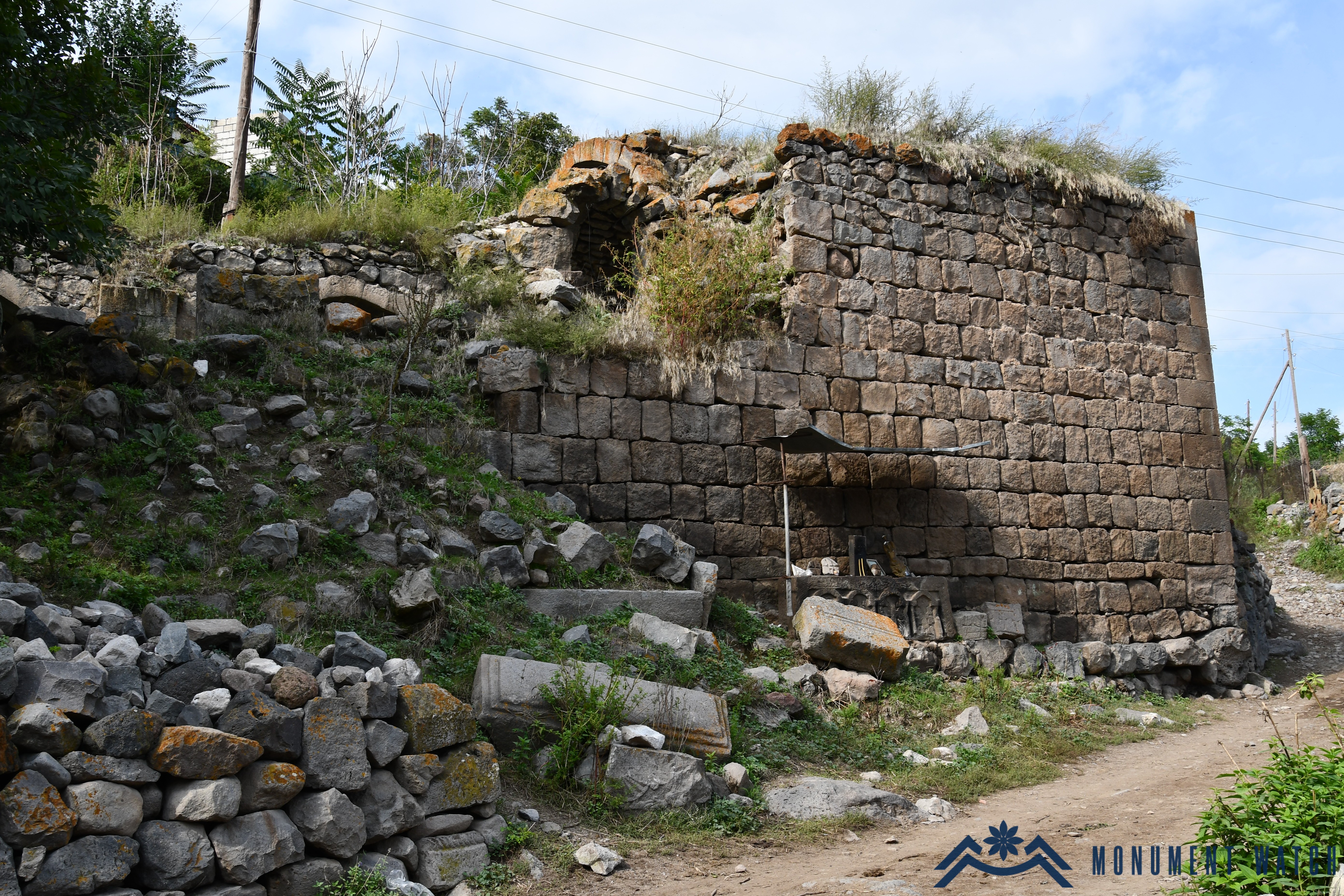
Fig. 1. Khoznavar’s Surb Minas Church. Photo: Monumentwatch group.
Historical overview
The name “Khoznavar” means “a place for ploughing stubble fields (khozan)” (Margaryan 1992, 139). According to the new tax register of Tatev Monastery, the village paid 4,400 dahekans in fruit tax. According to the colophon of a manuscript copied in 1490, it was one of the villages of Kashatagh belonging to the district of Aghahechk in Syunik (Khurshudyan 2024, 93).
A large number of manuscripts were preserved in Khoznavar’s Surb Minas, or Surb Stepanos Nakhavka Church. According to S. Khanzadyan, on 16 March 1913, the nomadic Tarakama tribe unexpectedly attacked and plundered the village. They also seized and burned more than 200 manuscripts kept in Surb Stepanos Nakhavka Church (Khanzadyan 1980, 469).
Historical information concerning the church is scarce. In addition to the surviving manuscript colophons (Colophons of 15th-Century Armenian Manuscripts 1967, 116, 148, 191), valuable information is also provided by the small number of inscriptions preserved on the church walls and in the surrounding area. One of the principal inscriptions of the structure, cited by S. Khanzadyan (Khanzadyan 1980, 471), reads in translation: “Surb Stepanos Nakhavka, in the year 1602…” This inscription is no longer preserved in situ (Khurshudyan 2024, 95). Thus, the church known locally as Surb Minas is referred to in manuscript colophons and epigraphic evidence as Surb Stepanos Nakhavka. The church was probably renamed Surb Minas after its renovation in 1675 (Khurshudyan 2024, 94).
Several inscriptions have survived on the church walls and in its precincts. On the face and left side of a fallen column beneath the northern wall are written the names of the church priests Ter Milkum and his son Ter Ghazar (Khurshudyan 2024, 95). Another three-line inscription is preserved on the northern column of the arcade and may be rendered as: “[I am] the son of Maseh, Tantes, who is of the Sargsents family; remember [me] in Christ” (Khurshudyan 2024, 97; Fig. 2). An inscription is also preserved on the upper part of the stylized arch of the niche containing the baptismal font, which may be translated as: “Mikayel the priest; remember [me] in Christ” (Khurshudyan 2024, 97; Fig. 3).
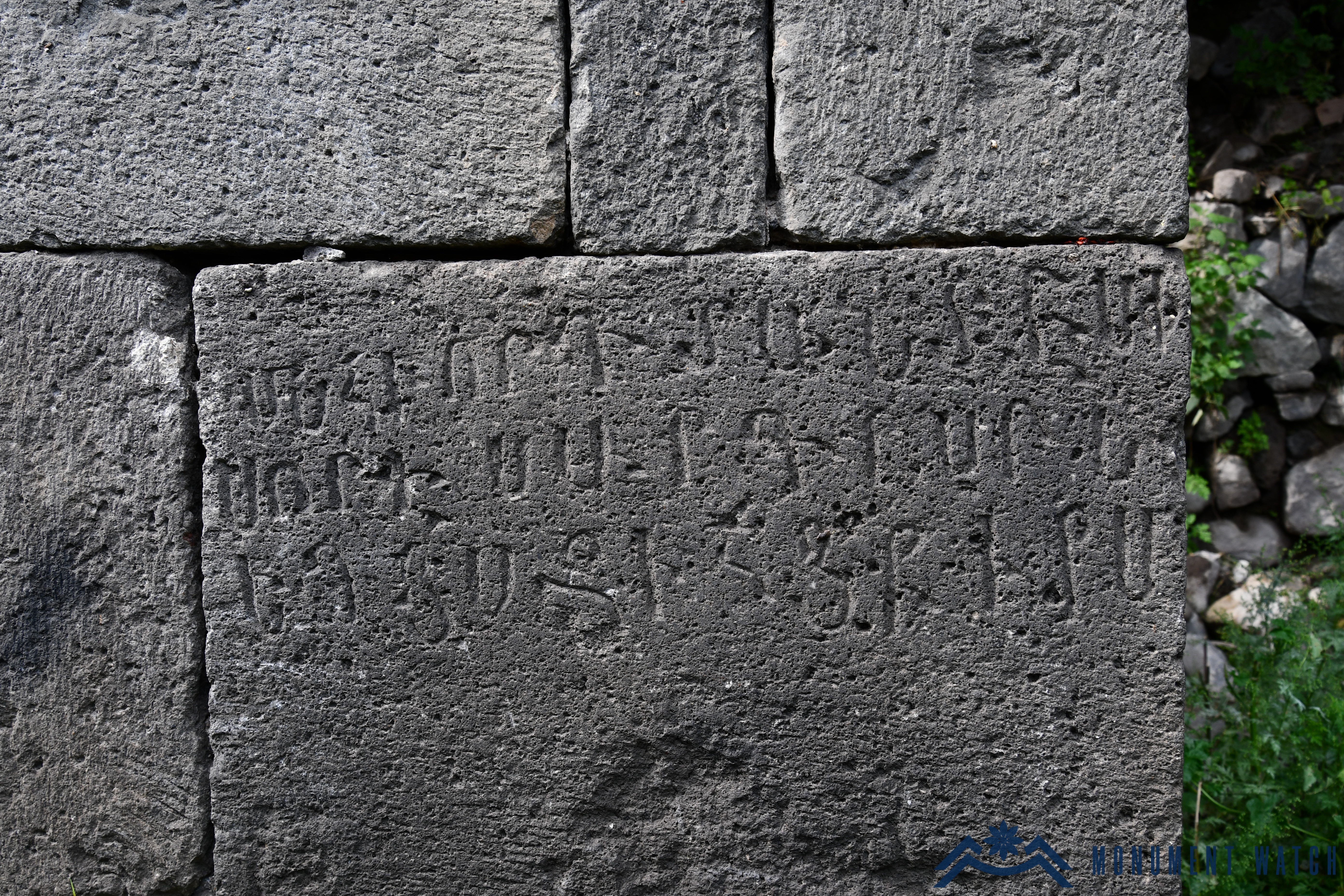
Fig. 2. The three-line inscription on the northern column. Photo: Monumentwatch group.
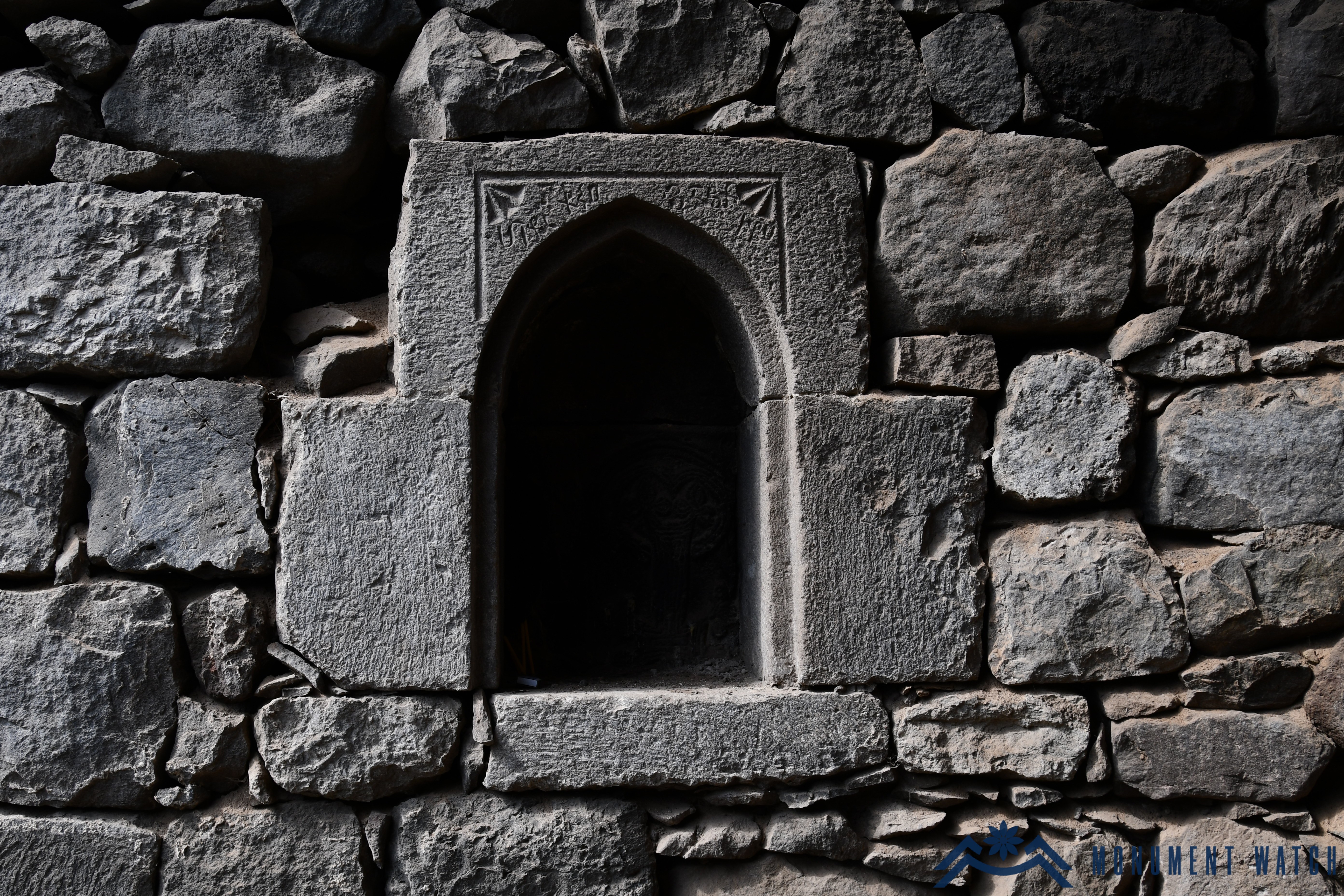
Fig. 3. The niche of the baptismal font and the inscription. Photo: Monumentwatch group.
Architectural-Compositional Examination
Khoznavar’s Surb Minas, or Surb Stepanos Nakhavka Church, is a vaulted three-aisled basilica built of locally quarried, roughly hewn grey stone. The corner sections, columns, arches, and the frames of the entrances, windows, and niches are constructed of finely dressed stone. Oriented west to east, the structure has on its eastern side a sanctuary with an arched apse, on which the holy altar is preserved. On either side of the sanctuary are rectangular sacristies. The vault was carried by four massive columns, connected to each other and to the walls by arches (Fig. 4).
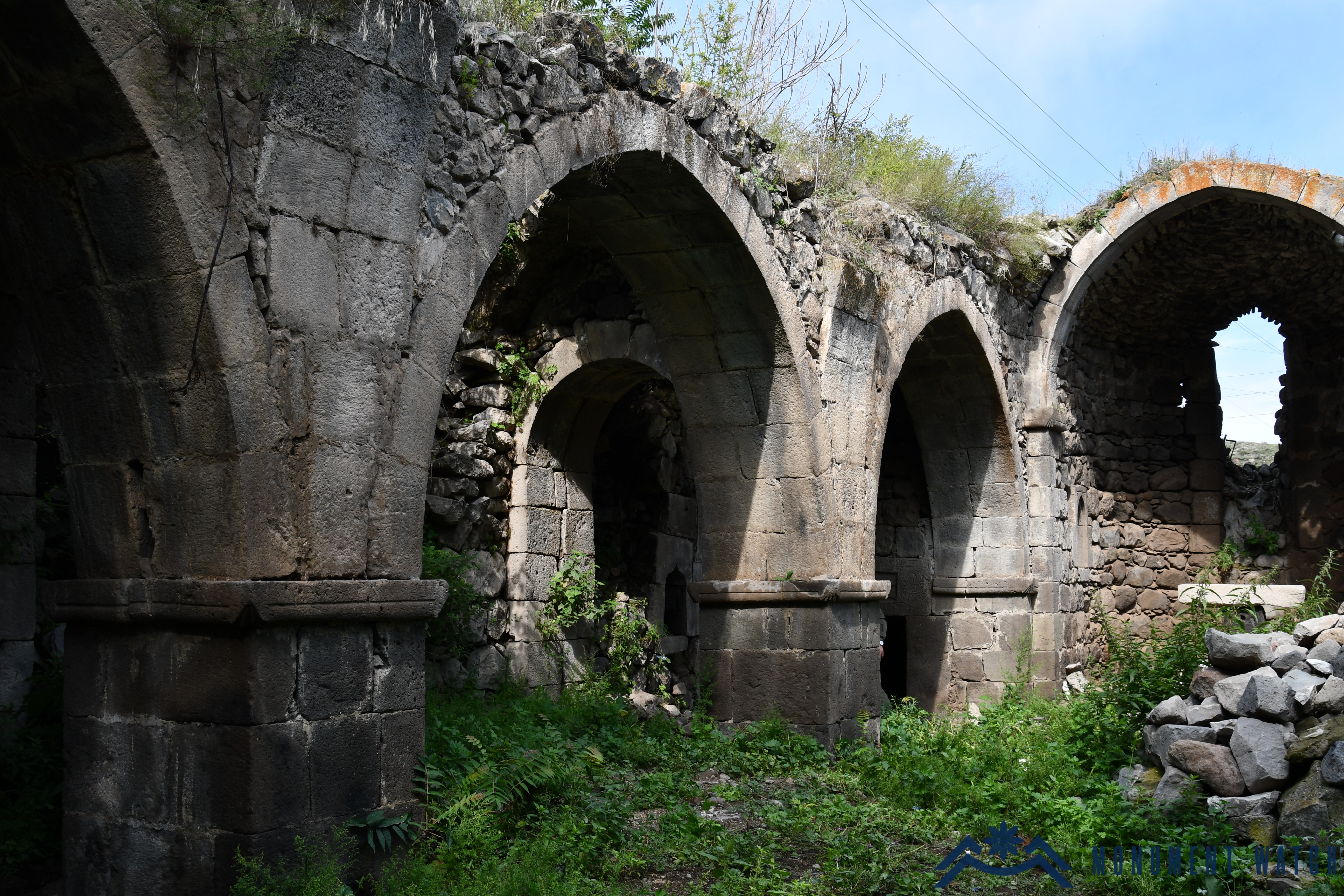
Fig. 4. The interior of the structure. Photo: Monumentwatch group.
Numerous khachkars, tombstones, and their fragments have been reused in the walls, some of them bearing inscriptions. Two complete contemporary khachkars are set above the entrances to the sacristies. The khachkar above the entrance to the northern sacristy is inscribed. The upper part of its inscription is incomplete because the projecting cornice, on which the beginning of the inscription was probably written, has been cut away. In the lower part of the khachkar, on either side of the rosette, the date 1568 is preserved (Khurshudyan 2024, 96; Fig. 5).
The church was damaged by the earthquakes of 1931 and 1968, as well as by the major flood of 1974 (Khurshudyan 2024, 94). It is now partially collapsed, and the standing parts are also under threat of collapse.
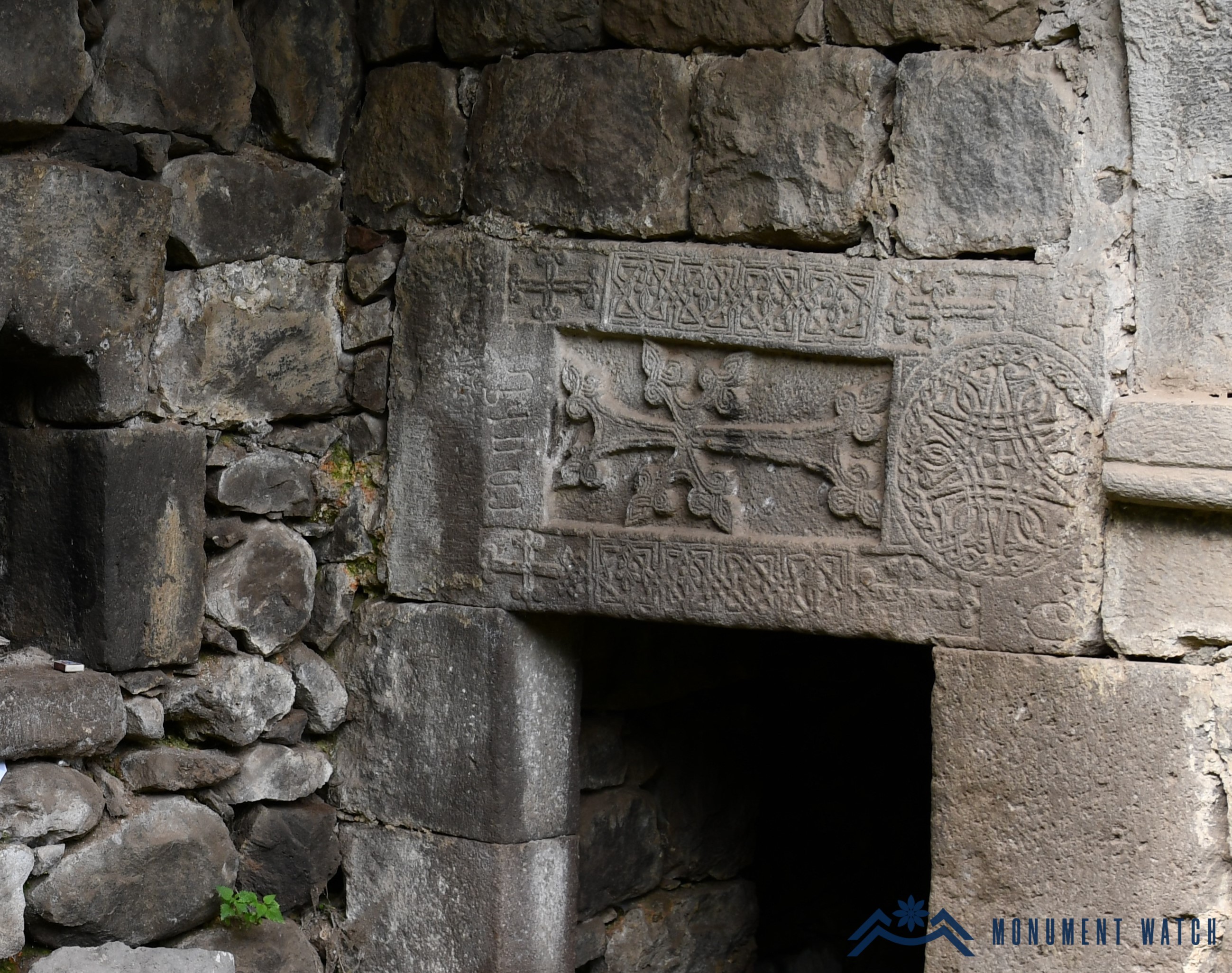
Fig. 5. The entrance to the northern sacristy and the inscribed khachkar. Photo: Monumentwatch group.
Bibliographic examination
The inscriptions on Khoznavar’s Surb Minas Church and on the khachkars and fragments of tombstones in the surrounding area were published by the epigraphist S. Khurshudyan in his article “The Monuments of Khoznavar” (Khurshudyan 2024).
The Condition after the 2020–2022 Azerbaijani aggression
Following the 44-day Artsakh war and the subsequent border changes, Khoznavar’s Surb Minas Church came to lie 1.27 km from the border.
Bibliography
- Margaryan 1992 - Margaryan Al., “Toponymic Interpretations,” Historical-Philological Journal, no. 1, pp. 133–139.
- Colophons of 15th-Century Armenian Manuscripts 1967 — Colophons of 15th-Century Armenian Manuscripts, part 3, compiled by L. Khachikyan, Yerevan.
- Khanzadyan 1980 - Khanzadyan S., Hayrenapatum, vol. 1, Yerevan.
- Khurshudyan 2024 - Khurshudyan S., “The Monuments of Khoznavar,” Sion, no. 96, Jerusalem.