


The “Mandur” Church of Mehmana Village
Location
The monument is located 1.4 km north-east of the village of Mehmana in the Martakert Region of Artsakh, on a forested hill (Fig. 1). According to S. Barkhudaryan, it lies approximately three kilometers from the village (Corpus Inscriptionum Armenicarum 5, 92). Since 2023, the site has been occupied by Azerbaijan.
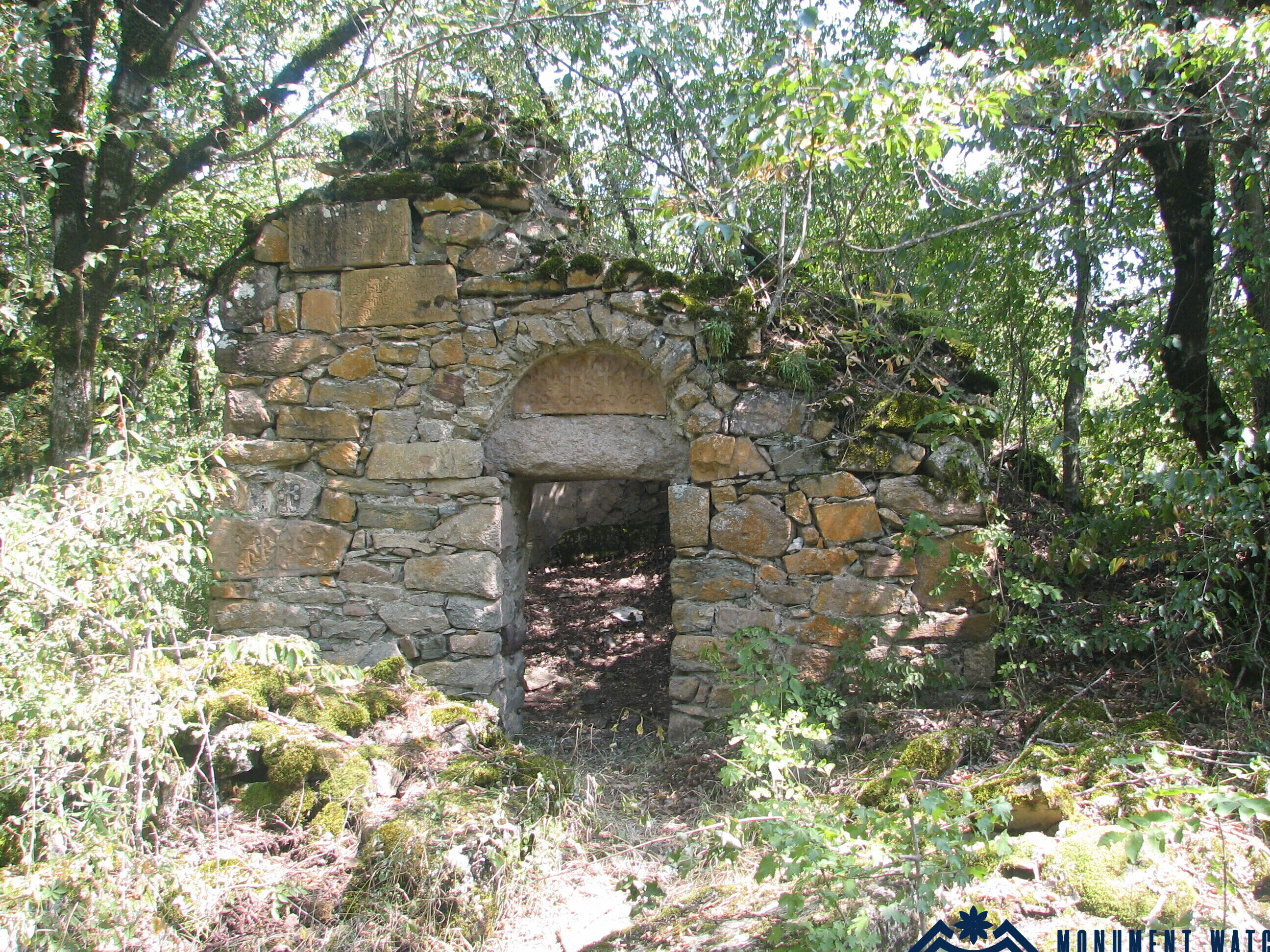
Նկ. 1 Եկեղեցու տեսքը արևմուտքից, լուս․` Գ․ Սարգսյանի։
Historical overview
The list of immovable historical and cultural monuments of Mehmana village and its surroundings includes 28 monuments, among them the “Mandur” or Surb Astvatsatsin Church, dated to the 13th century (for details, see List of Immovable Historical and Cultural Monuments of Artsakh). The local Greek population referred to the church as “Panagia,” meaning the Holy Mother of God.
No precise historical information about the monument has been preserved in written sources. Mehmana’s Surb Astvatsatsin Church is mentioned in the works of Sh. Mkrtchyan and V. Balayan (Mkrtchyan 1989, 52; Balayan 2020, 338). The monument was first studied by S. Barkhudaryan in the 1960s (Corpus Inscriptionum Armenicarum 5, 92–93).
Architectural and compositional description
The monument occupies an area of approximately 0.4 ha and consists of the church, adjoining ruined structures, and a cemetery. The church is a single-nave vaulted hall with an eastern semicircular apse. It is built of local roughly hewn and undressed limestone and sandstone bonded with lime mortar. The structure measures 4.1 m in length, 2.55 m in width, and 3–4 m in height. Khachkars were also reused in the masonry of the walls.
The roof has completely collapsed. The interior of the church was once plastered, traces of which have survived mainly on the walls of the apse (Fig. 2). The sole entrance opens in the western façade (Fig. 3).
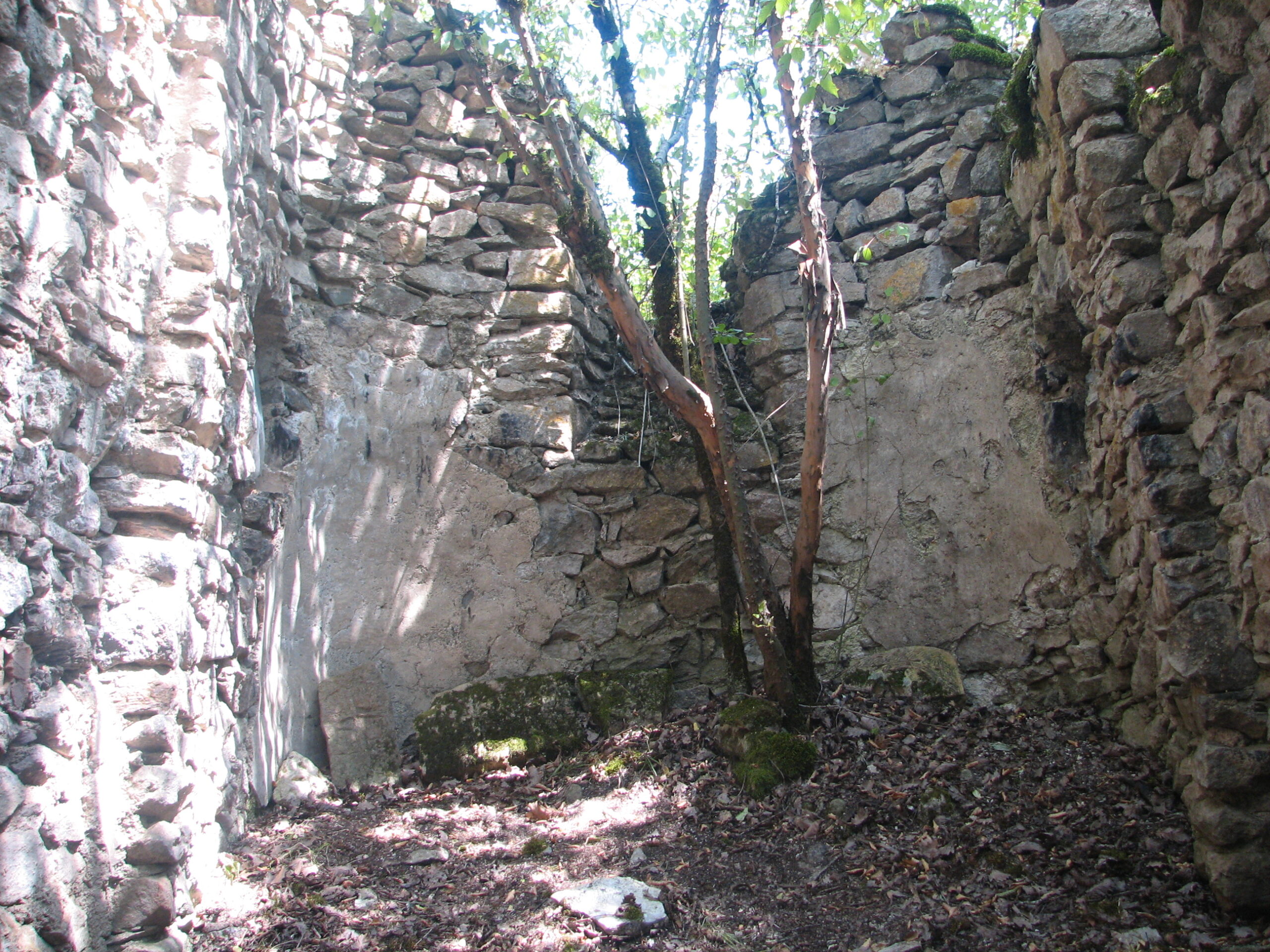
Նկ. 2 Եկեղեցու կիսաշրջանաձև բեմի մնացորդները, լուս․` Գ․ Սարգսյանի:
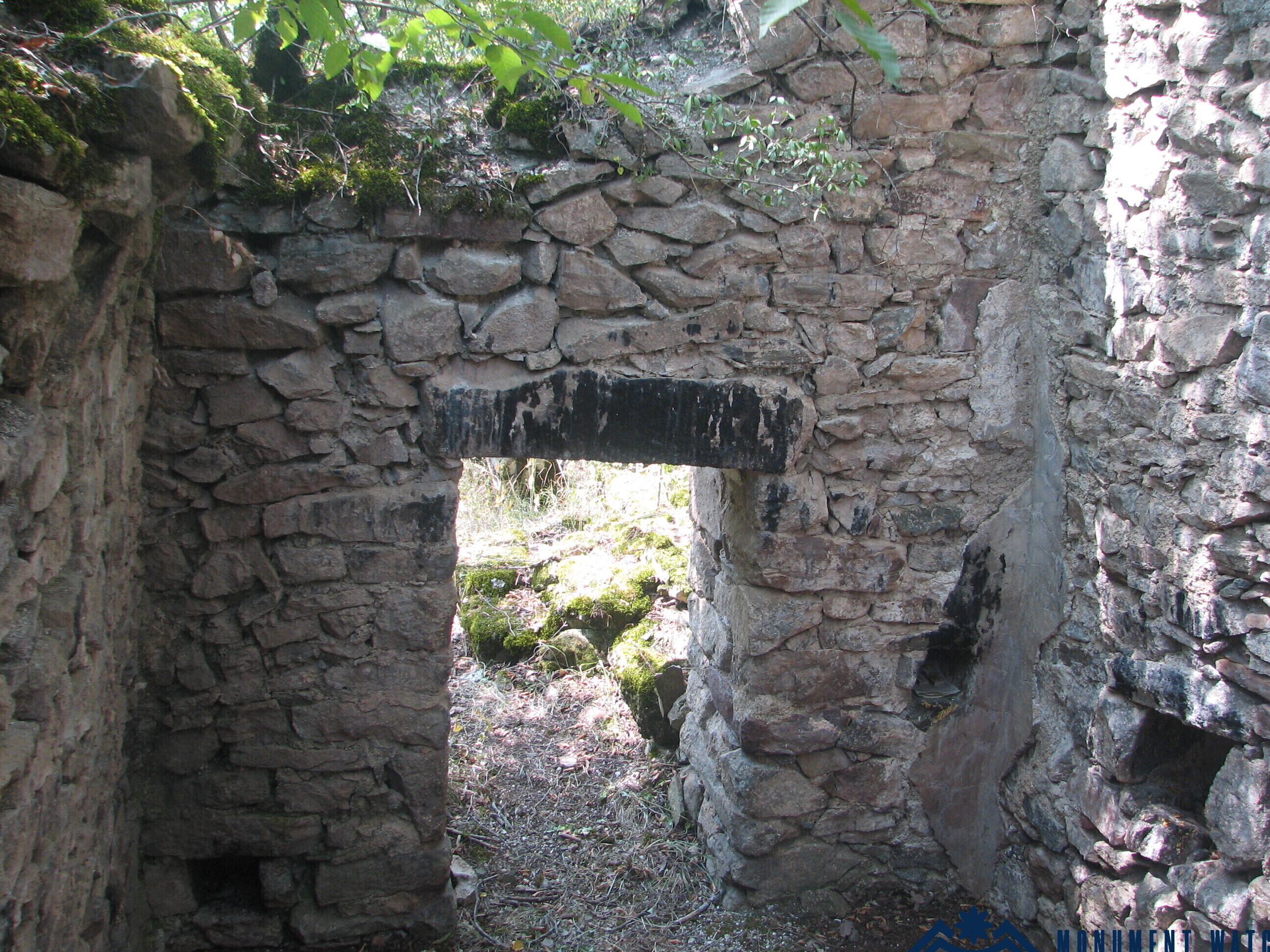
Նկ. 3 Եկեղեցու մուտքը արևելքից, լուս․` Գ․ Սարգսյանի:
Its upper part is framed by an architrave and a lintel decorated with a carved cross. The window opening in the eastern wall is also partially preserved (Fig. 4). Inside, four small niches are arranged in the corners, and three khachkars characteristic of the 13th century are also preserved (Fig. 5). The courtyard contains foundation walls of ruined structures and uninscribed tombstones (Fig. 6; Corpus Inscriptionum Armenicarum 5, 92; certificate of the Ministry of Science, Education, Culture and Sports of the Republic of Artsakh).
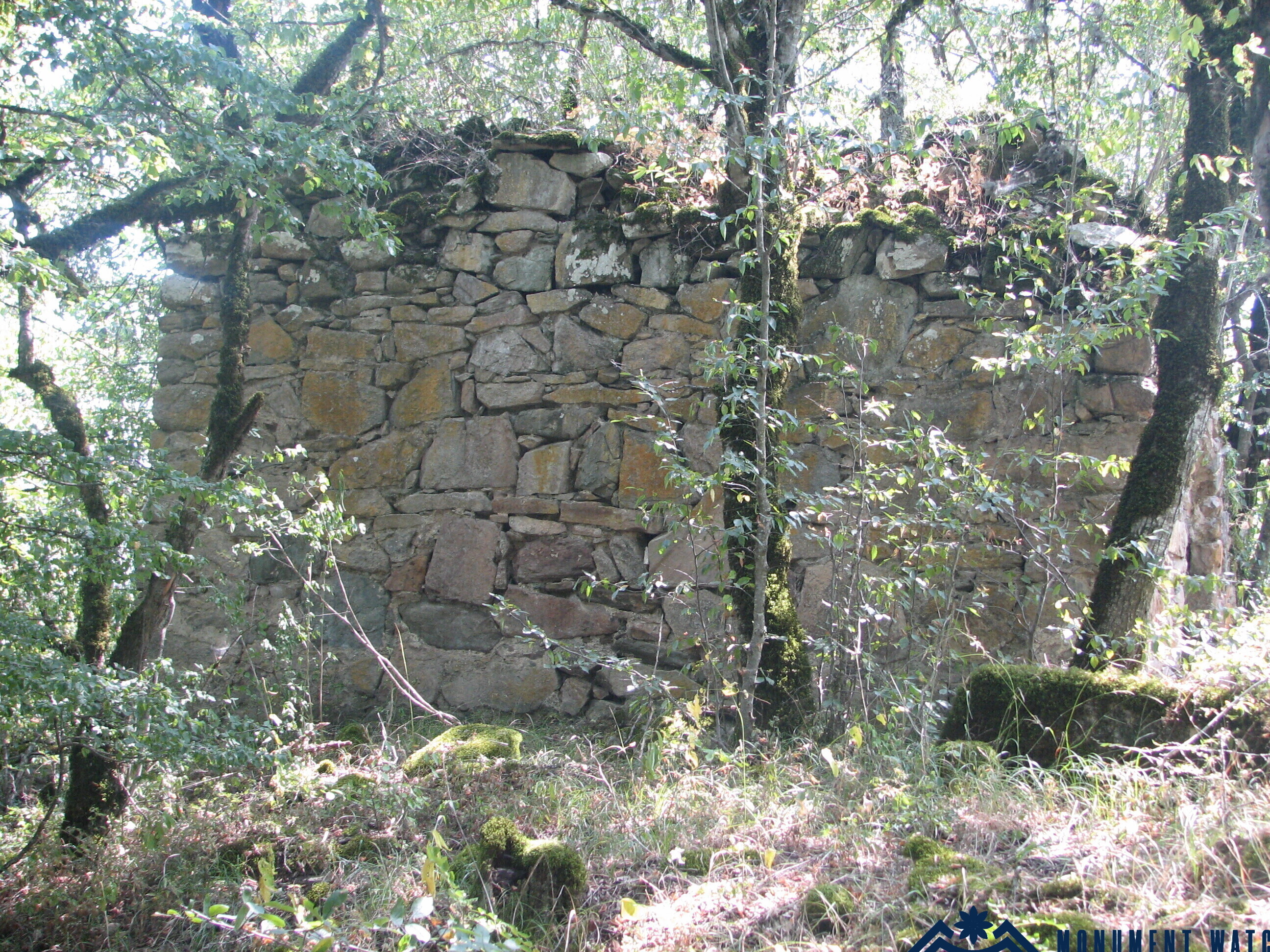
Նկ. 4 Եկեղեցու արևելյան պատը դրսից, լուս․` Գ․ Սարգսյանի։
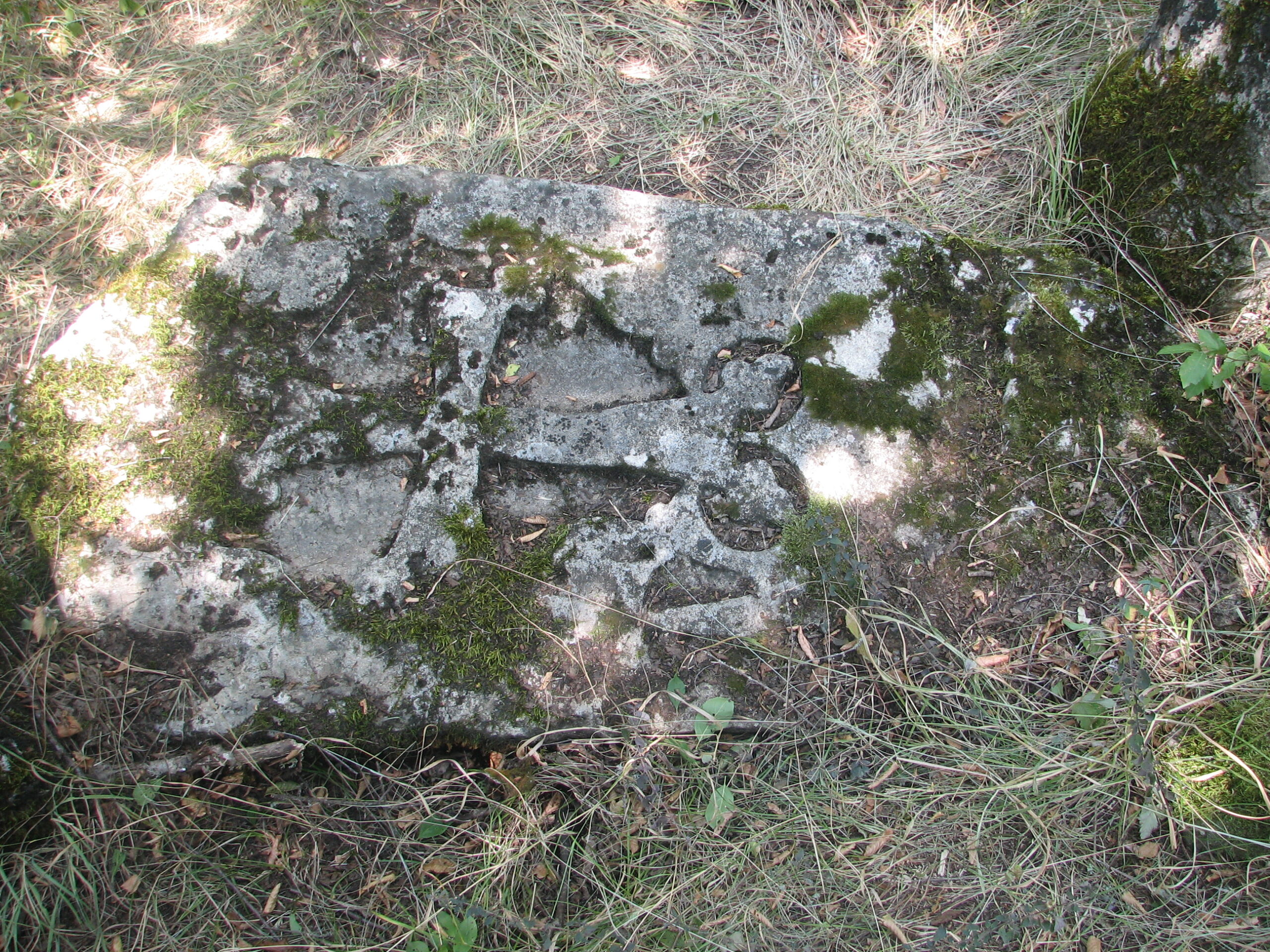
Նկ. 5 13-րդ դարի խաչքար, լուս․` Գ․ Սարգսյանի։
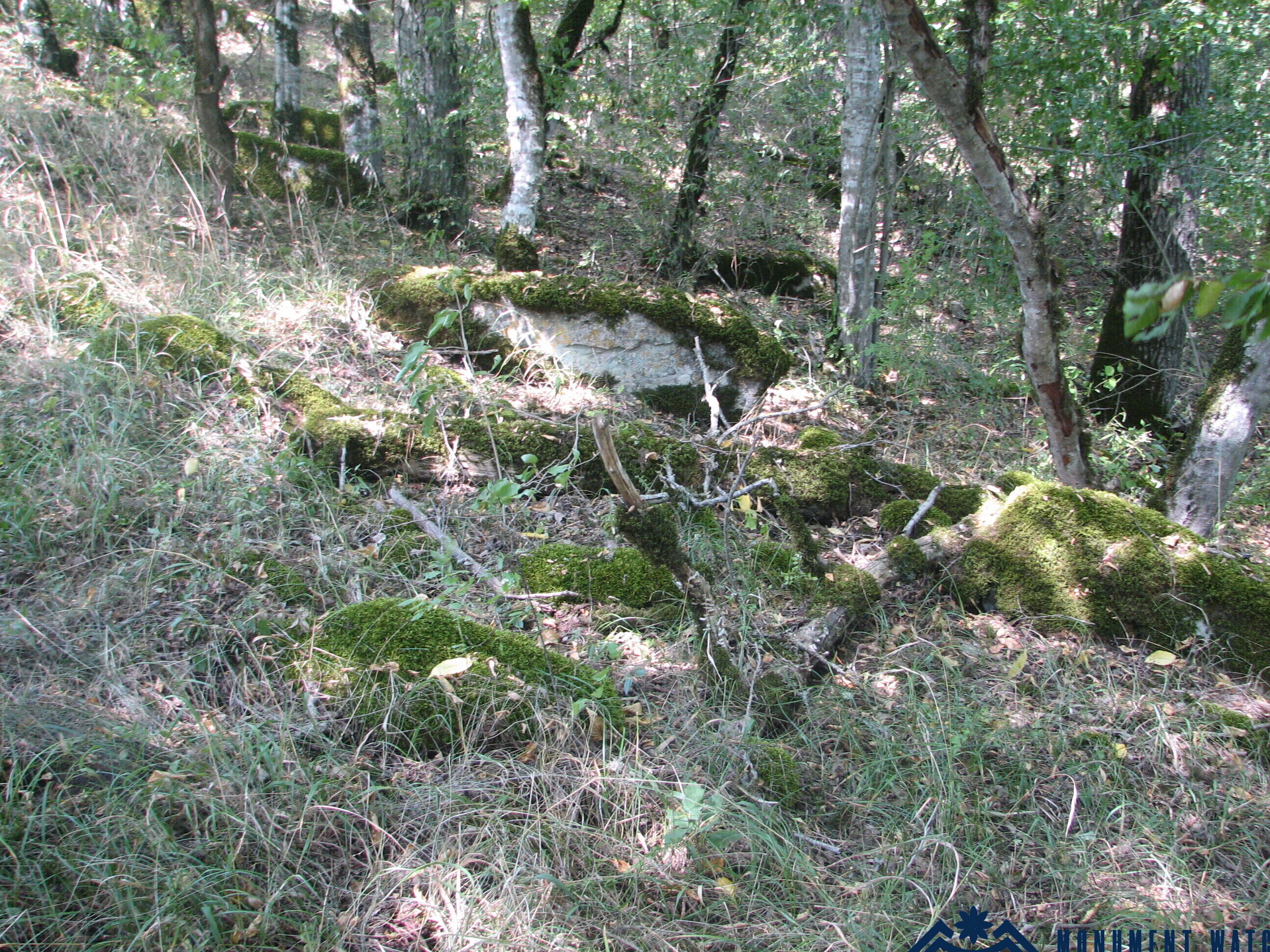
Նկ. 6 Եկեղեցու բակում պահպանված ավերակների հիմնապատեր և տապանաքարեր, լուս․` Գ․ Սարգսյանի։
Two important inscriptions are carved on two finely dressed stones embedded in the upper part of the western façade and on the northern side of a khachkar located in the cemetery. Both were published by Sedrak Barkhudaryan (Corpus Inscriptionum Armenicarum 5, 92–93).
The first inscription reads:
“In the year 1249, in the time of the Tatars, during the rule of the great peacemaker Avag, under the lordship of Grigor, I, Ter Nerses, together with Hakob and Pakhchan, built this church as a memorial to us and to our parents. Whoever has labored [on it], may God have mercy [on him].” (Fig. 7)
It should be noted that the certificate of the Ministry of Science, Education, Culture and Sports of the Republic of Artsakh gives 1229 as the date of construction of the church.
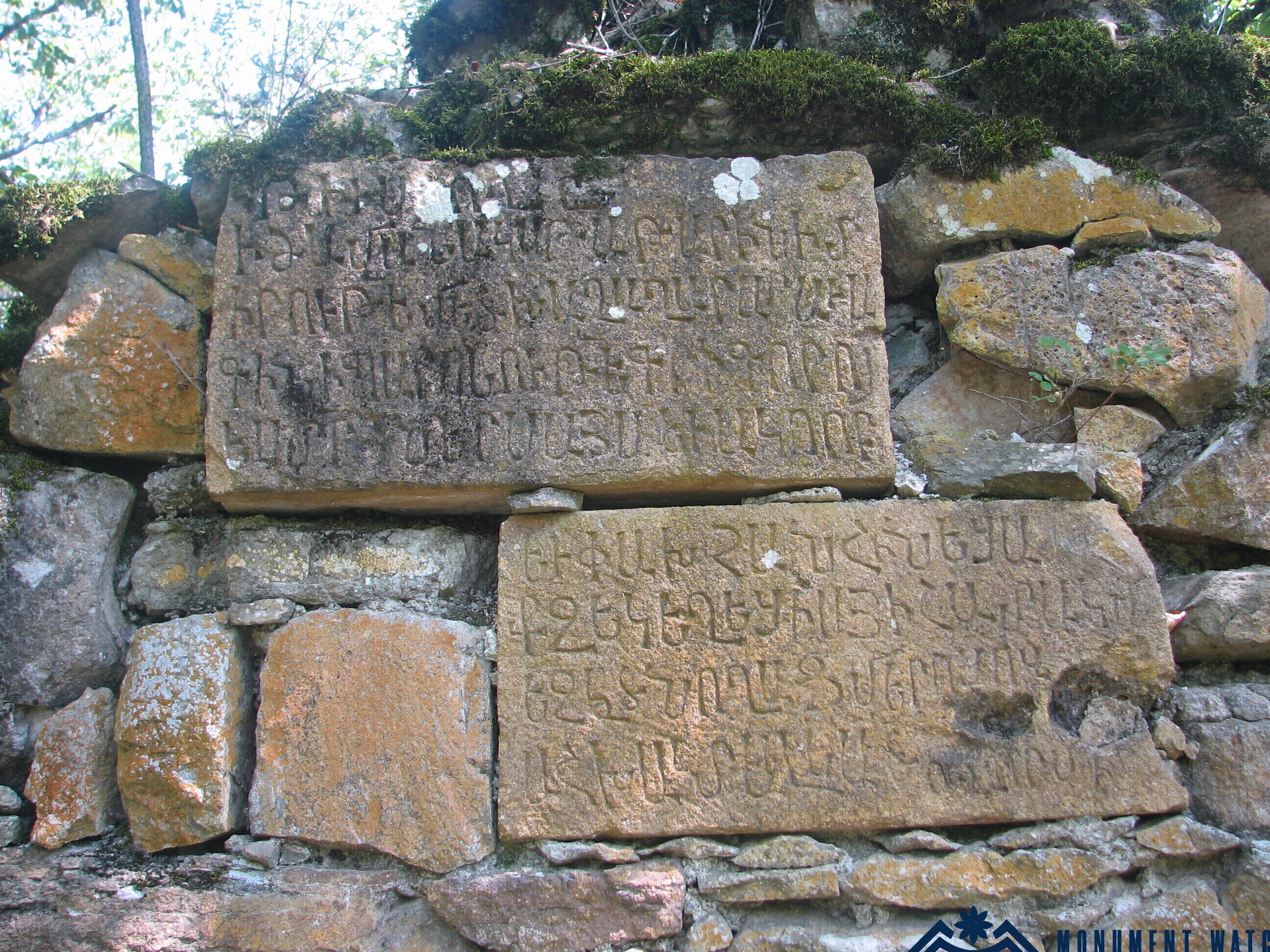
Նկ. 7 Եկեղեցու արևմտյան պատի արձանագրությունը, լուս․` Գ․ Սարգսյանի։
On the basis of primary sources, it is possible to identify the individuals mentioned in the inscription. According to Kirakos Gandzaketsi, when the Mongols were destroying the fortresses of Armenia and either massacring or taking the unarmed population into captivity, Armenian princes sought a way out of the situation by submitting to the conquerors. The first example of such submission was set by Avag, son of the commander Ivane. Avag sent Grigor, the steward of his household, as an envoy to Chormaghan, who was encamped near Lake Sevan, and later personally appeared before the Mongol commander. Chormaghan received Grigor favorably and ordered his troops not to raid Avag’s domains (Kirakos 1982, 250–251; Ulubabyan 1975, 187). This provides the historical context for the wording of the inscription, “…the great peacemaker Avag…”. Avag’s characterization as a “great peacemaker” reflects his intermediary role, through which a degree of relative security could be ensured for certain Armenian principalities and ecclesiastical institutions.
As for the phrase “…under the lordship of Grigor,” it most likely refers to Grigor, prince of Tsar, son of Dop and Hasan, who “together with Avag, Hasan-Jalal, and other Armenian princes participated in the Tatar-Mongol campaign…” (Ulubabyan 1975, 190; Petrosyan, Kirakosyan, Safaryan 2009, 13–14).
A khachkar monument is also preserved in the church courtyard (Fig. 8). It is carved from brown limestone and measures 147 cm in height, 40 cm in width, and 40 cm in thickness.
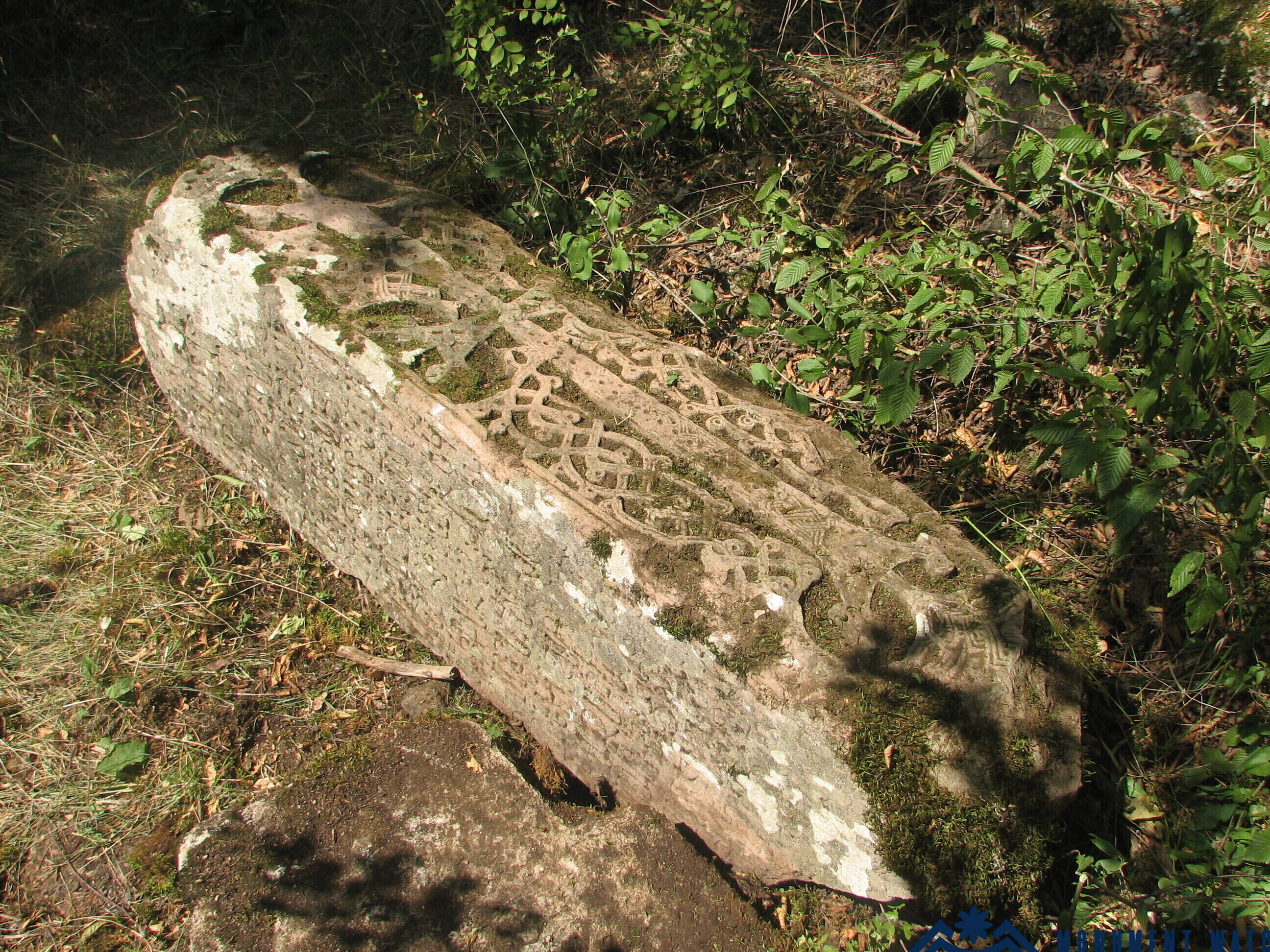
Նկ. 8 Խաչքար-կոթողը, լուս․` Գ․Սարգսյանի։
The monument is distinguished by finely executed interlaced ornamentation and by a remarkable 18-line inscription of exceptional value, unique in the region (Fig. 9). It reads:
“In the year 1250, in the time of the Tatars, [under] the commanders Chormaghan and Chagatai, I, Ter Nerses, of the lineages of the Paytkanakans and Maremans, built these churches, the Catholicosate and the masroy, and erected this cross as an intercessor before God in these difficult times. I, Avag, with good intentions … bishop …” (Corpus Inscriptionum Armenicarum 5, 62).
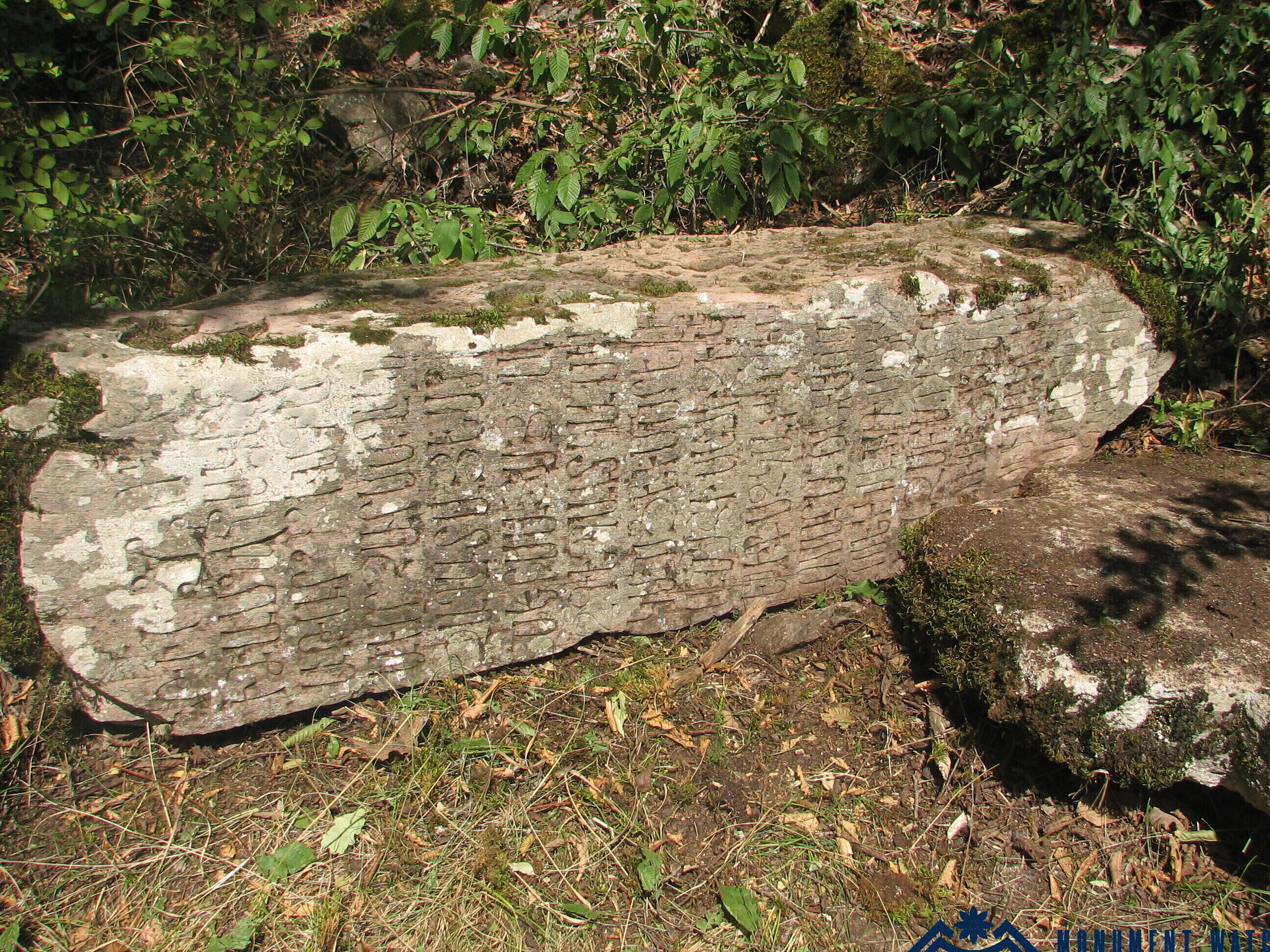
Նկ. 9 Խաչքար-կոթողի տողանոց արձանագրությունը, լուս․` Գ․ Սարգսյանի։
Chormaghan had been appointed by Ögedei, Great Khan of the Mongol Empire, as supreme commander of the western Mongol army operating in Iran and Transcaucasia, serving in this capacity from 1229 to 1241. Chagatai was one of Chormaghan’s principal military commanders (Galstyan 1977, 170–172). In light of these historical circumstances, the date given in the inscription is, at the very least, questionable. The meaning of the expression “masroy” also remains unclear.
The references in the inscriptions to Chormaghan, Chagatai, Avag Zakaryan, and Grigor make it possible to place the monument within the historical context of the Mongol conquests and the new political realities that emerged in the region.
The monument demonstrates that during the first decades of Mongol rule, church construction and religious life did not cease. Despite the difficult political and military circumstances, churches continued to be built, khachkars erected, and ecclesiastical complexes developed, attesting to the vitality of the region’s spiritual and cultural life.
The inscriptions also reflect the relationships that developed between Armenian princely houses and the Mongol administration. The khachkar monument is of exceptional value from both art-historical and source-critical perspectives. Its inscription provides rare information concerning the construction of the church, the Catholicosate, and other structures, as well as the individuals who initiated and commissioned them.
Overall, the monument constitutes one of the most important documentary complexes for the history of mid-13th-century Artsakh. Its inscriptions not only help clarify the date of the church’s construction and the circumstances surrounding the creation of its monuments, but also reflect the political adaptation of Armenian society to the conditions of Mongol rule. In this respect, the monument is of exceptional importance for the study of the history of medieval Armenia and the broader Near East.
Condition before and after the war
There is currently no reliable information regarding the present condition of the monument.
Bibliography
- List of Immovable Historical and Cultural Monuments of Artsakh - https://hy.wikipedia.org/wiki/։
- Certificate of the Ministry of Science, Education, Culture and Sports of the Republic of Artsakh.
- Gandzaketsi 1982 - Kirakos Gandzaketsi, History of the Armenians, modern Armenian translation, introduction and notes by V. Arakelyan, Yerevan.
- Corpus Inscriptionum Armenicarum 5, 1982 - Corpus Inscriptionum Armenicarum, vol. 5, Artsakh, compiled by S. Barkhudaryan, Publishing House of the Academy of Sciences of the Armenian SSR, Yerevan.
- Petrosyan, Kirakosyan, Safaryan 2009 - Petrosyan H., Kirakosyan L., Safaryan V., Handaberd Monastery and Its Excavations, Yerevan.
- Ulubabyan 1975 - Ulubabyan B., The Principality of Khachen in the 10th–16th Centuries, Yerevan.
- Galstyan 1977 - Galstyan A., “The Conquest of Armenia by the Mongol Armies,” in The Tatar-Mongols in Asia and Europe: Collection of Articles, Moscow.
The “Mandur” Church of Mehmana Village
Artsakh