


The “Azokh Cave” Nature Reserve
History
The “Azokh Cave” nature reserve was located in the southeastern part of the Republic of Artsakh, within the territory of the village of Azokh, Hadrut region.
The reserve was established in 2014. Its purpose was to ensure the protection of the historical-archaeological monument and the area's natural environment, as well as to facilitate the study of cultural values and their targeted use. However, the organisation of exhibition activities in the cave was not completed. The work remained unfinished due to the 44-day war of 2020. Meanwhile, archaeological finds recovered during excavations in the cave had been moved to the village school, with the intention of transferring them to a building designated for a museum. Because of the war, those boxes—20 in total—remained on site and subsequently came under Azerbaijani control.
Collection
The reserve had not yet managed to set up its exhibition spaces. Preparatory work continued until the 44-day war. It was planned to display materials discovered during the second phase of excavations.
The excavations at Azokh can be conditionally divided into two phases.
The first phase of archaeological research
Excavations at the leading and largest entrance began in 1960 under the direction of the Azerbaijani archaeologist M. Huseynov, who oversaw the work at the site until 1980 (Гусейнов 1971, 477). During the first phase, a fragment of an ancient human lower jaw was discovered. It corresponds to a transitional period between the eras of Homo erectus and Neanderthals, which is now generally considered the era of Homo heidelbergensis (Fernandez-Jalvo, King, Yepiskoposyan, Andrews 2016, 12).
A considerable amount of information was lost during this phase, since the excavations were not systematic and did not follow an interdisciplinary approach.
Damage to the cave was also caused by the methods and tools the expedition used for research. During the second phase, specialists documented that blasting had previously been carried out in certain sections of the cave. This is indicated not only by eyewitness accounts, but also by specific cut marks on the rock near the cave entrance. According to witnesses, a vacuum perforator was also sometimes used during excavation. This has left irreversible traces on the monument. It cannot be ruled out that the fragment of the human mandible found here was also damaged as a result of the use of such equipment.
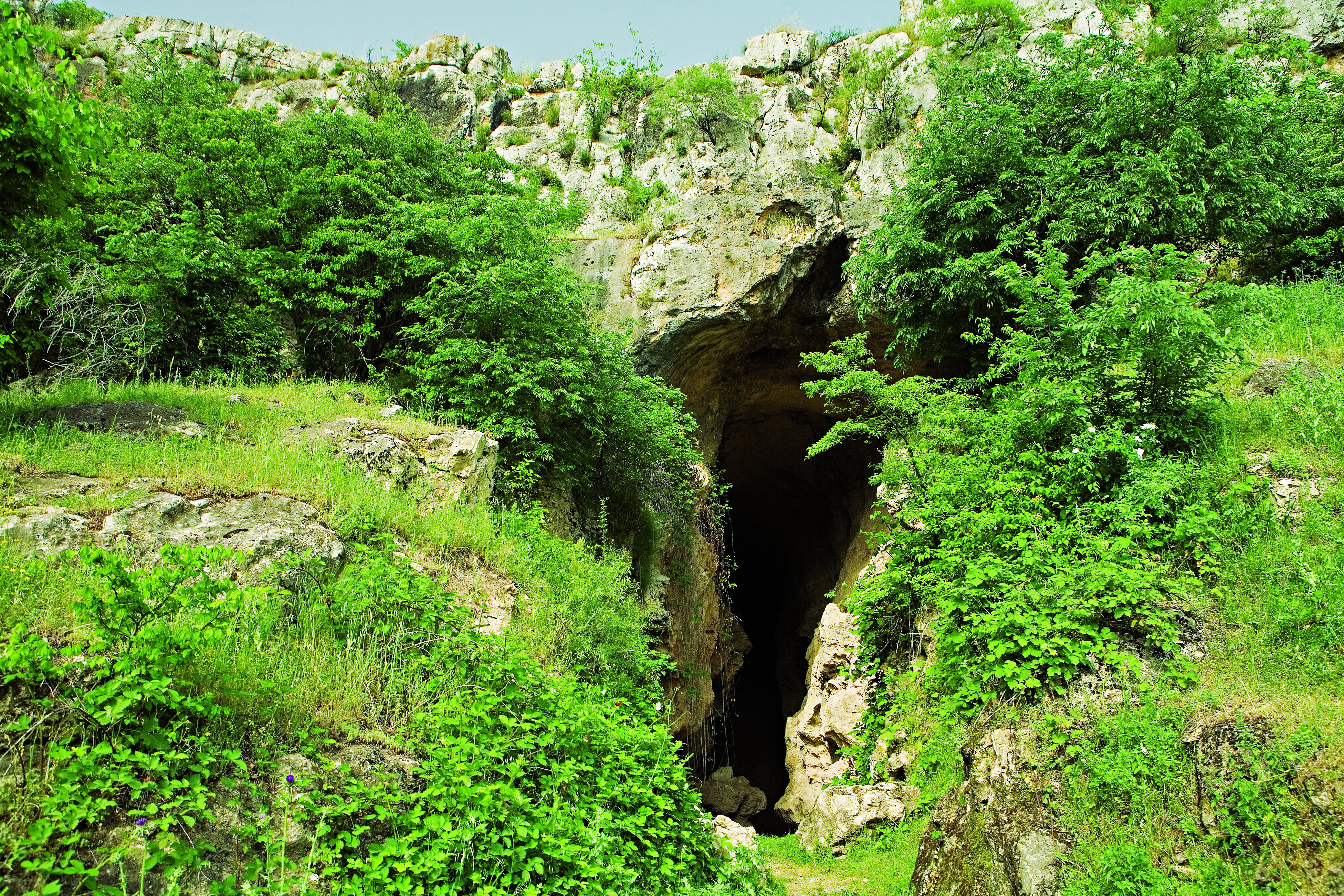
Fig. 1. The entrance to the cae. Photo source: the repository of the Ministry of Education, Science, Culture and Sports of Artsakh.
The second phase of excavations
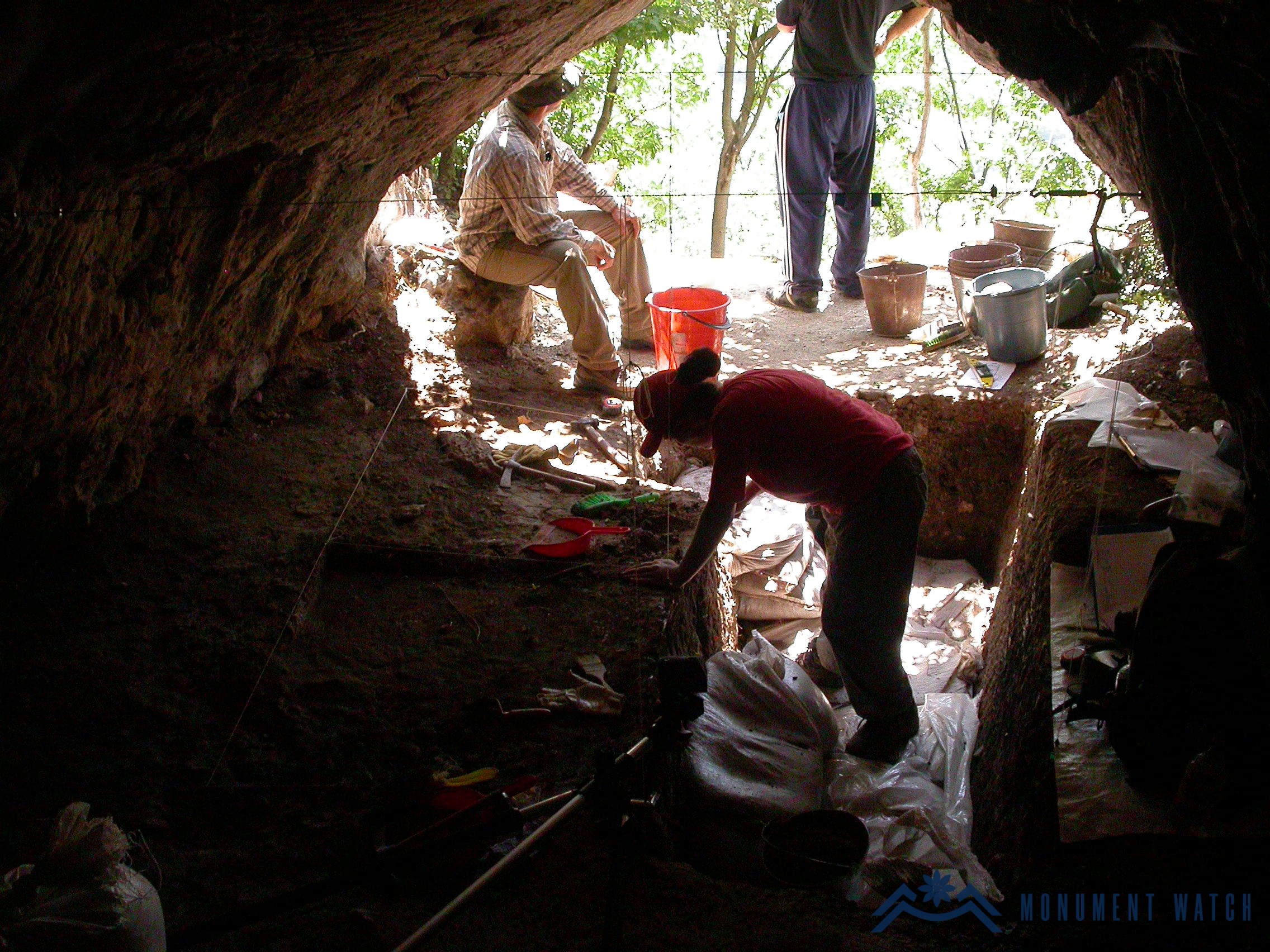
Beginning in 2002, at the initiative of the Ministry of Culture of the Republic of Artsakh, the Azokh International Expedition conducted research at the site. The 2002–2009 fieldwork involved 35 specialists from eight countries, including Armenia, the United Kingdom, Spain, Ireland, France, Germany, Australia, and South Africa (Figs. 2–5).
Modern, systematic excavation methods were applied in the expedition’s work, including: three-dimensional recording of finds to secure data on their spatial and chronological distribution; screening of sediment layers to recover small mammals; detailed geological work aimed at studying the cave’s stratigraphy; and radiometric dating of the stratigraphic sequence (Fernandez-Jalvo, King, Yepiskoposyan, Andrews 2016, 10–20).
The new phase of excavations revealed a long and nearly continuous stratigraphic sequence spanning the Pleistocene through the Holocene. In addition, evidence indicates that three human species inhabited the cave during these different periods: Homo heidelbergensis, Homo neanderthalensis, and Homo sapiens (King, T.; Cáceres Cuello de Oro, I.; Murray, J.; Andrews, P.; Hixon Andrews, S.; Domínguez Alonso, P.; Asryan, L.; Sanz Martín, T.; Moloney, N.; Yepiskoposyan, L. 2015, pp. 3–19.).
Beyond its archaeological and paleoanthropological significance, the cave was also known for its fauna—particularly its exceptional bat populations.
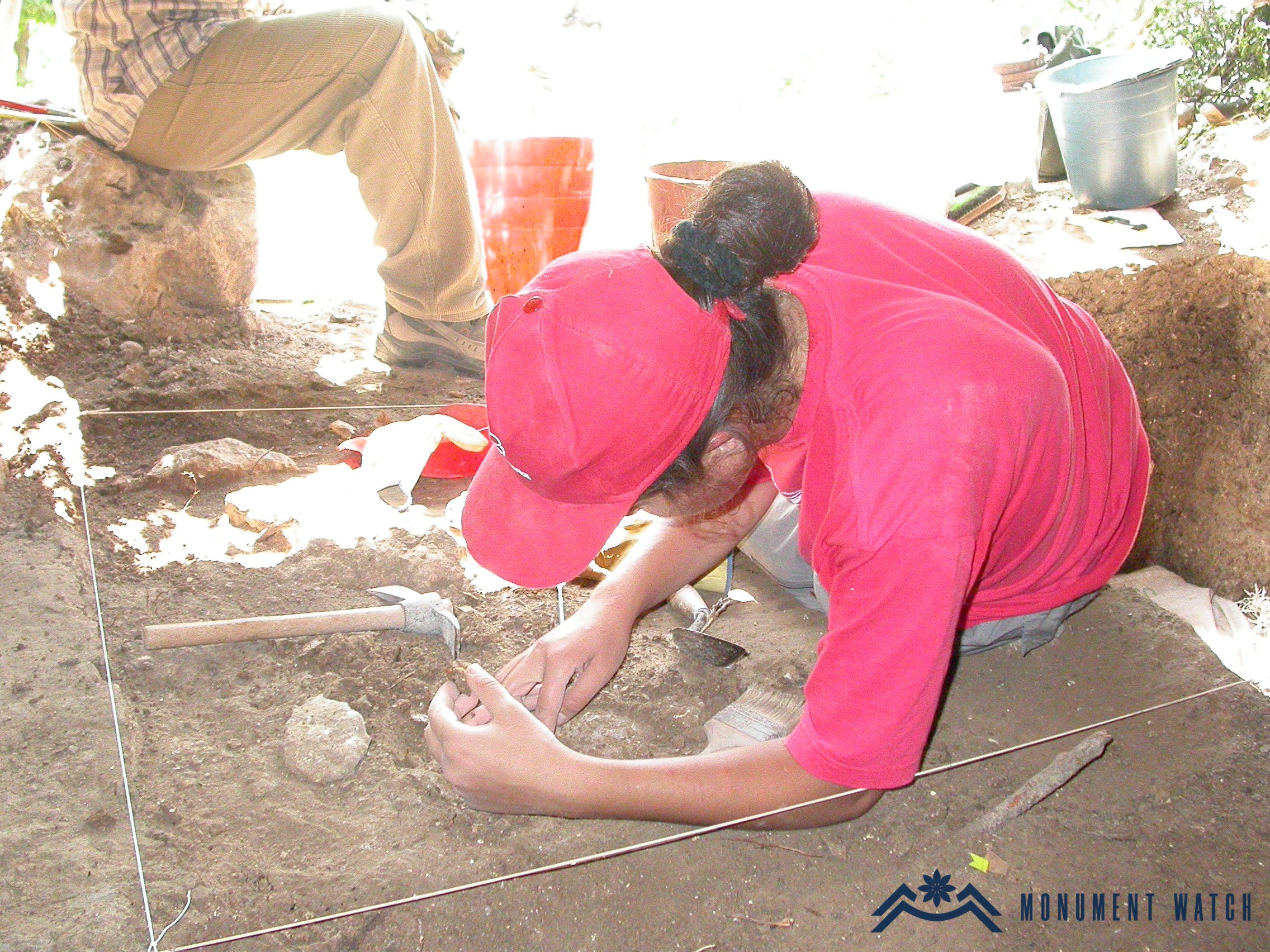
Fig. 2
Fig. 4
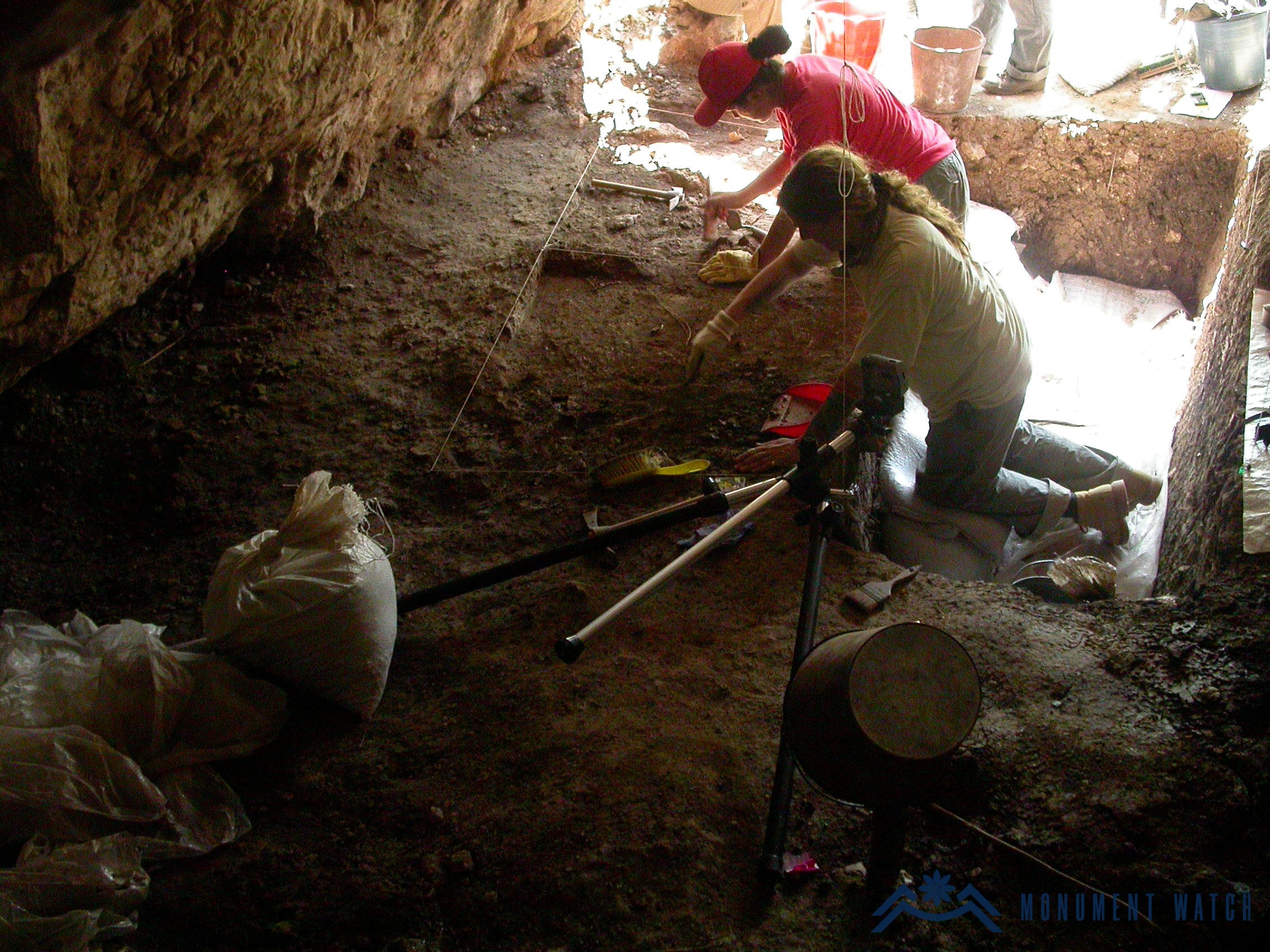
Fig. 3
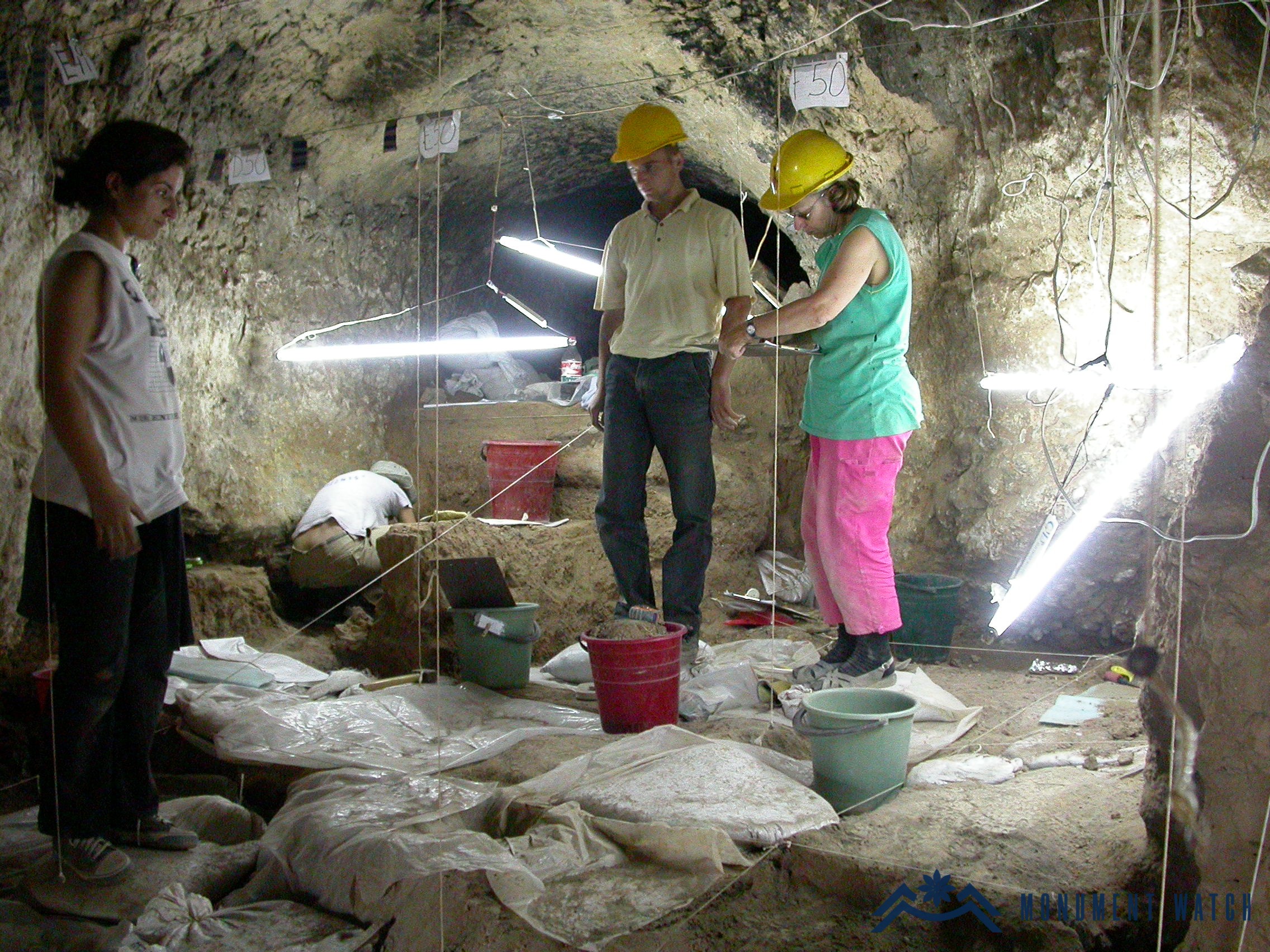
Fig. 5
Activities before the war
In the final years, excavations at the site ceased. It was incorporated into the state reserve of Azokh Cave; the entrances were fenced, access was restricted, and the site was protected under state supervision.
The condition after the war
By comparing available information and existing videos, it can be inferred that the monument did not sustain damage during the war. Days after the war, information appeared online stating that approximately 20 boxes had been transported to Baku from the Azokh archaeological site within the village. Those boxes contained the finds for which a museum was planned to be opened within the community. After the war, videos circulated online showing Azerbaijani soldiers freely entering and moving around inside the cave, which harms the unique bat species living there.
The subsequent fate of the monument’s preservation and research remains unknown.
The museum and international legal regulations
As with any cultural property, the international legal framework for the protection of the museum and its collection is formed by the 1954 Hague Convention for the Protection of Cultural Property in the Event of Armed Conflict and its two Protocols (1954 and 1999). Under Article 4 of the 1954 Hague Convention, any act of vandalism, theft, pillage, appropriation, hostility, or reprisals against cultural heritage is prohibited. Under the First Protocol to the 1954 Hague Convention, it is forbidden to destroy cultural or spiritual values in occupied territories. The Second Protocol of 1999 reaffirms this requirement and, under Article 15, qualifies such conduct as an international crime. Acts involving the destruction of cultural property are also prohibited under the four international conventions and protocols of 12 August 1949 (Geneva Conventions) concerning the protection of war victims, the laws and customs of war, as well as relevant UN resolutions and human rights protection treaties.
Bibliography
- Barkhudaryants 1895 - Barkhudaryants, Makar. Artsakh. Baku.
- Mkrtchyan 1985 - Mkrtchyan, Sh. The Historical and Architectural Monuments of Nagorno-Karabakh. Yerevan, Armenia.
- King, Cáceres Cuello de Oro, Murray, Andrews, Hixon Andrews, Domínguez Alonso, Asryan, Sanz Martín, Moloney, Yepiskoposyan 2015 - King, T.; Cáceres Cuello de Oro, I.; Murray, J.; Andrews, P.; Hixon Andrews, S.; Domínguez Alonso, P.; Asryan, L.; Sanz Martín, T.; Moloney, N.; Yepiskoposyan, L. “Main Results of the 2011–2012 Research at Azokh Cave.” In: Archaeological Studies in Artsakh, 2011–2012. Dizak Plus, Stepanakert, pp. 3–19.
- Fernández-Jalvo, King, Yepiskoposyan, Andrews 2016 - Fernández-Jalvo, Y.; King, T.; Yepiskoposyan, L.; Andrews, P. Azokh Cave and the Transcaucasian Corridor. Springer, pp. 1–27.
- Mustafayev 1996 - Mustafayev, A. “Jawbones and Dragon Legends: Azerbaijan’s Prehistoric Azikh Cave.” Azerbaijan International 4: 24–32.
- Guseynov 1971 - Guseynov, M. “Azikh Cave: A Multilayer Acheulean-Period Site in the USSR.” In: Archaeological Discoveries (Археологические открытия), p. 477.