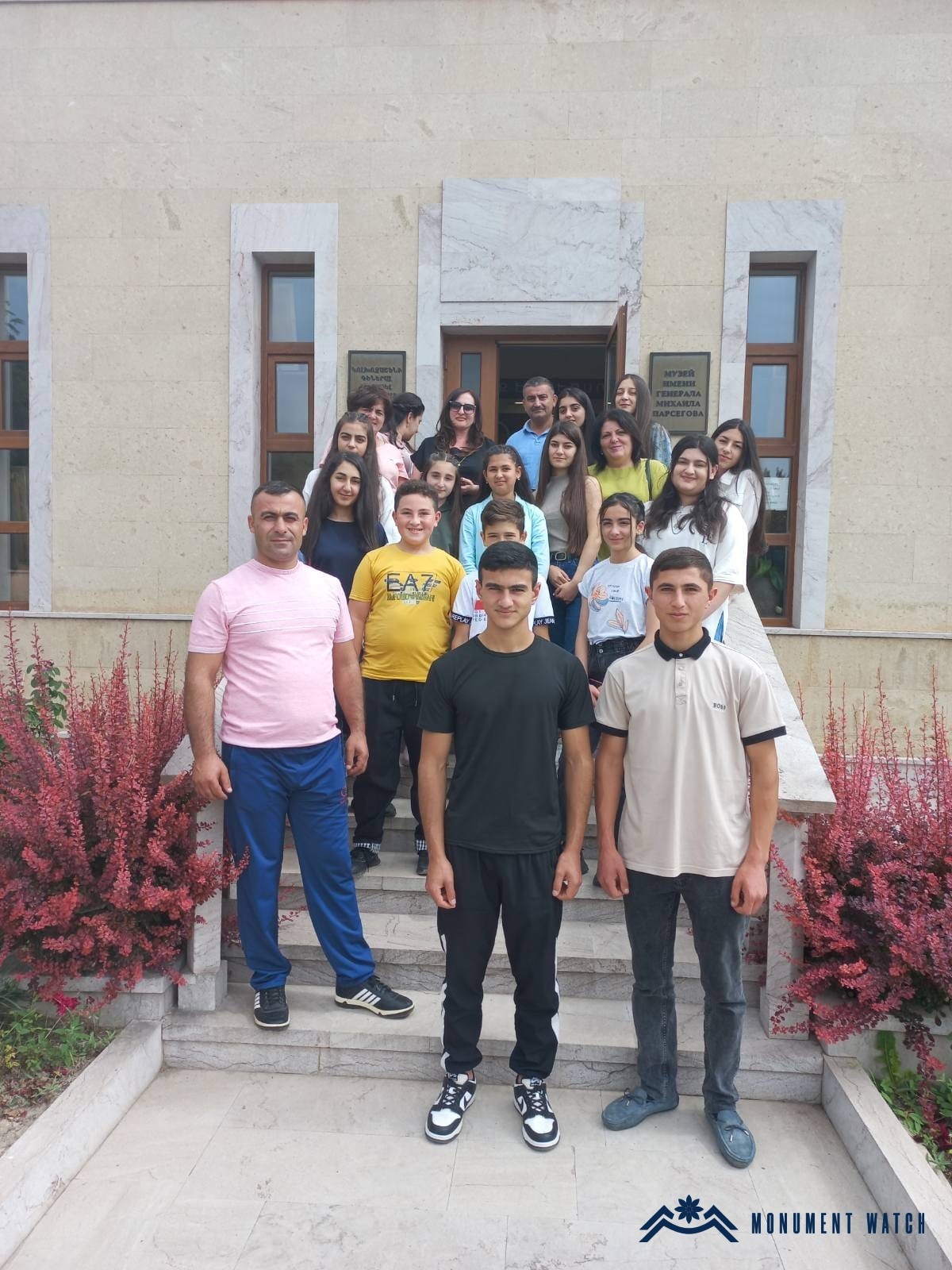
The Branch of the Artsakh State Museum of History and Local Lore: Sub-branch of the Martuni Museum of Local Lore — the “Museum Named after Mikayel Parseghov of Kolkhozashen”
History
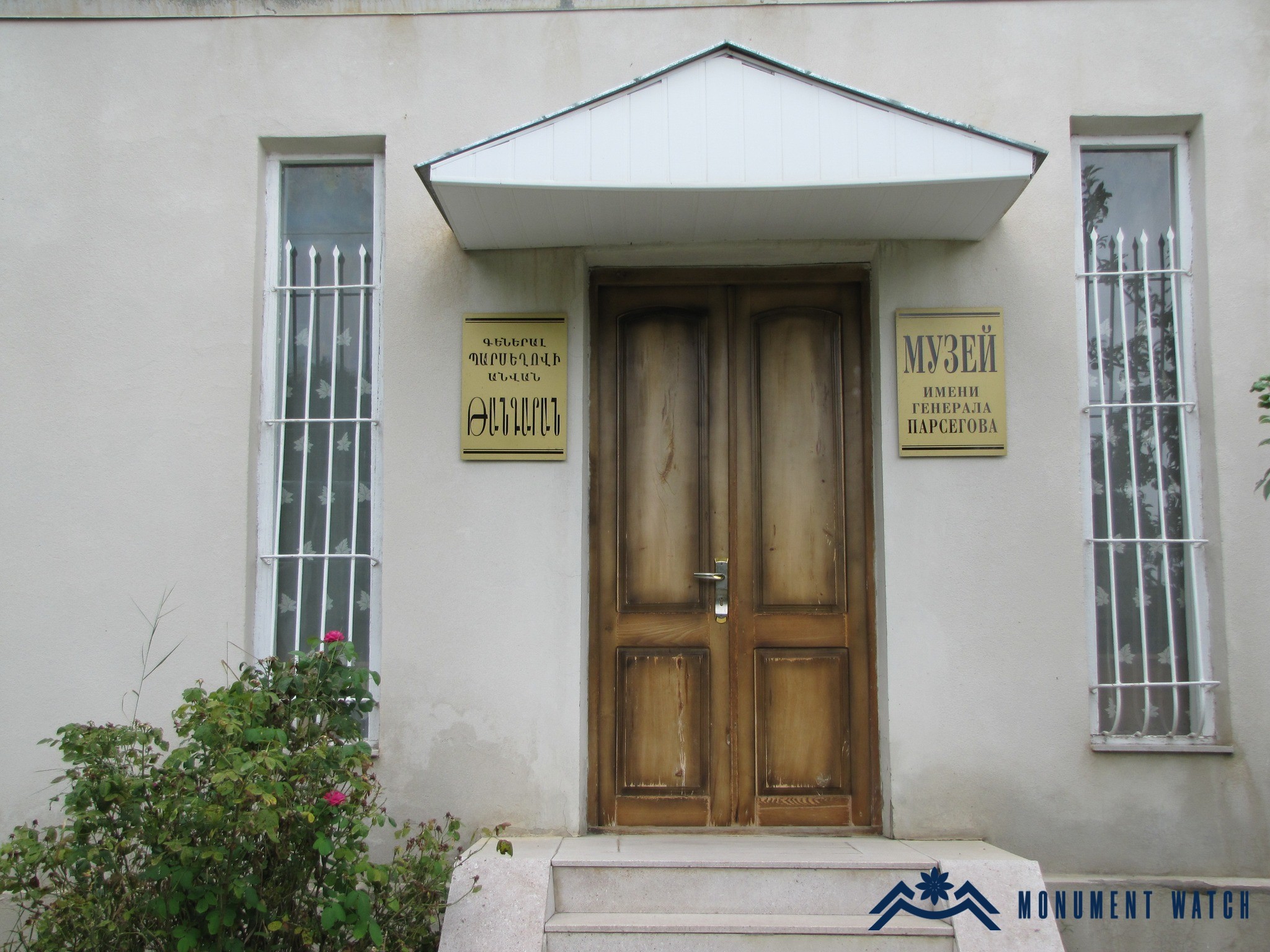
The Mikayel Parseghov Museum is located in the village of Kolkhozashen, Martuni District. It was built between 1969 and 1971, and officially opened on 17 September 1971.
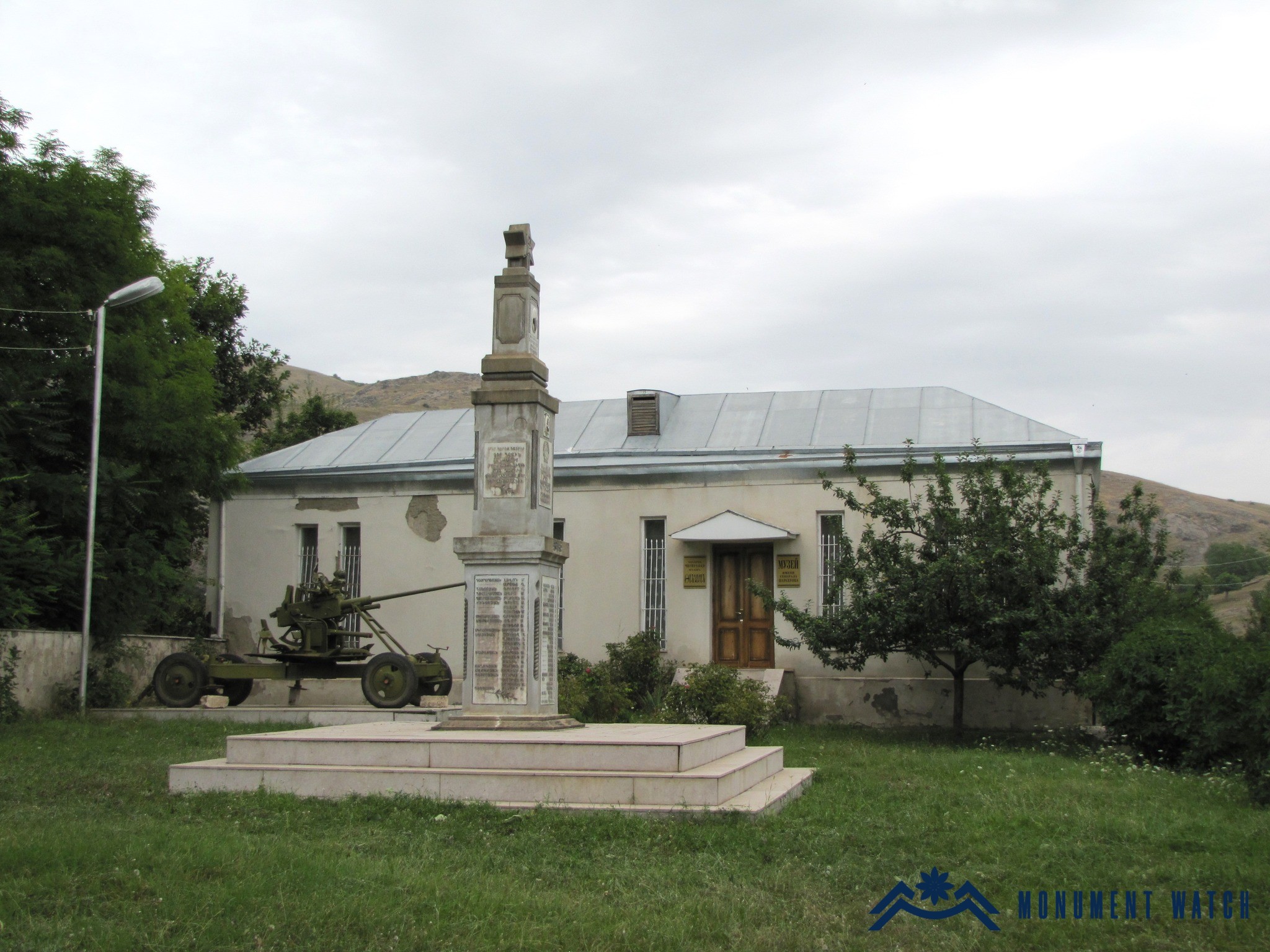
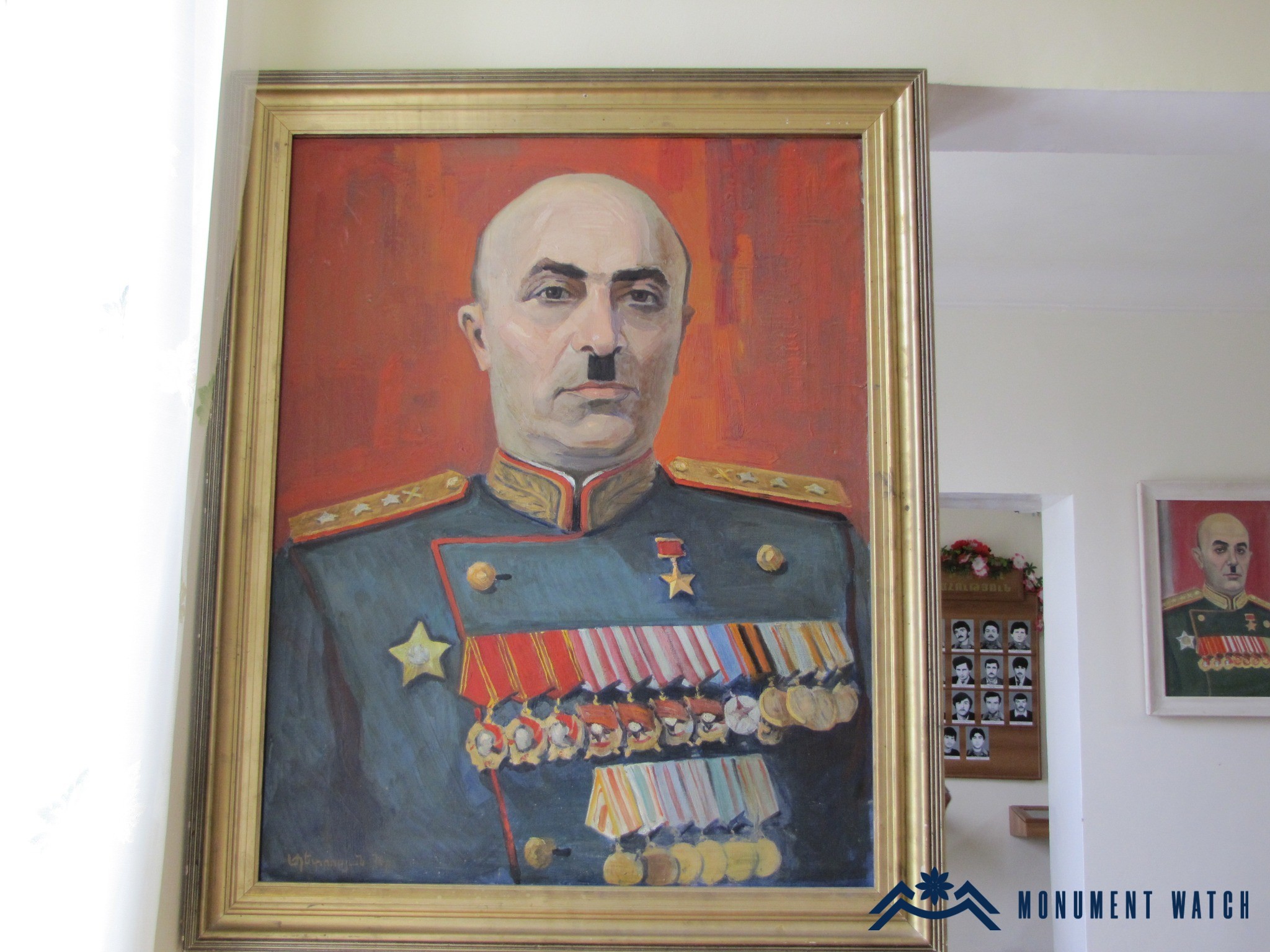
Parseghov—an ethnic Armenian military commander, Colonel-General of Artillery of the Soviet Army (1958) and Hero of the Soviet Union (1940)—was a native of Kolkhozashen. Initially, the plan was to establish a house-museum in his family home; however, because the paternal house was situated in a hard-to-access area, the museum was constructed instead in the central part of the village (Figs. 1, 2).
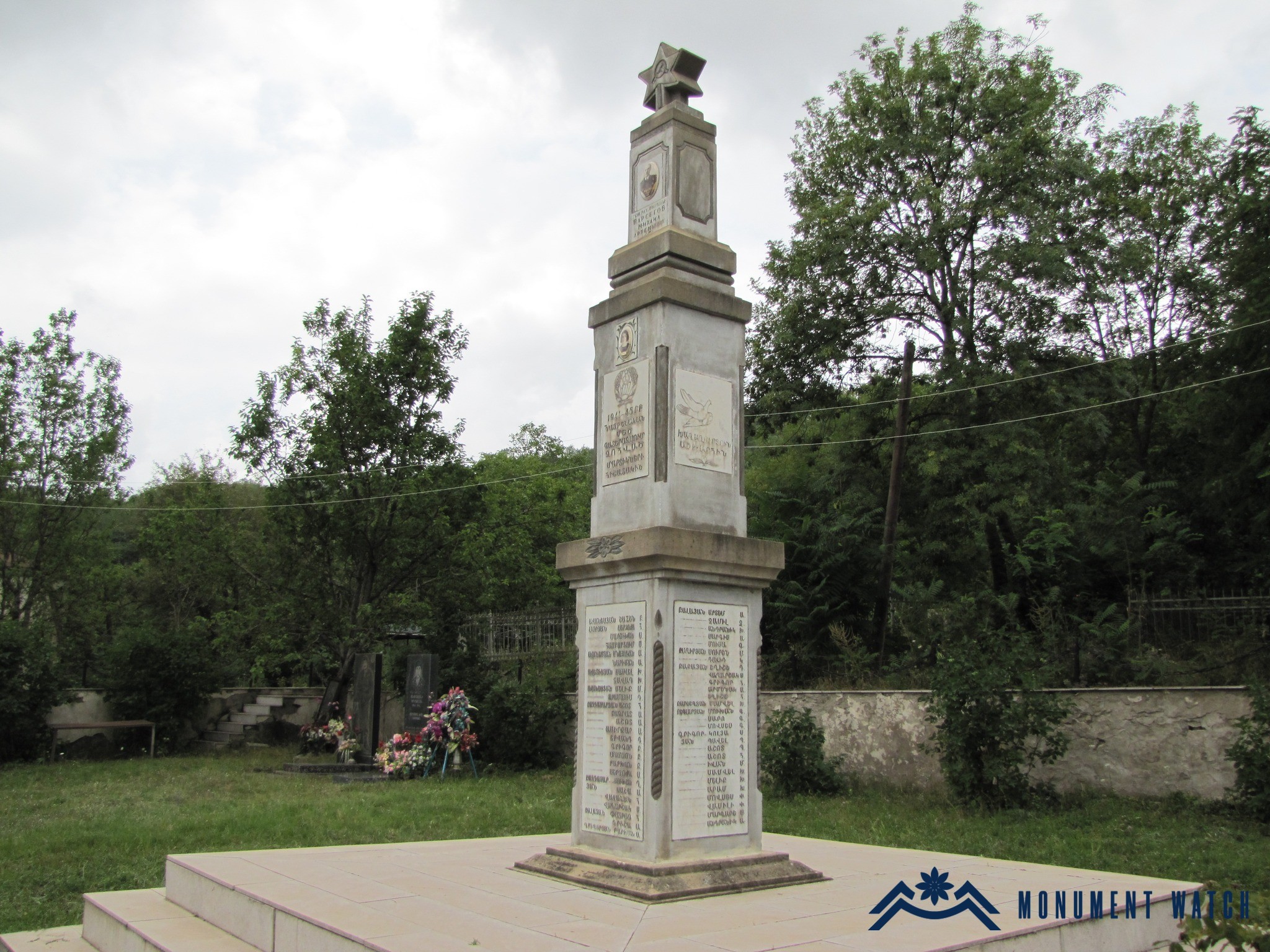
The museum courtyard also contained memorials dedicated to residents of Kolkhozashen who perished in the Great Patriotic War and in the Artsakh liberation struggle, as well as one example of artillery used by the Soviet Army (Figs. 3, 4).
Collection
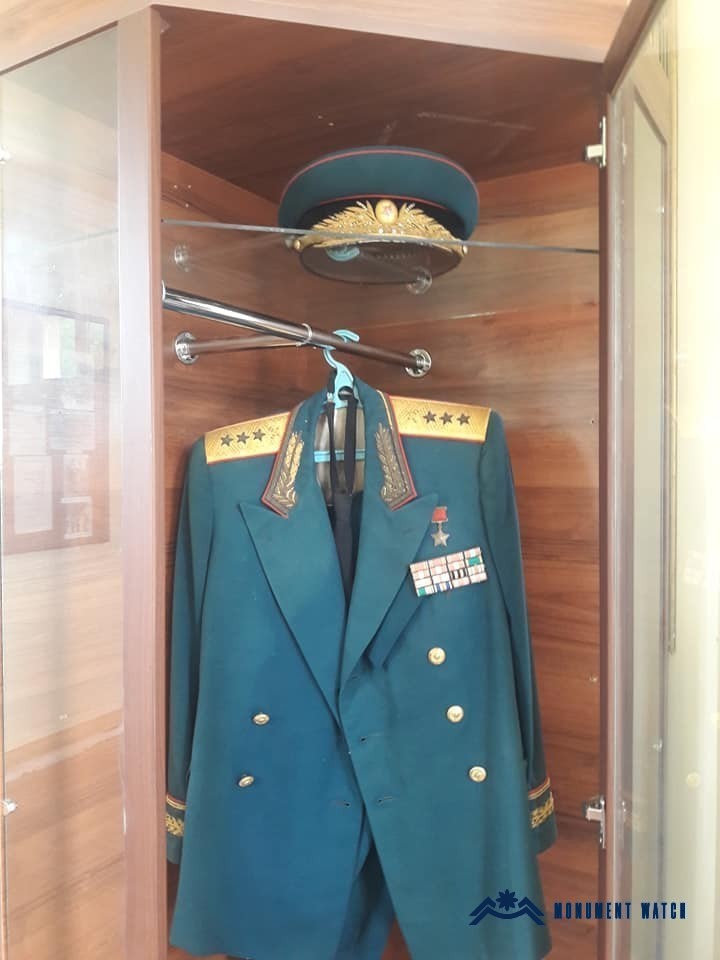
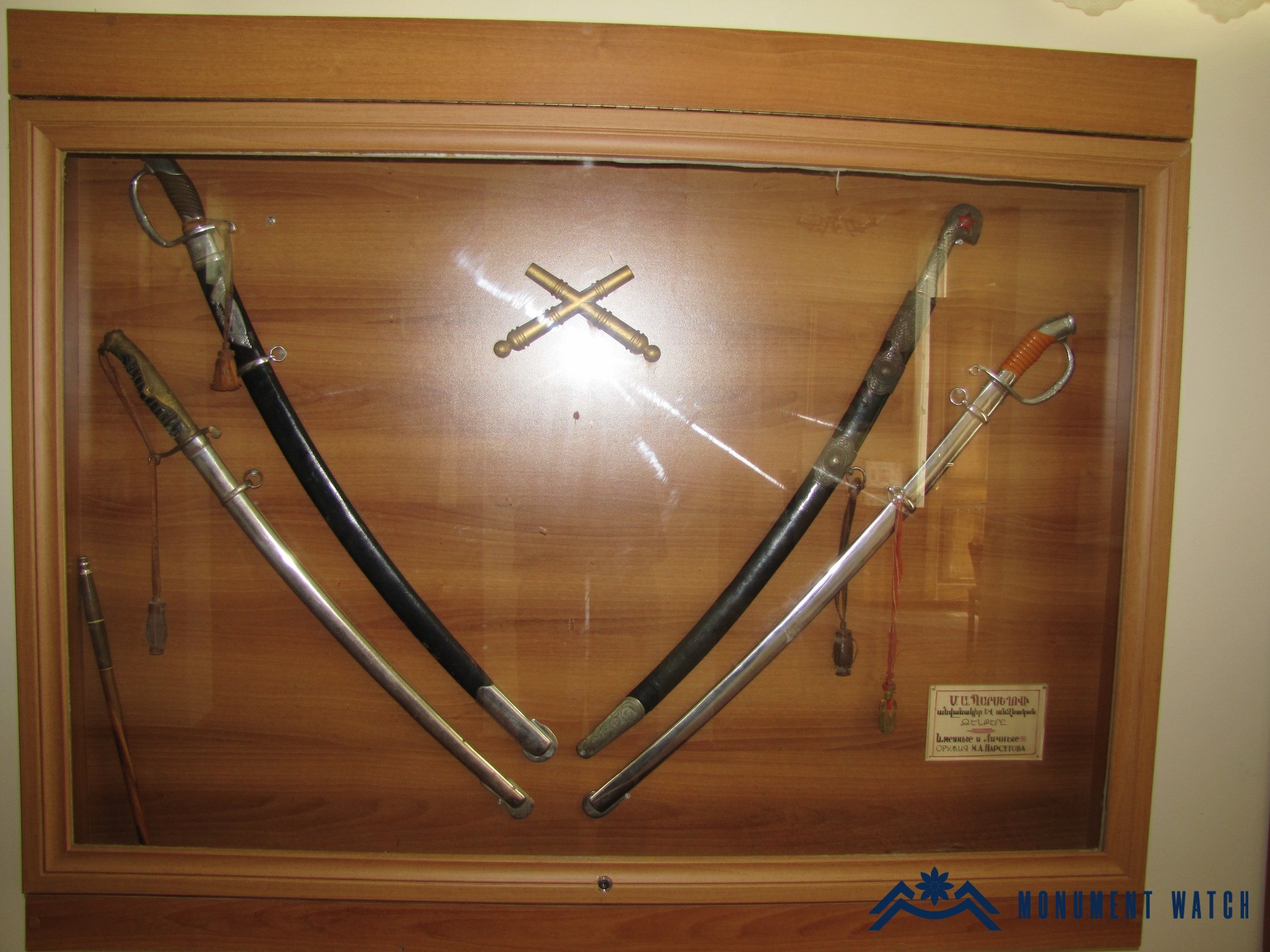
From the outset, the museum had four exhibition halls, presenting M. Parseghov’s biography, photographs, and personal belongings (Figs. 5, 7). One of these halls also displayed photographs of Kolkhozashen residents who died in the Great Patriotic War.
In 2006, the museum was renovated, and an additional room—the Hall of Glory—was built as an annex to the museum, dedicated to Kolkhozashen residents who died in the Artsakh liberation struggle. Later, in 2016-2017, the museum underwent another renovation, and one of the four halls was dedicated to Hrachya Beglaryan, a writer and publicist born in Kolkhozashen. This section presents the history of Beglaryan’s family, his personal items, photographs, and publications.
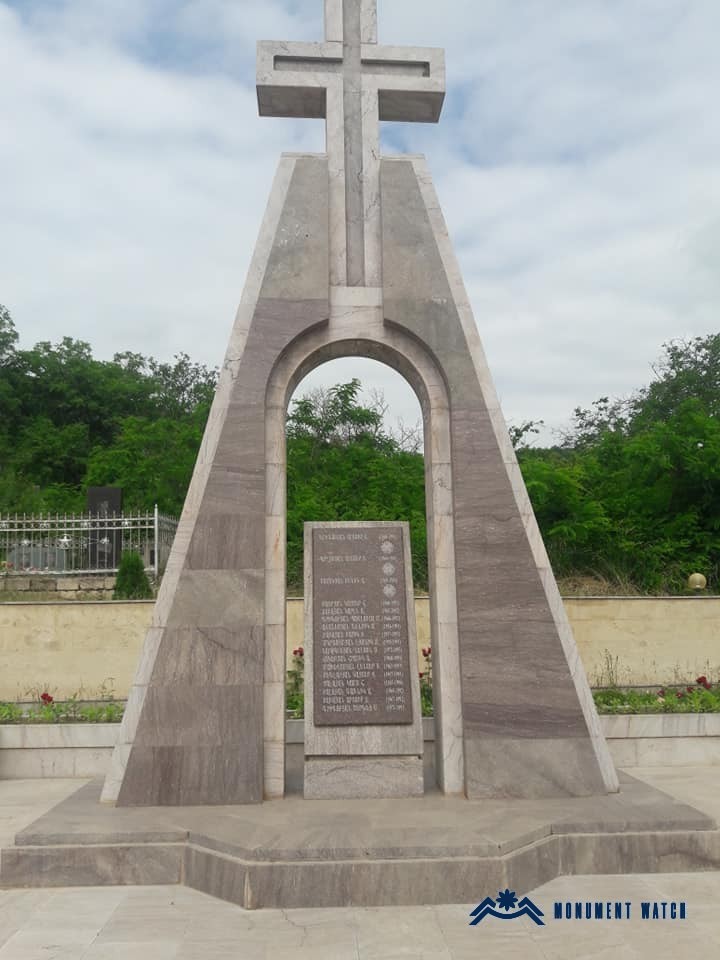
During the same period, a memorial dedicated to Kolkhozashen residents killed in the Artsakh liberation struggle was also erected in the courtyard.
Activities before the war
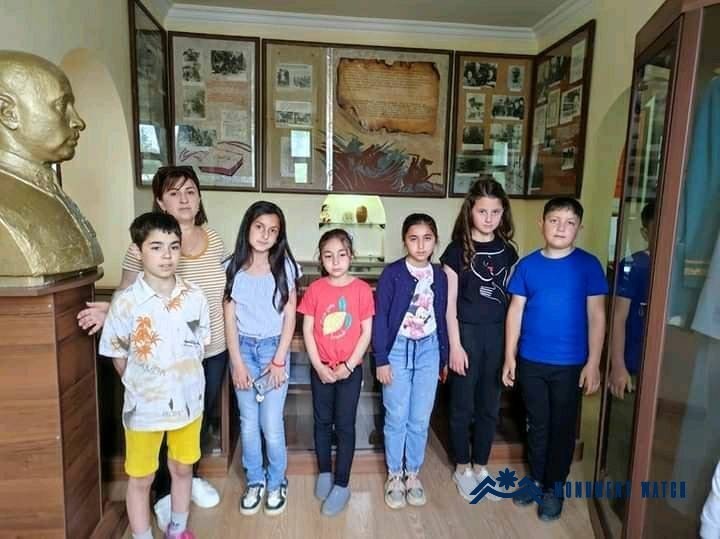
As noted by the museum’s former director, Alvard Harutyunyan, the museum carried out important work for the residents of Kolkhozashen and surrounding communities, especially for schoolchildren.
The museum marked all national (e.g., Holy Easter), state (e.g., Independence Day, Victory Day in the Great Patriotic War, Shushi Liberation Day, etc.), and international observances (e.g., International Museum Day, European Heritage Days, etc.) (Figs. 8, 9).
Before Azerbaijan’s blockade of Artsakh’s roads, most of the museum collection had been packed into crates with the intention of relocating it to a safer location. However, due to the subsequent September aggression, it proved impossible to undertake any further measures, and the crates remained at the Martuni Museum of History and Local Lore.

The condition after the war
Following the forced displacement of Armenians from Artsakh in September 2023, the status and whereabouts of the museum and its collection are unknown.
The museum and international law regulations
As with any cultural asset, the principal international legal framework for the protection of the museum and its collection is provided by the 1954 Hague Convention for the Protection of Cultural Property in the Event of Armed Conflict and its two Protocols (1954 and 1999). Under Article 4 of the 1954 Hague Convention, any acts of vandalism, theft, looting, misappropriation, hostility, or reprisals directed against cultural heritage are prohibited. Under the First Protocol (1954), the destruction of cultural or spiritual property in occupied territories is prohibited. The Second Protocol (1999) reaffirms this requirement and, under Article 15, characterizes such acts as international crimes.
Acts involving the destruction of cultural property are also prohibited by the four Geneva Conventions of 12 August 1949 on the protection of war victims, their Additional Protocols, as well as relevant United Nations resolutions and international human rights treaties.