The collection
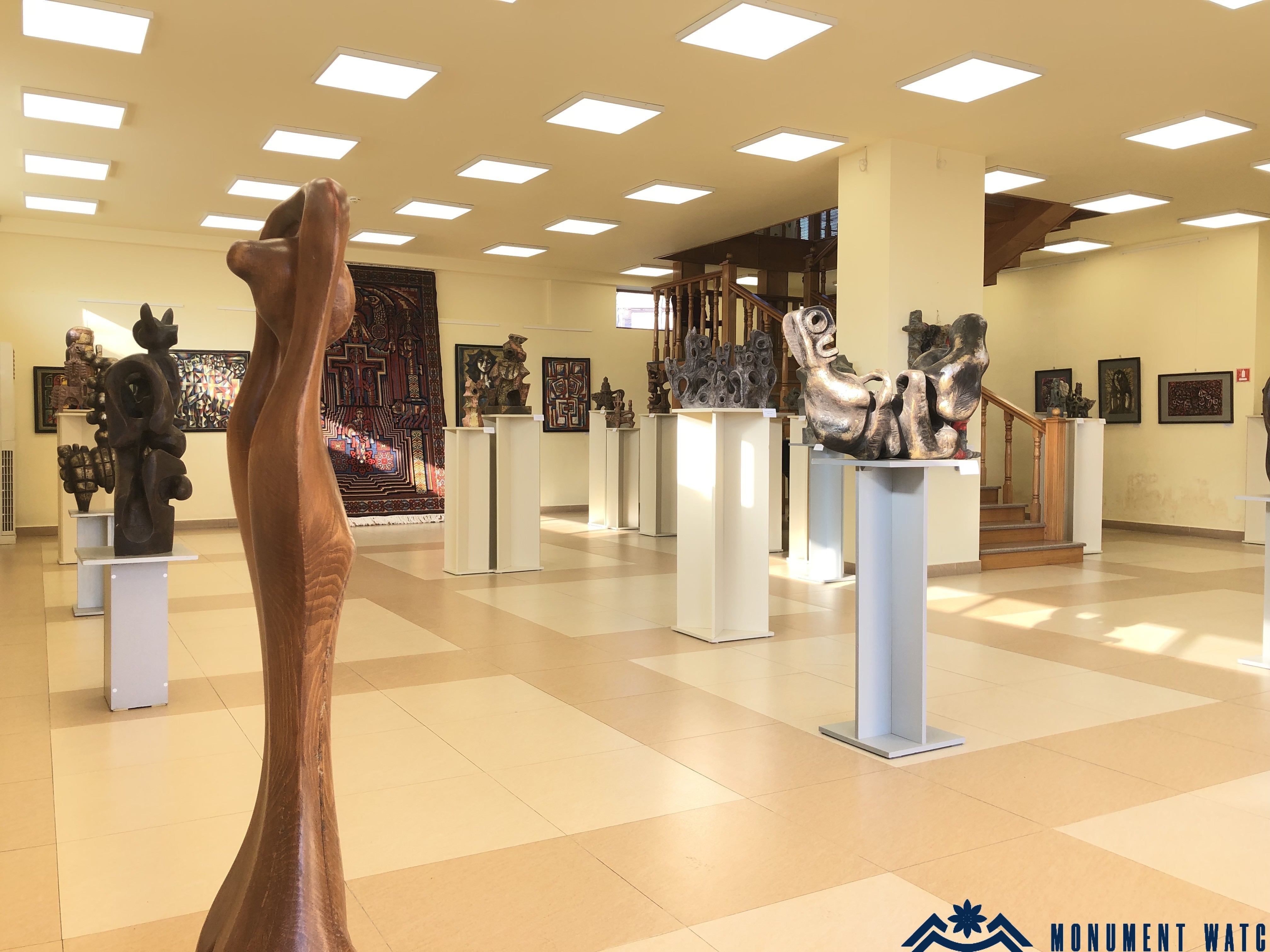
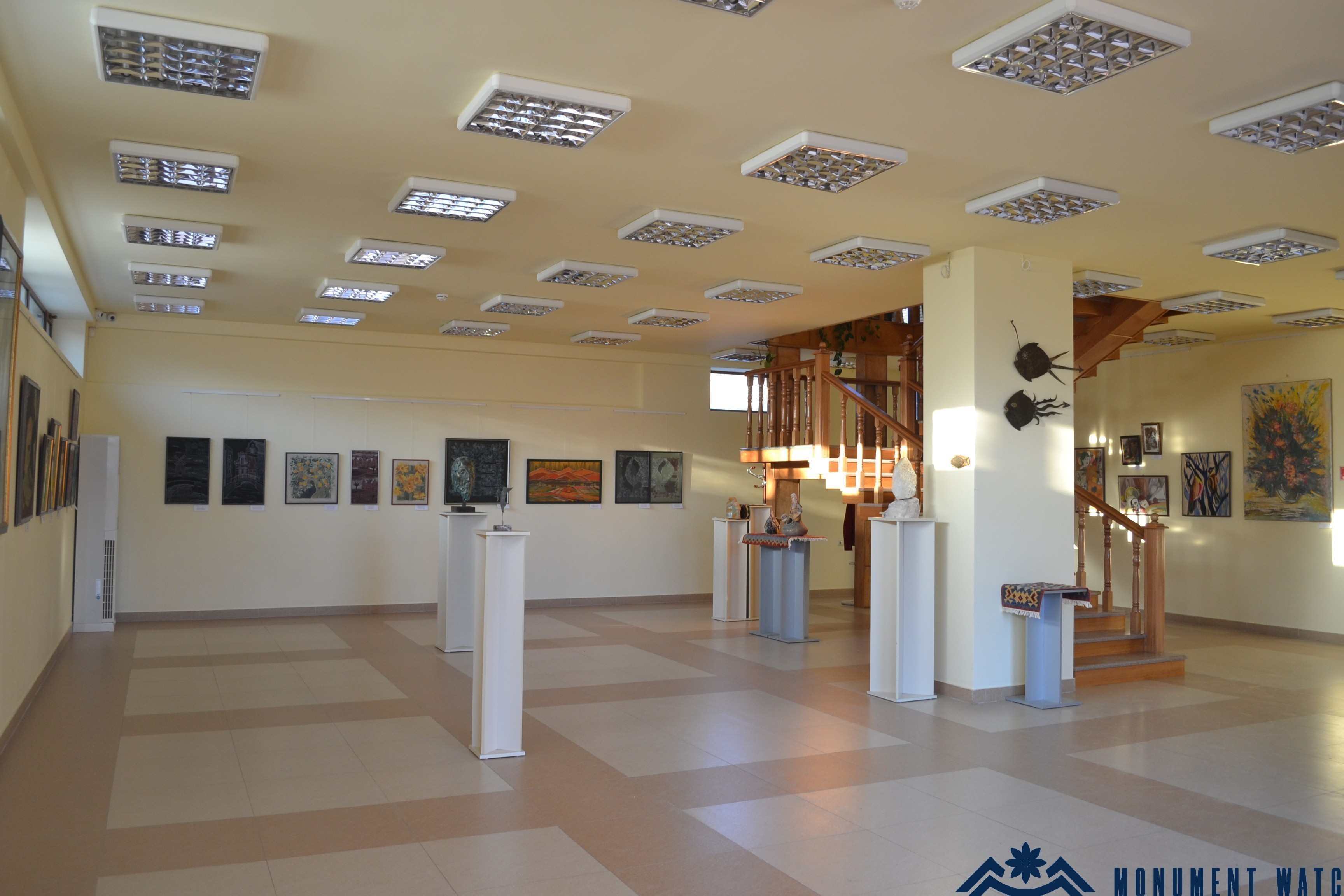
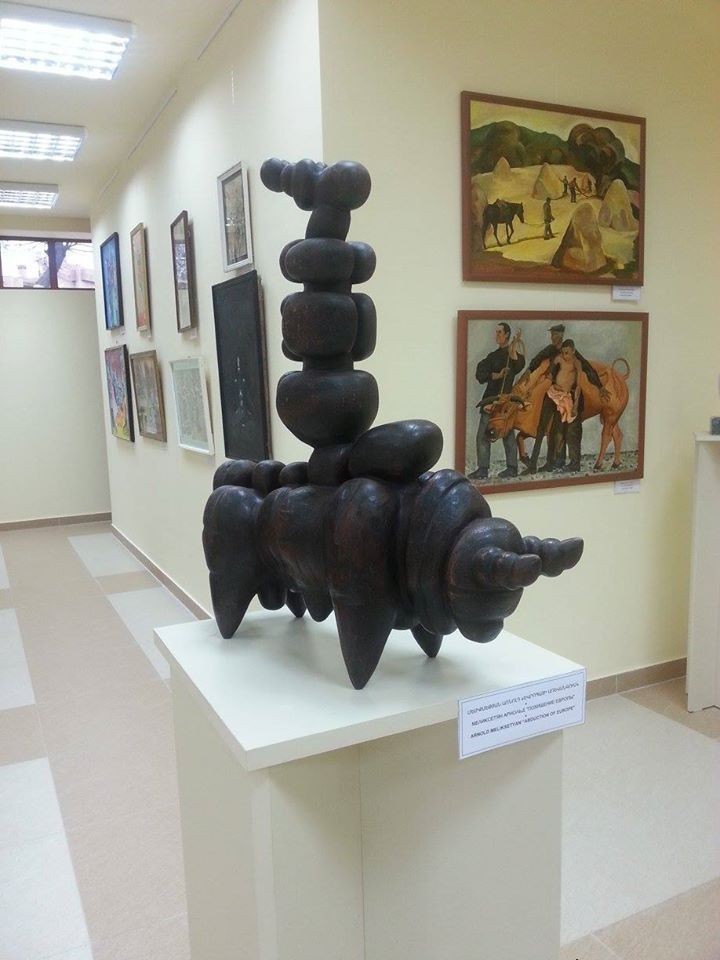
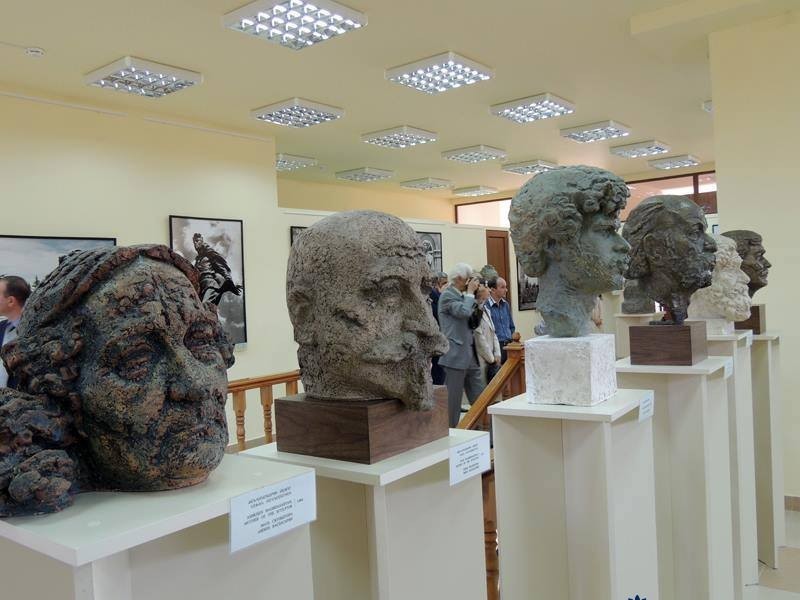
The gallery regularly hosted exhibitions of works by artists from Artsakh. It had its own collection, comprising more than 300 paintings and over 50 sculptures. The collection was periodically enriched with new paintings and sculptures donated by artists whose exhibitions had been held at the gallery.
Activities before the war
Before the war, the gallery was actively operating and hosted several temporary exhibitions each year. It organized exhibitions of fine and decorative arts, applied arts, and photography, masterclasses, lectures, intellectual games, concerts, and other events. Exhibitions featured works by both professional and self-taught artists.
The gallery actively collaborated with members of the Artists’ Unions of Artsakh and Armenia, as well as with foreign artists. Two artists’ studios were also located within the gallery premises.
The Condition after the war
During the forced displacement of Armenians from Artsakh in September 2023, most of the collection was successfully evacuated to a safe location.
The gallery and international legal regulations
As with all cultural property, the principal international legal framework for the protection of the gallery and its collection is provided by the 1954 Hague Convention for the Protection of Cultural Property in the Event of Armed Conflict and its two Protocols of 1954 and 1999.
Under Article 4 of the 1954 Hague Convention for the Protection of Cultural Property in the Event of Armed Conflict, any acts of vandalism, theft, pillage, misappropriation, hostility, and reprisals directed against cultural heritage are prohibited. Under the First Protocol to the 1954 Hague Convention, the destruction of cultural or spiritual property in occupied territories is prohibited. The Second Protocol of 1999 reaffirms this requirement and, under Article 15, qualifies such acts as international crimes.
Acts involving the destruction of cultural property are also prohibited under the four Geneva Conventions of 12 August 1949 concerning the protection of victims of war, the laws and customs of warfare and their protocols, as well as under relevant United Nations resolutions and international human rights treaties.