On the Azerbaijani Excavations at Artsakh’s Tigranakert
The Azerbaijani side conducted archaeological excavations at Tigranakert of Artsakh in 2025. According to official information, the expedition was led by Azerbaijani archaeologist Tevekyul Aliyev. The excavations took place in August. Judging from the photographs circulated by the Azerbaijani side, the work was carried out adjacent to the Early Christian Square of the city of Tigranakert, where the upper strata of the 12th–13th centuries were exposed—remains of economic structures, wells, and tonirs (bread ovens) (Figs. 1–2).
The Azerbaijani side refers to the site as Shahbulagh, a name that is not earlier than the 18th century. In fact, this Azerbaijani "search" for the city's name has led to nothing new: it is self-evident that Tigranakert of the 12th–13th centuries could not have borne an 18th-century nomenclature.
The Azerbaijani side has also commented on the excavations previously carried out by the Armenian team. Notably, for the first time, Azerbaijani archaeologists have attempted to interpret the Armenian excavations. According to them, the so-called "Albanian" church uncovered by the Armenian team was built "based on Byzantine architecture" and later "reconstructed based on Syrian architecture." The Azerbaijani side also addressed the clay disc with an Armenian inscription discovered during excavations of the Great Basilica of the Early Christian Square. It is telling that Azerbaijani scholars present the content of the inscription without indicating the actual language of the text or the team that discovered it (see link: https://science.gov.az/az/news/open/24085?fbclid=IwY2xjawMz1jlleHRuA2FlbQIxMABicmlkETFQWVBEOEpSUEYxbTg2ZWtlAR7RSaSNX8ypCqx1QudBn-yzafTLSHgVE_25X0tAJMWfYWmhn_ppl2G9nhcm0A_aem_ipgbp--2beJrkWvuiJ4KAw).
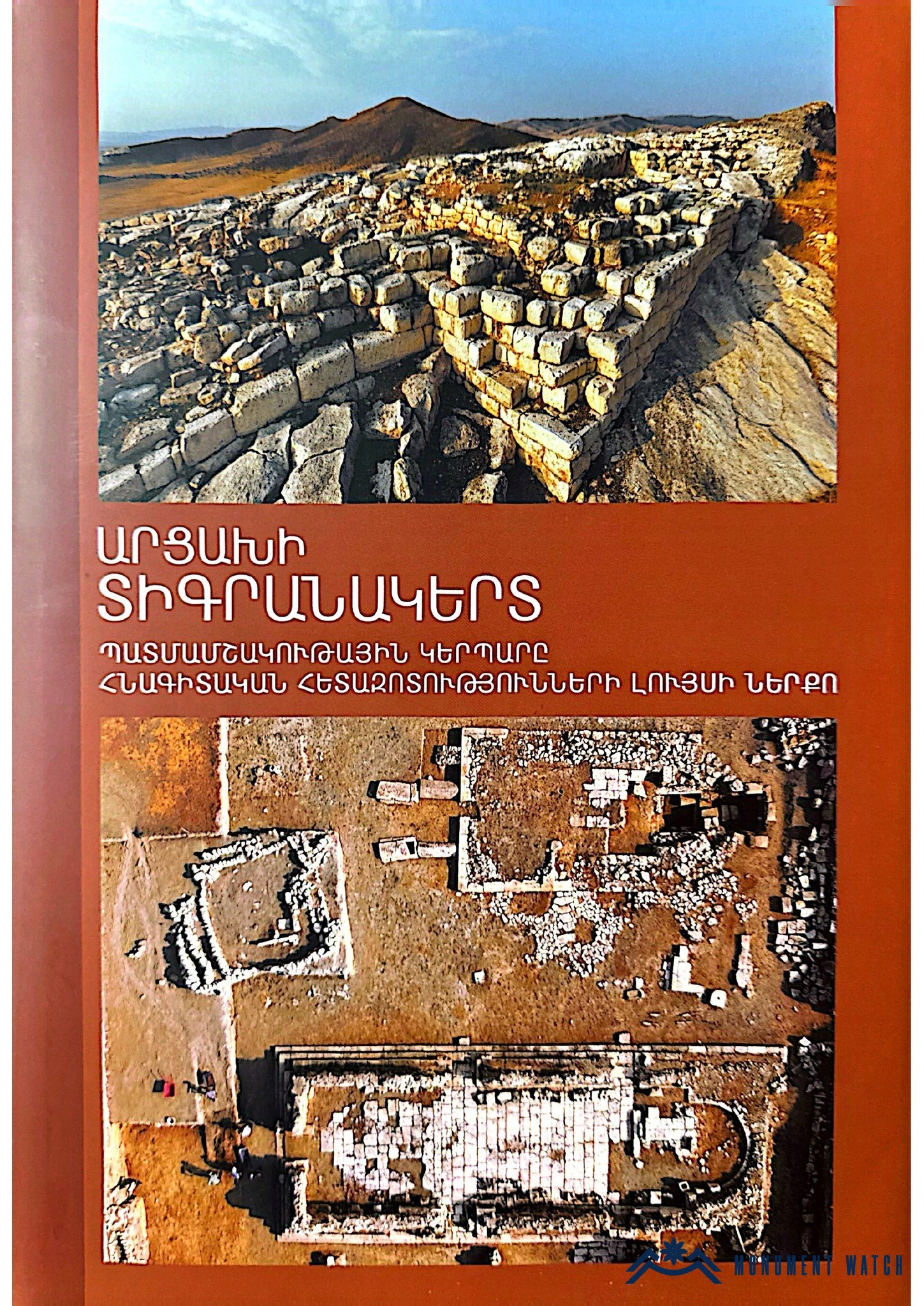
Now that the results of the archaeological research at Tigranakert have been examined in detail in the recently published monograph "Tigranakert of Artsakh: The City's Historical-Cultural Profile in the Light of Archaeological Research"—issued just a month ago (Fig. 3)—it is necessary to proceed with translations into other languages, which is precisely what the team is currently undertaking. Thanks to the initiative of the "Dialog" NGO, the Russian translation of the book is nearing completion. We would be grateful if opportunities could also be created for an English translation.
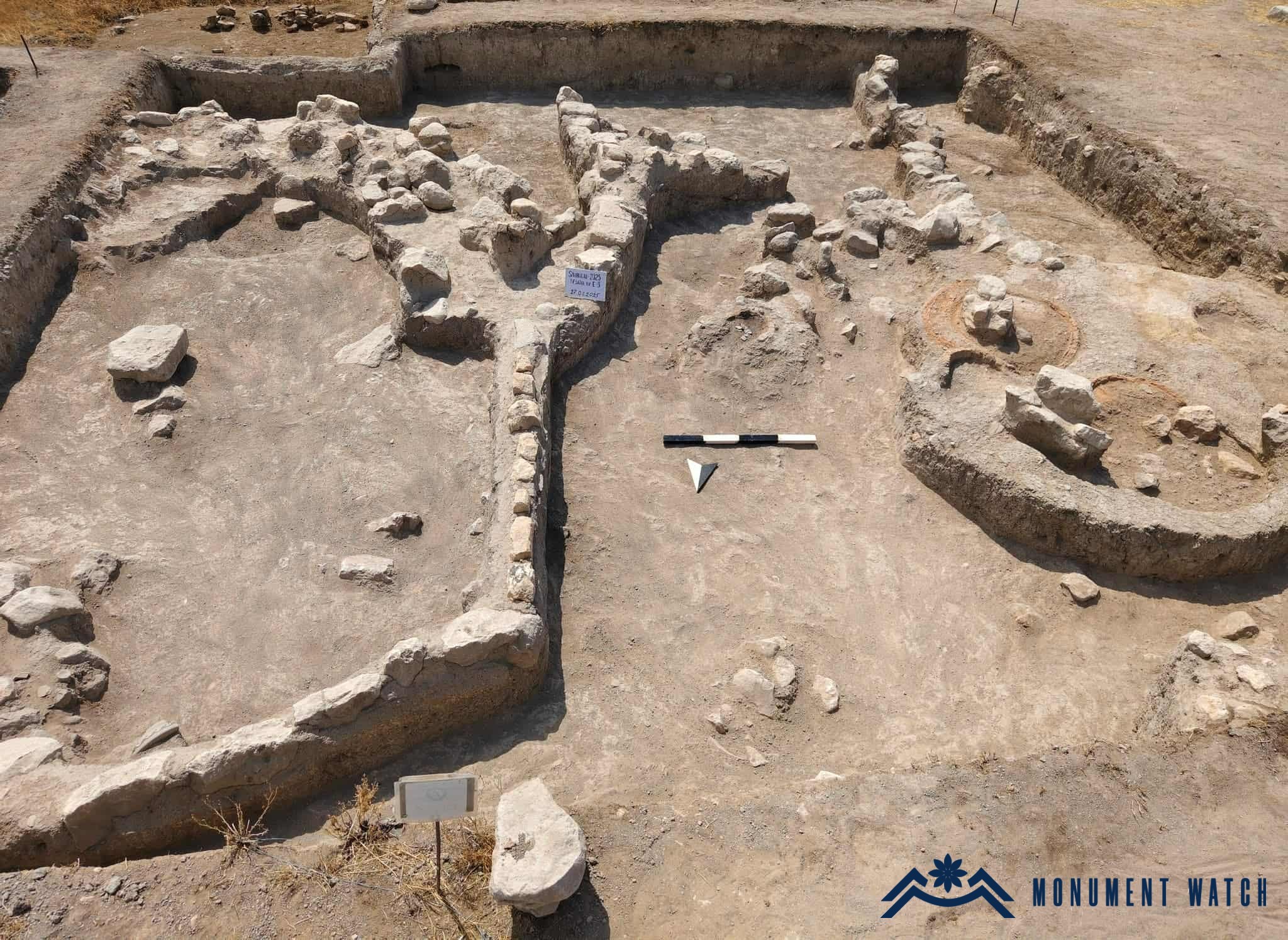
Fig. 1
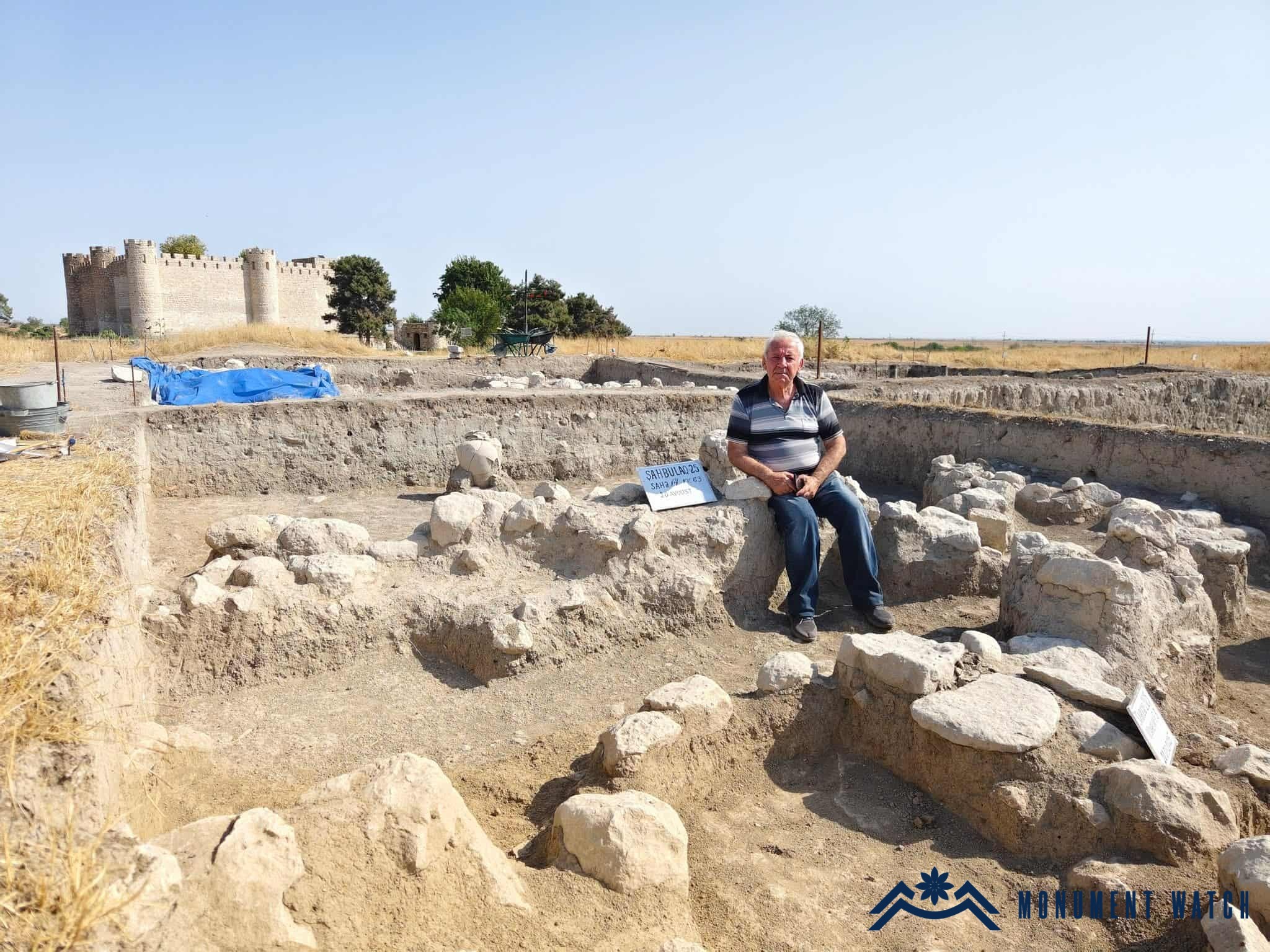
Fig. 2