On November 20, 2025, the TASS news agency website published a report stating that Russian archaeologists, together with their Azerbaijani colleagues, are conducting excavations in Azokh Cave in the Hadrut region of occupied Artsakh. Mikhail Shunkov, Corresponding Member of the Russian Academy of Sciences and Head of the Stone Age Archaeology Department at the Institute of Archaeology and Ethnography of the Siberian Branch of the RAS, notes that archaeological work at this site had been suspended for a long time. He emphasizes that 40 years have passed since the previous excavations, and that it is necessary to study the site using new dating methods (https://tass.ru/nauka/25679233).
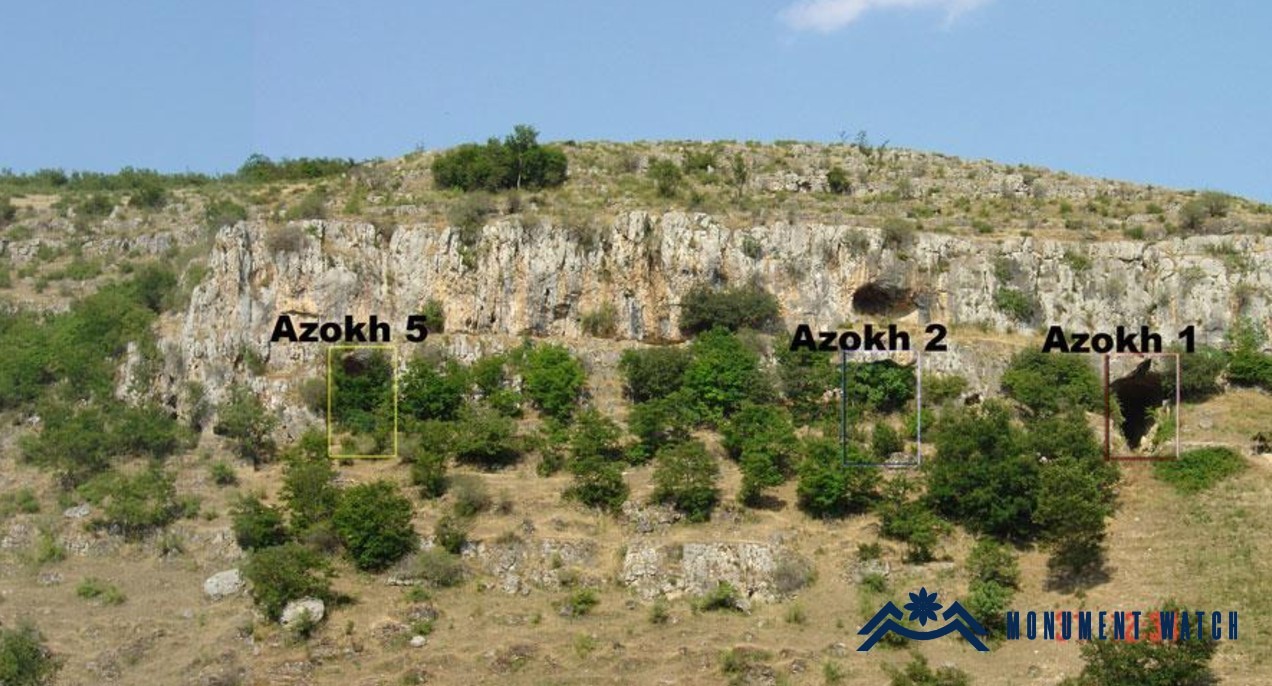
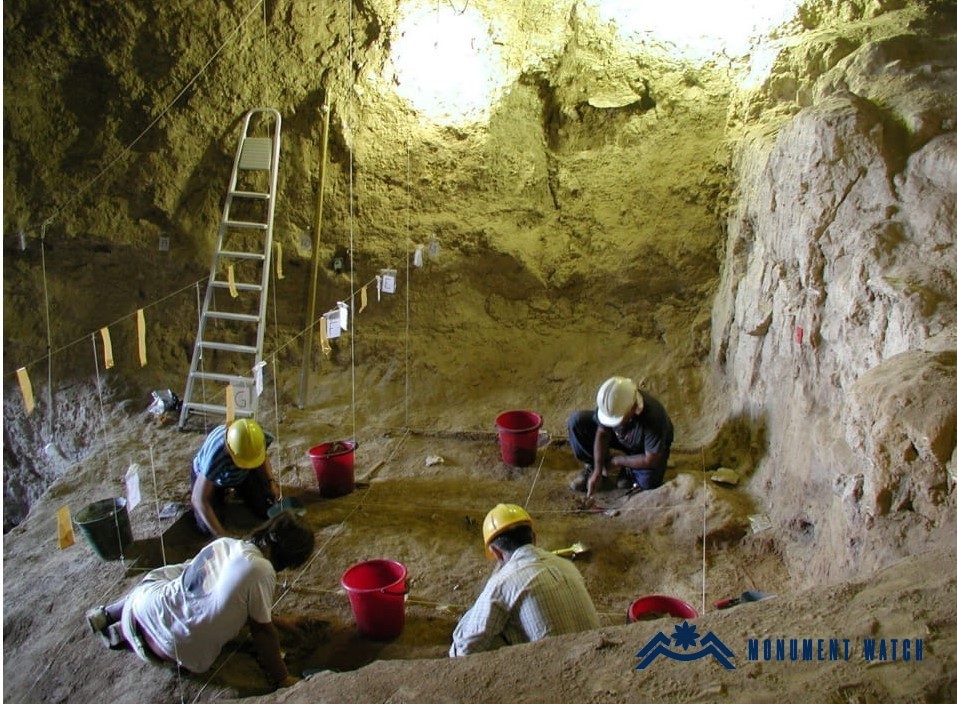
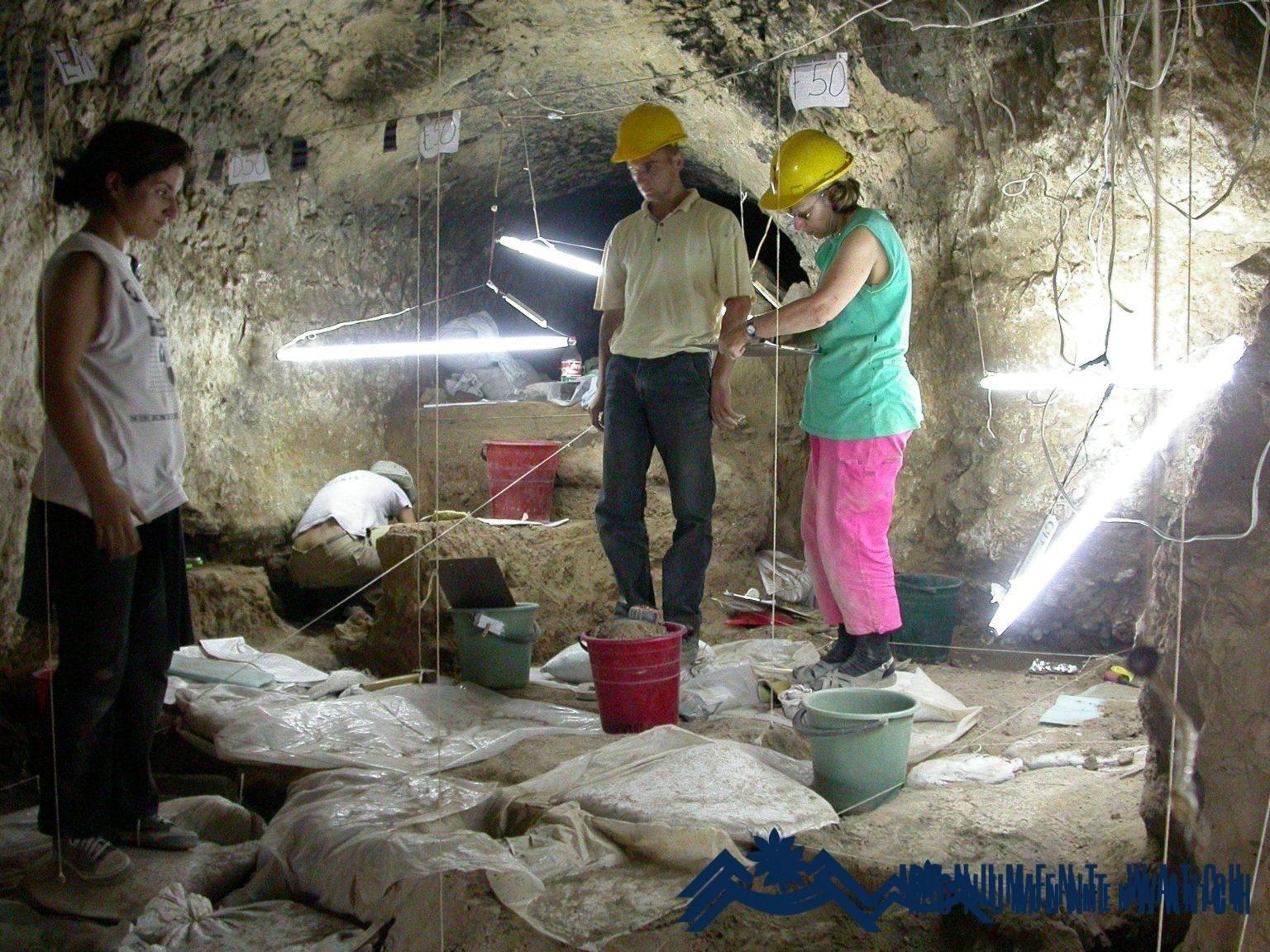
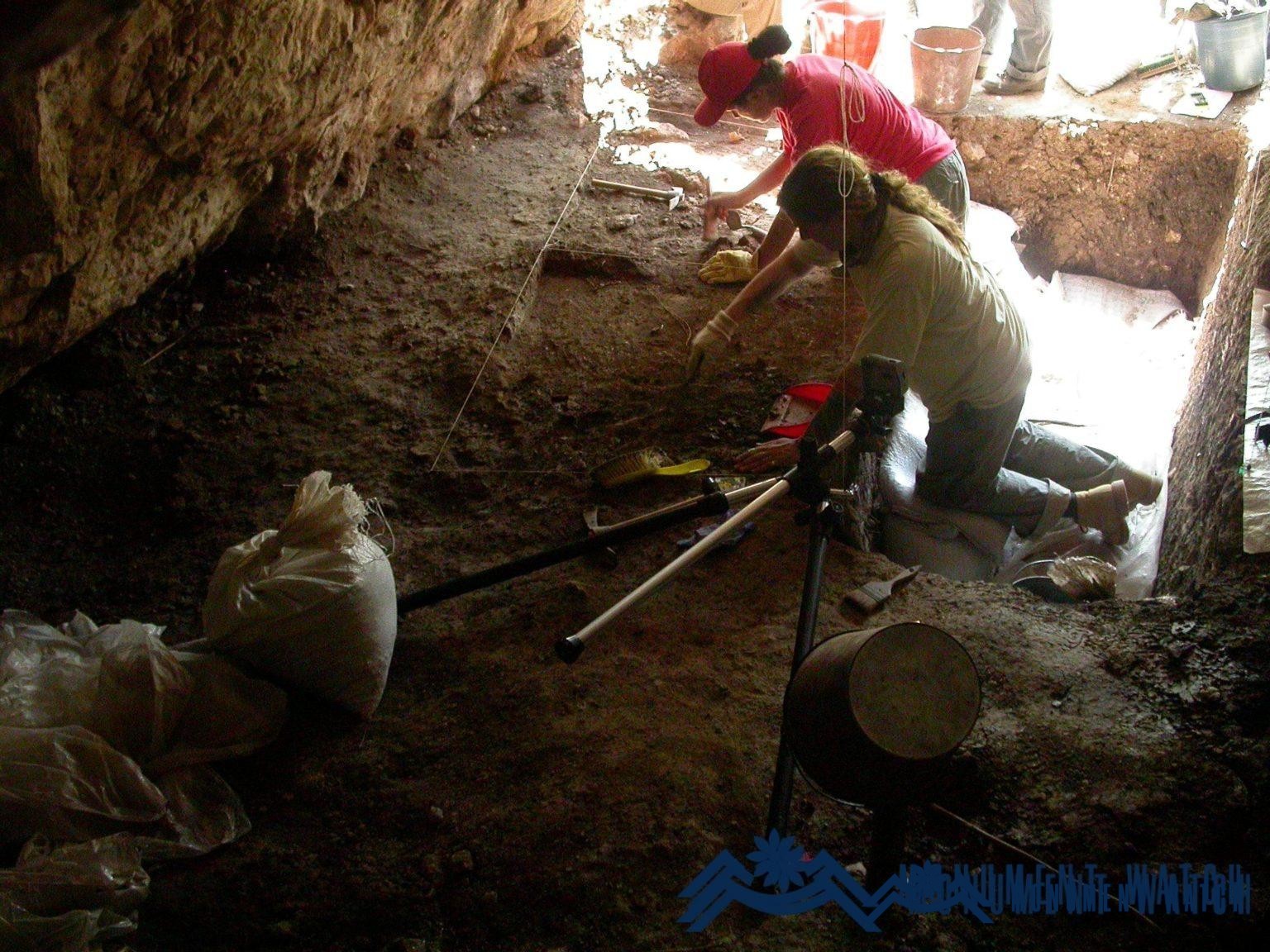
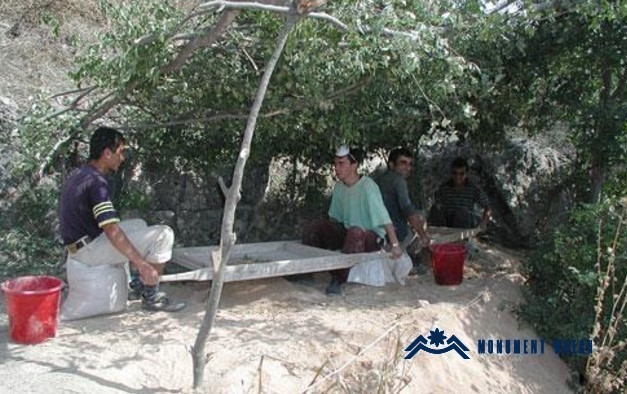
Meanwhile, at the invitation of the authorities of the Republic of Artsakh, an international archaeological expedition carried out excavations in Azokh Cave from 2002 to 2019 (35 specialists from 8 countries took part in the research: Armenia, the United Kingdom, Spain, Ireland, France, Germany, Australia, and South Africa) https://monumentwatch.org/hy/monument/%D5%A1%D5%A6%D5%B8%D5%AD%D5%AB-%D6%84%D5%A1%D6%80%D5%A1%D5%B6%D5%B1%D5%A1%D5%BE%D5%A8/։ The expedition, which included world-renowned specialists in palaeontology, geology, and palaeoanthropology from various countries, conducted its work in full accordance with all international standards required for palaeontological and archaeological excavations. This has been documented in numerous articles published in authoritative scientific journals, reports presented at international conferences, and the collective monograph Azokh Cave and the Transcaucasian Corridor, published by Springer in 2016 (https://monumentwatch.org/hy/?s=%D4% B1%D5%A6%D5%B8%D5%AD).
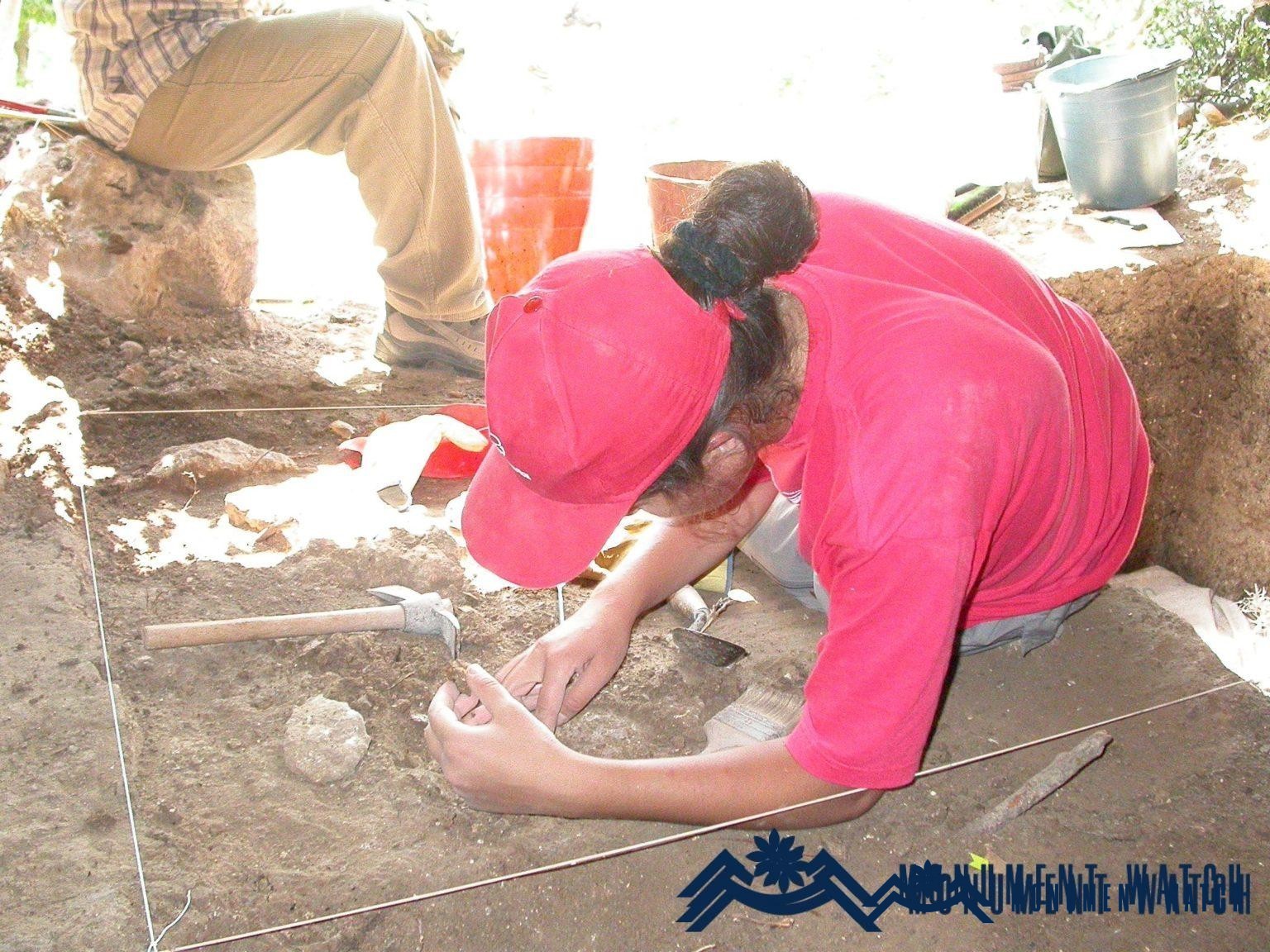
The expedition applied modern and systematic excavation methods: three-dimensional recording of finds to provide information about their spatial and chronological distribution; screening of sediment layers to recover small mammals; meticulous geological work aimed at studying the cave's stratigraphy; as well as sequential radiometric dating (Fernandez-Jalvo, King, Yepiskoposyan, Andrews 2016, 10–20). For details, see https://monumentwatch.org/hy/monument/%d5%a1%d5%a6%d5%b8%d5%ad%d5%ab-%d6%84%d5%a1%d6%80%d5%a1%d5%b6%d5%b1%d5%a1%d5%be%d5%a8/։
The fact that Azerbaijani propaganda constantly attempts to falsify reality has long been known to the scholarly community. However, Shunkov's statements sound particularly strange, since, as Head of the Paleolithic (Stone Age) Archaeology Department of the Institute of Archaeology and Ethnography, he should at least have been aware of the 2002–2019 excavations in Azokh Cave, whose course and scientific results have been repeatedly and extensively published in serious professional journals.
Bibliography
- Fernandez-Jalvo Y., King T., Yepiskoposyan L., Andrews P., Azokh Cave and the Transcaucasian Corridor, 2016, Springer.
- https://monumentwatch.org/hy/monument/%D5%A1%D5%A6%D5%B8%D5%AD%D5%AB-%D6%84%D5%A1%D6%80%D5%A1%D5%B6%D5%B1%D5%A1%D5%BE%D5%A8/։
- https://monumentwatch.org/hy/?s=%D4% B1%D5%A6%D5%B8%D5%AD
- https://tass.ru/nauka/25679233