The Archaeological Shushi

Research on the antiquities of Shushi became possible only thanks to the liberation of Shushi. In April–May 2004, the Artsakh archaeological expedition of the Institute of Archaeology of the National Academy of Sciences of the Republic of Armenia (Hamlet Petrosyan, Vardges Safaryan), at the initiative of the "Yerkir" public organizations for Repatriation and Settlement and the "Shushi" Foundation, compiled a list and a map of the archaeological monuments of Shushi and its surroundings (fig. 1). The corpus includes about 200 archaeological sites (up to and including the 18th century), among them: one Paleolithic site, one Cyclopean fortress from the Bronze and Iron Ages, five cemeteries, two Classical-period and two Early Christian burial grounds, six medieval village sites, and around four dozen khachkars (cross-stones). Based on this survey, the expedition—led by Hamlet Petrosyan and including Vardges Safaryan, Tatyana Vardanesova, Nora Engibaryan, Manushak Titanyan, and Ashot Harutyunyan—launched the first excavations in Shushi in 2005 with financial support from the "Jean Poghosyan and Sons" Foundation.
The excavations revealed that the Shushi plateau has been inhabited since the Bronze Age, and archaeological evidence of Armenian presence in the area dates back at least five centuries before Panah's arrival.
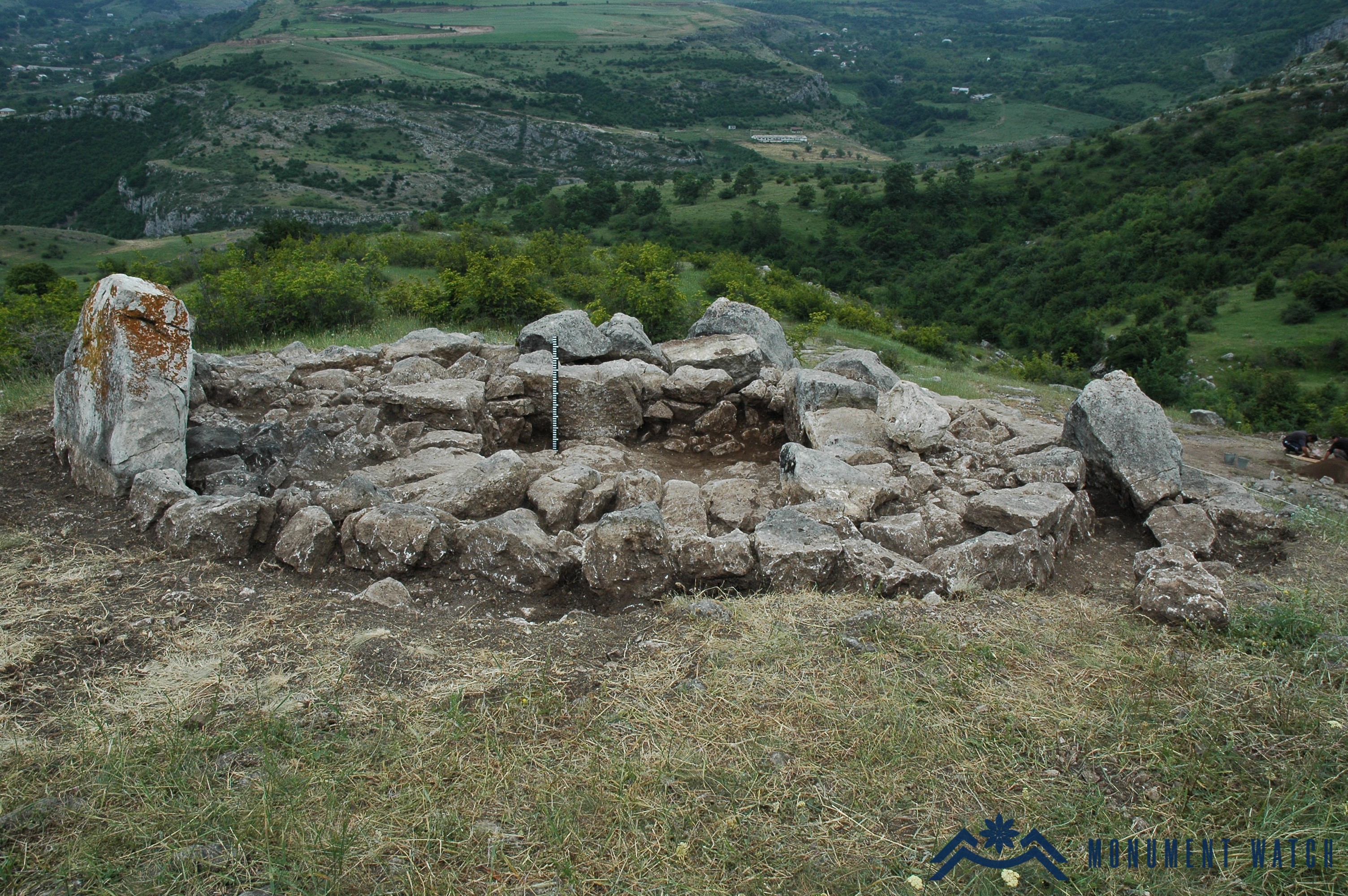
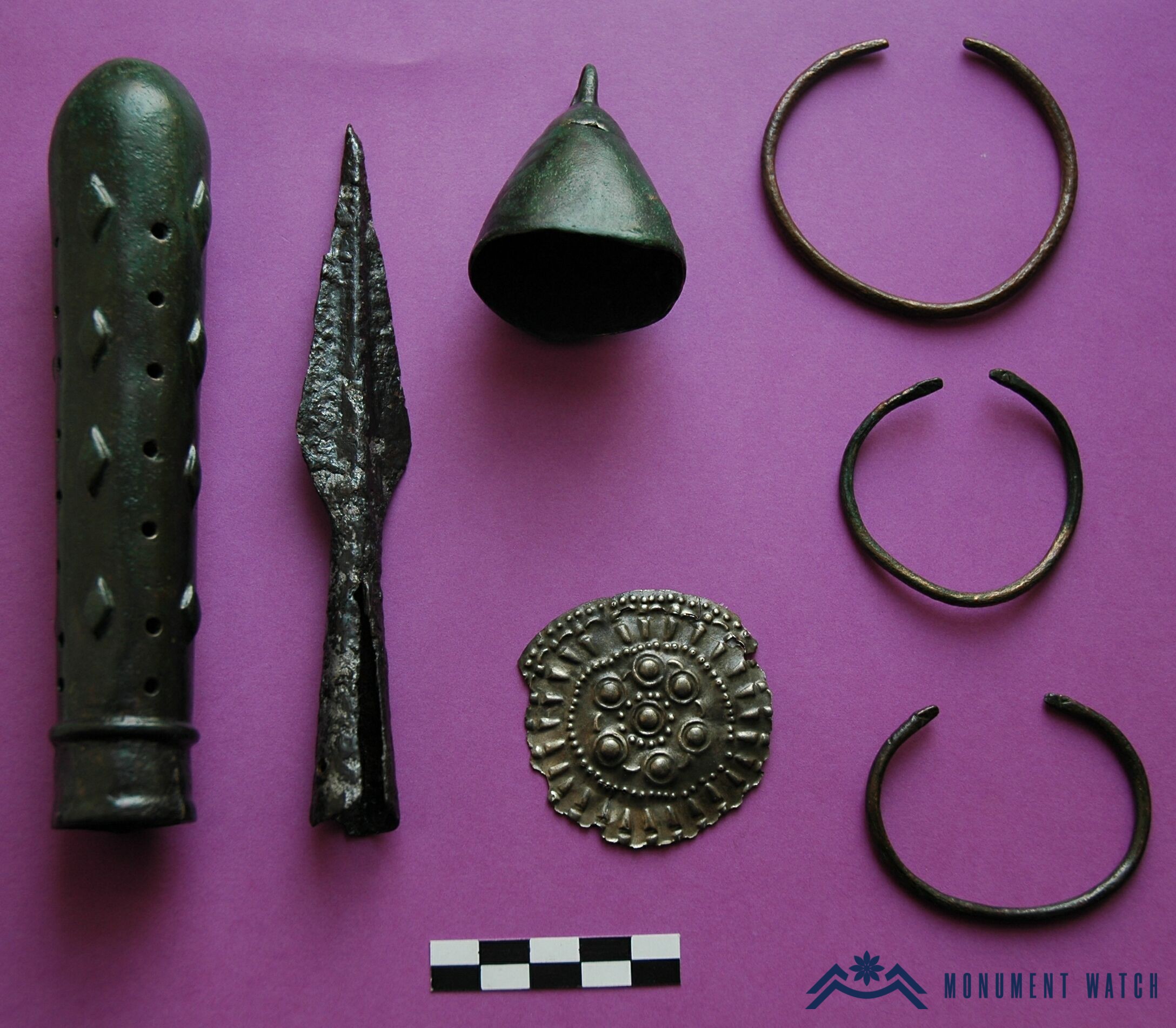
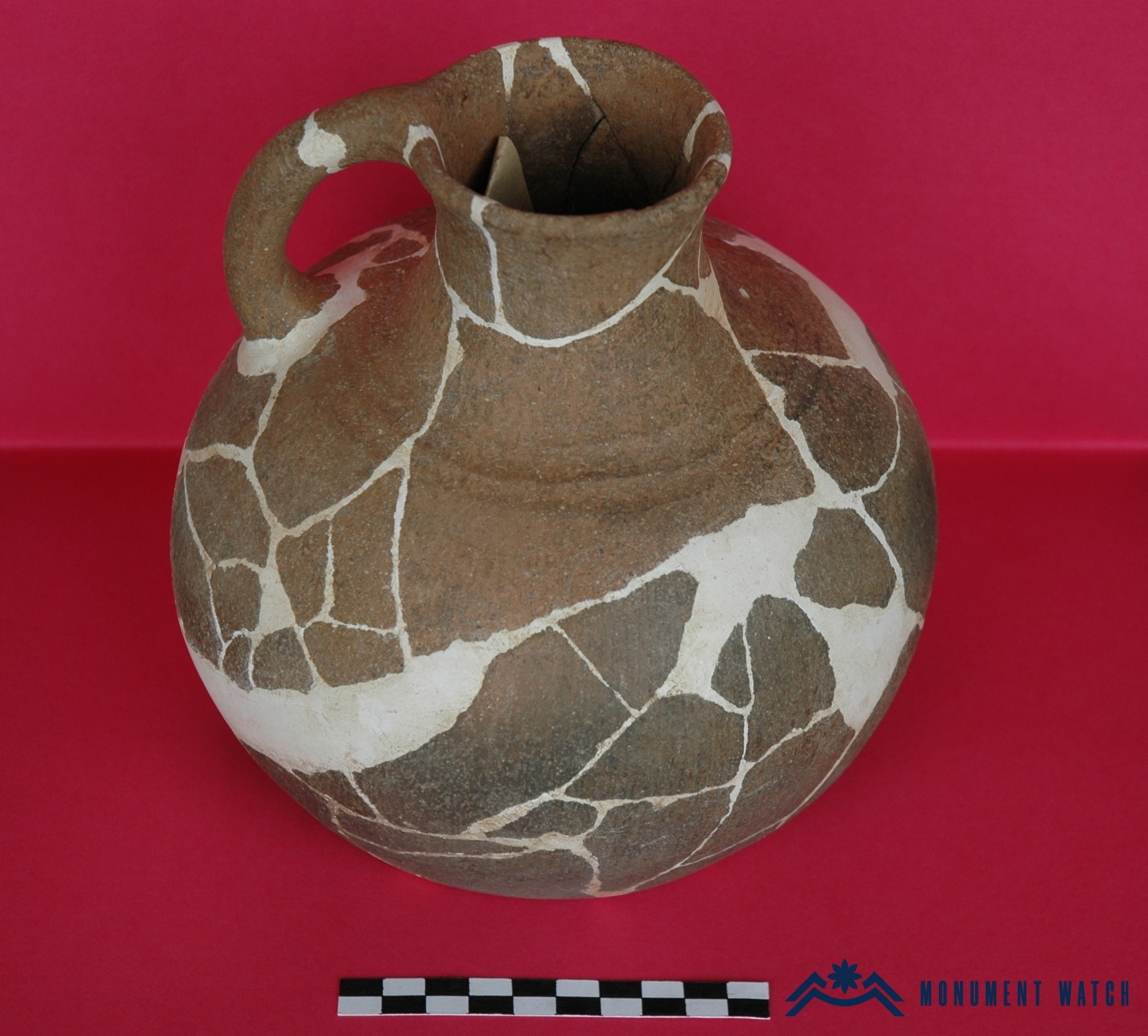
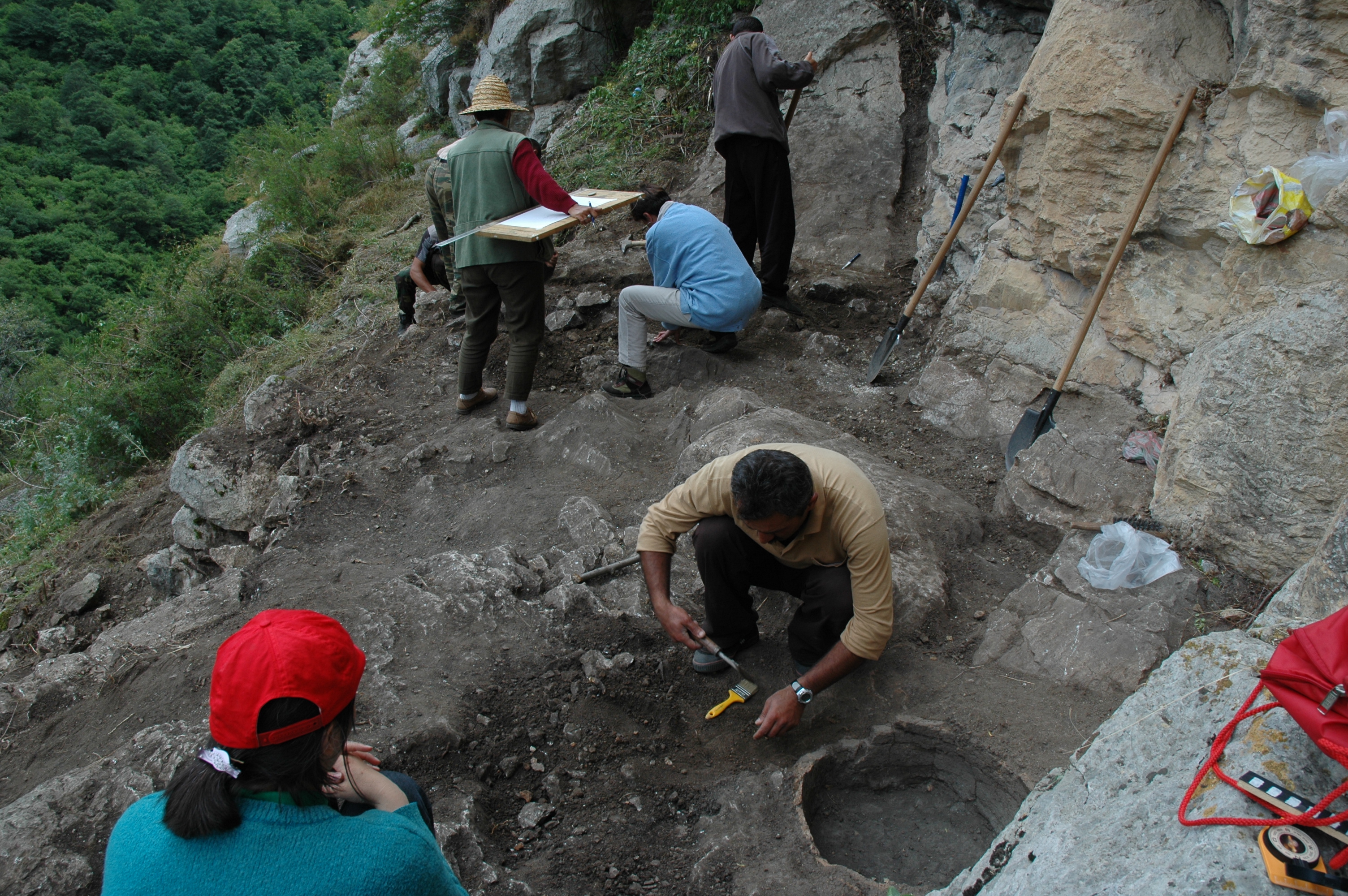
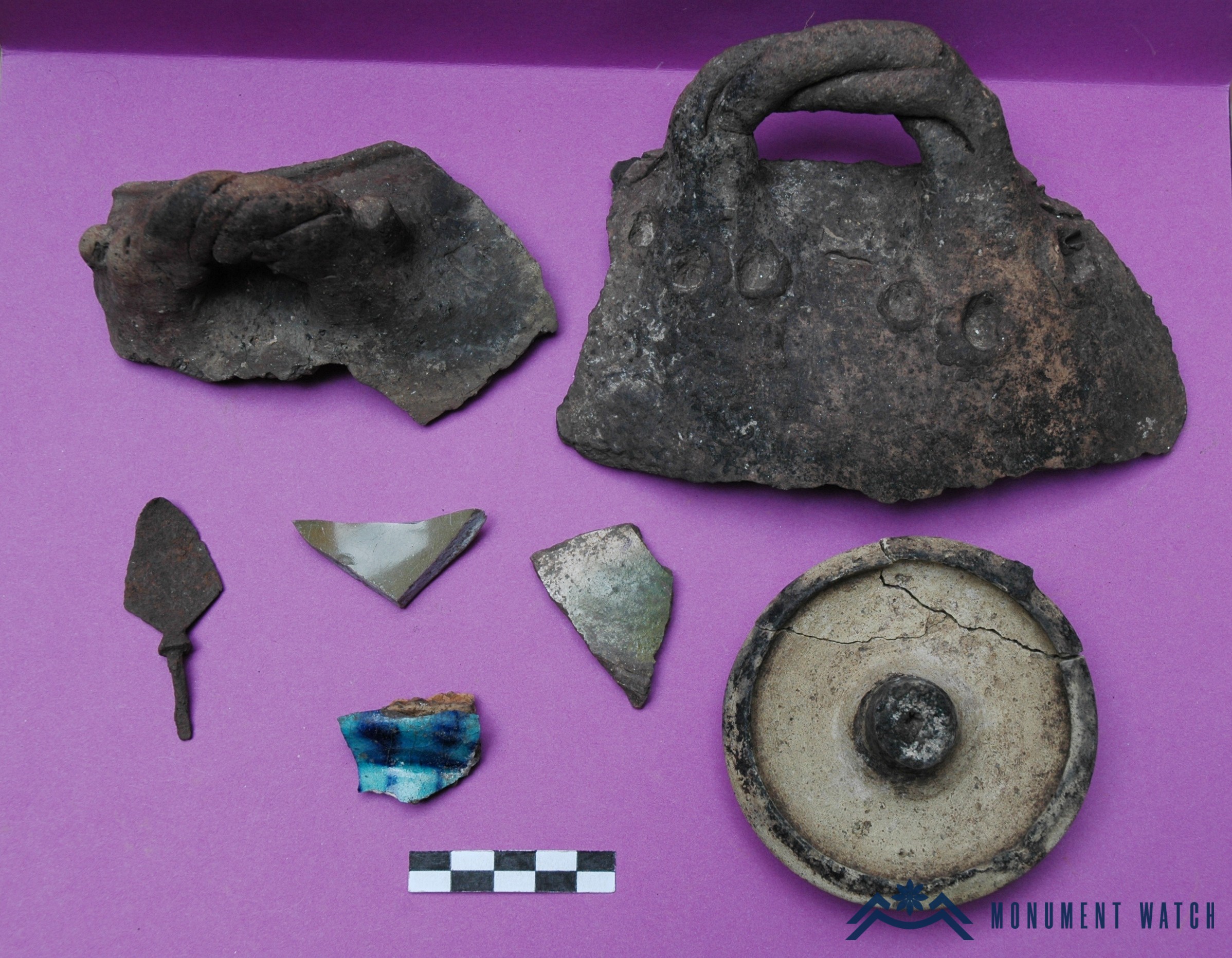
Excavations of tombs dating to the 1st millennium BCE (figs. 2, 3, 4) revealed striking architectural solutions and yielded bronze objects and ornaments, iron weapons, and hundreds of ceramic vessels. Dozens of vessels with zoomorphic terminals and spouts attest to a high level of craftsmanship and a refined artistic taste.
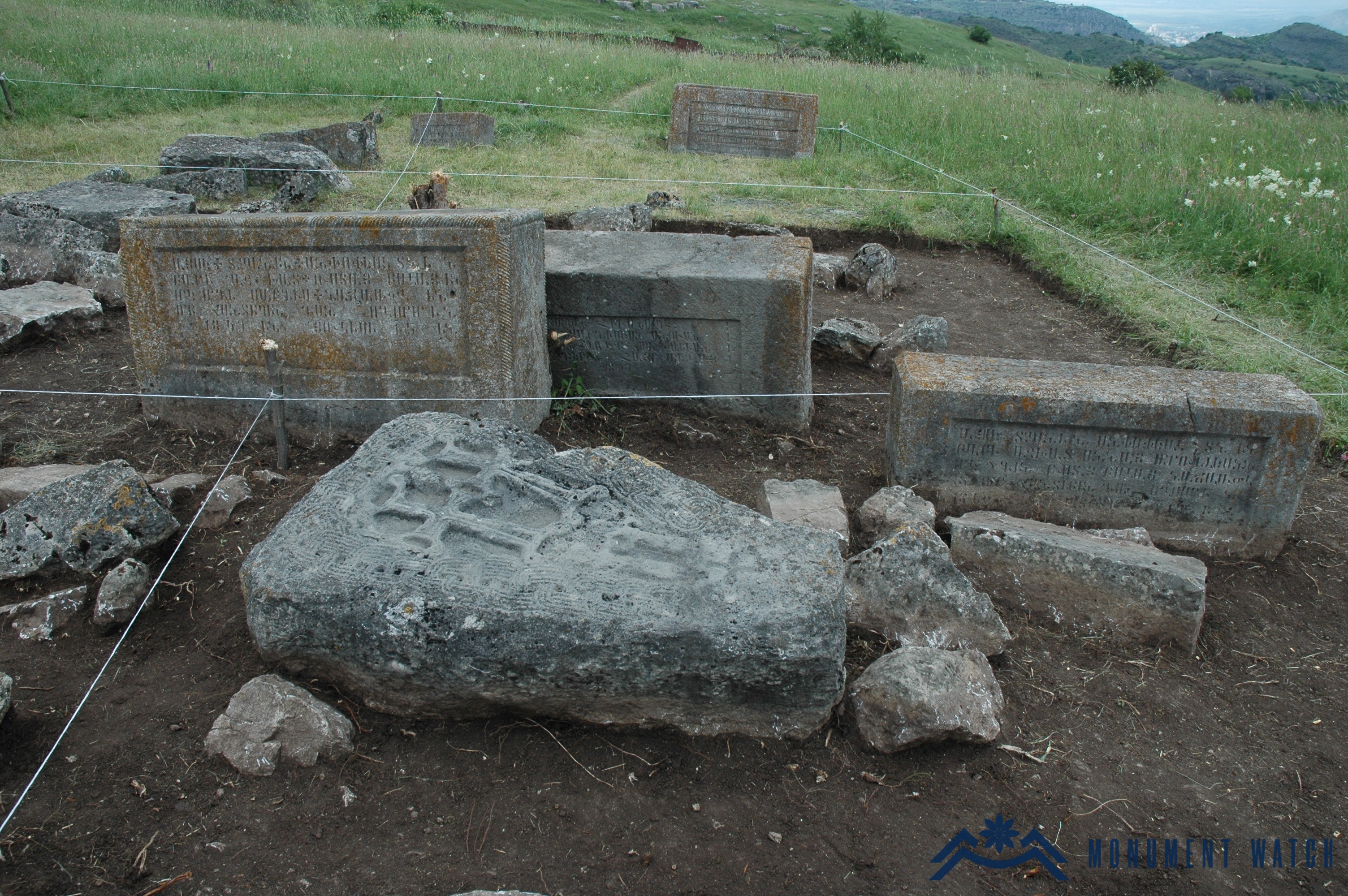
Excavations in the old section of the Armenian-Greek cemetery (Fig. 5) revealed that an Armenian cemetery existed here in the 12th–13th centuries, whose khachkars were reused for new burials in the mid-19th century. The five 12th–13th-century khachkars attested here indicate that Armenians inhabited the Shushi plateau during the most flourishing period of the Armenian principality of Khachen.
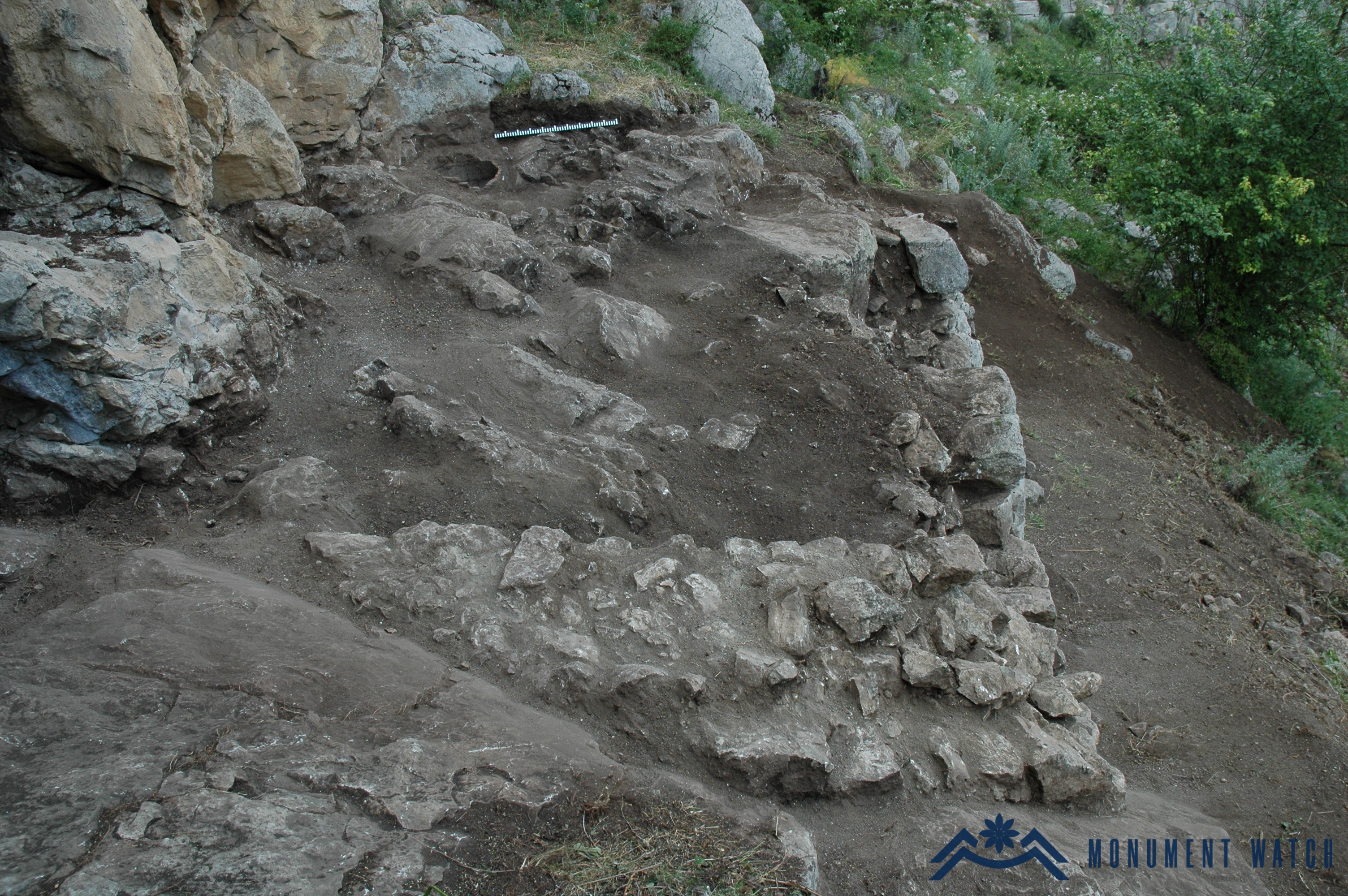
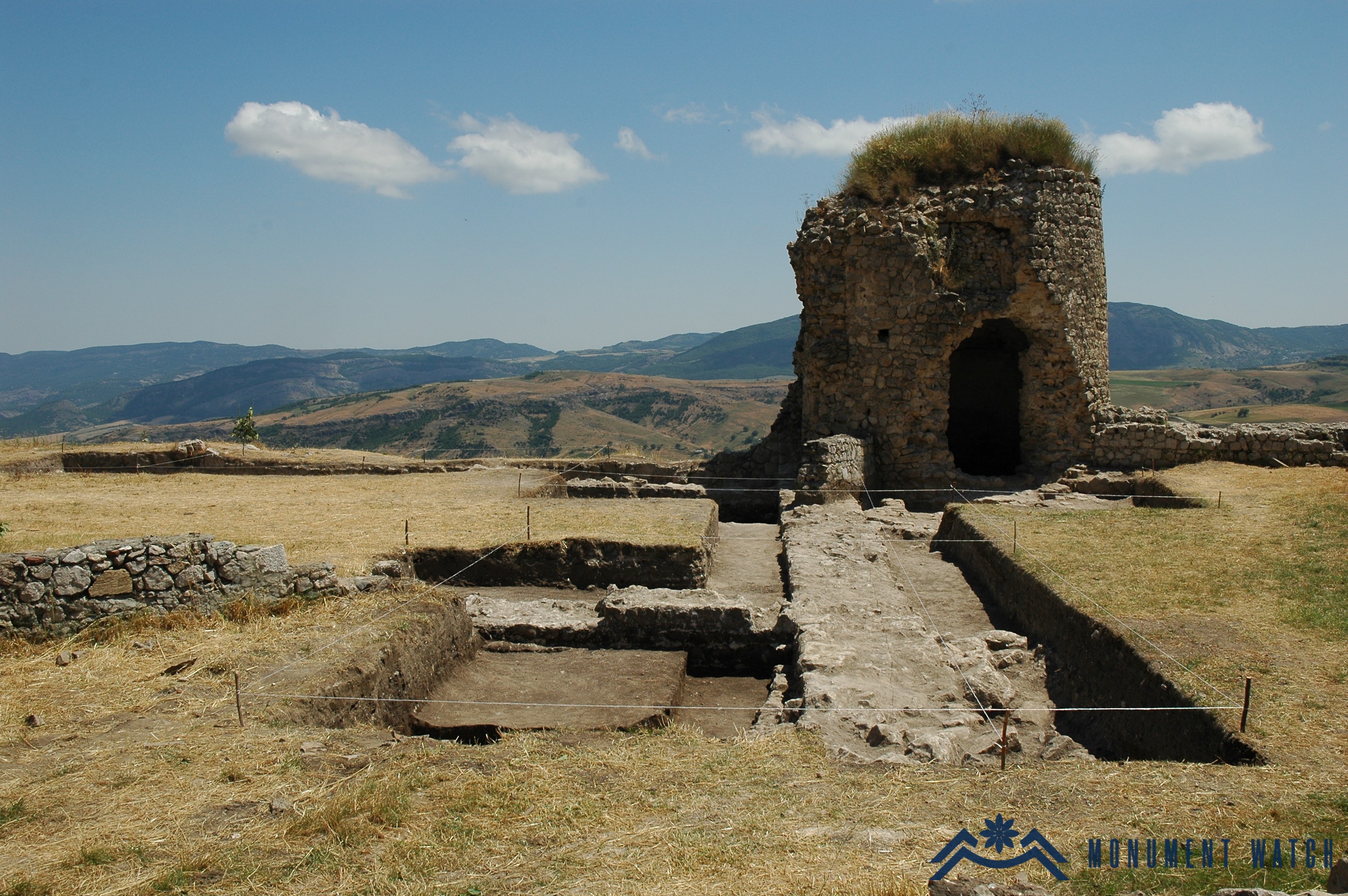
Excavations of the fortress in the Hunot Gorge, adjacent to Avani karan, provide grounds for locating here the Karkar fortress mentioned by the historians, which in the late 17th century—during the Armenian liberation movements—was rebuilt and came to be called Avani or "Little Skhnakh" (Figs. 6, 7).
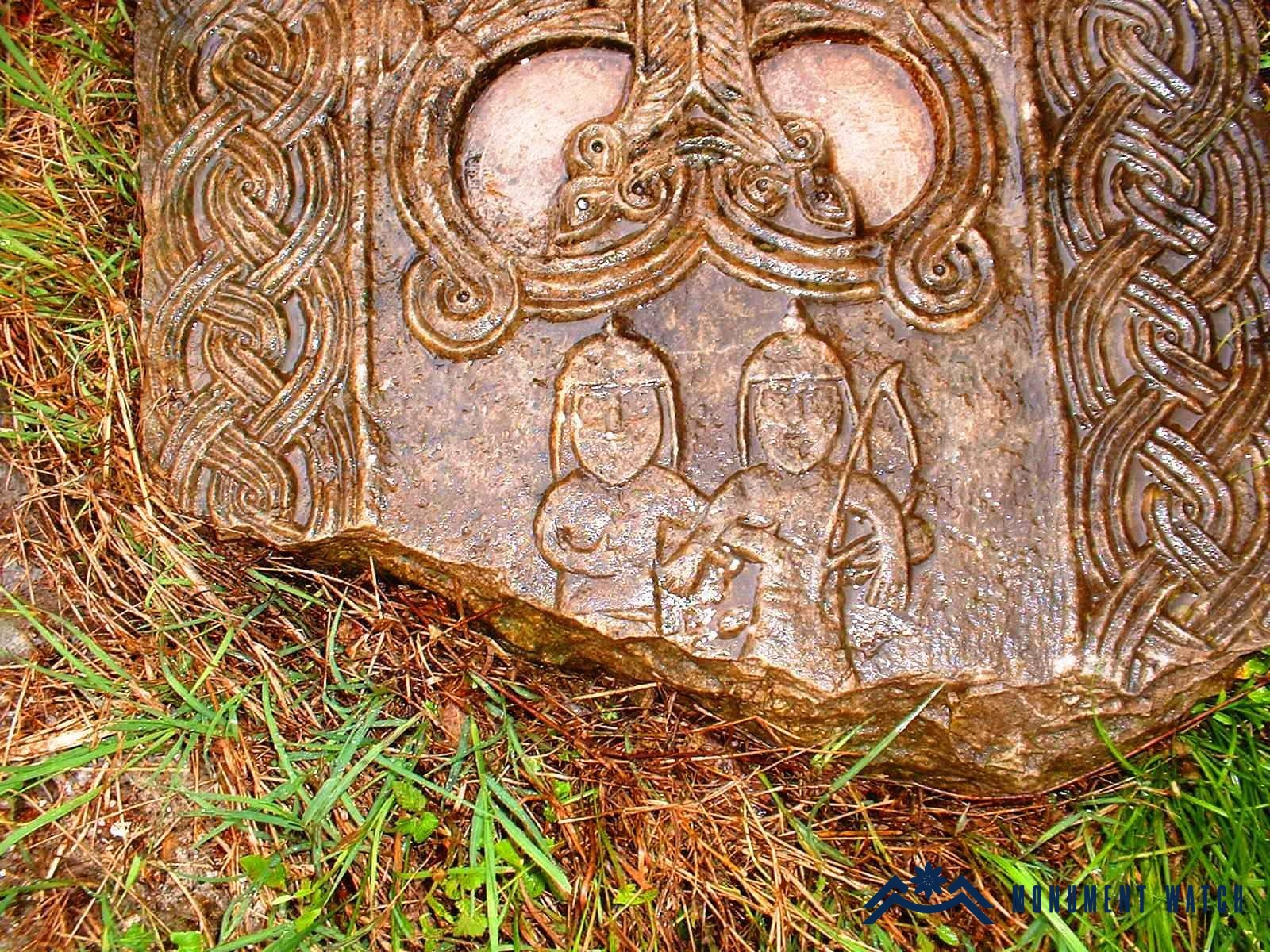
Excavations along the Mkhitarashen section of Shushi's enceinte demonstrate that the intramural zone was inhabited from at least the early first millennium BCE. The remains of an ancient stronghold were exposed at this location, plausibly identifiable with the celebrated Shoshi Kar ("Shoshi Stone") or Skhnakh—a toponym that, according to some scholars, may underlie the name Shushi itself (Fig. 8). Regrettably, work at the site was discontinued for want of funds. Shushi's corpus of khachkars (Armenian cross-stones) presents a striking cultural assemblage, particularly notable for its uncommon reliefs depicting warriors (Figs. 9–10).
The Archaeological Shushi
ArtsakhԱրցախ