


The Contemporary Khachkar of Gandzasar
Location
The Monastery of Gandzasar is situated in the historical province of Khachen in Artsakh, approximately 1.5 kilometers west of the village of Vank in the Martakert Region of the Republic of Artsakh.
Historical Overview
The khachkar created by painter-sculptor Robert Askaryan is situated beside the Church of Gandzasar and, as stated by the inscription encircling the sanctuary, is dedicated to the 20th anniversary of the re-establishment of the Diocese of Artsakh.
Architectural–Compositional Examination
The inscription running around the sanctuary reads: "In the catholicosate of Garegin II, I offered this khachkar on the twentieth anniversary of the reopening of our diocese. Archbishop Pargev + ՍԹ."
The themes and figures in this composition are numerous and varied. (By contrast, the figural imagery on classical Artsakh khachkars typically depicts a single person or a pair—at most, a family. Askaryan appears to present a comprehensive panorama of Artsakh life, featuring people, angels, household objects, fruits, and more (Fig. 1). As in many of the master's other works, an angel is carved on the "cornice," sheltering two additional angels beneath its wings. The head of the central angel appears to be set within a solar disk (notably, angels are the most frequently employed figures in the iconographic program of the Gandzasar church drum). Slightly below the angel—above the "string-courses"—two woven rosettes are placed, which, in the master's own interpretation, allegorically represent Artsakh tonir bread (traditional tandoor-baked bread).
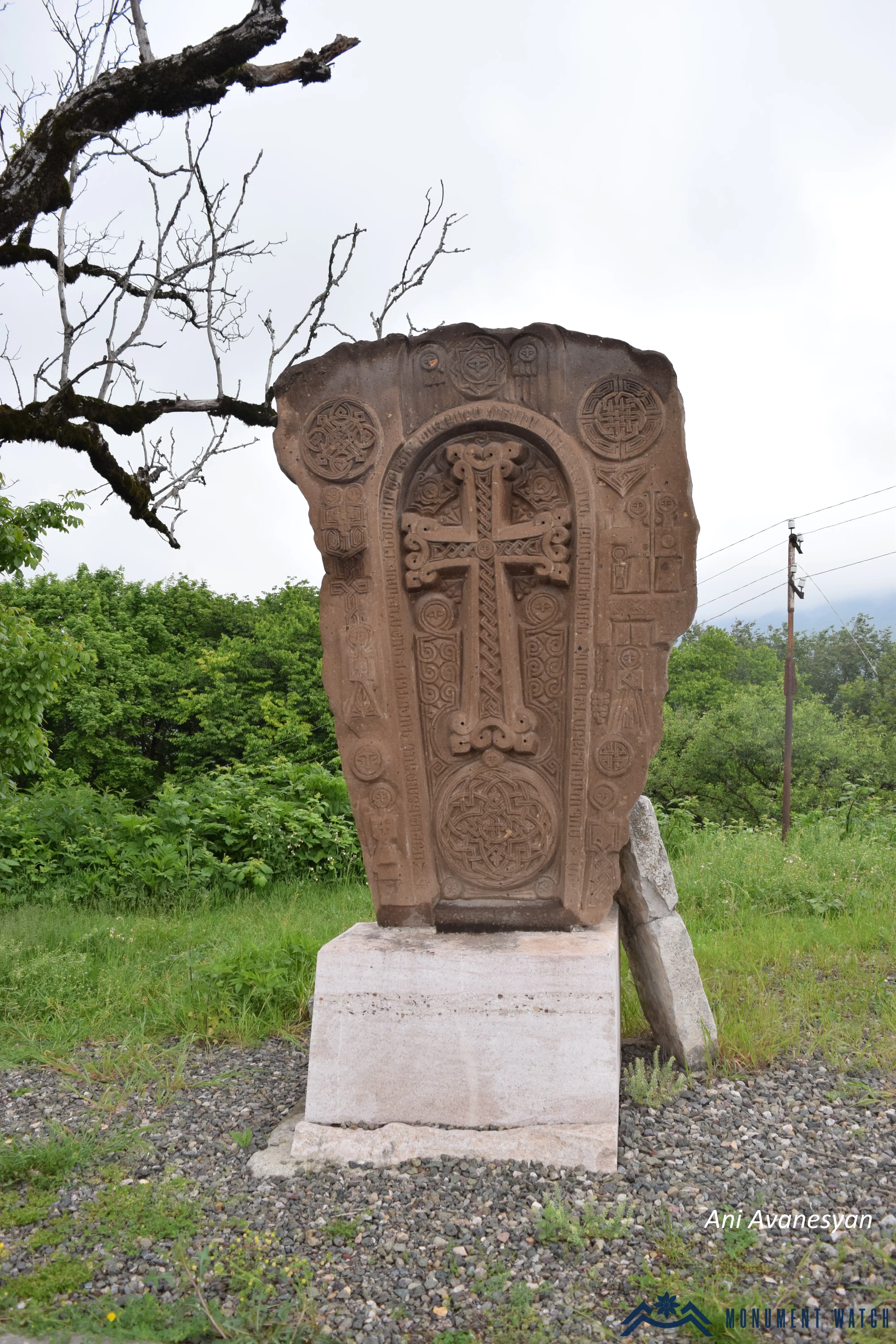
Fig. 1. The general view of the khachkar. Photo by A. Avanesyan.
The border friezes of the khachkar are richly adorned with figural reliefs. On the left, two figures on horseback are depicted; one again holds bread in his hand, and between the riders, a spear appears as a symbol of struggle. In the master's interpretation, this is a scene of contesting for bread. A child also appears in the scene, participating in the battle. Parallel to the combat tableau are a pair of angels holding grapes; slightly below is another angel, this time holding a pomegranate. Adjacent to this figure, grapes are rendered both in the hand and beside the figure. According to the master, the pomegranate and grape function in Christianity as symbols of sacrifice. From the early Middle Ages, the understanding of Christ as the vine and the grape cluster became closely associated with the Crucifixion and the Cross (see Petrosyan 2002, 411–440). In specific examples of early medieval sculpture, grape clusters are readily paired with or even replaced by pomegranates, grounded in the shared notion that wine could be produced from both (Petrosyan 2008, 349).
The khachkar also features a face inscribed within a circle, which, according to the master, represents the Mother (in his words: as the earth, as a planet). In the lower part of the khachkar, alongside the rosette, two further figures appear: an angel holding a cross and a woman in traditional dress (taraz) (Fig. 2).
Although the khachkar teems with sculpture, it is challenging to identify discrete, canonical iconographic themes here. Instead, we are confronted with individual motifs whose interrelations are not immediately evident and to which the master assigns specific functions. What emerges is a distinctive iconographic presentation, of which the sculptor's oral commentary forms an integral part.
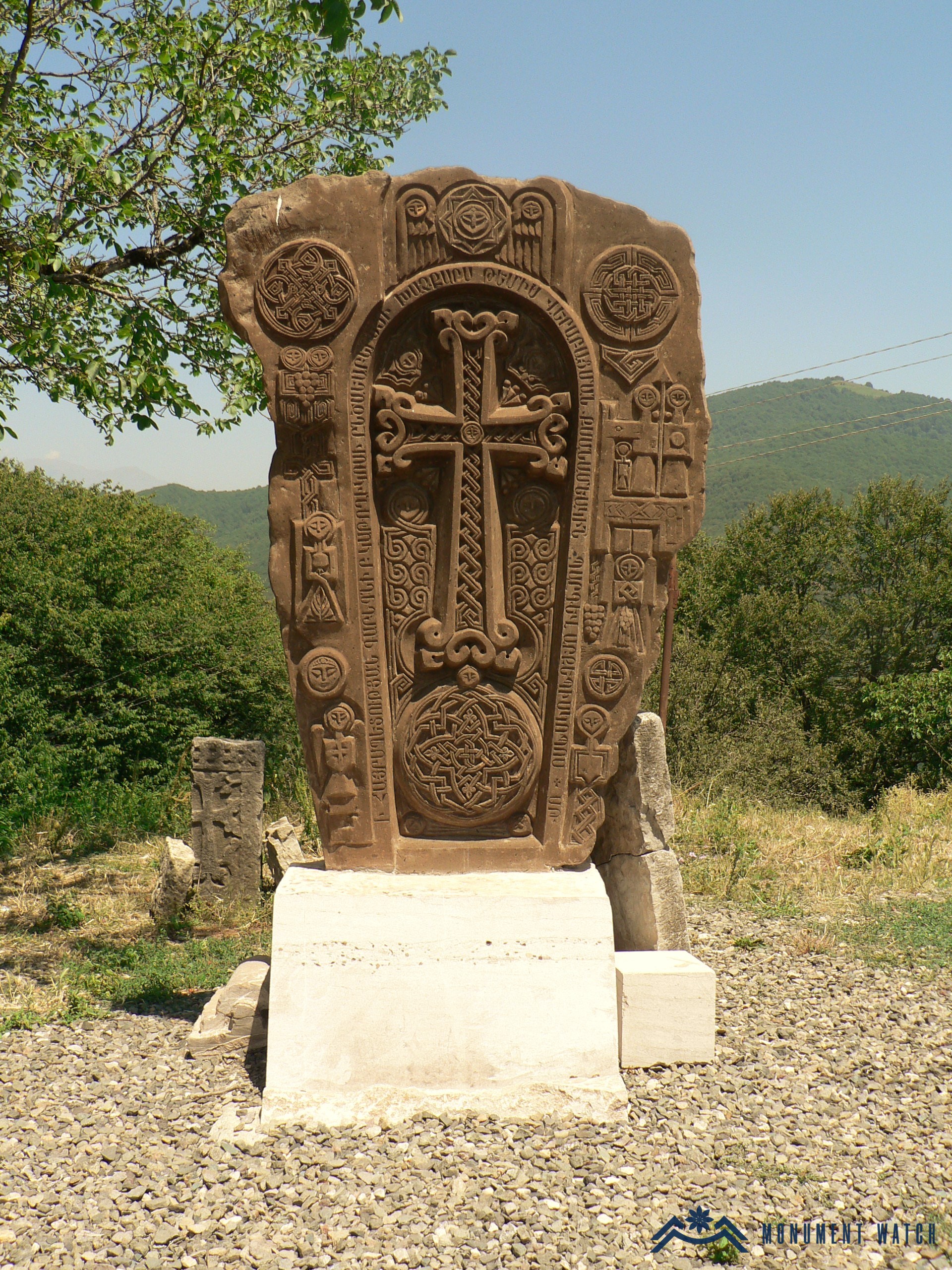
Fig. 2. The details of the khachkar. Photo by R. Askaryan.
The Condition Before and After the War
The monastery was not damaged during the 44-day war. Since 2023, it has been annexed by Azerbaijan. There is no information about the current condition of the khachkar; it is not visible in satellite imagery.
Bibliography
- Petrosyan 2008 - H. Petrosyan, Khachkar: Origin, Function, Iconography, Semantics, Yerevan: Zangak.
- Petrosyan 2002 - H. Petrosyan, "Medieval Armenian Conceptions of Living Space and Life Cycle: The World as Garden," Handes Amsorya, Venice.
- This material was prepared with the direct participation of the khachkar's author, R. Askaryan.
The Contemporary Khachkar of Gandzasar
Artsakh