


The Early Bronze Age Tombs of Stepanakert
Location
The tombs, designated as numbers 103, 119, and 125, were situated on the northern outskirts of the city of Stepanakert, the capital of the Republic of Artsakh, near the Veterinary Technical College (Fig. 1). Since 2023, Stepanakert has been under occupation by Azerbaijani forces.
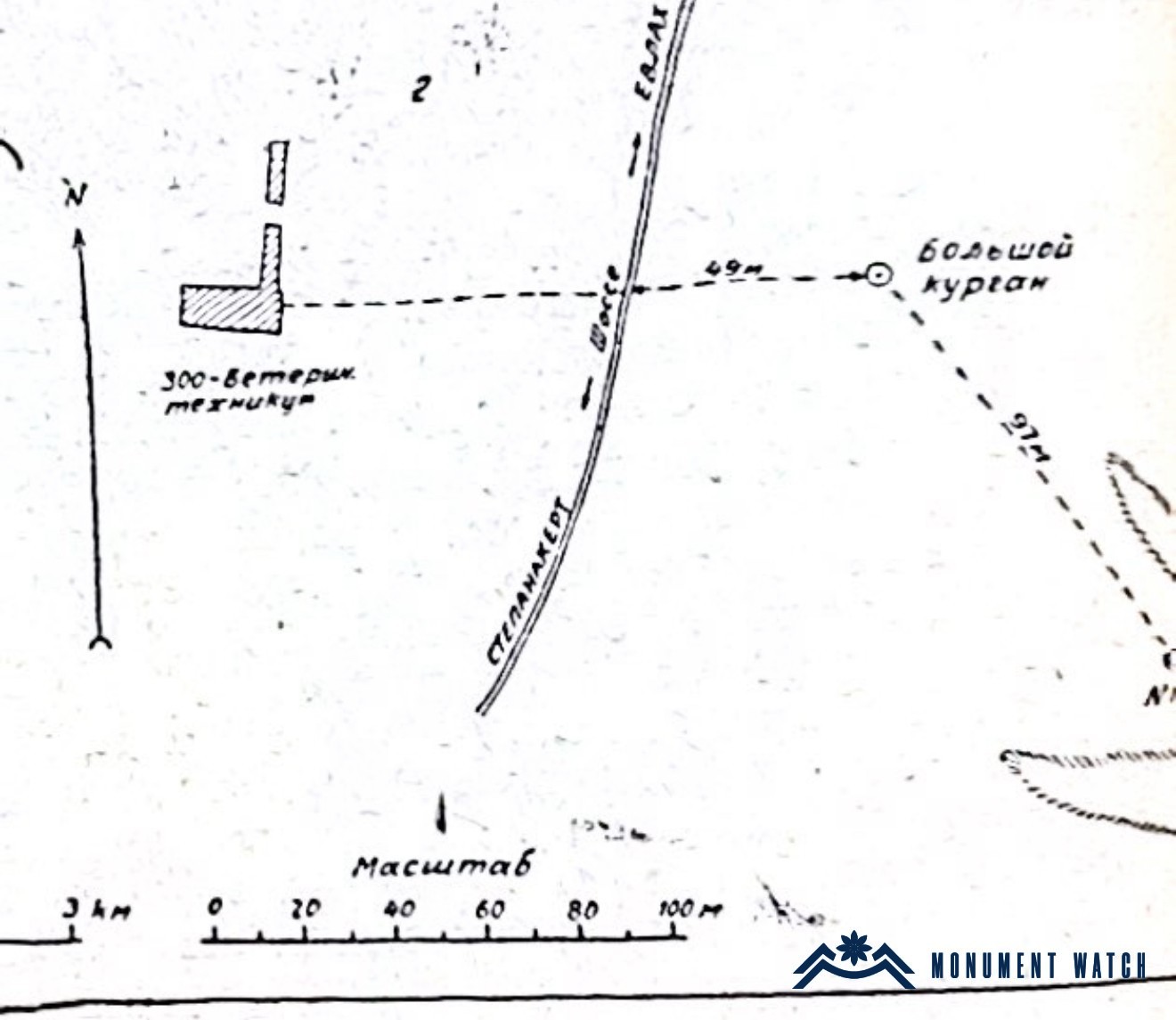
Fig. 1 The plan of the burial mounds from Y. Hummel's 1939 article.
Historical Overview
Detailed information about these monuments is preserved in the articles and report of the archaeologist Y. Hummel, who excavated the burial mounds (Hummel 1939a; Hummel 1939b; Hummel 1948, 15–21). The monuments have also been discussed by K. Kushnareva (Kushnareva 1973, 12–13; Kushnareva 1954, 178–179).
Archaeological Investigation
The monuments were excavated in 1938–1939 by archaeologist Y. Hummel, Director of the Khanlar Museum of History.
The Stepanakert No. 103 burial mound, excavated in 1938 (Hummel 1939, No. 4, 77–90), contained a circular tomb measuring 4.5 meters in diameter, in which 48 individuals were interred at different times (Fig. 2). The accompanying grave goods consist exclusively of microlithic implements—obsidian knives and scrapers—and thirty clay vessels. The vessels are handmade, fashioned from pure (unmixed) clay and constructed on a woven-fabric base (Fig. 3; Hummel 1939a, 77–90; Kushnareva 1954, 178).
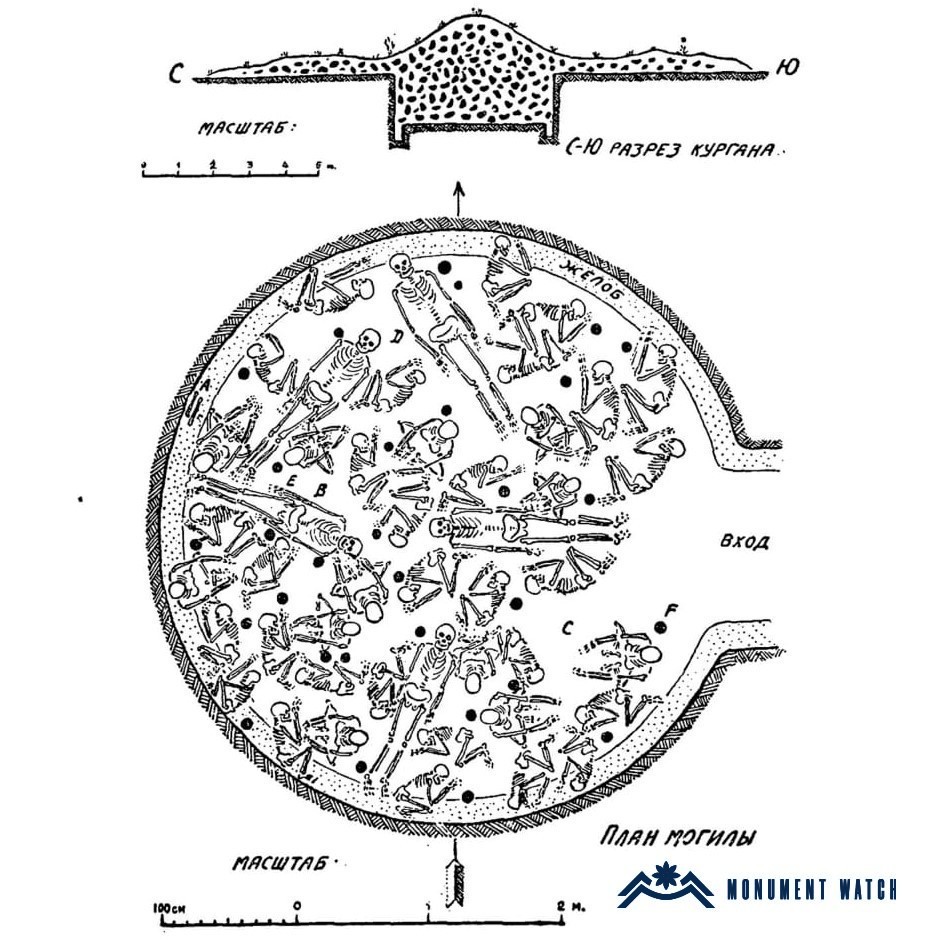
Fig. 2 The schematic of mound No. 103, from Y. Hummel's 1939 article.
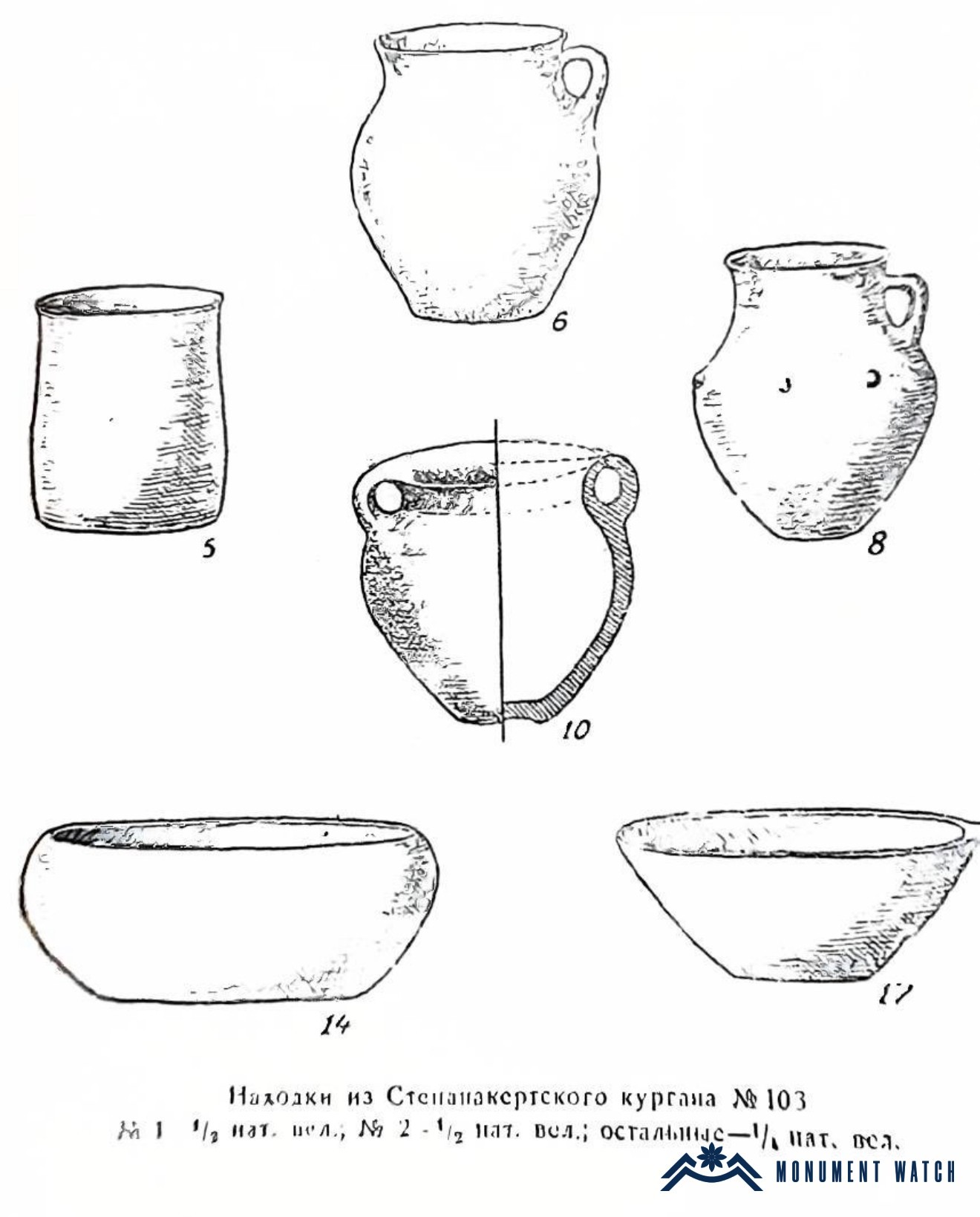
Fig. 3 The clay vessels from mound No. 103, from Y. Hummel's 1939 article.
Tomb mound No. 119 measured 1.5 meters in height and 24 meters in diameter. The upper layer of the mound contained primary inhumations. The skeletons were laid on their sides in a flexed position, oriented in various directions. A large number of sardonyx, bronze, bone, and bitumen beads were recovered, along with bronze buttons, a bronze ring, fragments of an iron pipe, and other objects. Additionally, sherds of black pottery characteristic of the "Advanced Bronze Age" were found; Hummel dated these to the 8th–6th centuries BCE (Fig. 4).
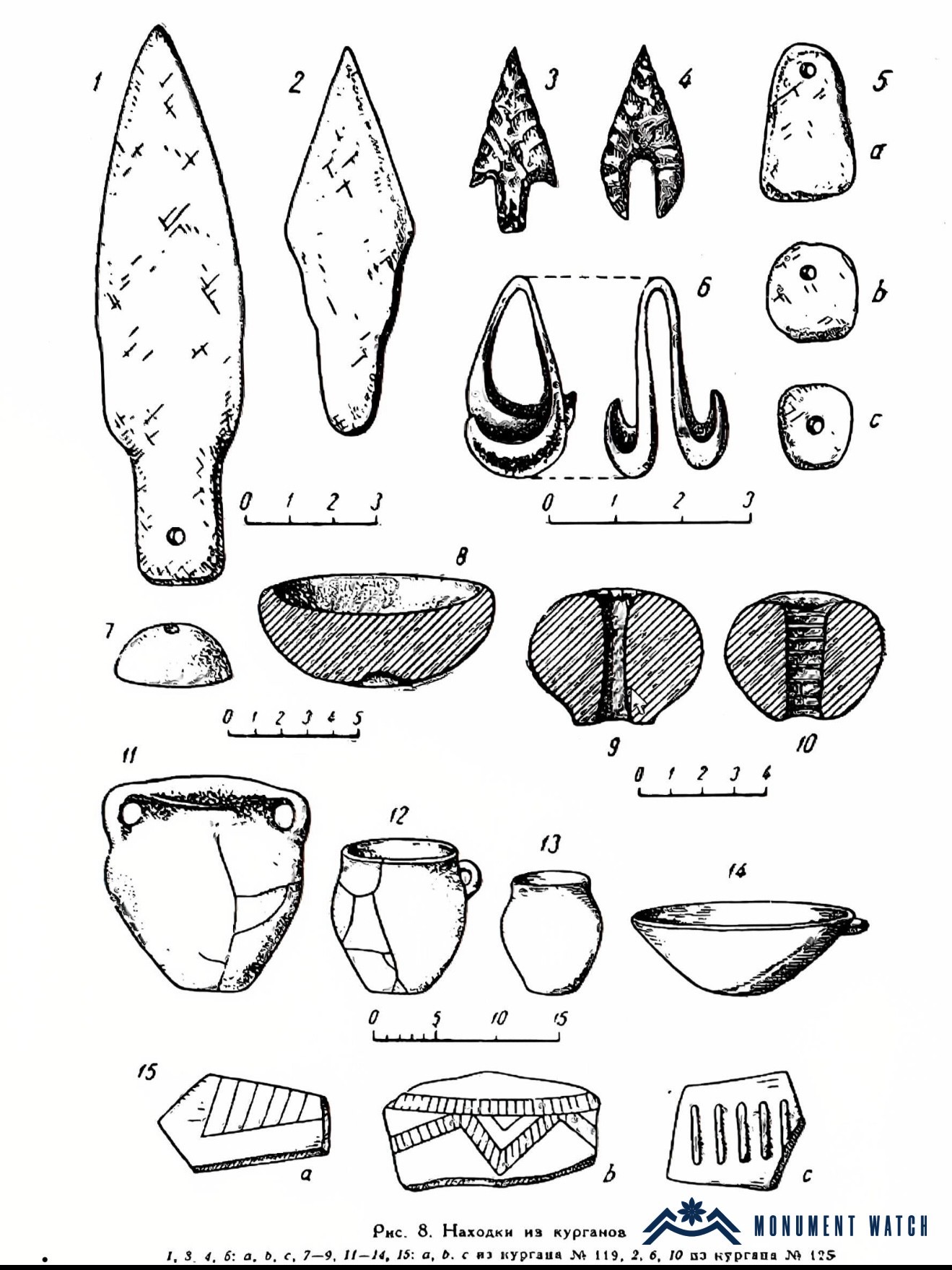
Fig. 4 The grave goods from mounds No. 119 and No. 125, from Y. Hummel's 1948 article.
Immediately beneath the primary inhumations, a second—and earlier—cultural layer was exposed. This layer contained mass burials sealed beneath a 0.7-meter-thick stratum of river stones bound with clay mortar. The deceased was placed on the surface of a small circular plaza (4.5 m in diameter), which was surrounded by a horseshoe-shaped cromlech featuring an entrance to the north-northeast (Fig. 5).
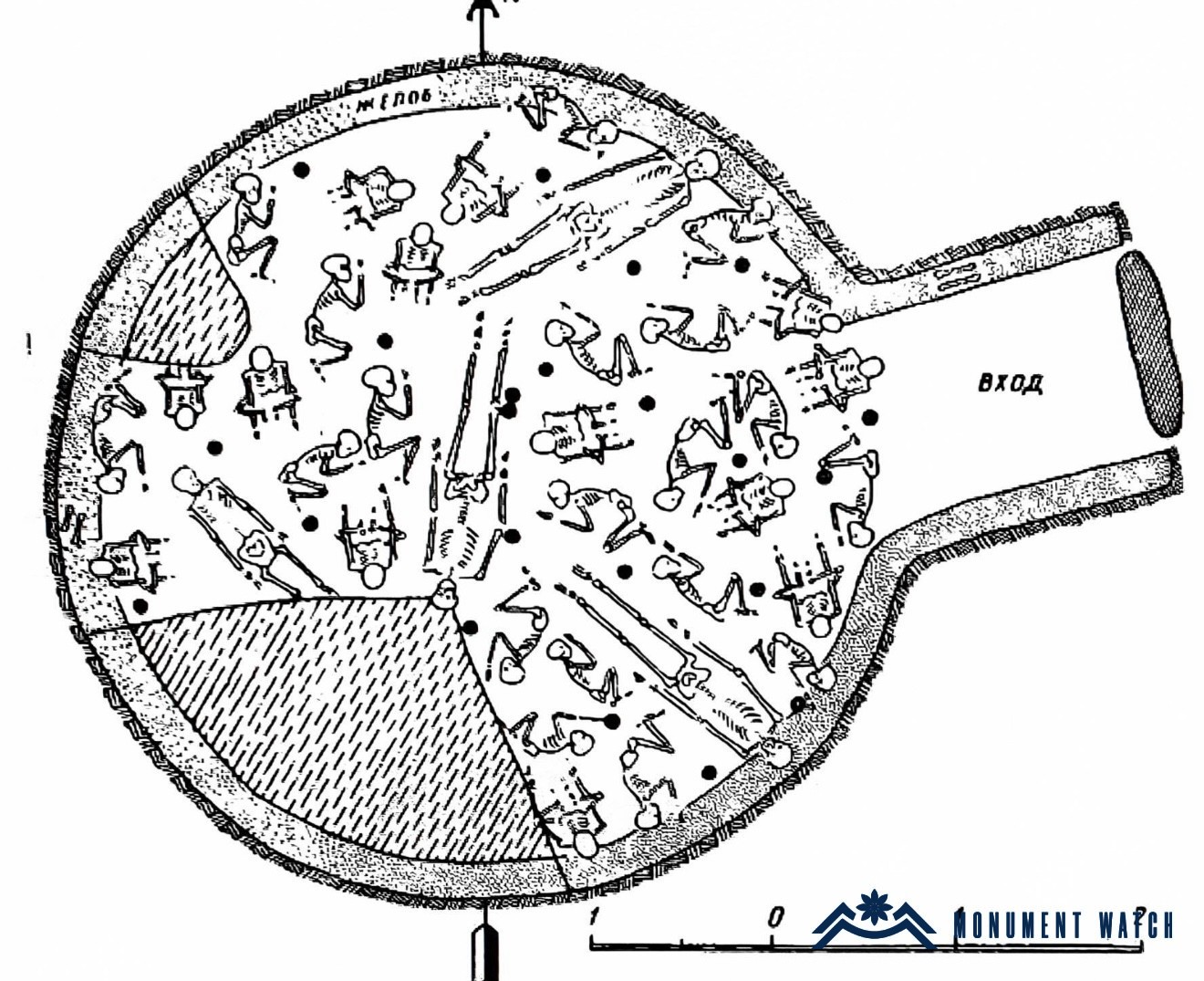
Fig. 5 The schematic of mound No. 119, from Y. Hummel's 1948 article.
The tomb's entrance was sealed by a large, vertically placed flagstone measuring 1.45 × 1.0 × 0.3 meters. The entire entry passage was then filled with river gravel (Fig. 6). The passage measured 0.50 meters in depth and 0.20 meters in width. In the intact chamber beyond, the remains of 36 individuals—adults and children—were uncovered, positioned in seated, flexed, and supine postures. According to Y. Hummel, this was a clan tomb.
At the center of the burial area lay the supine skeleton of an adult. Beside it were found a stone mace, a small copper dagger, and two stone anvils. In the southeastern sector of the chamber, six stone arrowheads and five bone awls were recovered; in the northern sector, three gold beads and several stone pendants were present. Additionally, next to the interred individuals were 22 broken clay vessels and various obsidian flakes (Hummel 1948, 15–21).
Beneath this burial layer lay an earlier cultural stratum, approximately 20 centimeters thick, which contained a fossilized human skeleton without any associated grave goods.
Burial mound No. 125 was located 153 meters south of the mound described above (height 0.8 m, diameter 9 m). The western half of the mound had been heavily disturbed by local stone quarrying. Beneath the well-turfed surface layer lay, in a disorderly array, Bronze Age pottery sherds, 44 obsidian flakes, and scattered human bones.
Beneath this upper layer, as in mound No. 119, was a sealed deposit containing a mass grave, though most of it had collapsed in earlier years. Within the intact portion of this deposit was a single well-preserved human skeleton lying on its left side, with legs drawn up tightly and arms bent at the elbows. The skull rested on a river pebble, and the body was oriented from northeast (head) to southwest (feet). Grave goods included a spherical mace, a copper flat spearhead, five tanged arrowheads of red chert, a gold earring, a stone mortar, 31 obsidian flakes, and other items (Hummel 1948, 19–20).
Directly beneath the embalmed skeleton, a nearly square burial chamber was uncovered (measuring 2.1 m in length, 1.9 m in width, and 2.0 m in depth). On the floor of this pit lay seven adult skeletons placed in a flexed, lateral position and covered with a thick layer of red ochre. The grave assemblage consisted solely of eight obsidian flakes.
Based on the stratigraphic data and the characteristic nature of the accompanying artifacts, Y. Hummel dated the middle cultural layer of burial mounds № 119 and № 125 to the transition between the 3rd and 2nd millennia BCE. In contrast, the lower layer belongs to the Neolithic period.
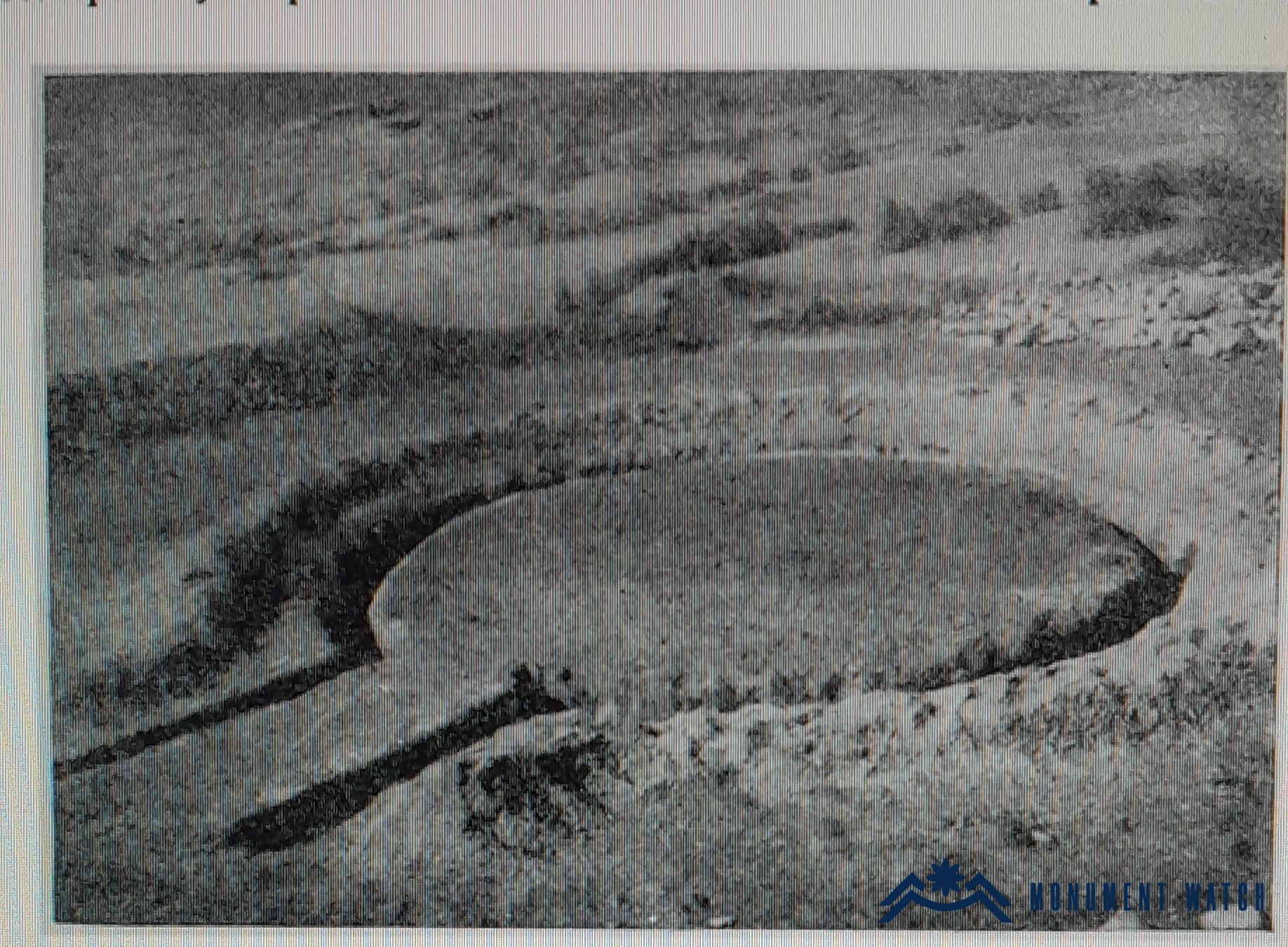
Fig. 6 The mound No. 119 after excavation, from Y. Hummel's 1948 article.
The Condition Before, During, and After the War
In 1939, the Stepanakert Museum of History and Regional Studies was established, where the archaeological materials unearthed by Y. Hummel were placed. During Soviet times, the locations of the excavated monuments were built over with residential buildings.
Bibliography
- Hummel 1939a - Hummel Y., “Excavations in the Nagorno-Karabakh Autonomous Region in 1938,” Proceedings of the Azerbaijan Academy of Sciences, No. 4.
- Hummel 1939b - Hummel Y., "Archaeological Work in the NKAO in 1939" (manuscript, Stepanakert Museum of History and Regional Studies).
- Hummel 1948 - Hummel Y., "Some Monuments of the Early Bronze Age in Azerbaijan," Transactions of the N. Marr Institute of Ethnography, Archaeology, and Anthropology, Vol. 20, Moscow–Leningrad, pp. 15–21.
- Kushnareva 1954 - Kushnareva K., "Copper Age Monuments of Nagorno-Karabakh," Soviet Archaeology, Vol. 20, Moscow, pp. 165–179.
- Kushnareva 1973 - Kushnareva K., "On the Social Interpretation of Certain Burials in the Southern Caucasus," Brief Communications of the Institute of Archaeology: Bronze Age in the USSR, No. 134, Moscow, pp. 12–13.
The Early Bronze Age Tombs of Stepanakert
Artsakh