Historical Overview
According to the register of immovable historical and cultural monuments of the village of Karmir Shuka, eleven sites are listed, among them the monastic complex "Erek Mankunq" (Certificate of the Ministry of Education, Science, Culture and Sports of Artsakh).
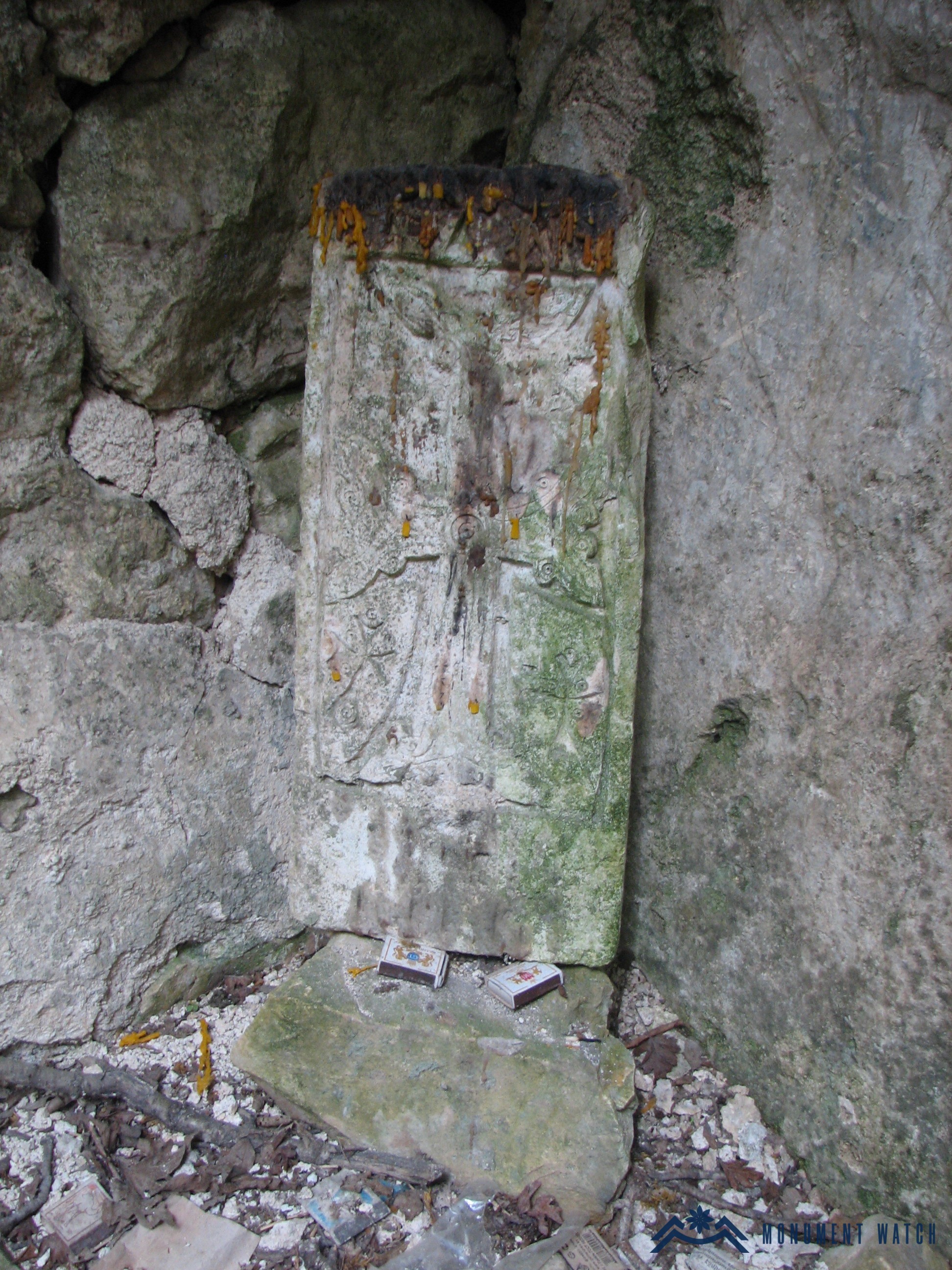
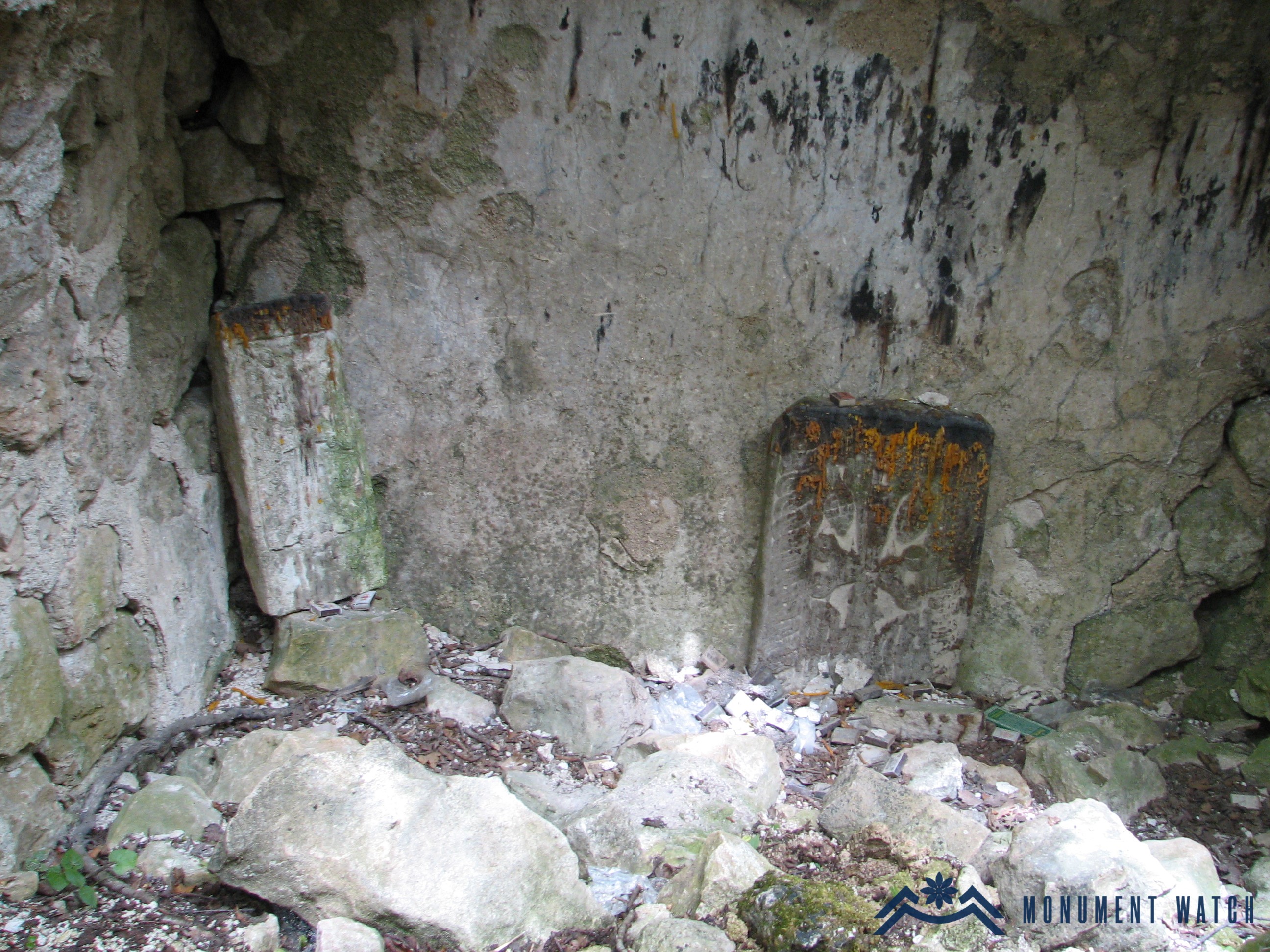
Written testimony concerning the monument is limited to brief notices by Sargis Jalalyants and Makar Barkhudaryants. S. Jalalyants writes: "On the summit of this mountain, in a picturesque setting encircled by cliffs and wooded hills, rising above two plains, a church has been erected, to which numerous pilgrims frequently come. Beneath the altar of this church, there are four vaulted tombs, in which rest the relics of the holy youths, brought here in the time of Veika [sic]…" (Jalaleants 1858, 334).
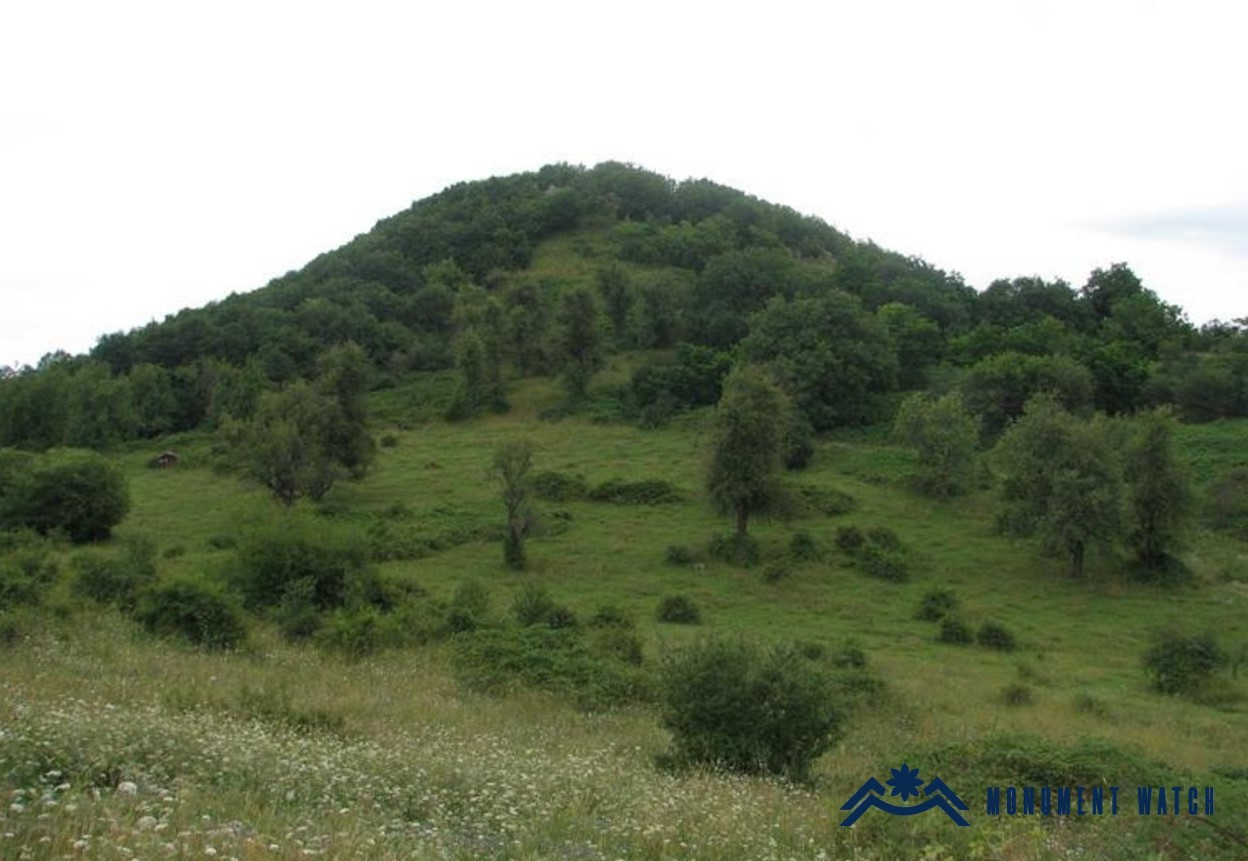
In turn, M. Barkhudaryants reports: "The people of Artsakh thus call that monastery which from ancient times was built on the summit of a high hill near the village. The eastern and northern sides of the hill are rocky escarpments. The monastery church is raised upon two columns. Beneath the altar are four tombs which, from time to time, were repaired together with the church. Both the monastery and the tombs are major places of pilgrimage. Near the monastery, there were cells for the monks, now completely ruined. Traces are also visible of an enclosing wall running from rock to rock" (Barkhutareants 1895, 103).
An almost identical description is provided by E. Lalayan, who notes that the monastery stands "near the village of Mavas, on a high hill whose eastern and northern sides are sheer cliffs, connected by a massive enclosure wall, of which only traces survive. The monastery is erected on two columns; beneath the altar are four tombs. Within the enclosure, there were formerly cells for the brethren, now destroyed. This monastery and its tombs are regarded as a major place of pilgrimage" (Lalaean 1897, 51).
Architectural-compositional examination
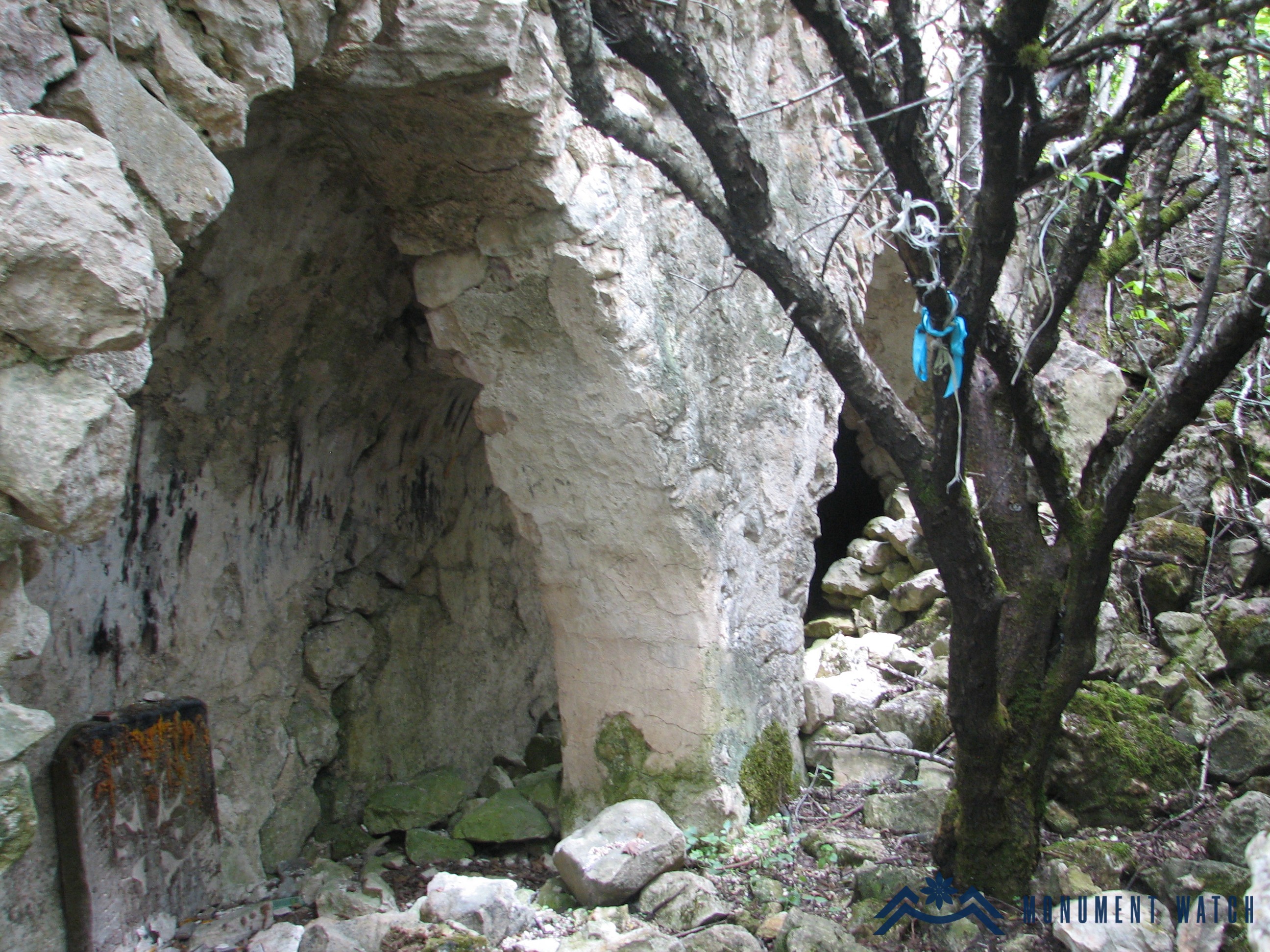
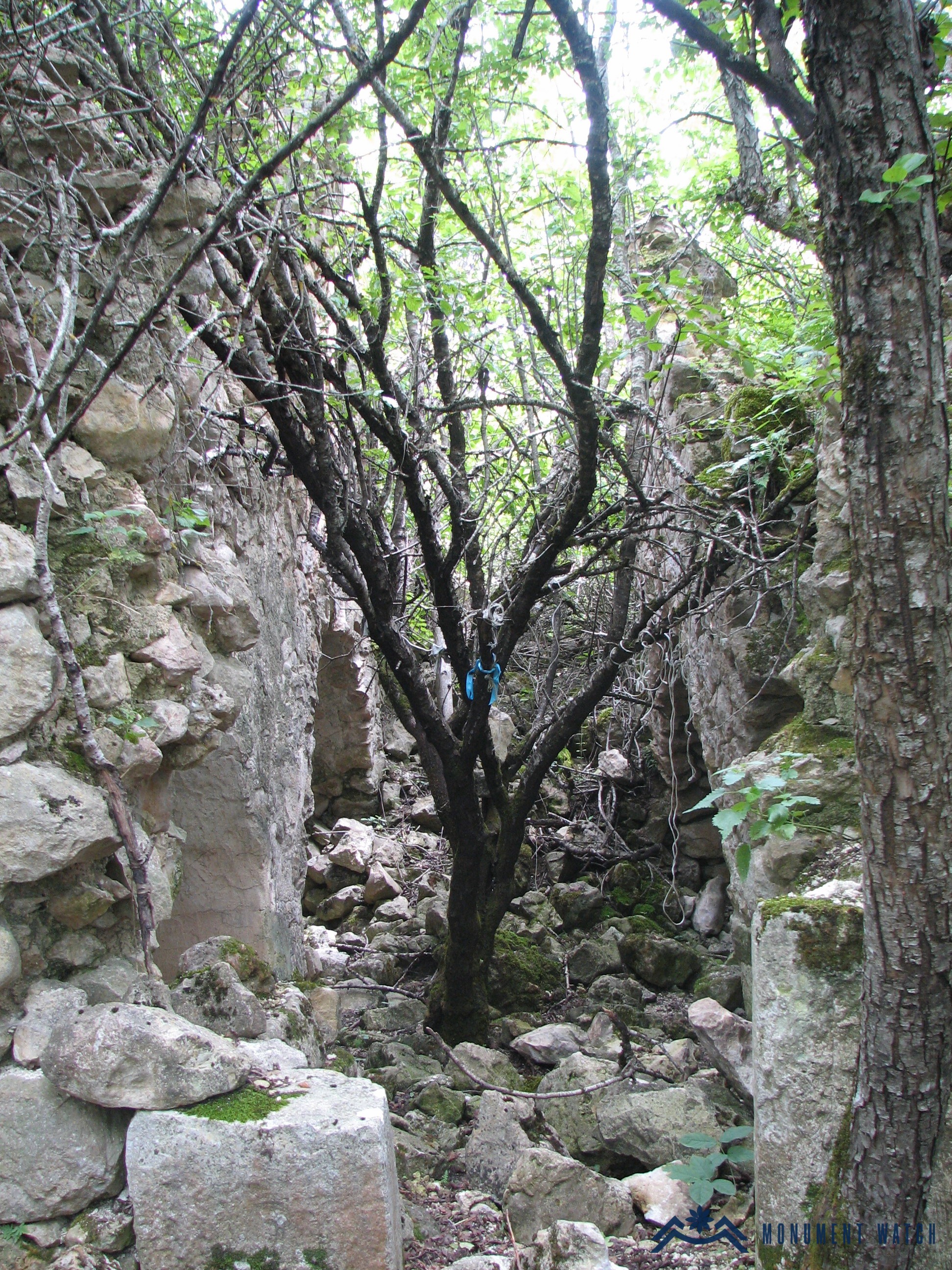
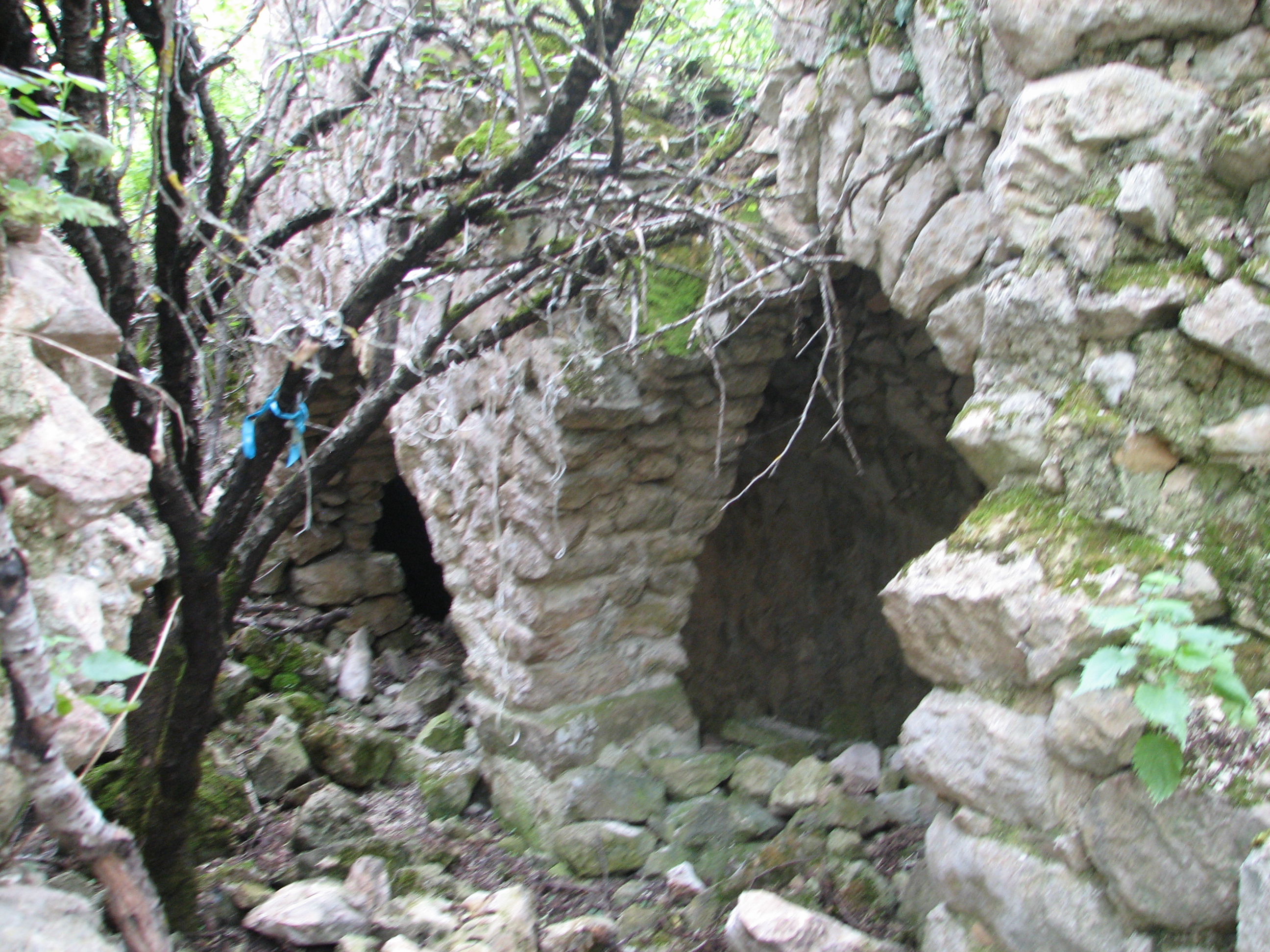
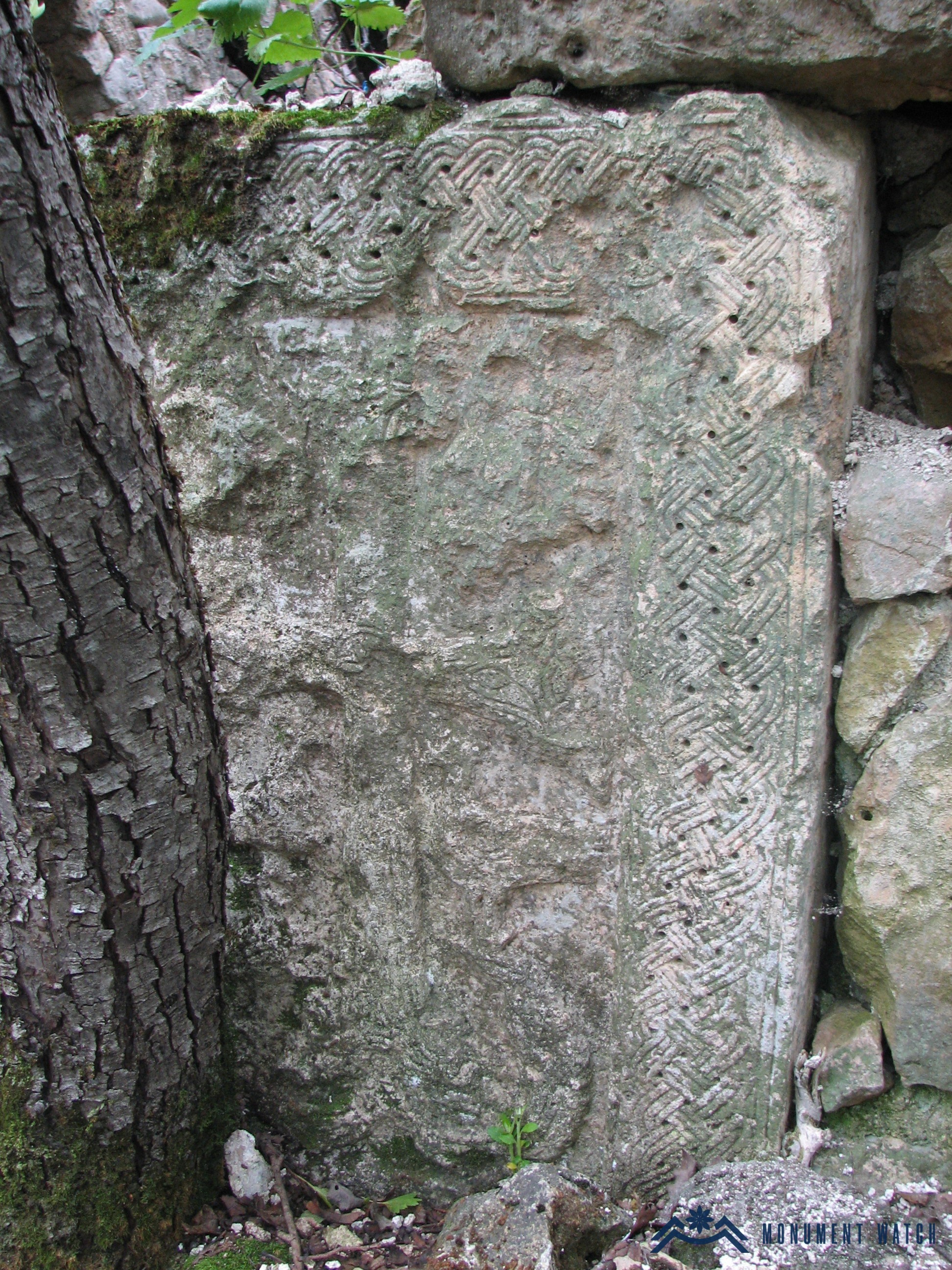
The complex comprises the church, a gavit (narthex), adjunct structures, an enclosing wall, and a cemetery. The church is a three-aisled basilica with two vault-bearing piers standing in the center of the hall, a semicircular apse, and two narrow side pastophoria (prothesis and diaconicon). The monument is semi-ruinous: the side aisles and the pastophoria remain standing (Figs. 2, 3), while the central nave-considerably wider and higher than the flanking aisles (Fig. 4)-has collapsed, together with the domical vault over the apse; the debris lies within the interior. The masonry consists of roughly hewn and undressed stones set in lime mortar. There is a single entrance on the west façade; to the right of the doorway, a finely carved khachkar is set into the wall (Fig. 5). In front of the entrance are the ruins of the former gavit.
Traces of rectangular buildings are discernible near the north and east façades of the church, visible today as low earthen mounds and depressions. At one time, the church stood within a perimeter enclosure constructed of large stones, of which sections still survive intermittently. The cemetery extends outside this enclosure (photo from the certificate from the Ministry of Education, Science, Culture, and Sports of Artsakh).