
The Hochants Anapat

Location

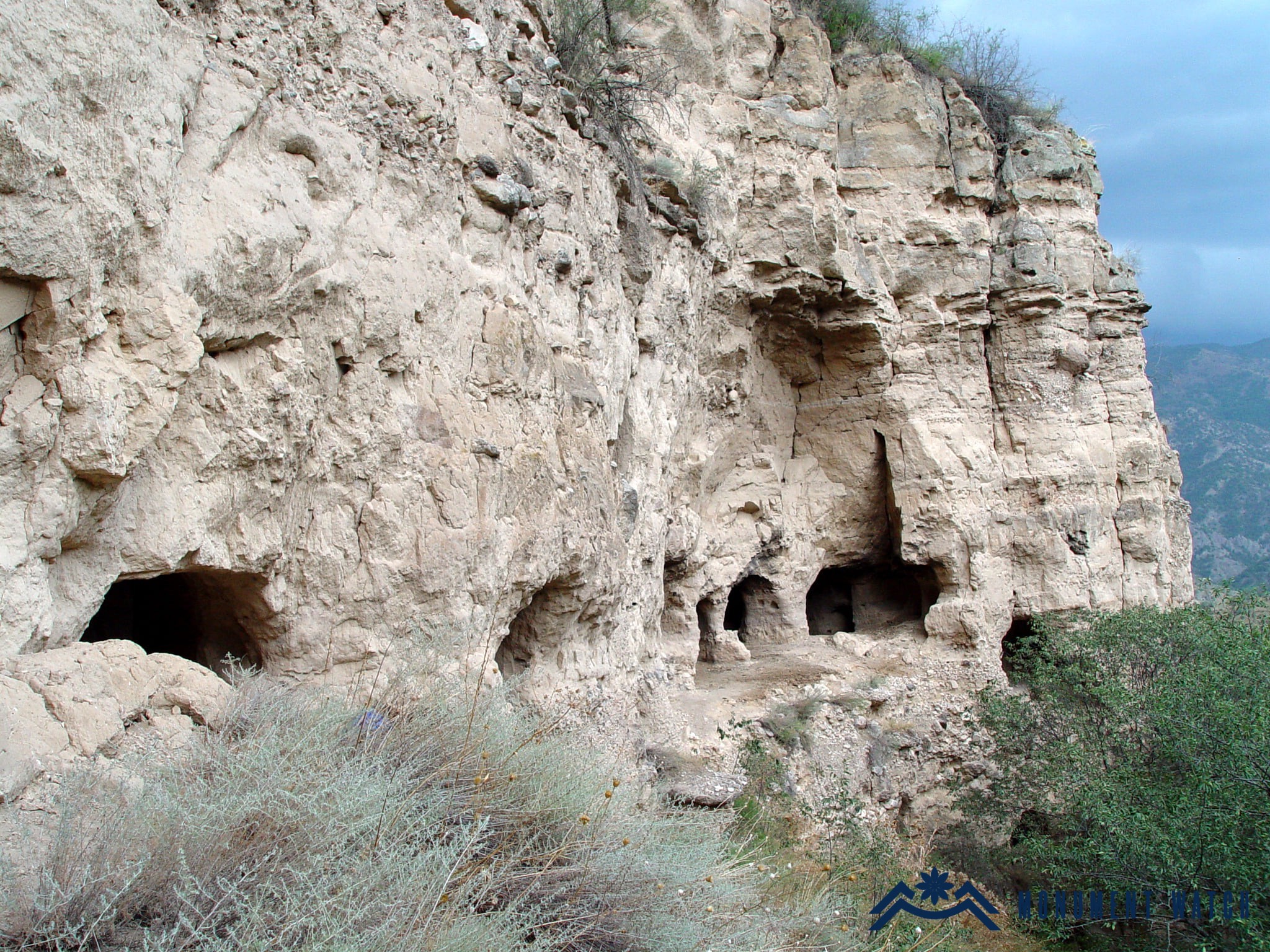
The monument is located east of the village of Hochants, in the Kashatagh region of Artsakh, in a gorge on the upper course of the river of the same name (Fig. 1).

Fig. 1. A general exterior view of the hermitage. Photo source: the Speleology in Armenia Facebook page.
Historical overview

The settlement—recorded in sources as Hunchak—is first mentioned by the 13th-century historian Stepanos Orbelian in The History of Syunik, in the list of settlements of the Aghahēchk district, assessed at 12 tax units (Orbelian 1986, 399).

The monument itself is first discussed by Arakel Davrizhetsi, in connection with the activities of Bishops Kirakos and Tuma, who—having studied at the Great Hermitage of Tatev—founded a new hermitage near Hochants to pursue a secluded monastic life. Davrizhetsi depicts them with particular reverence, presenting them as exemplary holy figures, and reports that Bishop Kirakos died in 1621 within the hermitage he had founded and was buried there (Davrizhetsi 1896, 260).

Architectural and compositional description

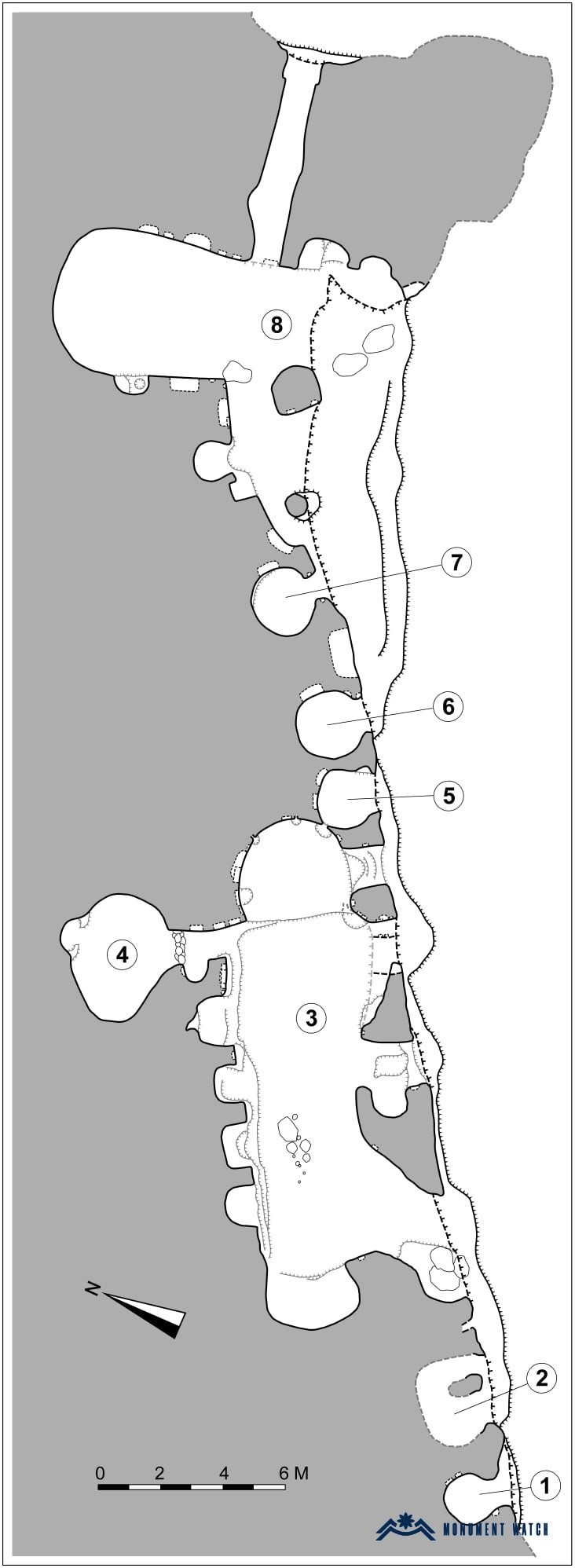
The complex consists of two principal rock-cut halls, connecting passages, and separate cells (Karapetyan 1999, 164) (Fig. 2).

Although the site has never been subjected to a systematic archaeological or architectural investigation, the monument’s external inspection and the presence of ashlar-faced wall sections suggest at least one major collapse. Consequently, the present configuration likely does not fully reflect the original layout.

Fig. 2. The plan of the complex. Photo source: the Speleology in Armenia Facebook page.
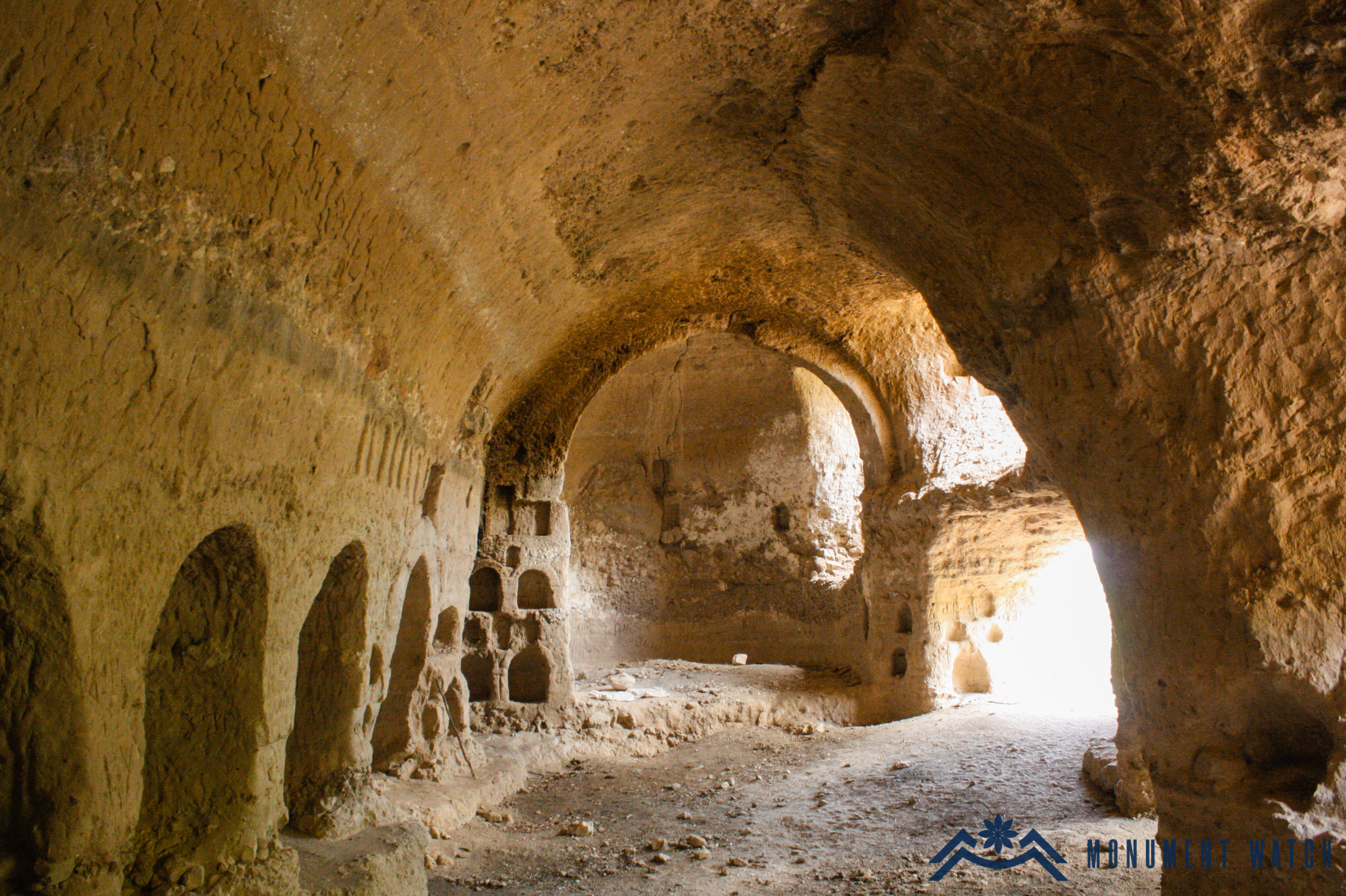
The first hall is a single-nave space in plan, oriented roughly east–west with a slight deviation. In its eastern part, an arched dome-like recess is carved. The walls are articulated with numerous niches and decorative arcades (Figs. 3-5), a feature comparable to the interior treatment of single-nave Syunik churches in the 17th-18th centuries.

Fig. 3. An interior view of the western hall. Photo by Z. Yrkoyan.
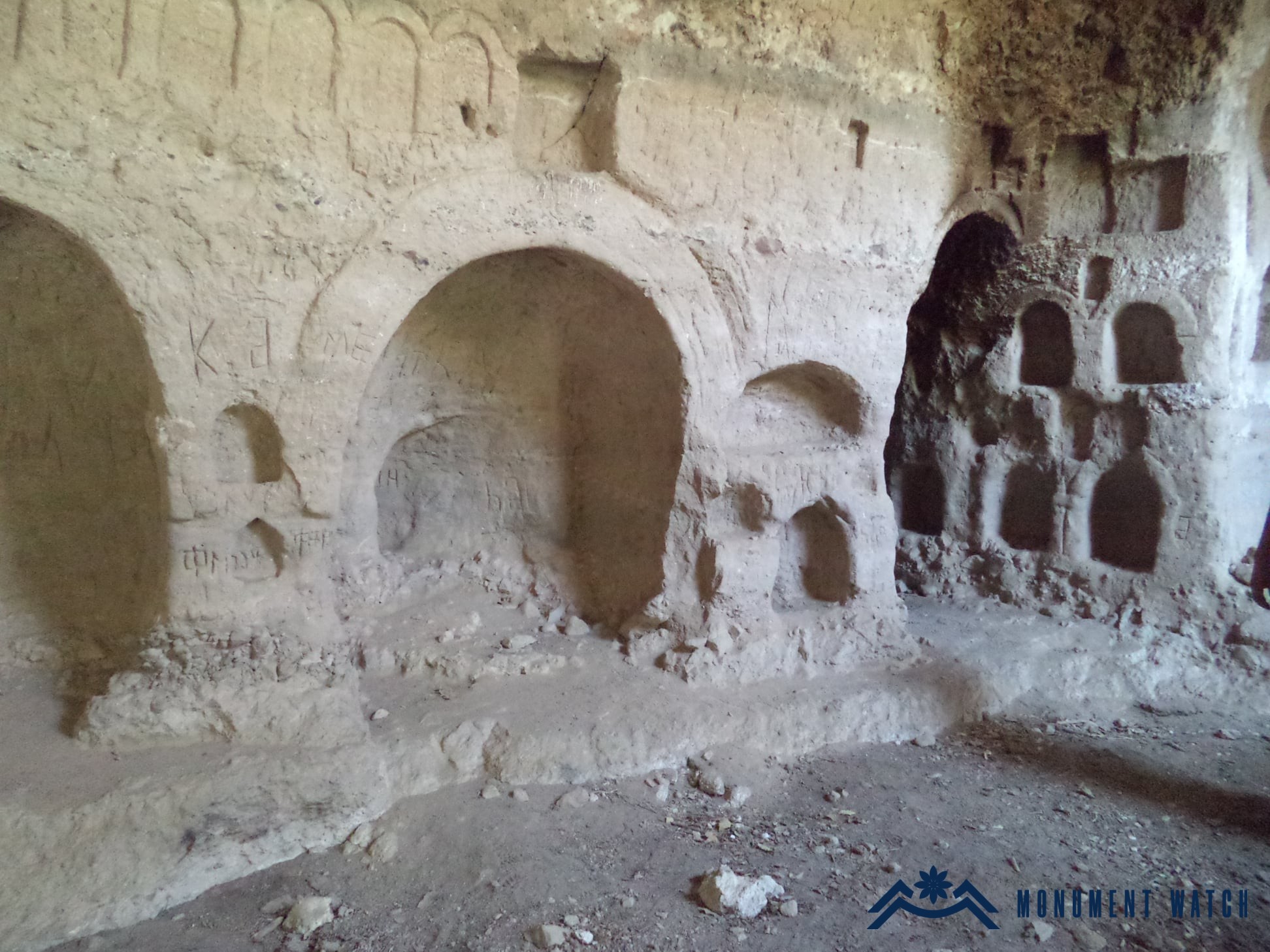
Fig. 4. An interior view of the western hall. Photo source: the Speleology in Armenia Facebook page.
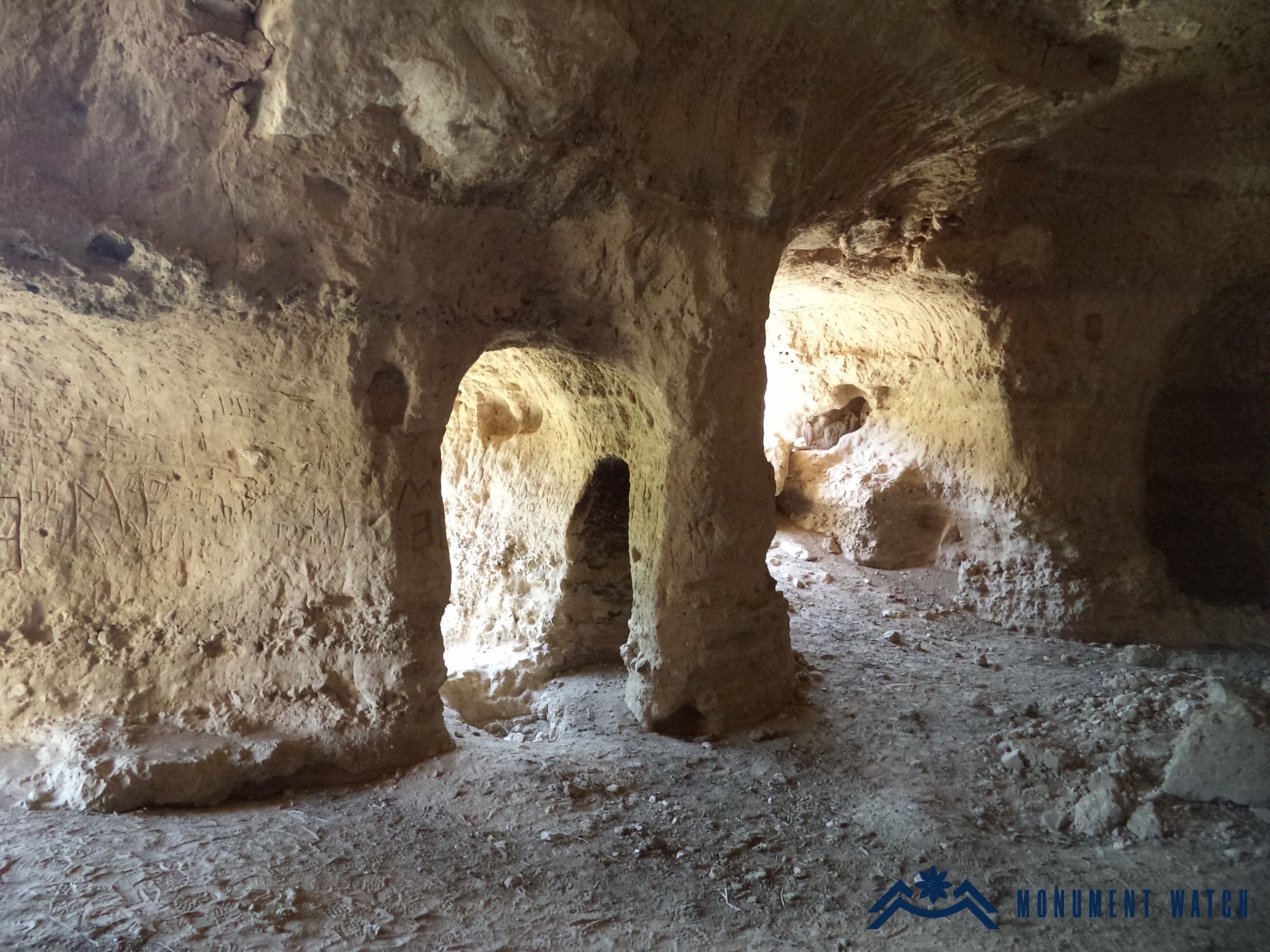
Fig. 5. An interior view of the western hall. Photo source: the Speleology in Armenia Facebook page.

The condition before, during, and after the war

Before the war, the complex was largely standing. Traces of collapse were visible in specific passages and in part of the large eastern hall.

No damage is reported to have occurred during the war; however, no verified information is available regarding the monument’s condition in the post-war period.

Bibliographic Examination

Despite its distinctive character, references to the monument are relatively scarce. The earliest narrative evidence appears in Arakel Davrizhetsi’s History, which records the foundation of the hermitage (Davrizhetsi 1896, 260). Particularly valuable for the monument’s preservation state and its setting are the observations of Samvel Karapetyan, who visited and documented the site in the liberated territories after the First Artsakh War (Karapetyan 1999, 162–164).

Bibliography

  1. Davrizhetsi 1896 - History of Arakel Vardapet Davrizhetsi. Printing House of the Mother See of Holy Etchmiadzin, Vagharshapat.
  2. Karapetyan 1999 - Karapetyan, S. Monuments of Armenian Culture in the Regions Annexed to Soviet Azerbaijan. “Gitutyun” Publishing House, Yerevan.
  3. Orbelian 1986 - Stepanos Orbelian. The History of Syunik. Yerevan.


The Hochants Anapat
The Hochants Anapat
The Hochants Anapat
Artsakh