


The Islamic Mausoleum of Sharifan
Location
The ruins of the mausoleum are located within the administrative boundaries of Krmen village, in the Kashatagh Region of the Republic of Artsakh, approximately 1.5 km southwest of the settlement. The area is currently under Azerbaijani occupation.
Historical overview
No historical information about the mausoleum has been preserved. It is situated on a flat plain along the right bank of the Hakari River. During the Middle Ages, these territories formed a border zone between the historical provinces of Artsakh and Syunik (Hakobyan 2009, 9–11, 93–101).
It should be noted that the Sharifan Mausoleum, like a significant number of Islamic mausoleums in historical Artsakh, was constructed in the steppe zone. A considerable presence of Islamic cultural heritage in the steppe areas of Artsakh becomes evident from the late 13th century onward, particularly during the reign of Ghazan Khan (1295–1304), when the Mongol elite converted to Islam and the lowland areas of Artsakh and the adjacent territories acquired particular importance for the Mongol ruling elite, as attested by 14th-century Persian sources (Hovsepyan 2025, 24–30).
On the basis of the architectural and constructional characteristics of the surviving remains, the mausoleum can be dated to the 13th–14th centuries.
Architectural and compositional description
The mausoleum was constructed of finely dressed stone bonded with lime mortar. It was a two-story structure, consisting of an underground burial chamber and an above-ground prayer hall. Only part of the burial chamber has survived. It has a cruciform plan measuring 5.4 × 5.4 m (Fig. 1).
The northern side of the burial chamber has collapsed (Fig. 2). The central part of the cruciform composition was originally surmounted by a dome, which has also been destroyed. A substantial part of the mausoleum has not survived (Fig. 3), and its original overall appearance can no longer be reconstructed with certainty.
The burial chamber is articulated by arched niches, while the arches are decorated with muqarnas and triangular ornamental motifs (Fig. 4). On the southern side of the burial chamber is a mihrab, framed by a pointed arch and decorated with muqarnas; its lateral sections are articulated by slender, faceted colonnettes. A poorly preserved Arabic inscription is located above the mihrab (Fig. 5).
The construction technique of the mausoleum is particularly noteworthy. Here, the stone facing, together with the lime-mortar core, forms an integral structural component of the monolithic wall mass while simultaneously serving a decorative function (Shcheblykin 1947, 158).
It should be noted that cruciform burial chambers are also characteristic of the Khachen, Tumas, Nor Maragha, Mir-Ali, Veysalli, and other mausoleums situated in the steppe zone of Artsakh. Mausoleums with cruciform interiors are encountered more frequently in Asia Minor and Transcaucasia, and in smaller numbers in Iran and Central Asia (Hovsepyan 2025, 31–33; Voronina 1969, 160–161; Muradov 2018, 305–306).
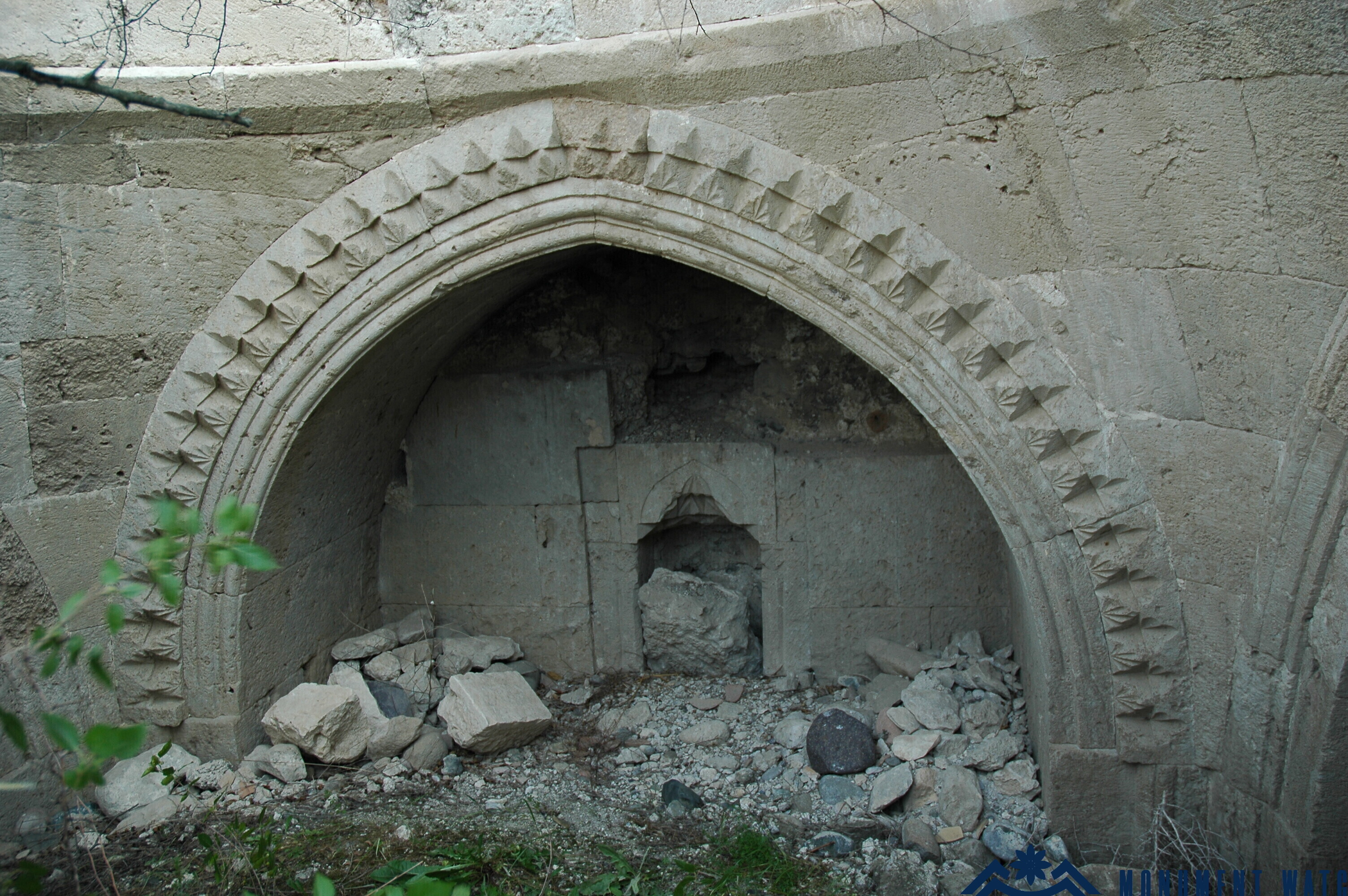
Fig. 1. The general view of the mausoleum interior. Photo by H. Petrosyan.
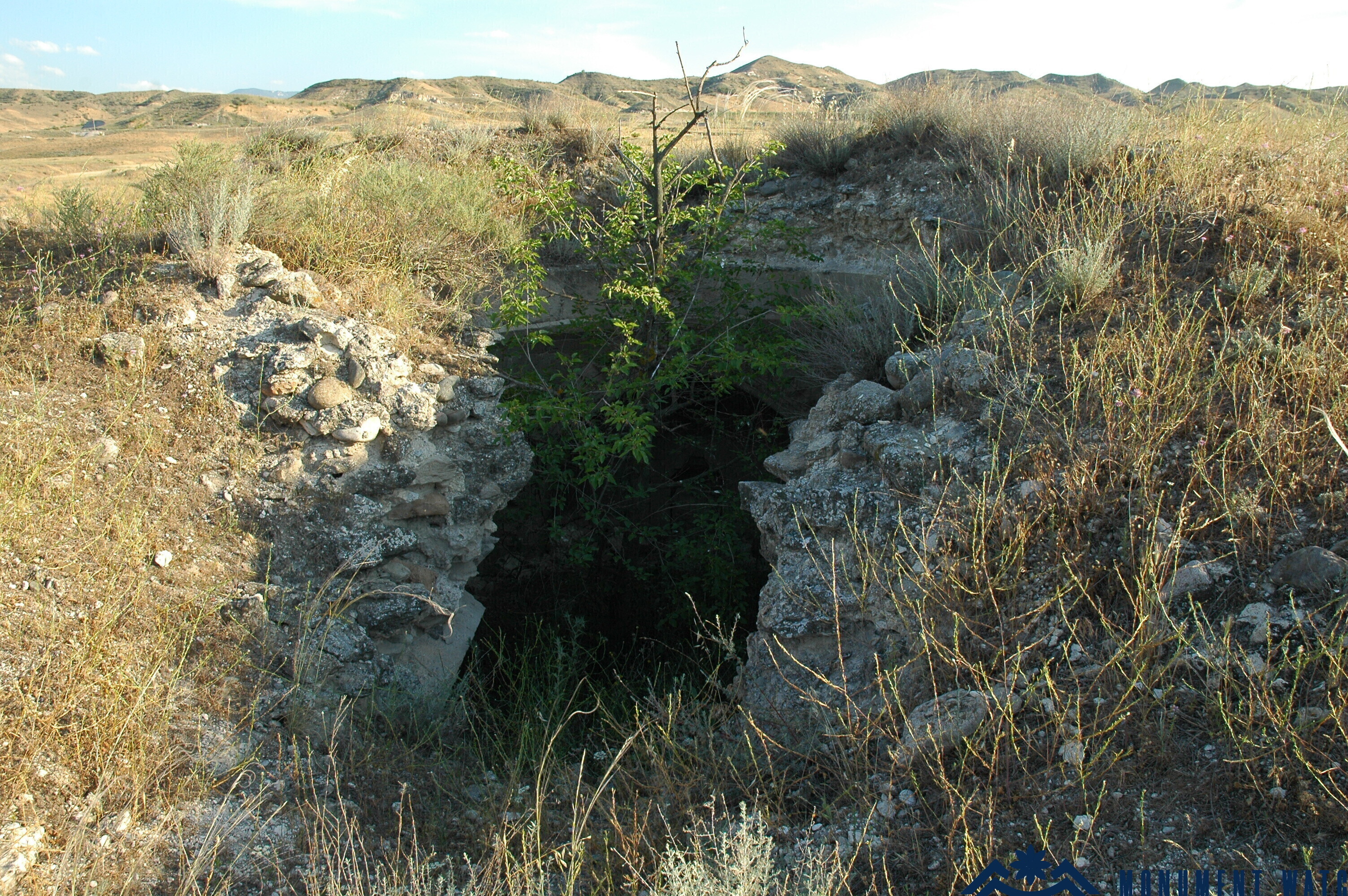
Fig. 2. The collapsed section of the mausoleum. Photo by H. Petrosyan.
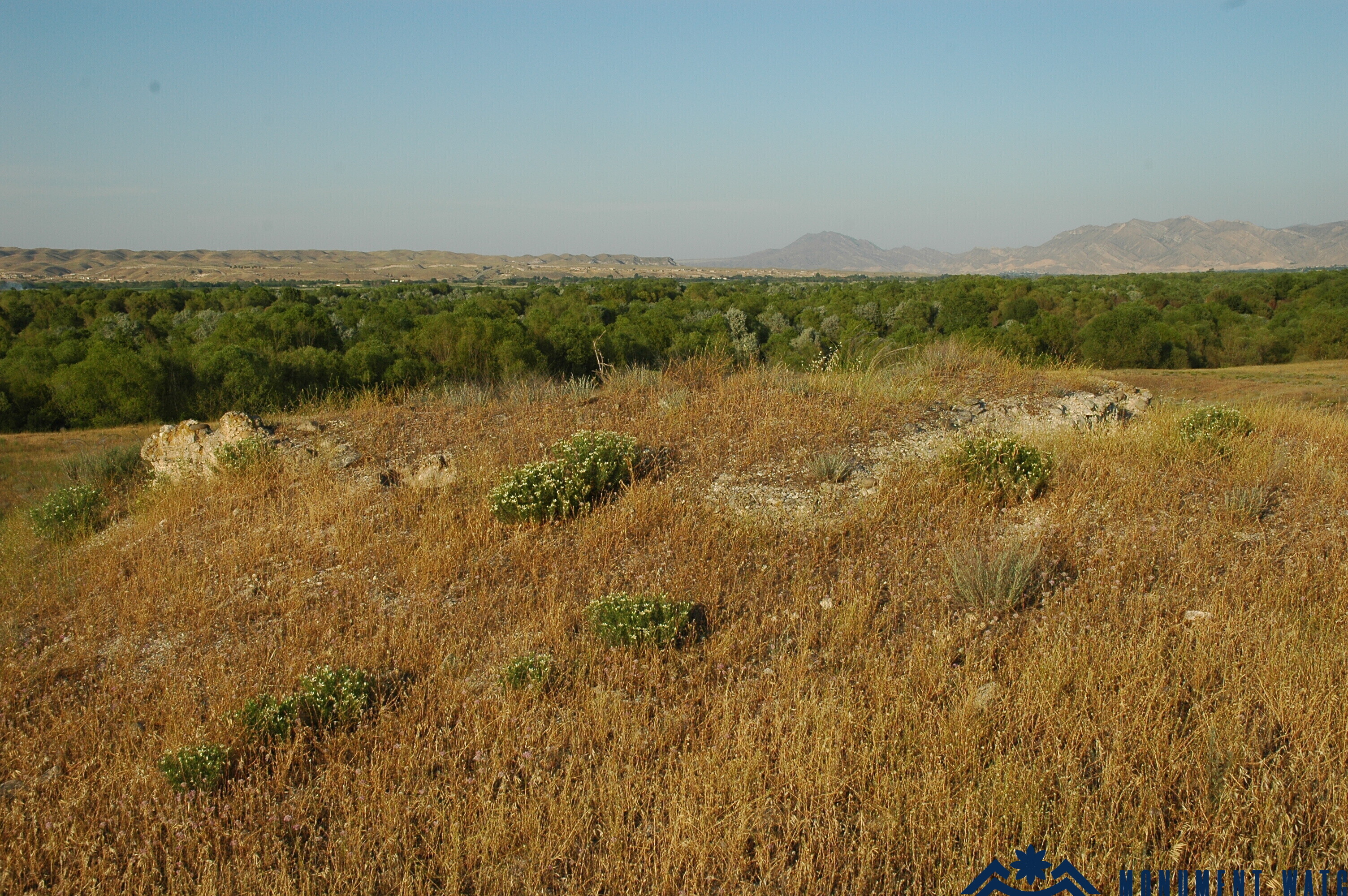
Fig. 3. The general exterior view of the mausoleum. Photo by H. Petrosyan.
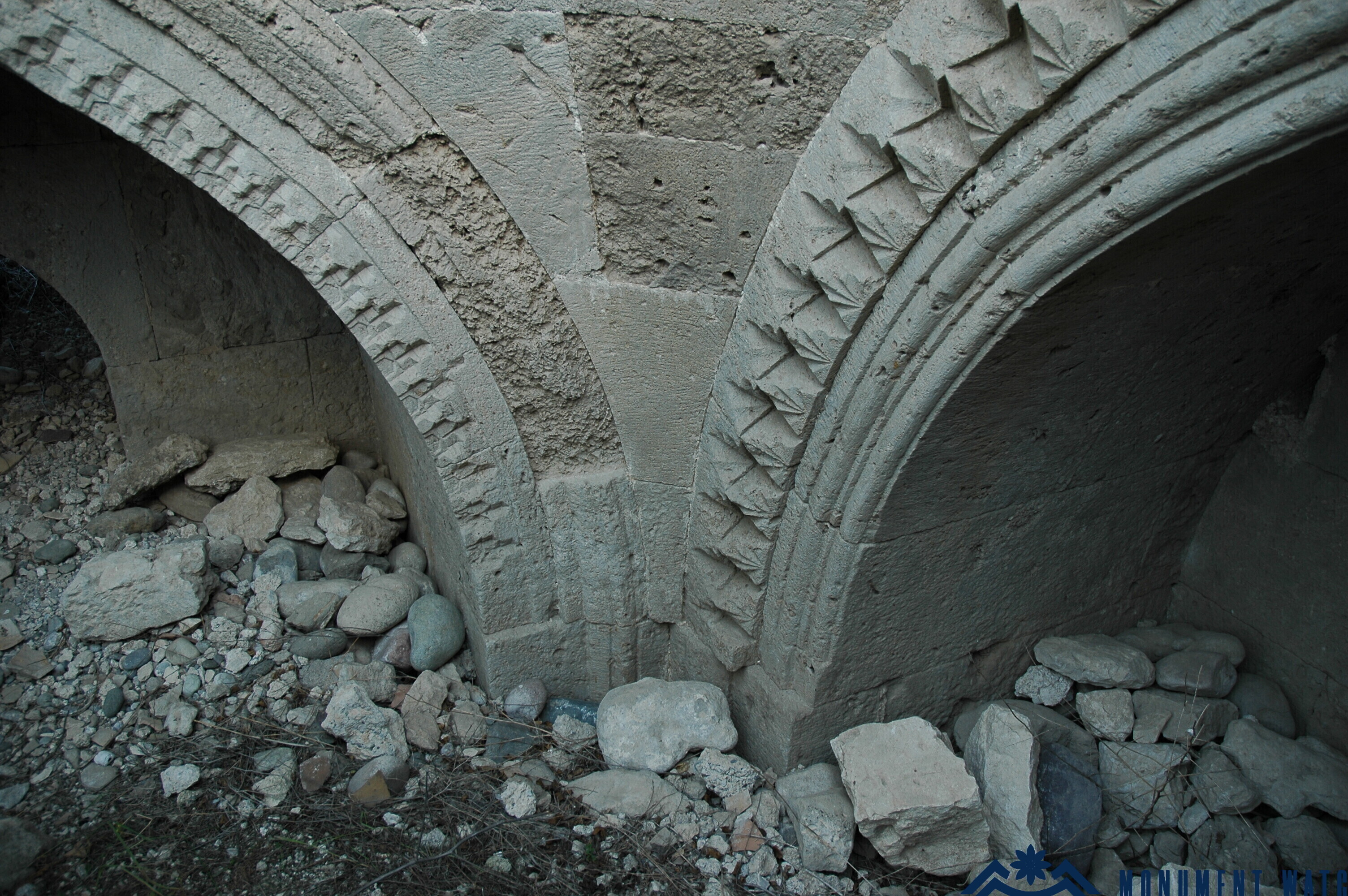
Fig. 4. The interior decoration of the mausoleum. Photo by H. Petrosyan.
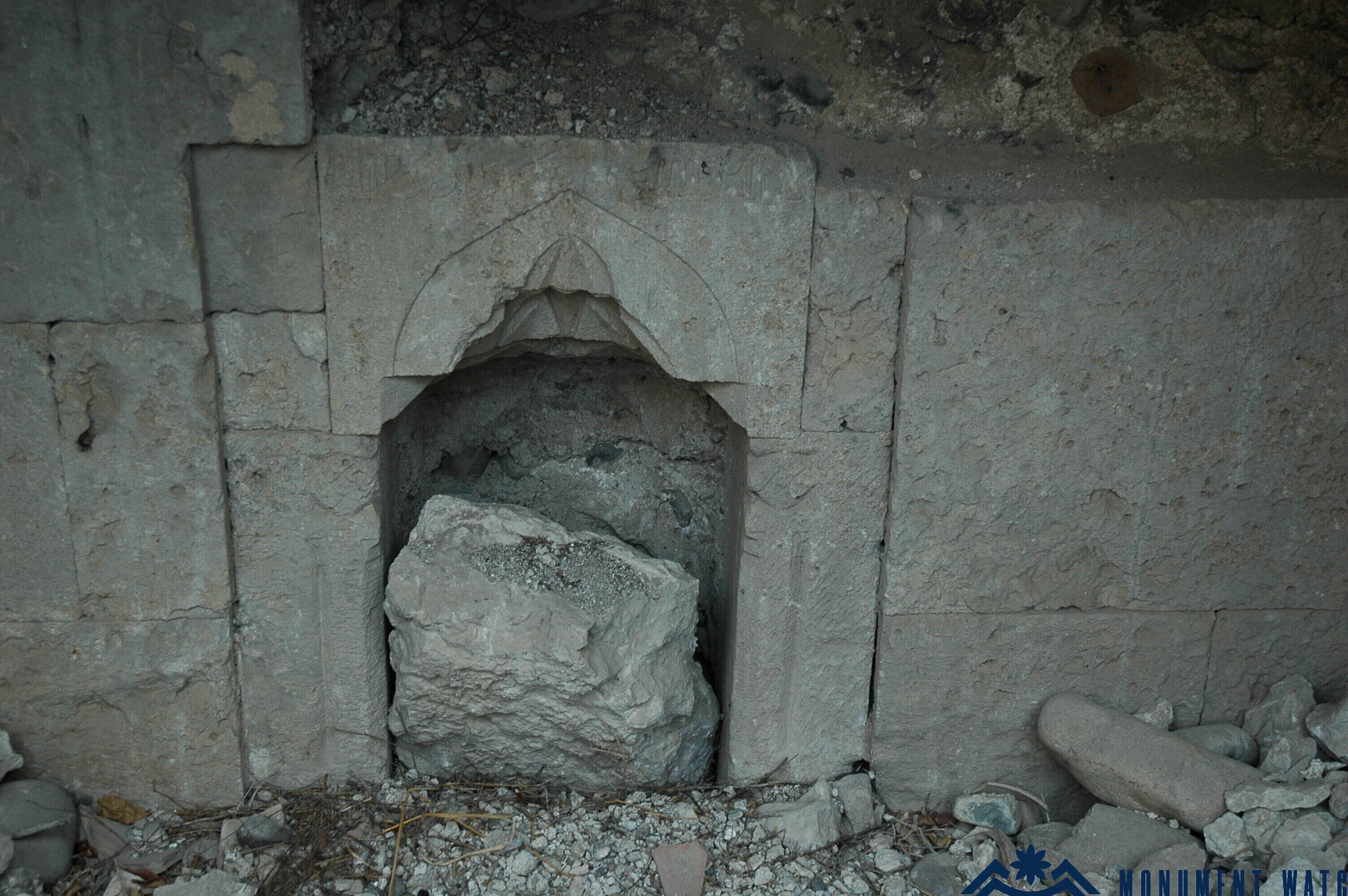
Fig. 5. The mihrab of the mausoleum. Photo by H. Petrosyan.
The Condition before and after the war
The mausoleum is in a semi-ruined condition. In 1949, it was cleared of debris and subjected to limited archaeological investigation. At that time, the surviving remains of the mausoleum were also measured and photographed (Sharifan Mausoleum and Tomb, https://storymaps.arcgis.com/stories/aa7b55e6bdca4913bdc8b8a93a669fed). The monument was not damaged during the Artsakh wars.
Bibliography
- Hovsepyan 2025 - Hovsepyan R., “The Islamic Monuments of Artsakh in Their Historical and Chronological Context,” Hushardzan, no. 2, Yerevan, pp. 22–39.
- Shcheblykin 1947 - Shcheblykin I., “Mausoleums of the Aker-Chay River Basin,” in Architecture of Azerbaijan in the Age of Nizami, Baku, 1947, pp. 157–163.
- Voronina 1969 - Voronina V., “The Architecture of Medieval Iran,” VIA, vol. 8, pp. 144–166.
- Muradov 2018 - Muradov R., “Ribbed Tent Roofs and Domes of Islamic Mausoleums,” in Traces of Empires: Culture of Central Asia from Alexander the Great to the Timurids, Kabul–Bishkek, pp. 305–324.
- Sharifan Mausoleum and Tomb - https://storymaps.arcgis.com/stories/aa7b55e6bdca4913bdc8b8a93a669fed, accessed 10 August 202
The Islamic Mausoleum of Sharifan
Artsakh