The “Jukhtak Yeghtsi” Sanctuary of Khndzristan

Location

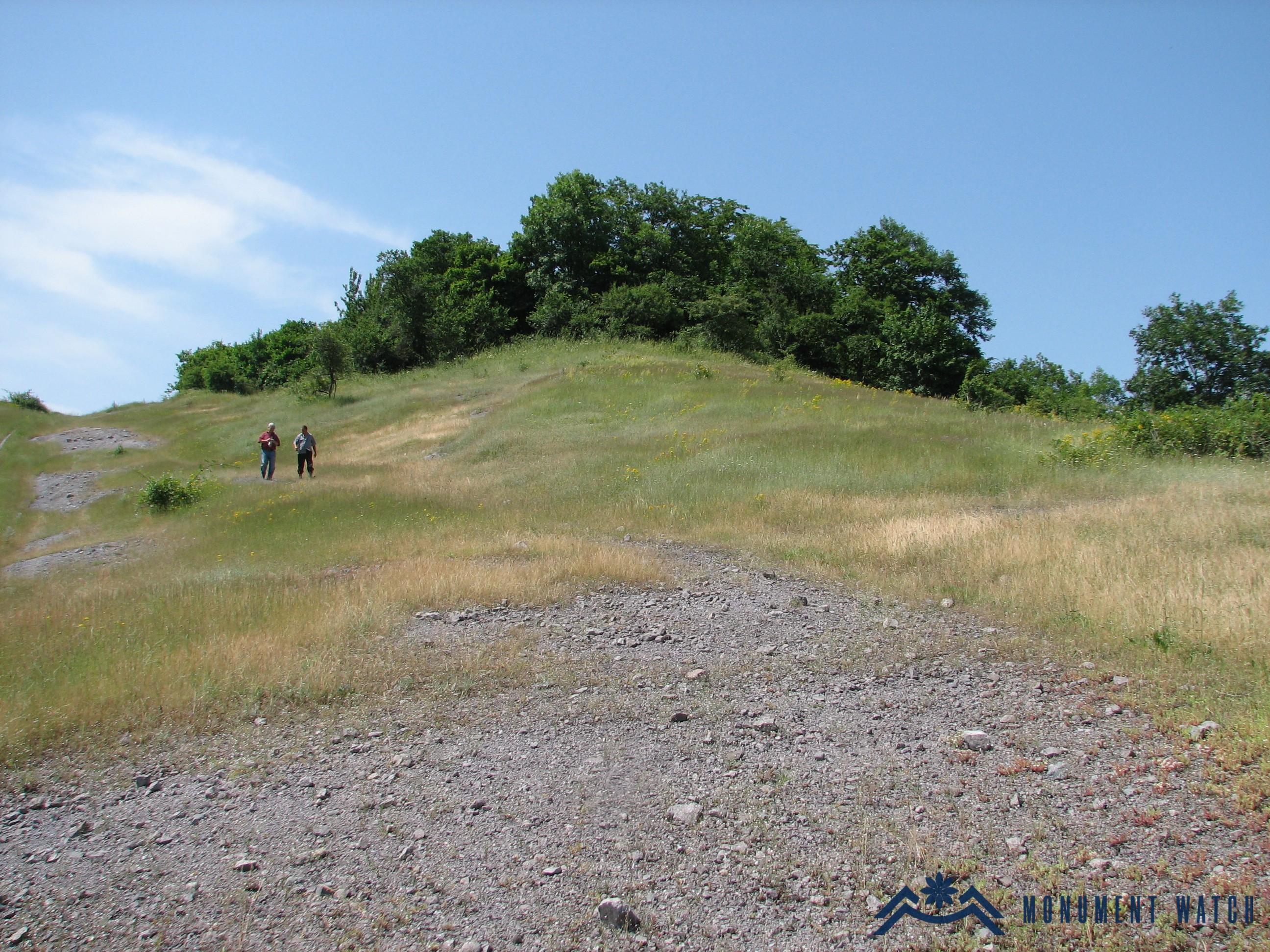
The "Jukhtak Yeghtsi" sanctuary is situated 2 km west of the village of Khndzristan in the Askeran Region of the Republic of Artsakh, and 0.7 km southwest of the neighboring village of Khachen, on the summit of a forested hill (Fig. 1). Since 2023, the area has been under Azerbaijani occupation.

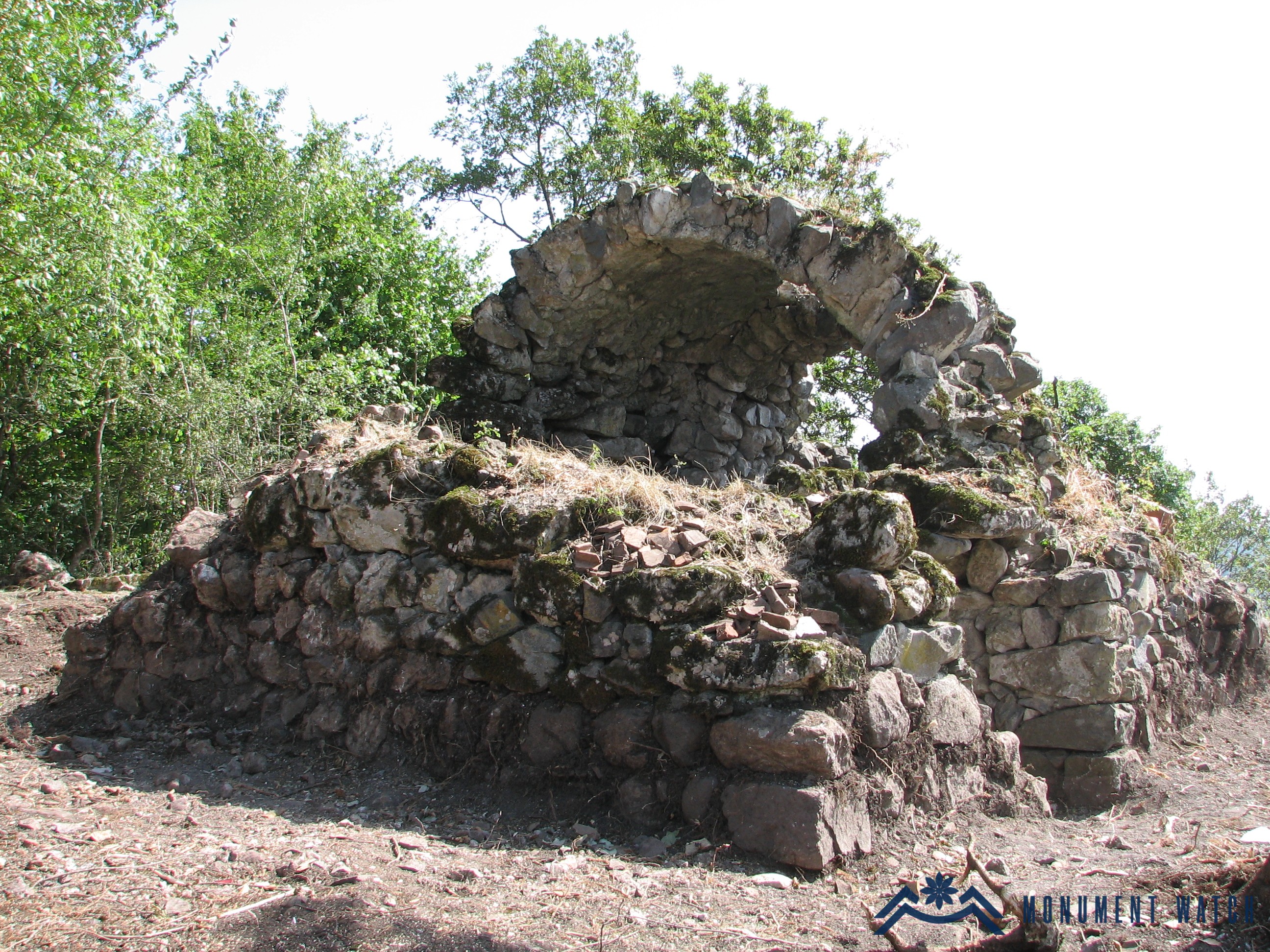
Fig. 1. The "Jukhtak Yeghtsi" sanctuary. Photo by G. Sargsyan.

Historical overview

No information about the monument's construction has been preserved in historical sources. The "Jukhtak Yeghtsi" sanctuary is listed in the Register of Immovable Historical and Cultural Monuments of Artsakh as an 11th–13th-century site (Certificate of the Ministry of Education, Science, Culture and Sports of the Republic of Artsakh). Archaeological investigations were carried out at the site in 2011 (expedition leader G. Sargsyan; architect S. Ayvazyan) (Report 2011).

Architectural–Compositional Examination

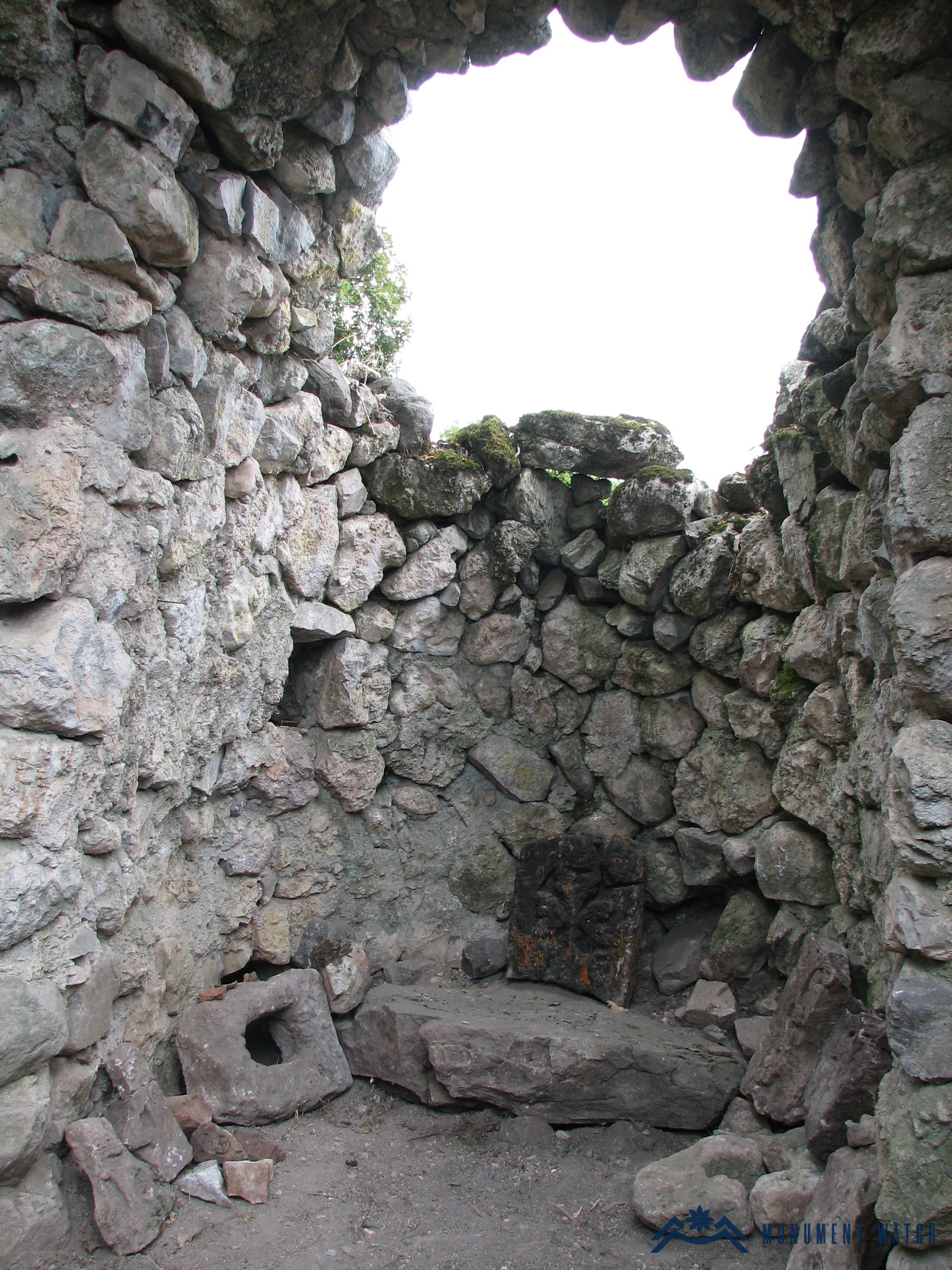
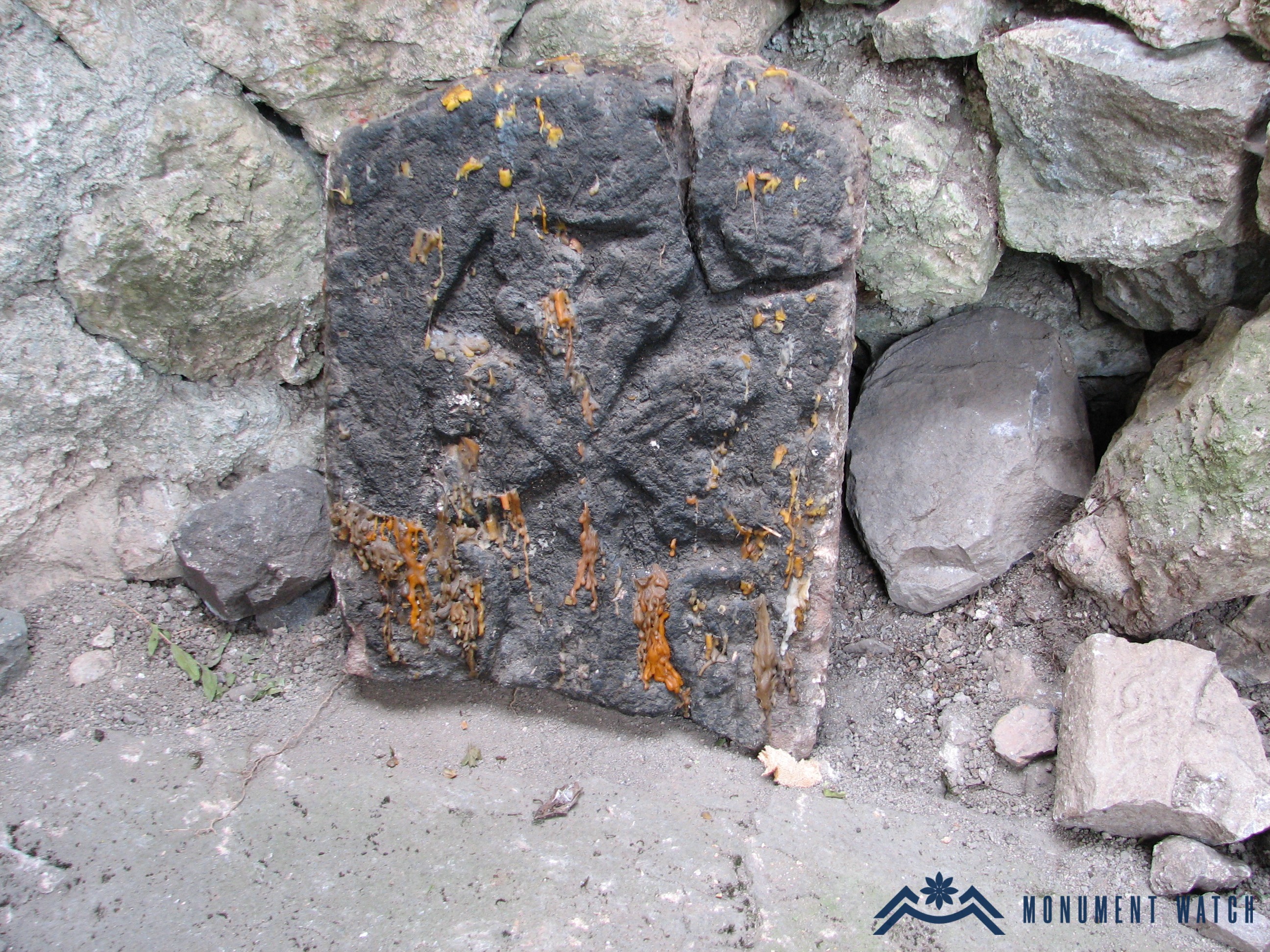
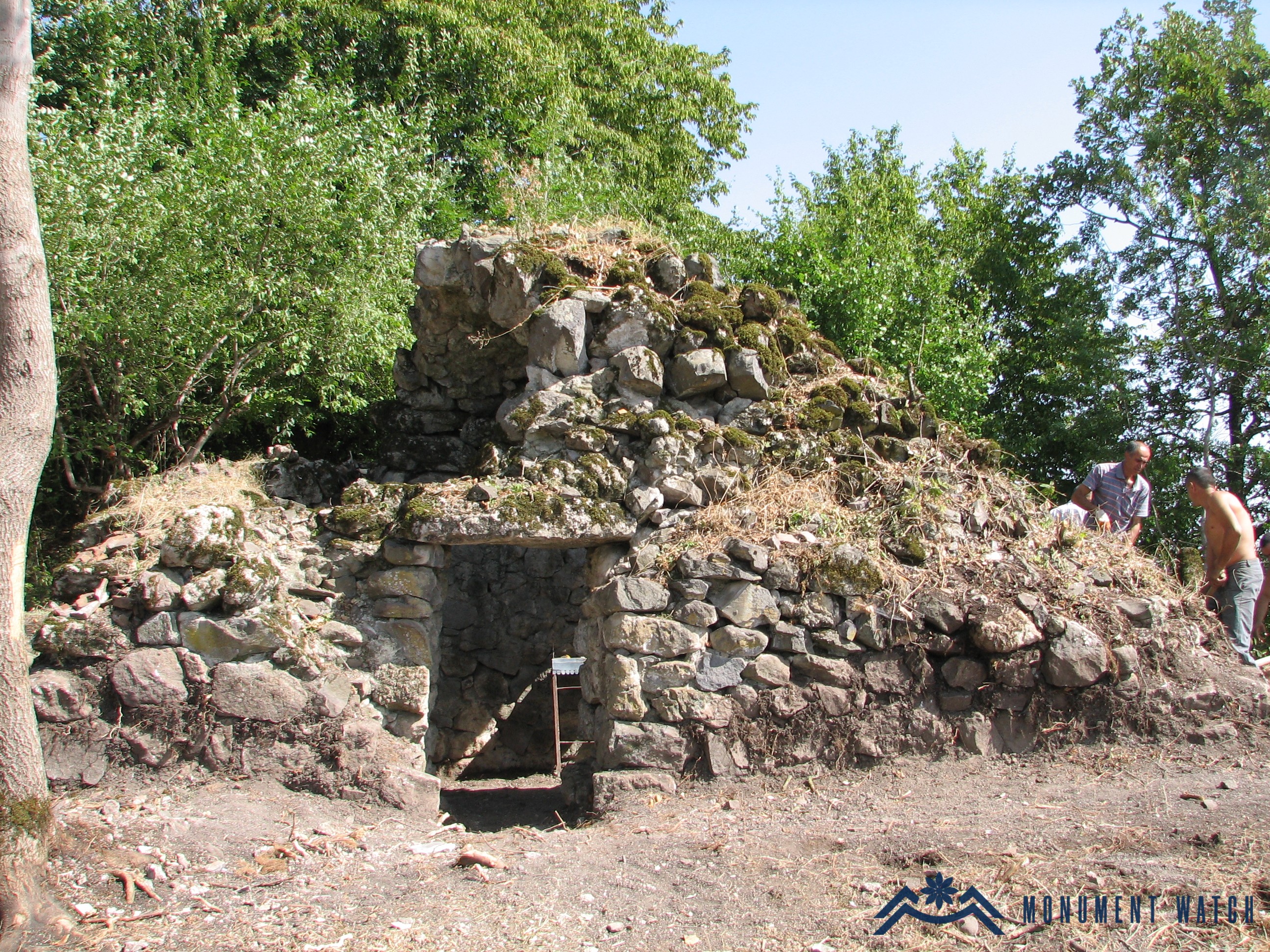
Although the site is called "Jukhtak Yeghtsi" ("Twin Church"), only a single chapel-church is preserved. Among residents, the monument is better known by the names "Mets Nan" ("Great Mother/Grandmother") and "Poqr Nan" ("Little Mother/Grandmother"); the extant chapel-church is referred to as "Mets Nan." The chapel-church survives in a semi-ruined state: the east and west walls have collapsed halfway, and much of the barrel-vaulted roof is lost (Fig. 2). At the eastern end is a horseshoe-shaped apse whose bema has not survived. A single small window is set at the center of the apse, and farther to the left, in the north wall, a rectangular niche is located (Fig. 3). Inside, one khachkar (cross-stone) is preserved (Fig. 4).

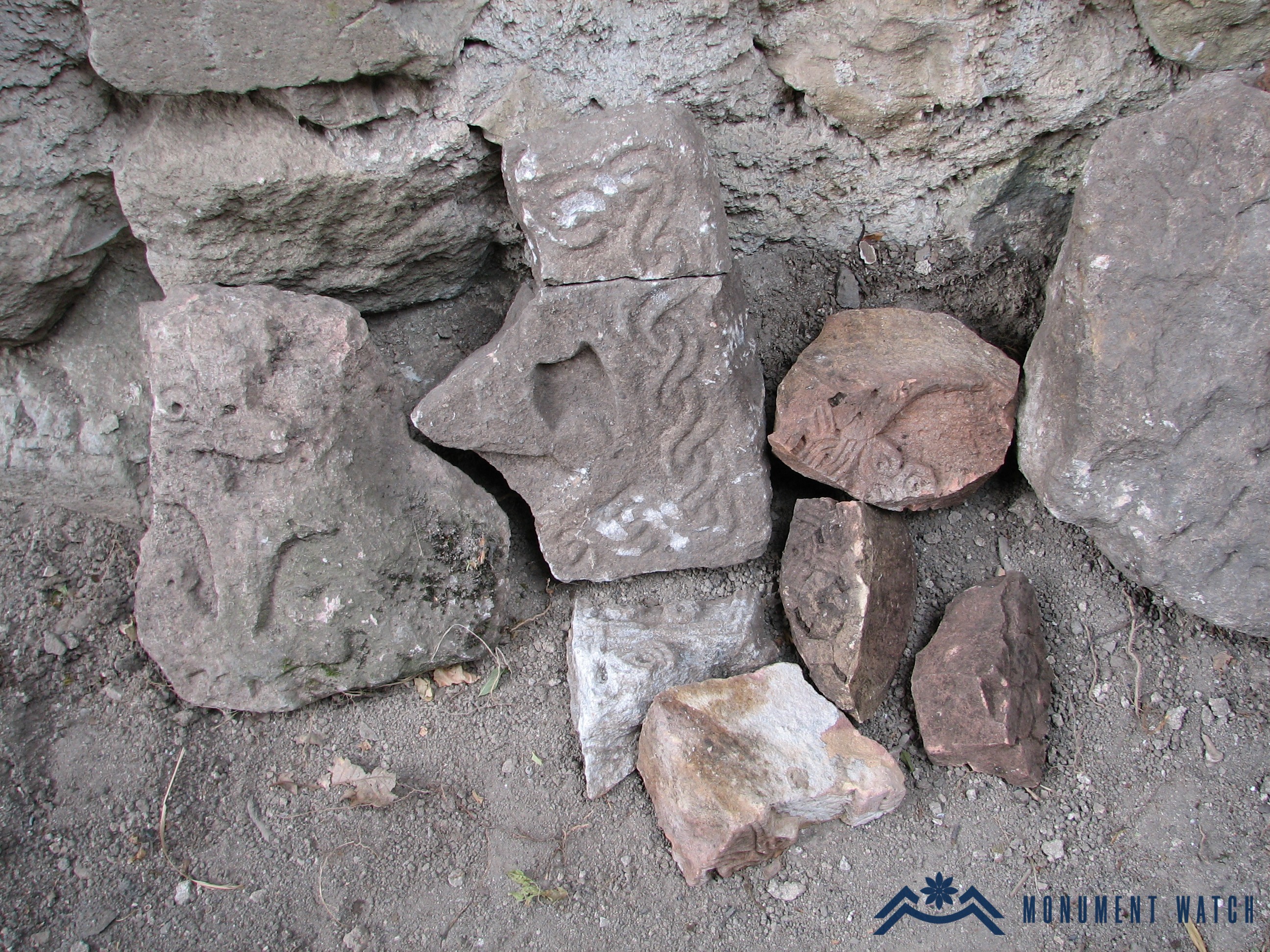
The chapel-church has a rectangular plan (dimensions: 6.3 × 4.5 m) and, by its constructional features, is characteristic of the 11th–13th centuries (Certificate of the RA MESCS). This dating is further supported by fragments of khachkars found among the excavated and cleared debris, which had been reused as building stones (Fig. 5). The entrance opens on the south. It bears no decorative treatment (Fig. 6). At the top, a large elongated slab has been used as a lintel (Report 2011).

Fig. 2. The "Mets Nan" chapel-church from the southwest. Photo by G. Sargsyan.

Fig. 3. The apse of the "Mets Nan" chapel-church. Photo by G. Sargsyan.

Fig. 4. The khachkar inside the "Mets Nan" chapel. Photo by G. Sargsyan.

Fig. 5. Fragments of the khachkars found among the ruins of the "Mets Nan" chapel. Photo by G. Sargsyan.

Fig. 6. The "Mets Nan" chapel from the south. Photo by G. Sargsyan.

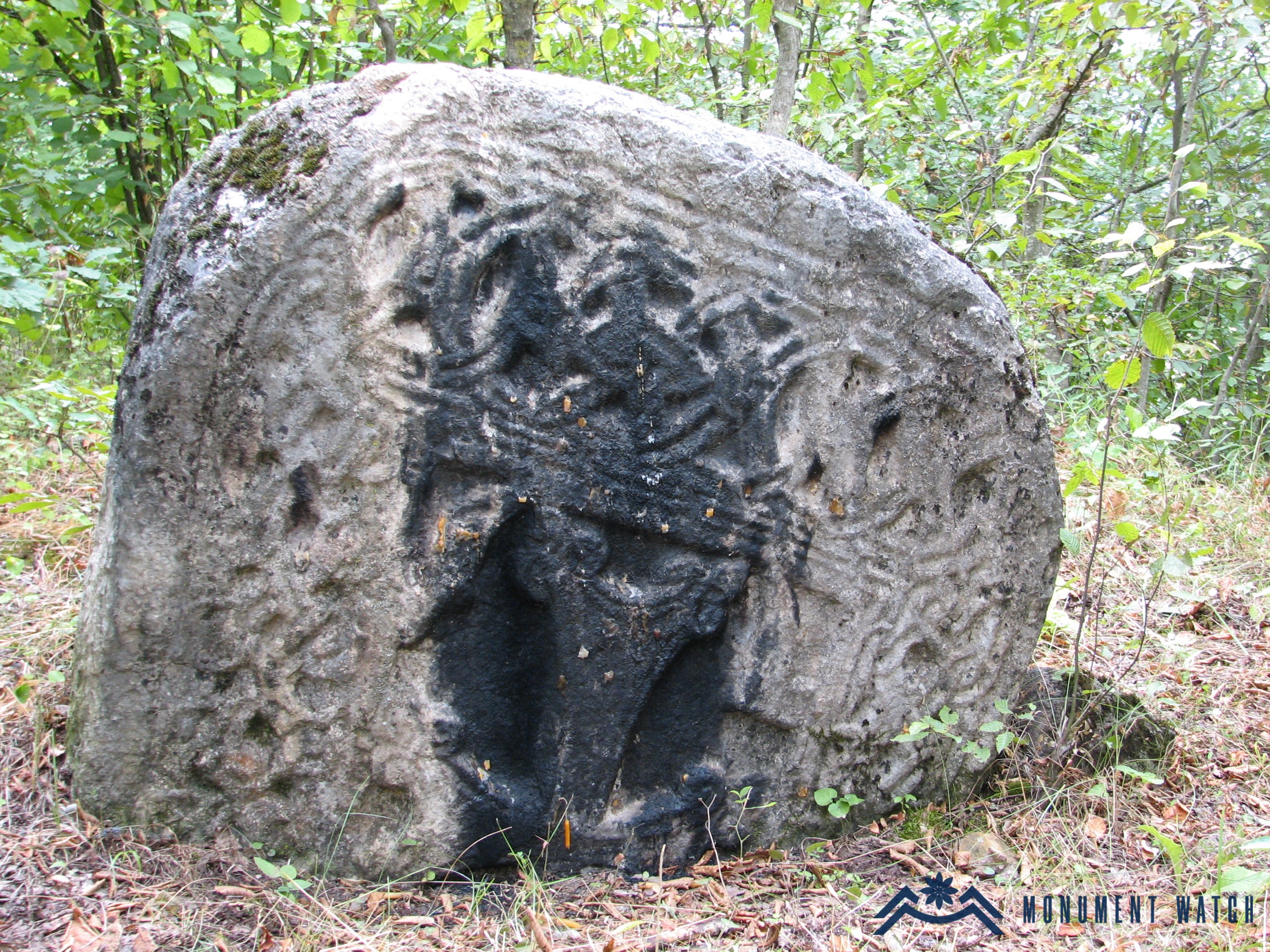
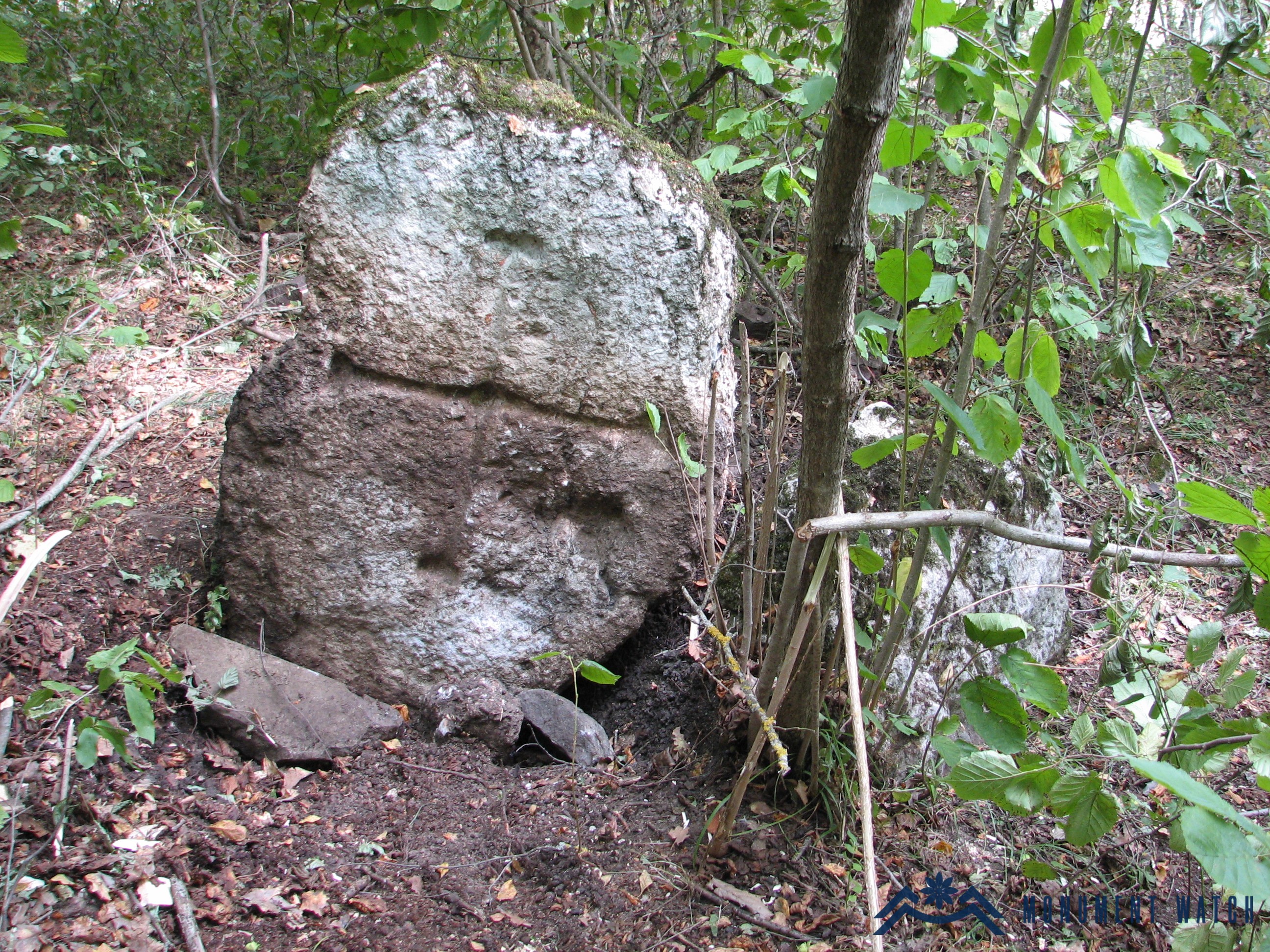
About 300 meters northeast of the "Mets Nan" chapel lies a medieval cemetery with khachkars. Here stands a large khachkar—half sunken into the ground—known as "Poqr Nan" ("Little Mother/Grandmother") (Fig. 7).

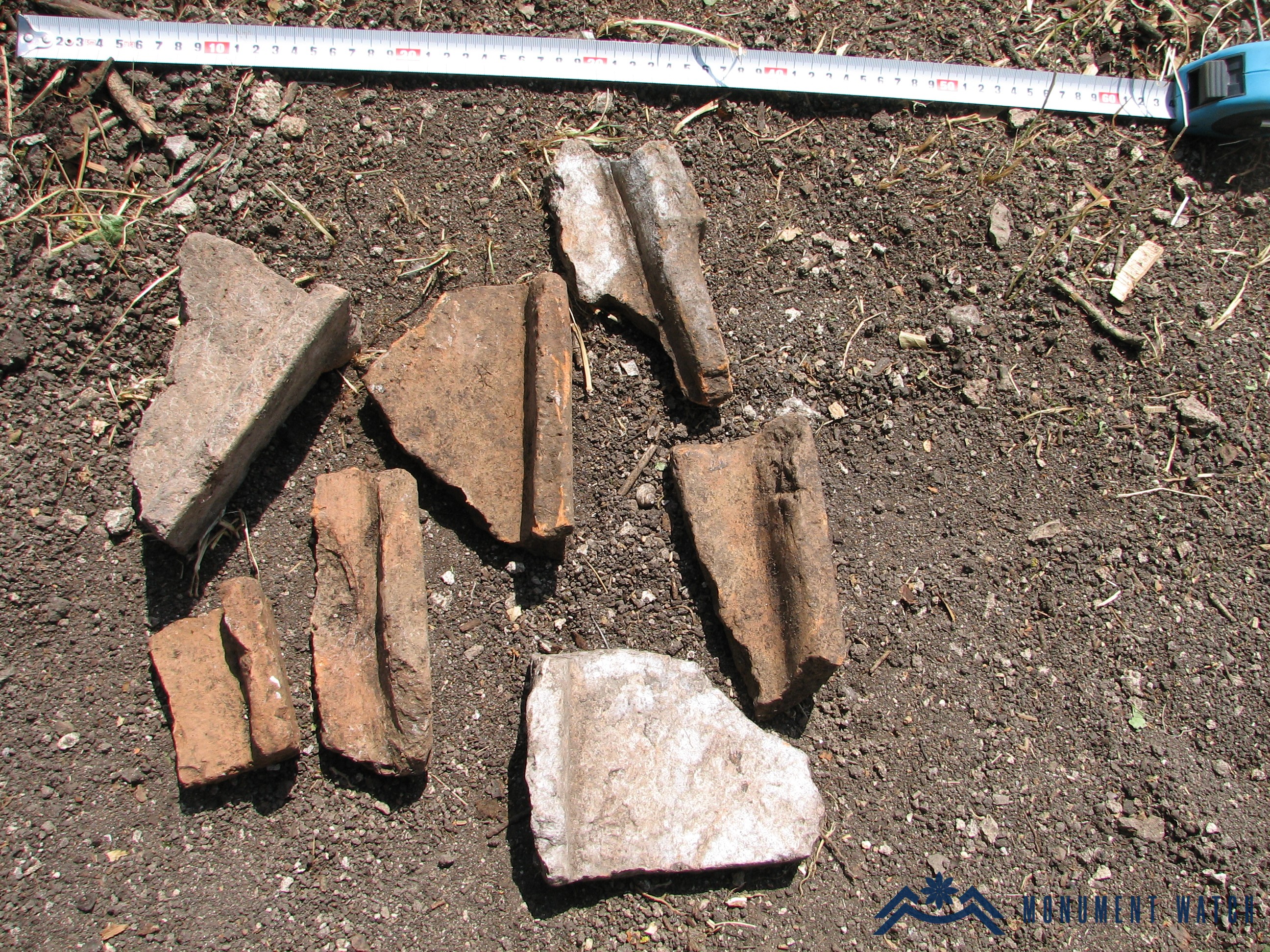
Around the chapel-church are remains of several structures and tombstones characteristic of the 11th–14th centuries (Certificate of the RA MESCS). According to archaeologist Gagik Sargsyan, the monument once had a tiled roof. Judging from the unprecedented abundance of tile fragments, their variety of forms, and the presence of samples from different periods, it may be inferred that the tiled covering was replenished and augmented multiple times, with significant chronological gaps between phases (Fig. 8).

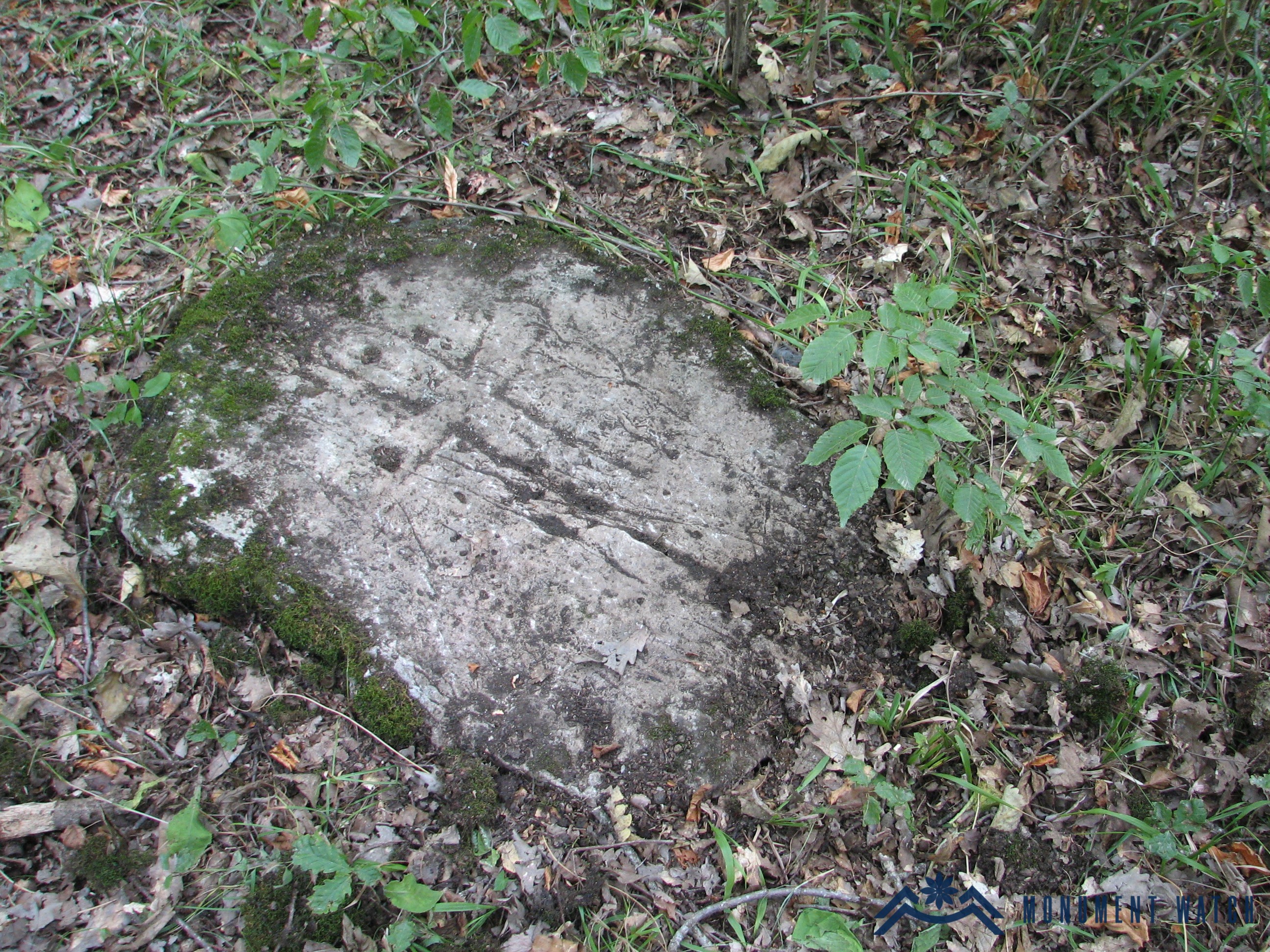
A cemetery dating from the 9th to 13th centuries has been preserved in the church's environs, featuring khachkars from the 11th to 13th centuries (Figs. 9, 10).

Fig. 7. The khachkar called "Pokr Nan." Photo by G. Sargsyan.

Fig. 8. Fragments of the tiles found among the ruins of the chapel-church. Photo by G. Sargsyan.

Fig. 9. The khachkars from the cemetery surrounding the church. Photo by G. Sargsyan.

Fig. 10. The khachkars from the cemetery surrounding the church. Photo by G. Sargsyan.

The Condition Before, During, and After the War

The monument was not damaged during the war. There is no information about its current condition.

Bibliography

  1. Certificate of the Ministry of Education, Science, Culture, and Sports of the Republic of Artsakh.
  2. Report 2011 - Report on the Excavation and Clearance Works at the "Jukhtak Vank" (Jukhtak Monastery) Sanctuary in Khndristan Village, Askeran Region.
The “Jukhtak Yeghtsi” Sanctuary of Khndzristan
The "Jukhtak Yeghtsi" Sanctuary of Khndzristan
Artsakh