Historical overview
Mavas is a large village site that remained inhabited until the mid-20th century. Few precise references about the monument have been preserved in historical sources.
Sargis Jalaleants describes the village as follows: "From there I ascended to the village of Mavas, which lies on the crest of the mountain at the back of the district of Tsovategh village, from which the broad plain of Artsakh becomes visible; the inhabitants are Armenians, ten households; they have a stone-built church." (Jalaleants 1858, 334)
According to M. Barkhudaryants, the villagers moved from Jraberd. In particular, he notes that the village of Mavas "was founded on the summit plateau of the same mountain range; the inhabitants moved from Jraberd; the soil is poor, sandy and of low productivity; local crops are the same; winters are harsh; summers have excellent air, climate, scenery, and water; long lives of 90–100 years. The church is Yerek Mankunk, built of stone, bearing the following inscription: 'By the grace of God, I, Lady Kaloy, wife of Hovsep-bek Melik-Shahnazaryants, built this Church of the Three Infants with my just earnings in the year 1854.' One priest. Households 34; males 114, females 87." (Barkhudaryants 1895, 103)
According to A. Kisibekyan, in the past, Mavas served as the summer residence of the monastic community of Amaras (Kisibekyan 2011, 106). Kisibekyan's observation is noteworthy that the spoken language of Mavas society "differs markedly from that of the neighboring villages' populations and has a higher culture, being closer to our literary language than other villages' vernaculars… In my opinion, this should be explained mainly by the fact that every year, literate people—the monks of Amaras—lived there for 2–4 months." (Kisibekyan 2011, 107)
Architectural-compositional examination
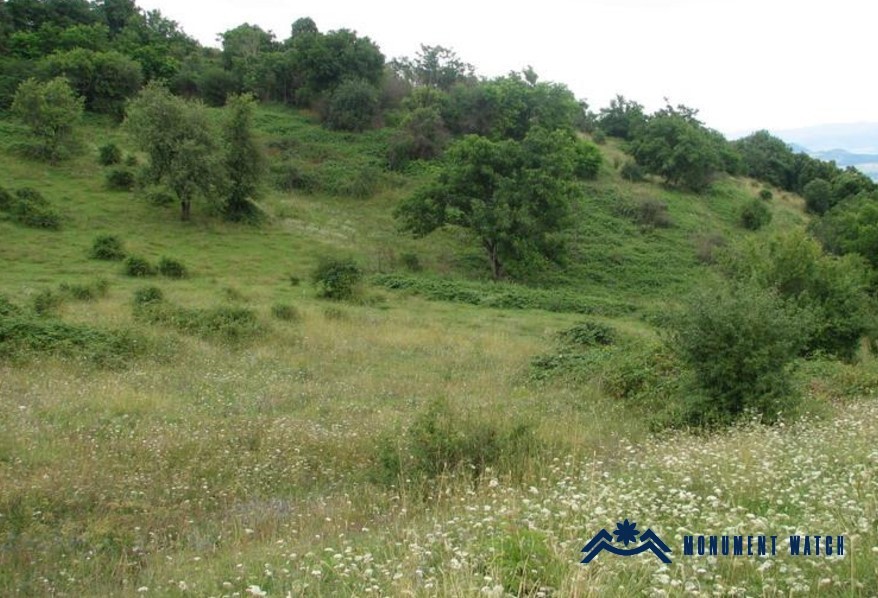
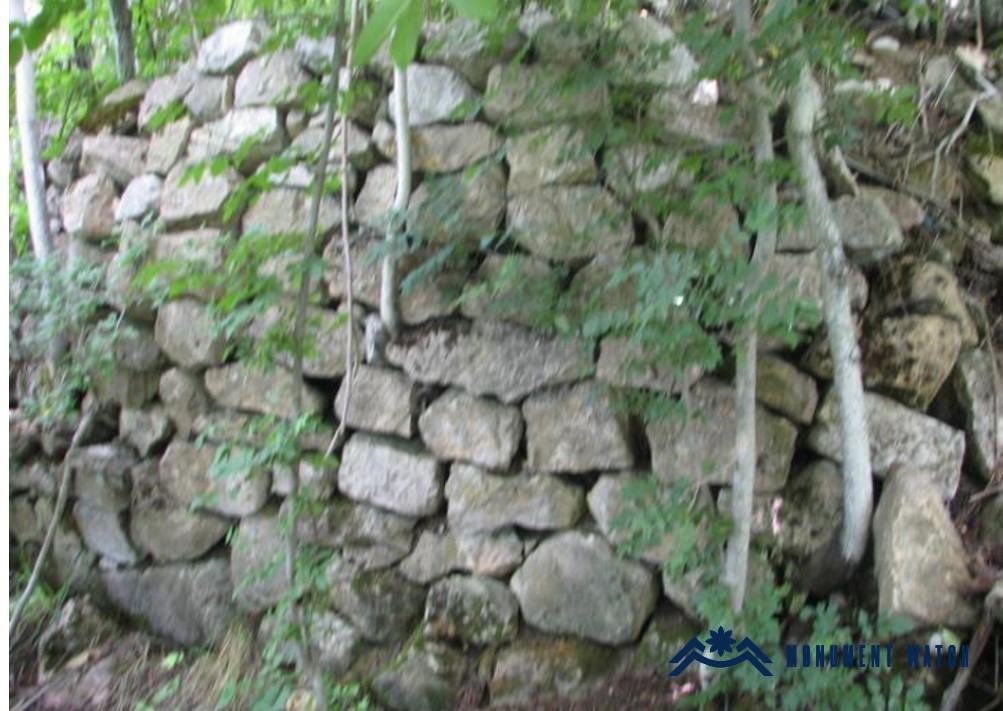
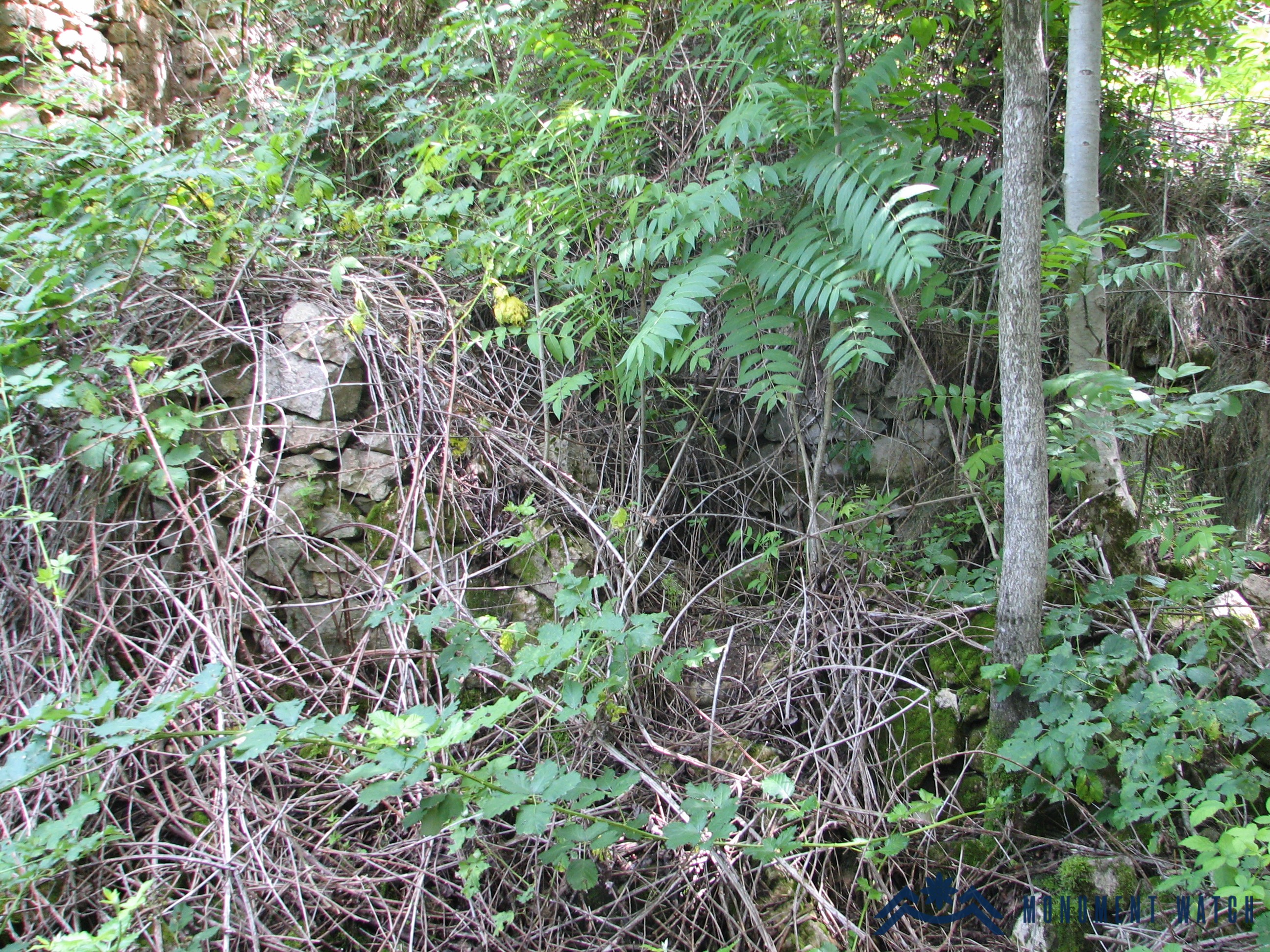
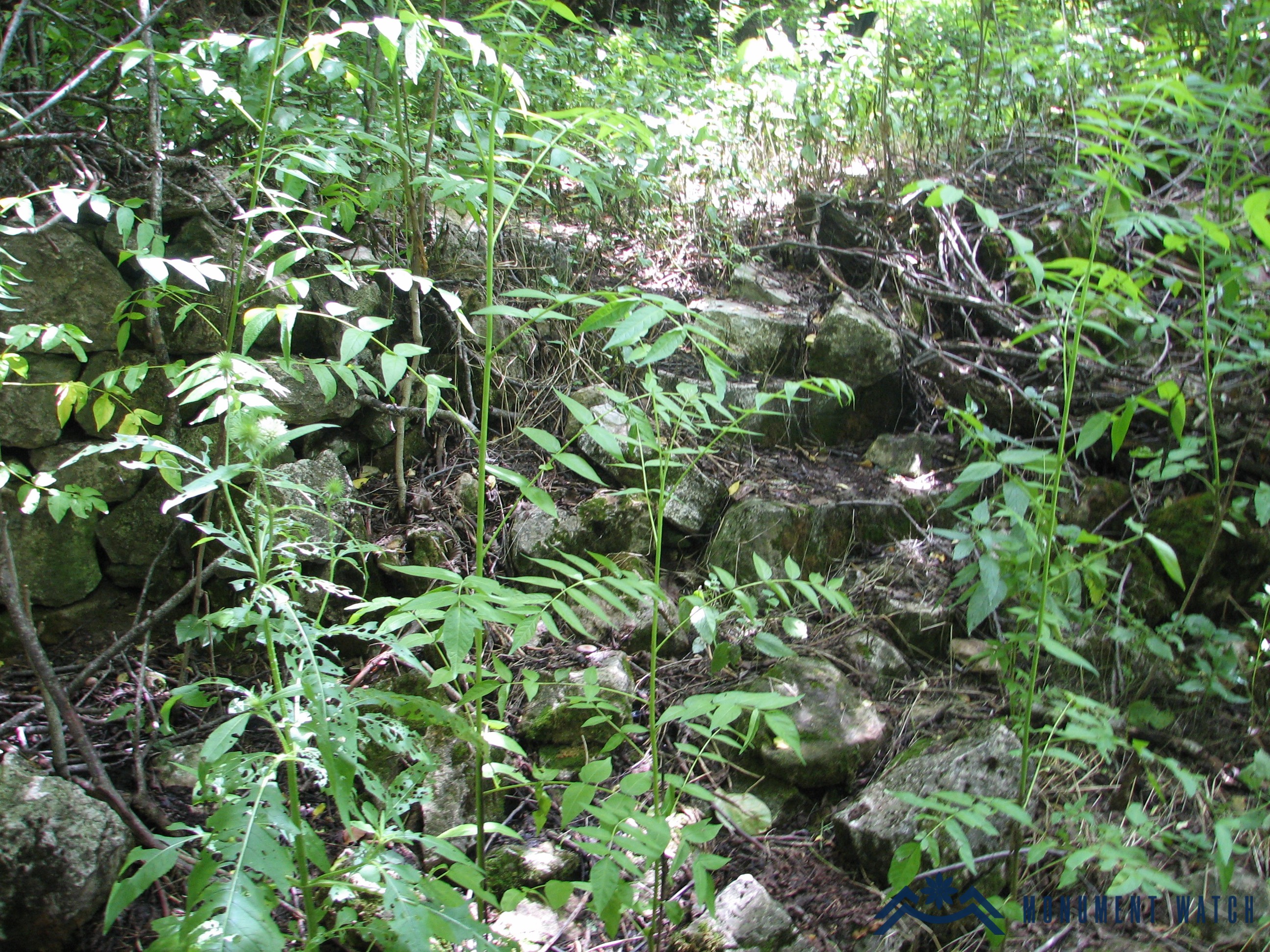
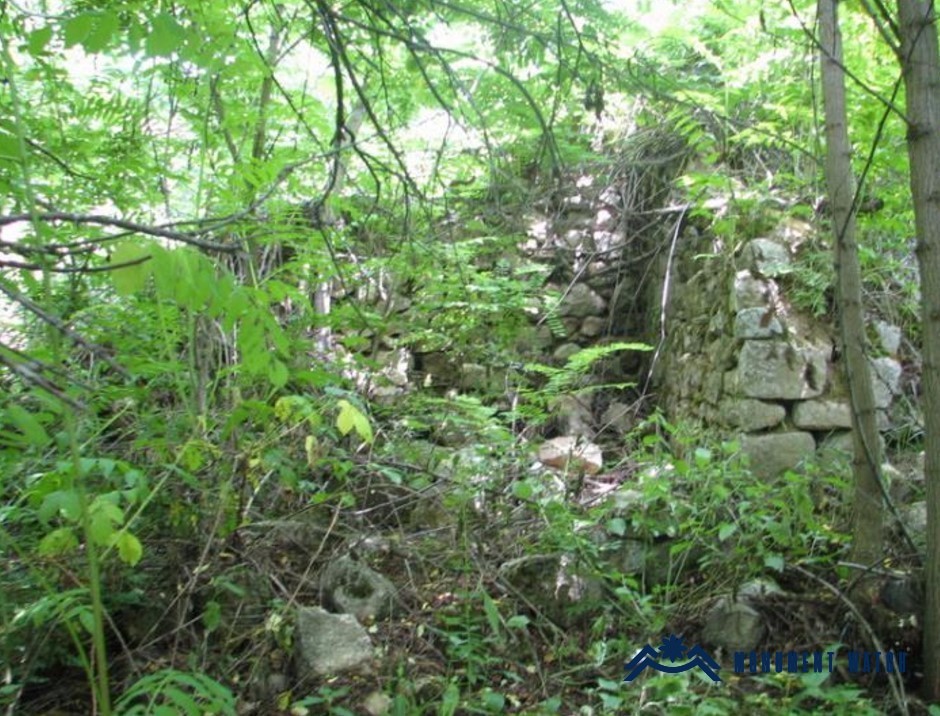
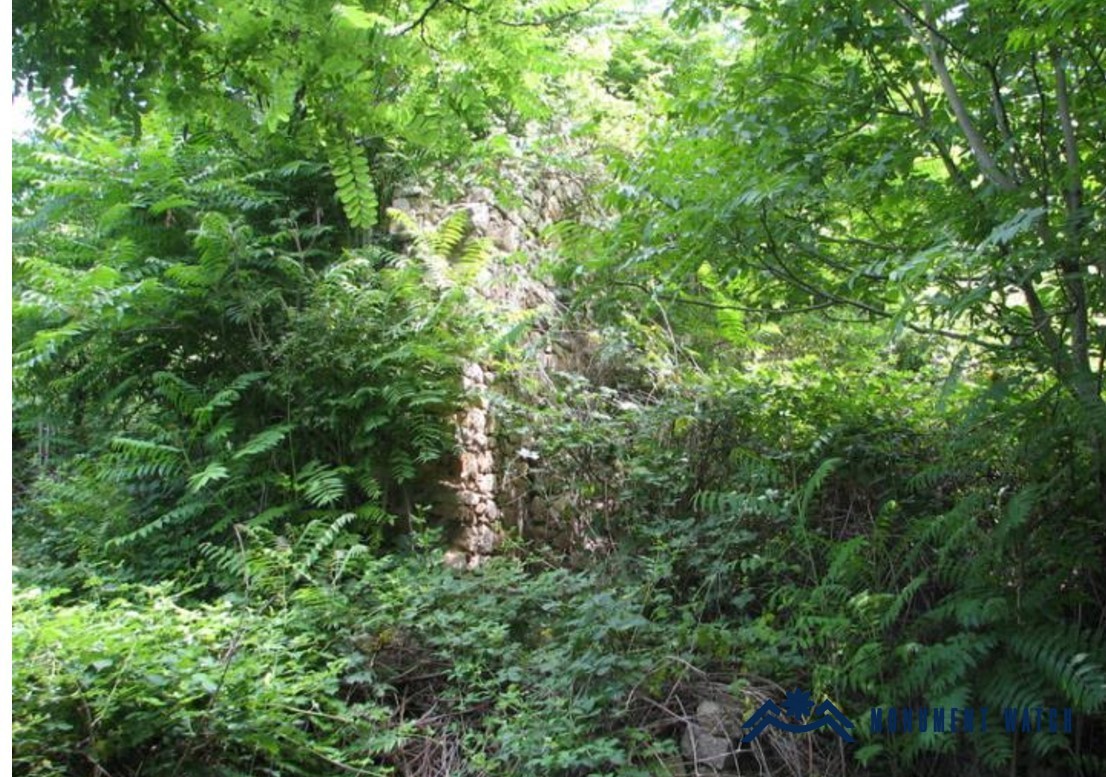
The register of immovable historical and cultural monuments of Karmir Shuka includes eleven sites, among which is the village site of Mavas. Within the village site, covering an area of 4.1 hectares, investigations indicate that the settlement emerged in earlier periods and had certainly taken shape by the sixteenth to seventeenth centuries as a habitation serving a now-ruined monastery. As of the early twenty-first century, the visible buildings remaining across the Mavas site are exclusively nineteenth–to twentieth-century structures that overlie earlier layers (Figs. 2–4). The village is entirely ruined; not a single standing building has survived. On the southern side of the site, near the spring, the ruins of a nineteenth-century church are preserved (Figs. 5–6). Observations further suggest that the village once comprised two quarters situated on either side of the spring (per the certificate of the Ministry of Education, Science, Culture and Sports of the Republic of Artsakh).