Historical overview
No precise historical information has been preserved about the Sibirdara Cemetery. The monument has not been studied. The cemetery is mentioned in the list of historical and cultural monuments of the village of Chapar in the Martakert District of the Republic of Artsakh, as well as in the works of Sh. Mkrtchyan, V. Balayan, and S. Minasyan (Mkrtchyan 1988, 46; Balayan 2020, 362; Minasyan 2010, 62).
According to local residents, within the territory of the Sibirdara Cemetery, between the old and new cemeteries, there once stood the Sibilyan Chapel, which has since been lost; only one khachkar remains on the road (Minasyan 2010, 62). S. Minasyan notes that the origin of the name “Sibir” is connected with two circumstances: “1. It derived from a distortion of ‘Sibilyan.’ On a small flat area near the road by the cemetery, there was a small chapel. According to tradition, questions of concern to the people were clarified in that chapel, perhaps similar to, or influenced by, Greek divination. 2. After coming under Russian rule, the word was used metaphorically for this place: it is a cold place like Siberia” (Minasyan 2010, 62).
The Surb Minas Sanctuary is mentioned in the works of Sh. Mkrtchyan and S. Minasyan (Mkrtchyan 1988, 46; Minasyan 2010, 12). According to Sh. Mkrtchyan, “the monument is located near the village of Hin Chapar. It is surrounded by tombstones and khachkars, which testify to the period of its functioning: the 12th–14th centuries” (Mkrtchyan 1988, 46).
According to S. Minasyan, “the sanctuary of Minas the Hermit was one of the important sacred sites located in three different directions from Hakarrakaberd. It was the closest to the old quarter of the village, and the largest number of matagh offerings were made there” (Minasyan 2010, 62–63).
Architectural and compositional description
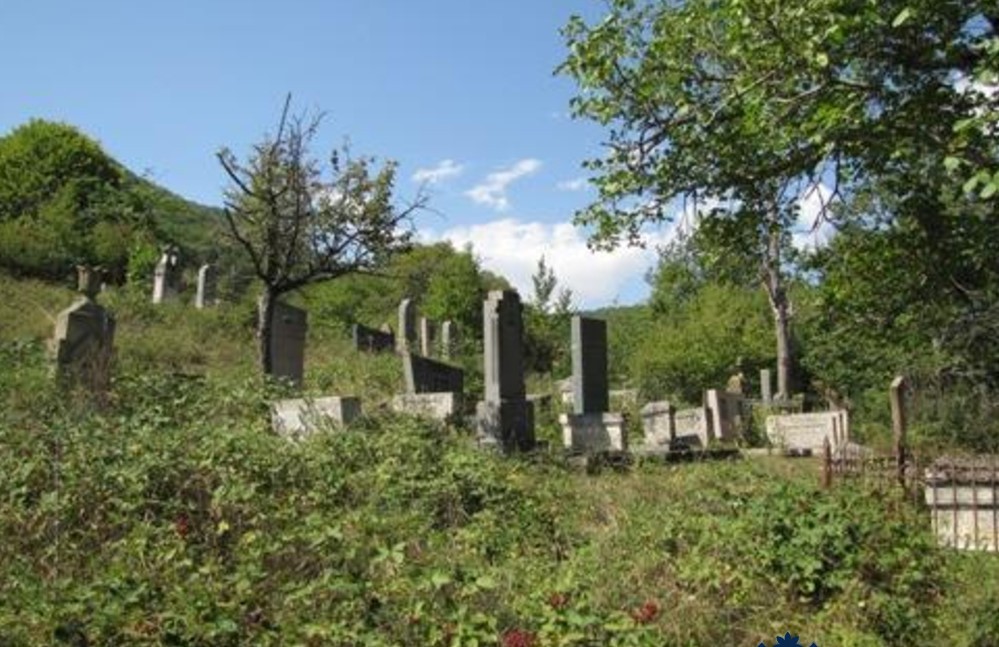
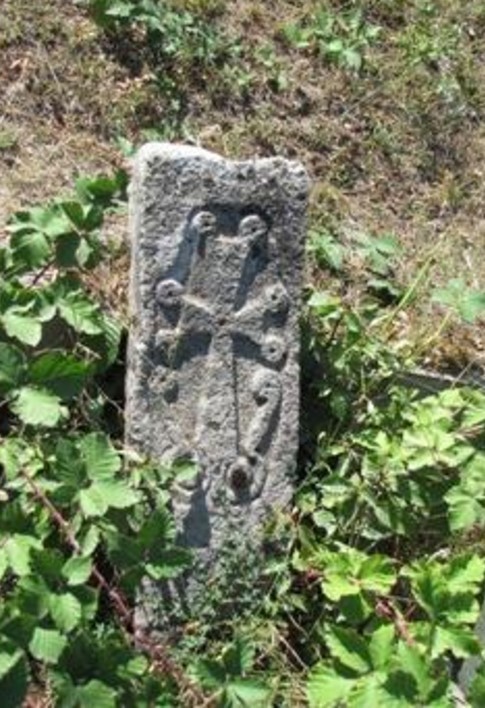
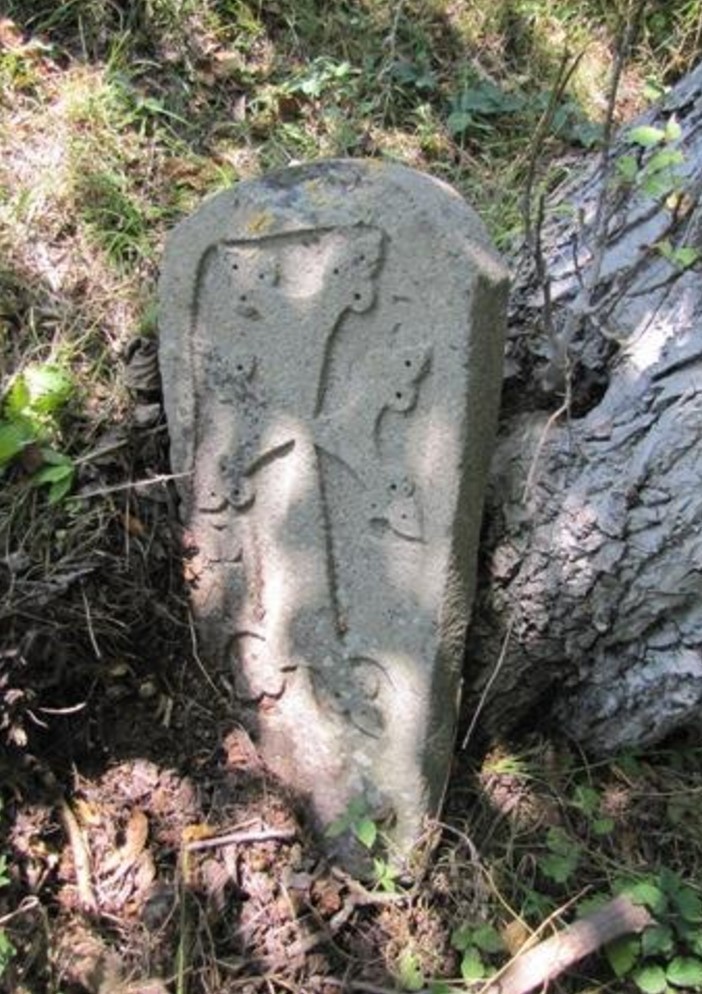
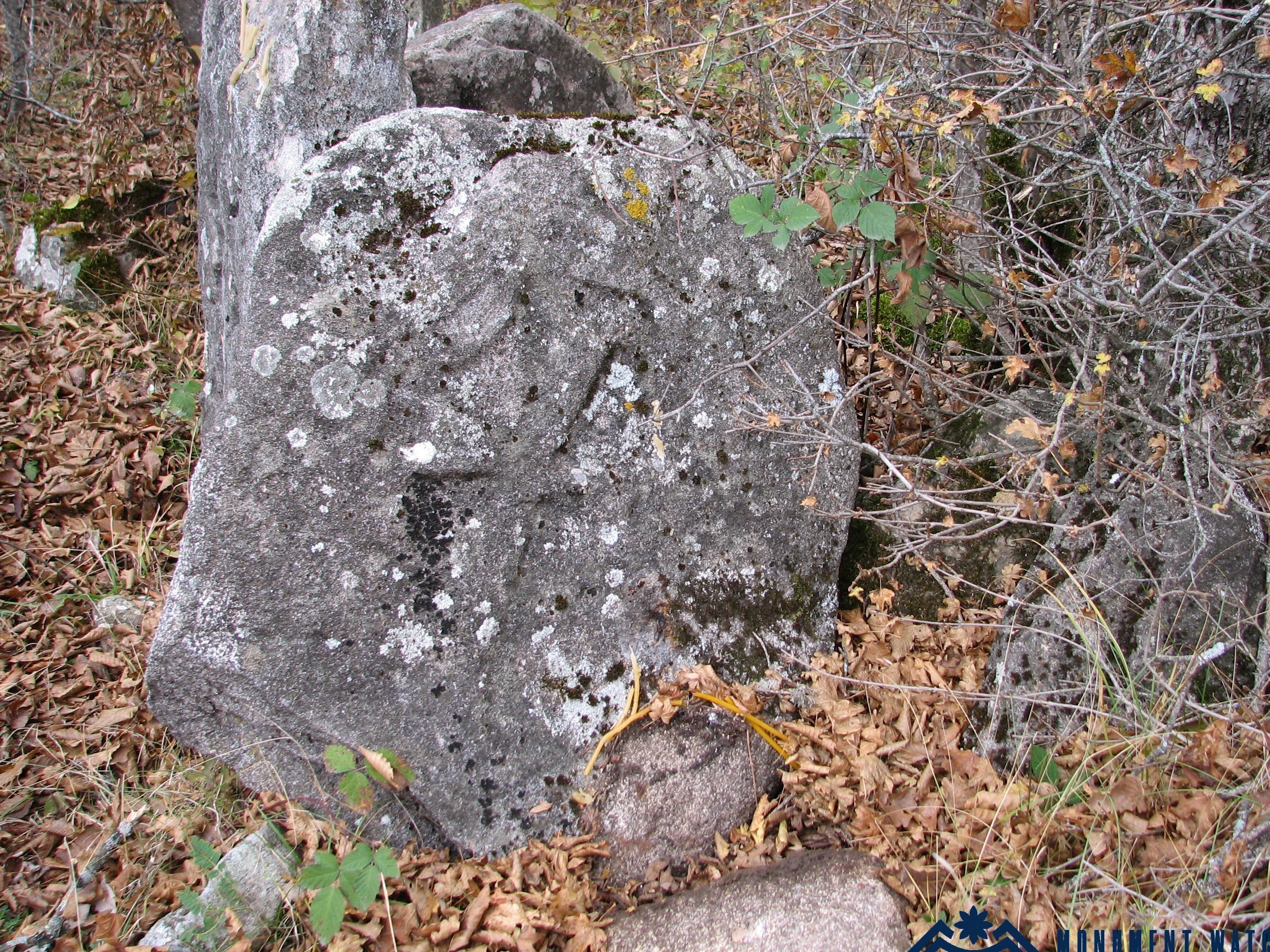
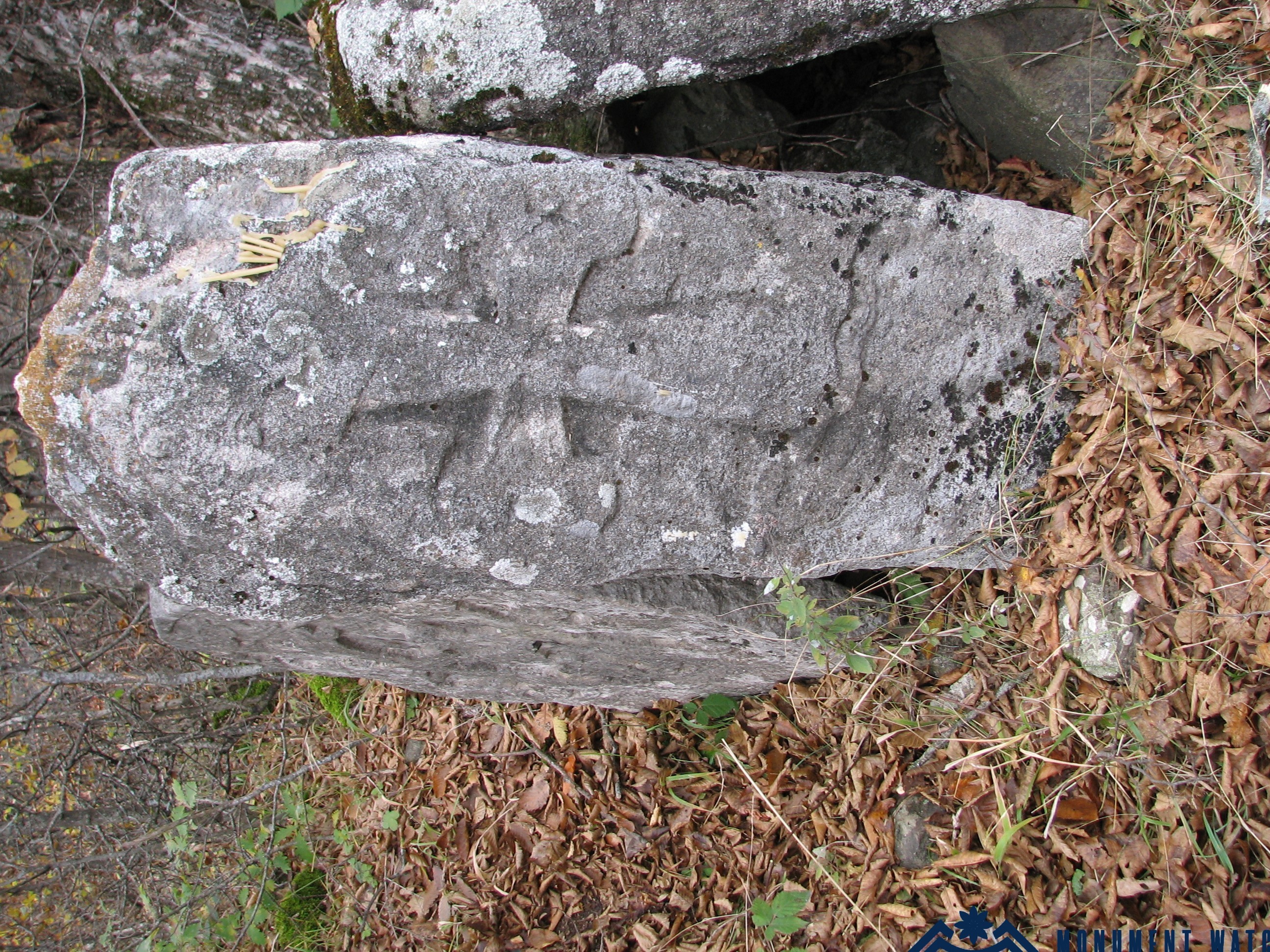
The Sibirdara Cemetery occupies a rather extensive area, measuring approximately 300 m in length and 100 m in width. It consists of two parts: the lower, eastern section, which is the oldest part of the cemetery and dates to the 12th–17th centuries, and the upper, almost separate section, which is the modern cemetery, dating mainly to the 19th–20th centuries (Fig. 3). In the upper section there are three small and simple khachkars, which were brought here from the historical part of the cemetery (Figs. 4, 5). According to local residents, between the old and new cemeteries there once stood the church known as “Sibili Yeghtsi,” which no longer exists (certificate of the Ministry of Education, Science, Culture and Sports of the Republic of Artsakh).
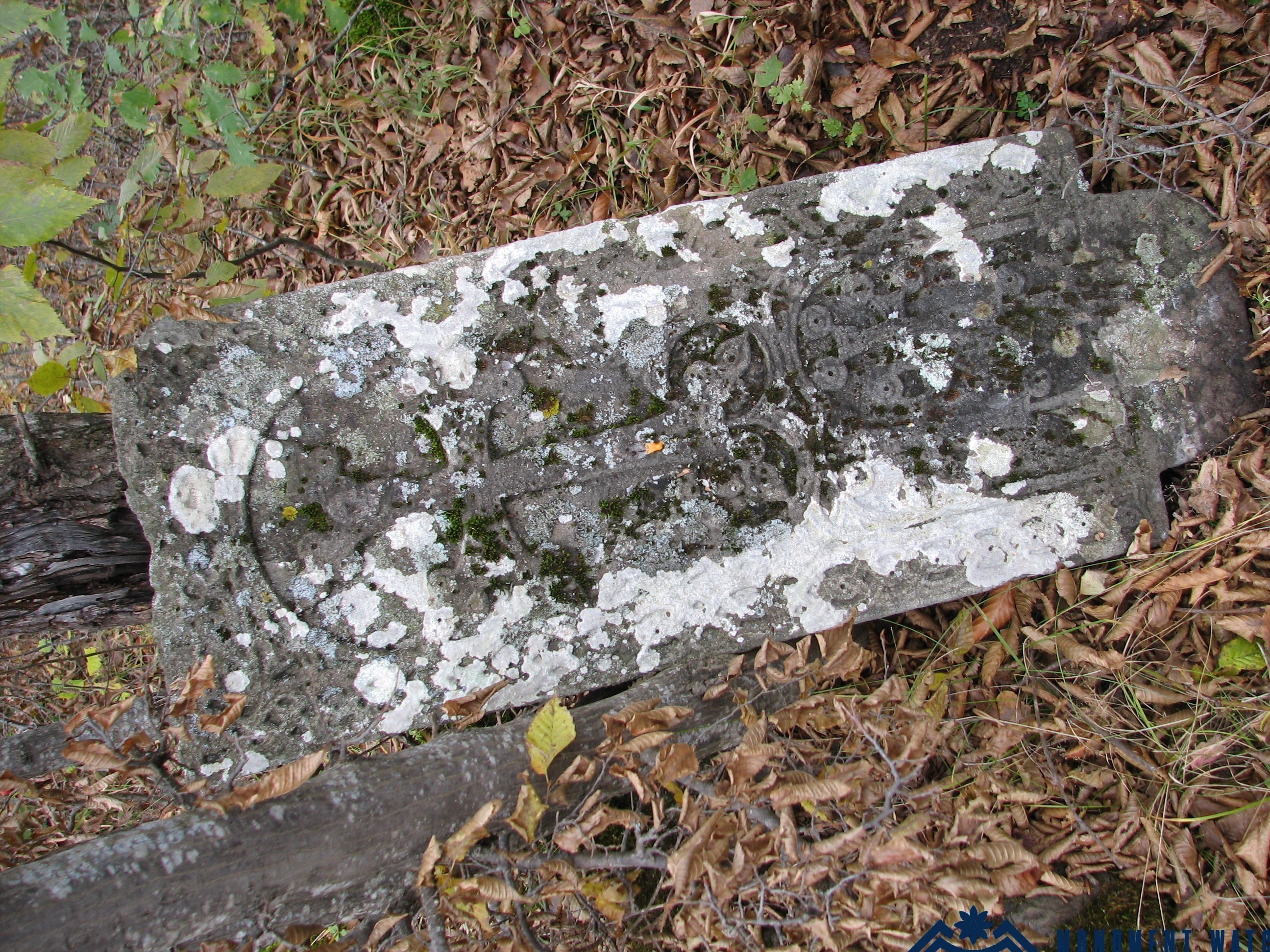
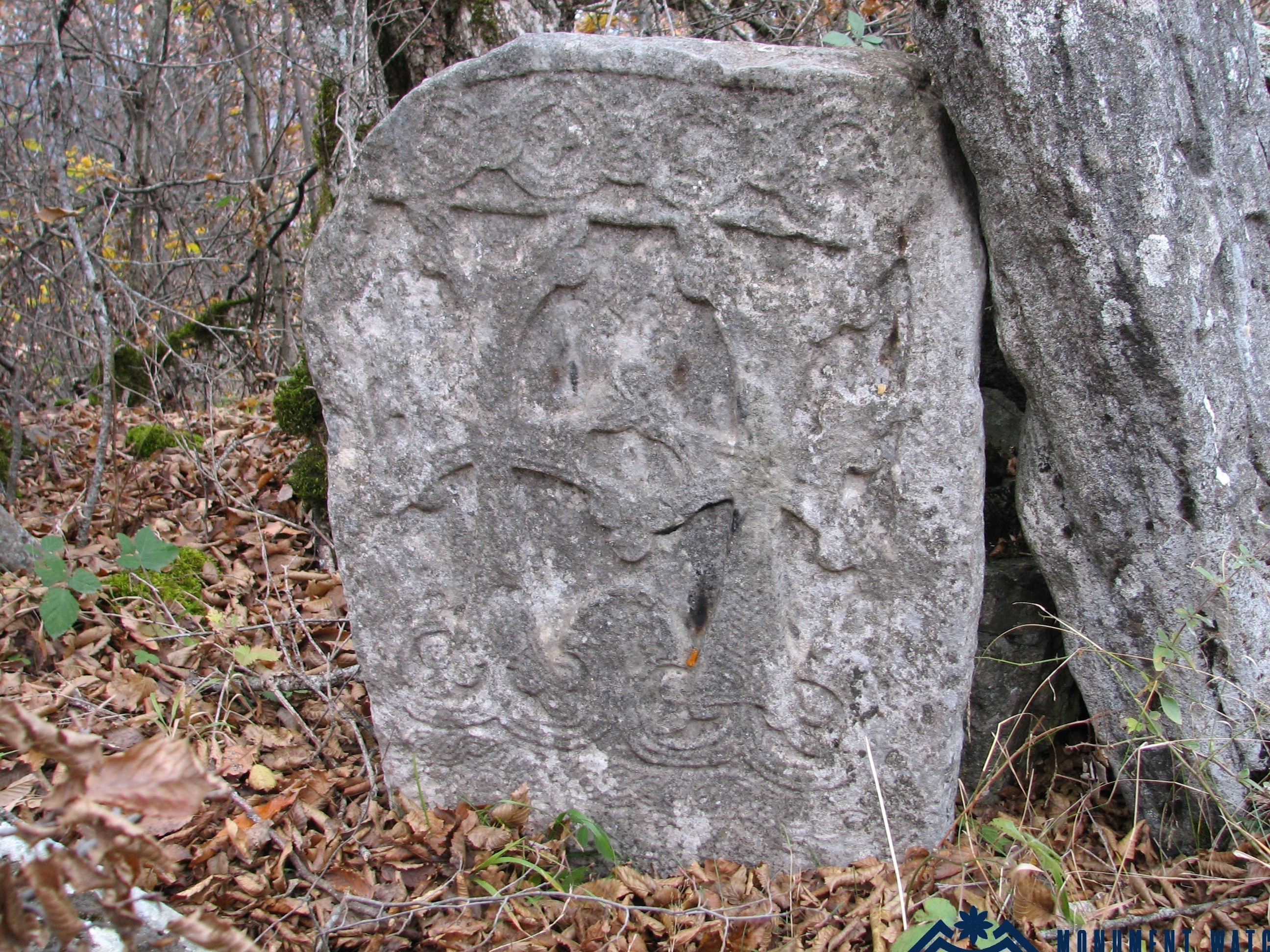
In the upper part of the cemetery, on the road leading to Hakarrakaberd (https://monumentwatch.org/hy/monument/%D5%B0%D5%A1%D5%AF%D5%A1%D5%BC%D5%A1%D5%AF%D5%A1%D5%A2%D5%A5%D6%80%D5%A4-%D5%A1% D5%B4%D6%80%D5%B8%D6%81%D5%A8), stands the village’s well-known Surb Minas Sanctuary. The sanctuary itself occupies a small area. Particularly noteworthy are four ornamented khachkars characteristic of the 12th–13th centuries.