The Berdashen Museum

History

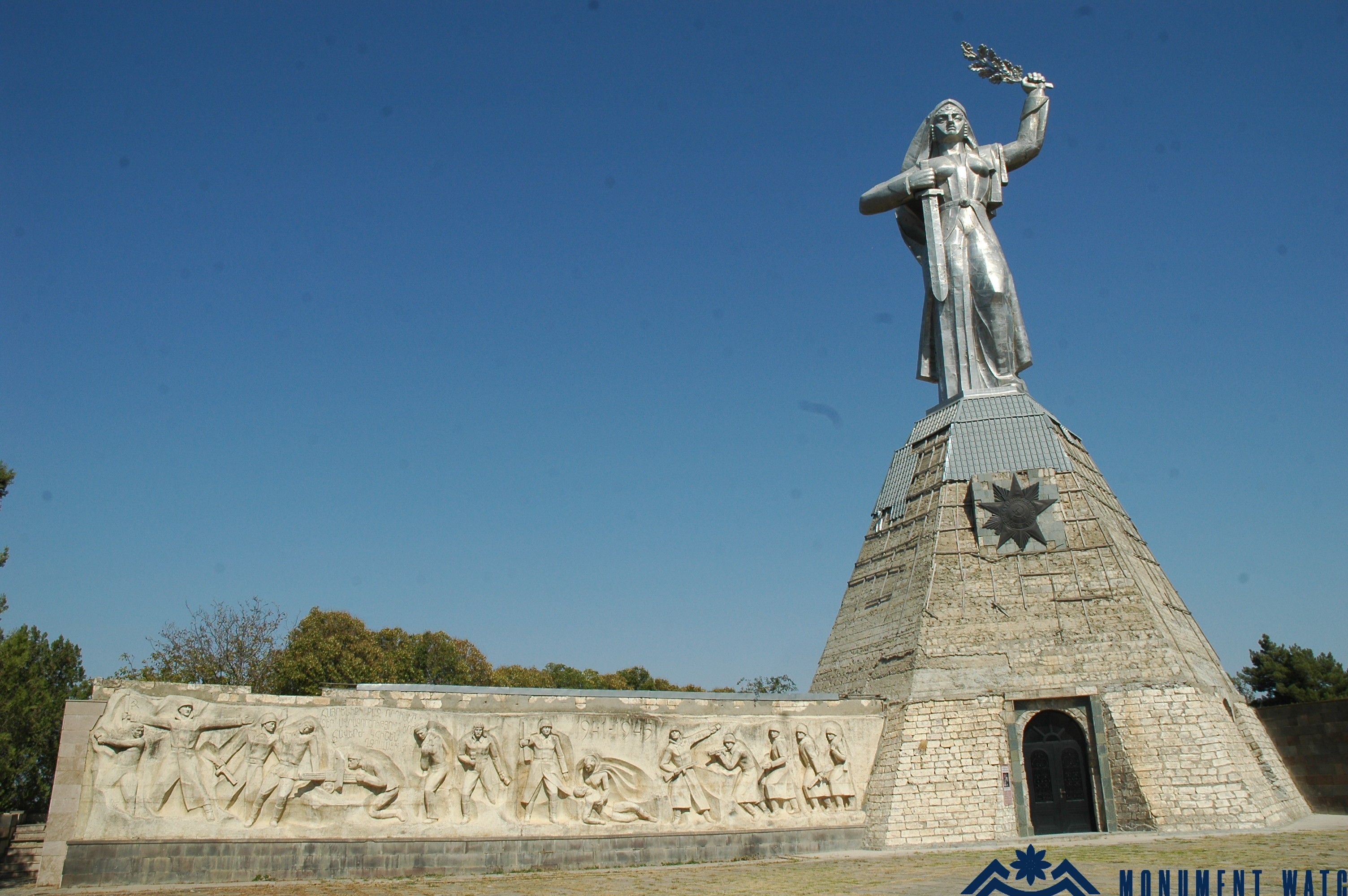
The Berdashen History Museum was located in the eastern part of the village, on a hill, inside a three-story structure approximately 30 m high, dedicated to the memory of those who fell in the Great Patriotic War (Fig. 1). The museum was founded in 1987. Its founder was Haykush Arshak Azaryan, an honored teacher and researcher of the village’s history.

Fig. 1. The general view of the museum.

The collection

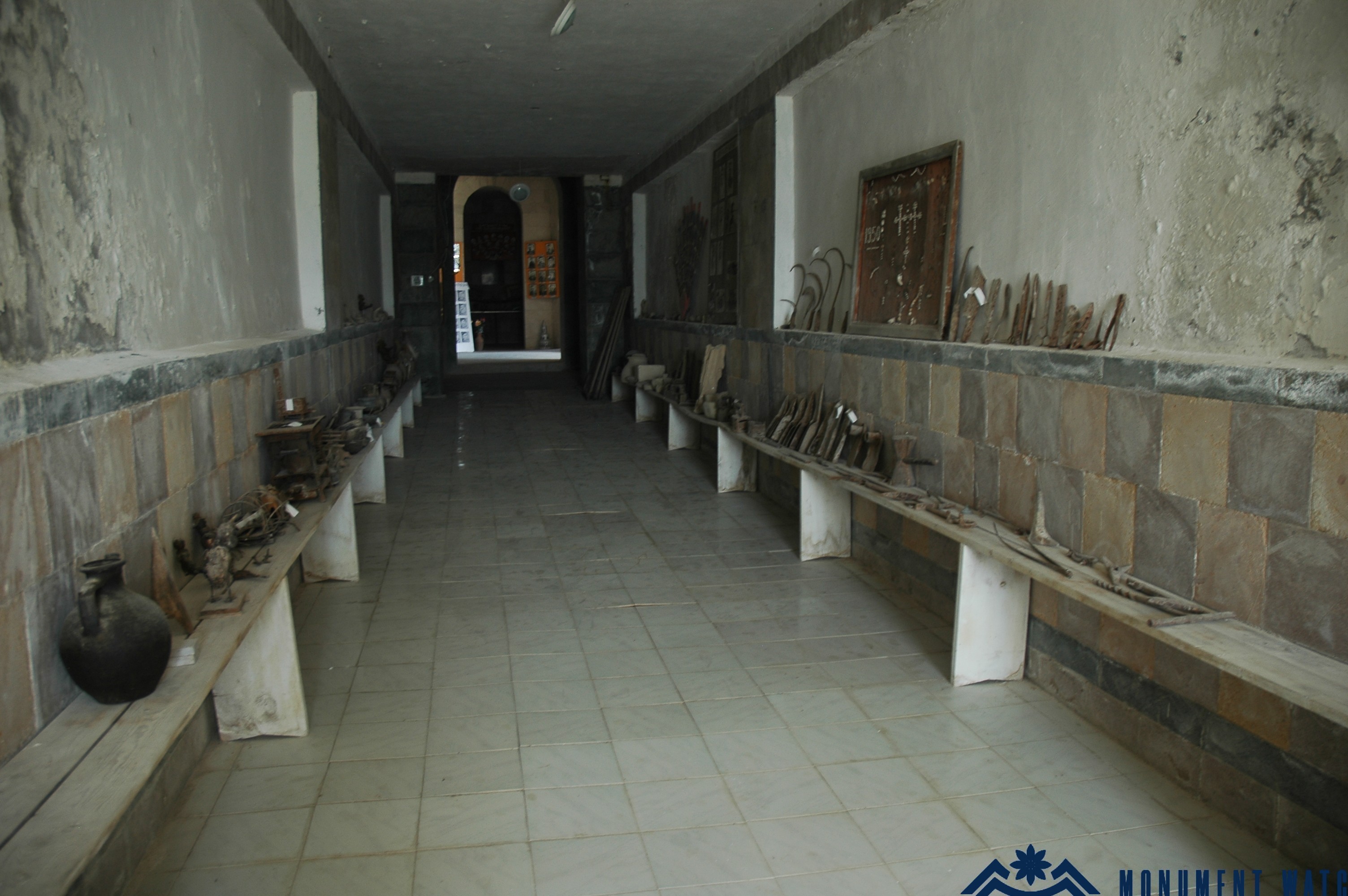
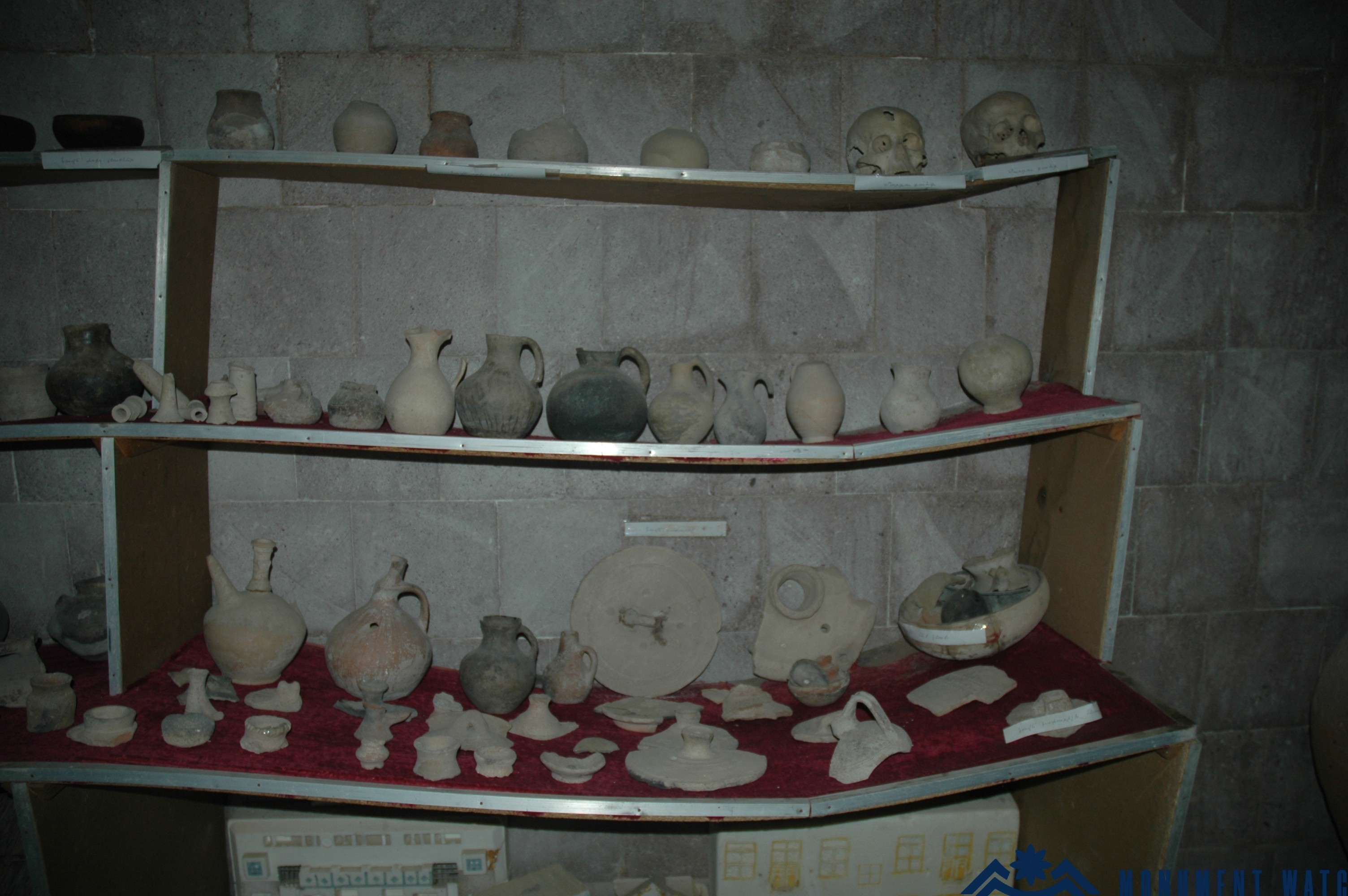
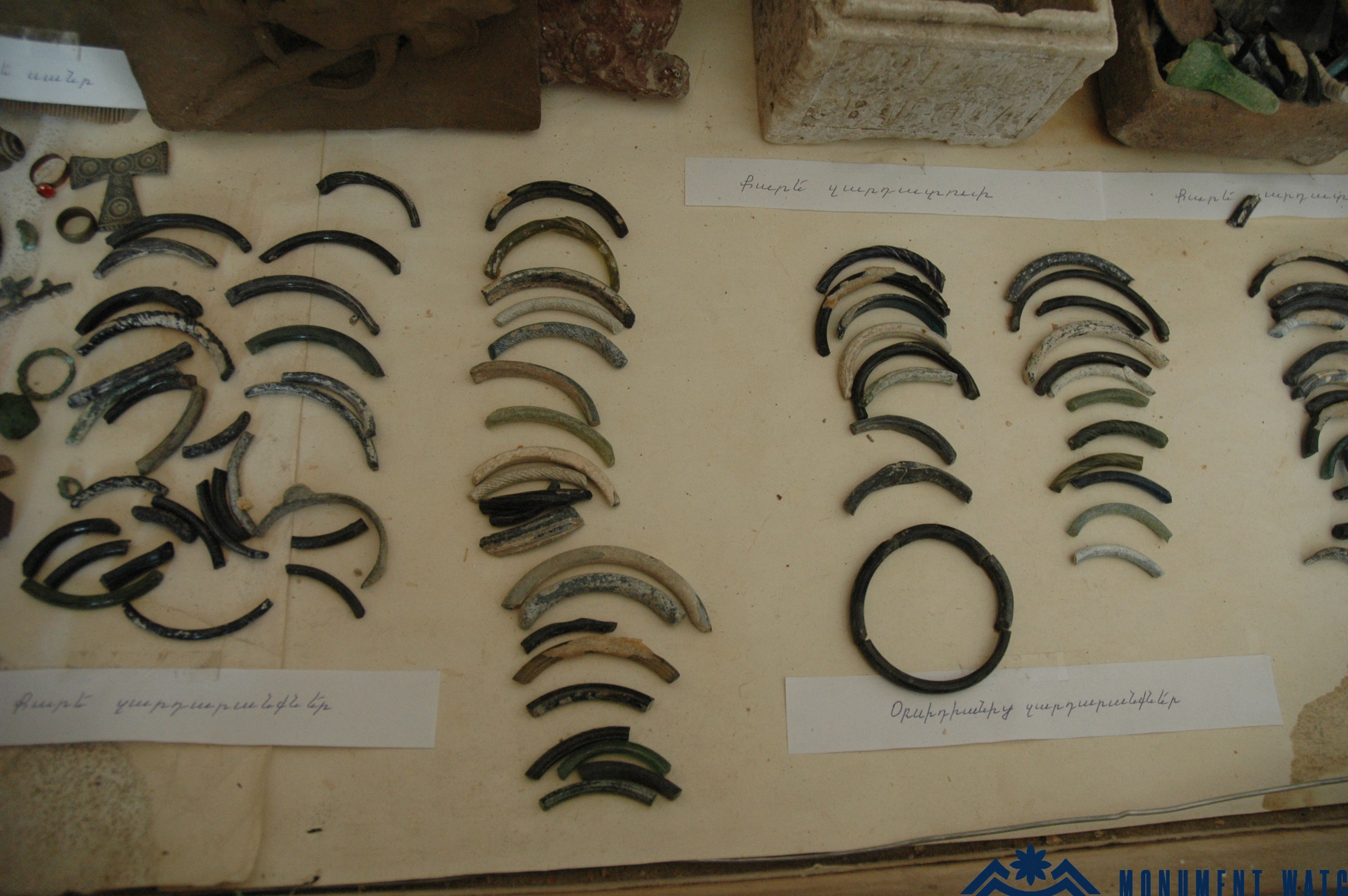
The museum’s first collection was formed through non-professional excavations carried out by Haykush Azaryan in the area of Berdashen known as Aghjkaberd or Kusaberd. The finds included tools, various ceramic vessels and fragments, bronze daggers and swords, tools and weapons made of obsidian, fragments of silver jewelry, coins, and other objects (Figs. 2–6).

Fig. 2. The general view of the museum exhibition hall and exhibits. Photo by H. Petrosyan.

Fig. 3. The general view of the museum exhibition hall and exhibits. Photo by H. Petrosyan.

Fig. 4. The general view of the museum exhibition hall and exhibits. Photo by H. Petrosyan.

Fig. 5. The general view of the museum exhibition hall and exhibits. Photo by H. Petrosyan.

Fig. 6. The general view of the museum exhibition hall and exhibits. Photo by H. Petrosyan.

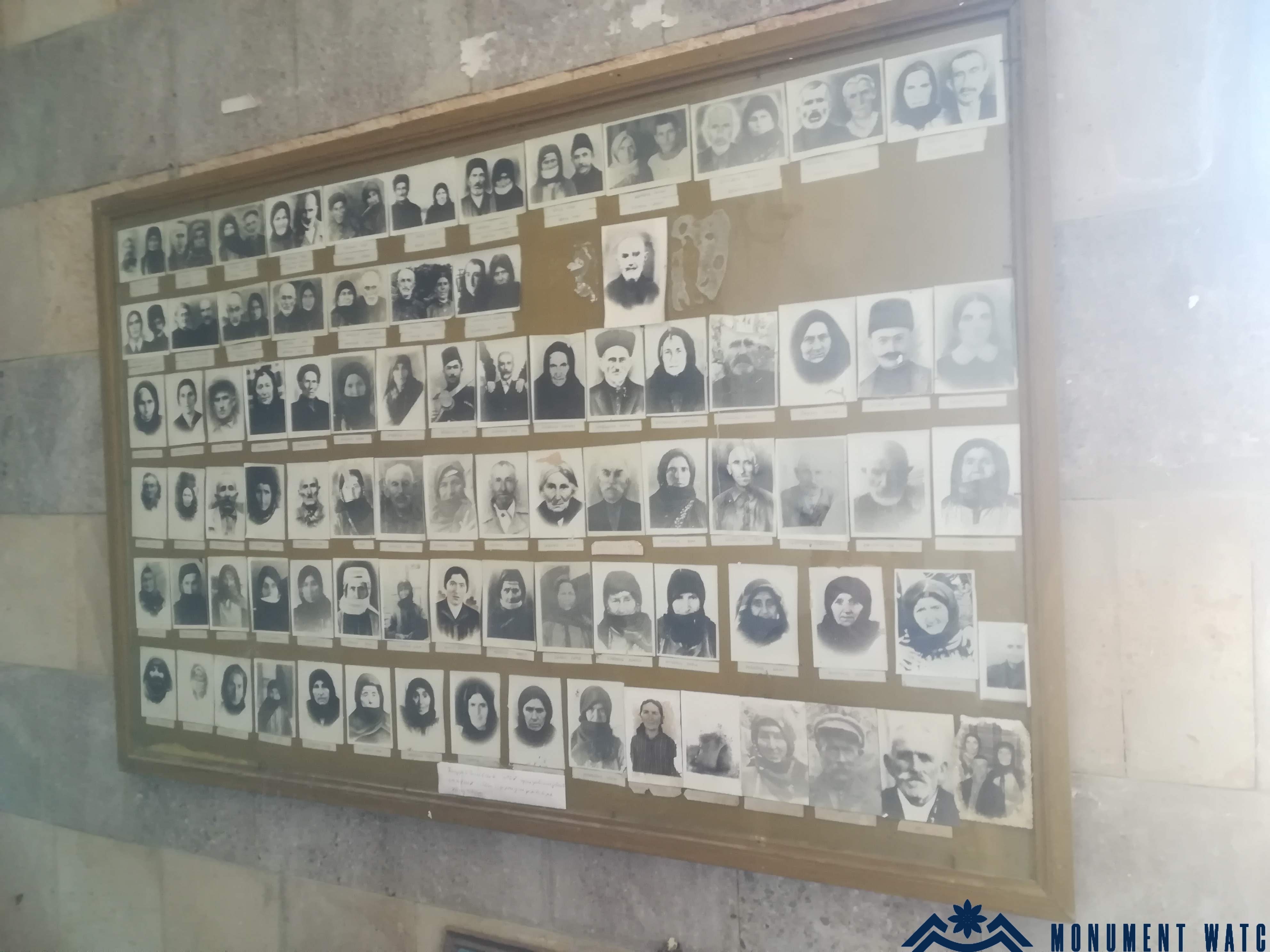
The museum consisted of four exhibition halls, where various archaeological finds discovered in the village and its surroundings were displayed, along with ethnographic tools and objects, as well as photographs and personal belongings related to participants in the Great Patriotic War (Fig. 7).

Initially, the museum exhibits were displayed on the premises of the village school. They were later transferred to the interior of the memorial dedicated to the victims of the Great Patriotic War, constructed at a site known as Jinhaz.

Fig. 7. The museum exhibition hall dedicated to the victims of the Great Patriotic War.

Activities before the war

During the First Artsakh War, the hand of the memorial sculpture was damaged by shelling. Despite this, the museum continued to operate and receive visitors.

In recent years, with the active participation of the local community, a restoration project for the monument had been prepared. Plans had also been made to improve the museum’s permanent exhibition; unfortunately, these works remained unfinished because of the war.

The Condition after the war

Following the Azerbaijani military aggression of 19 September 2023 and the forced displacement of the Armenian population, the museum came under Azerbaijani control. The fate of the museum collection remains unknown.

The museum and international legal regulations

As with all cultural property, the principal international legal framework for the protection of the museum and its collection is provided by the 1954 Hague Convention for the Protection of Cultural Property in the Event of Armed Conflict and its two Protocols of 1954 and 1999.

Under Article 4 of the 1954 Hague Convention for the Protection of Cultural Property in the Event of Armed Conflict, acts of vandalism, theft, pillage, misappropriation, hostility, and reprisals directed against cultural heritage are prohibited. Under the First Protocol to the 1954 Hague Convention, the destruction of cultural or spiritual property in occupied territories is prohibited. The Second Protocol of 1999 reaffirms this requirement and, under Article 15, qualifies such acts as international crimes.

Acts involving the destruction of cultural property are also prohibited under the four Geneva Conventions of 12 August 1949 relating to the protection of victims of war, the laws and customs of warfare and their protocols, as well as under relevant United Nations resolutions and international human rights treaties.