


The Rock-Cut Khachkar of Shahmasur
Location
The rock-cut khachkar is located 0.6 km north-east of the village of Shahmasur in the Martakert Region of Artsakh, in a forested area known as “Ktoghnu Tala” (Fig. 1). According to S. Barkhudaryan, it is situated approximately three kilometers north of the village. Since 2023, the site has been occupied by Azerbaijan.
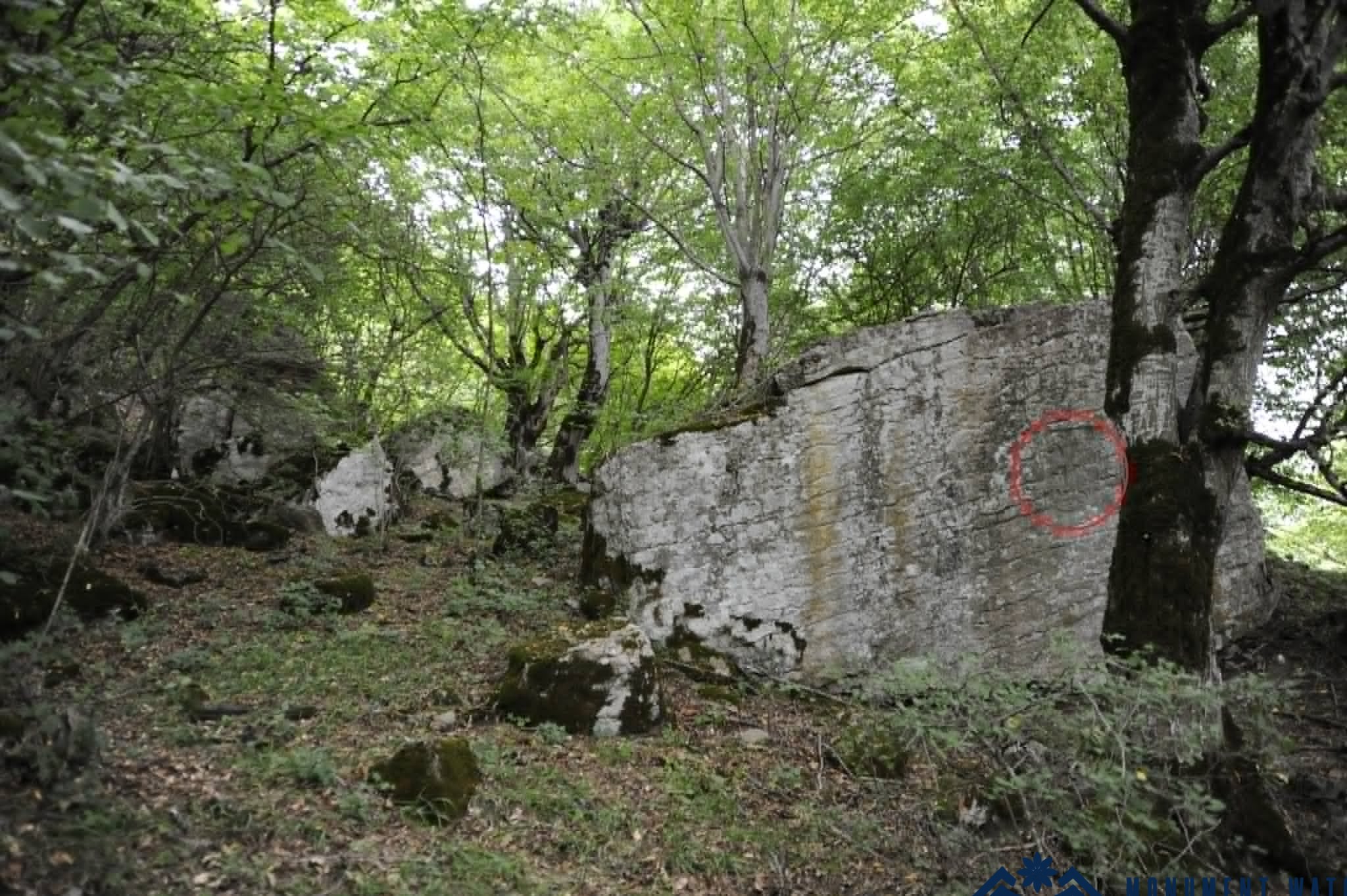
Fig. 1. The general view of the rock outcrop bearing the Shahmasur khachkar. Photo by H. Petrosyan.
Historical overview
Shahmasur is one of the villages of Artsakh particularly rich in historical monuments. The list of immovable historical and cultural monuments in the village and its surroundings includes 56 monuments, among them the “Ktoghnu Tala” rural settlement, dated to the 9th–13th centuries (Fig. 2) (for details, see List of Immovable Historical and Cultural Monuments of Artsakh).
The inscription on the rock outcrop bearing the khachkar was first published in 1982 (Corpus Inscriptionum Armenicarum 1982, 87). In 2018, the inscription was reread and corrected by H. Petrosyan (for details, see Details: Khachkar on a Rock Outcrop, Shahmasur, Khachenaget Valley, Artsakh).
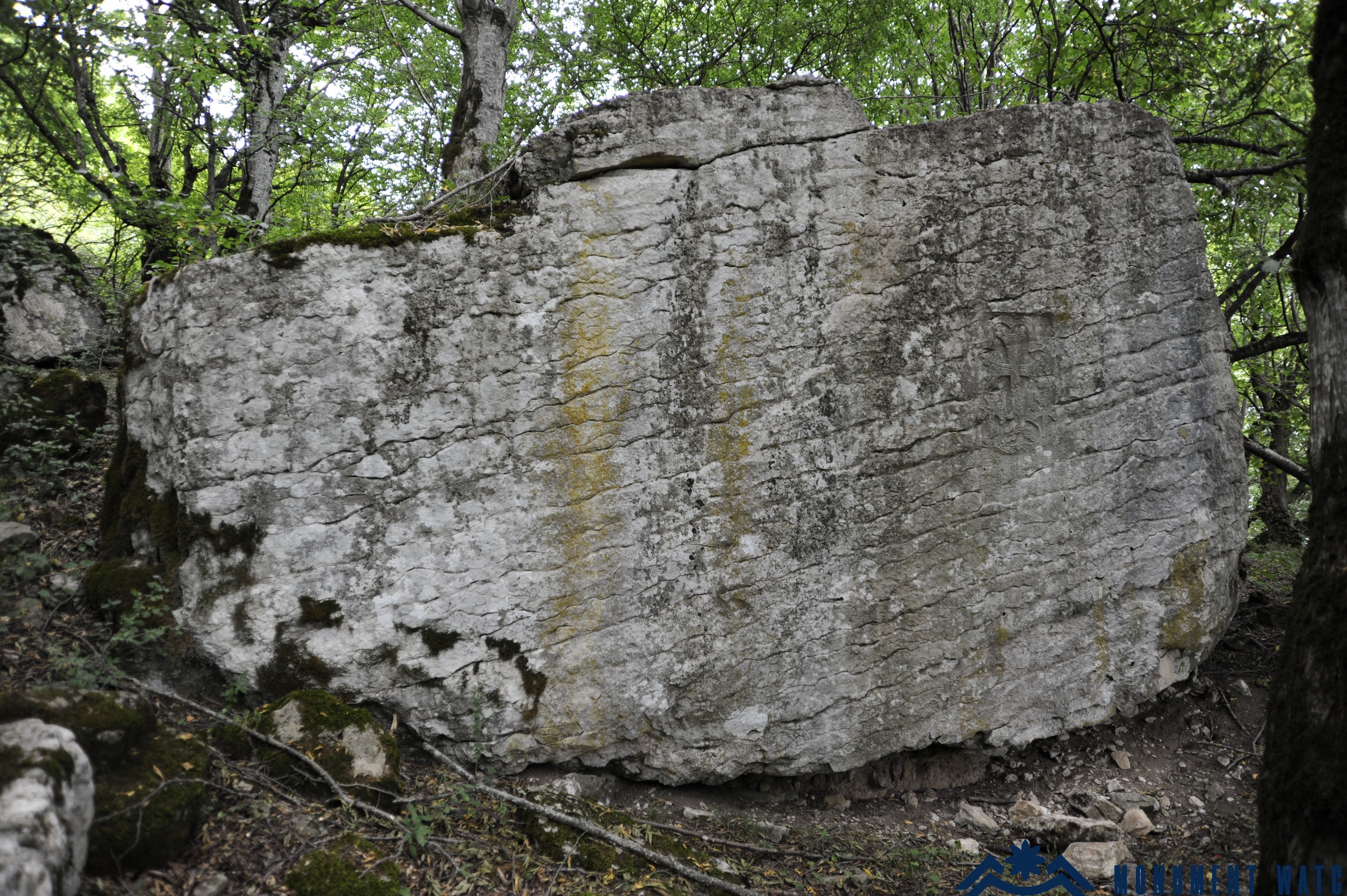
Fig. 2. The rock outcrop bearing the Shahmasur khachkar. Photo by H. Petrosyan.
Architectural and compositional description
Large rock outcrops have been preserved in the “Ktoghnu Tala” area. Traces of individual structures are visible in the surroundings, probably representing the remains of a former rural settlement or monastic complex (certificate of the Ministry of Science, Education, Culture and Sports of the Republic of Artsakh).
Of particular interest is a rock outcrop measuring 5.3 × 3 m. Within a deliberately cut rectangular recess, beneath a decorative band bordered above by a three-arched motif, an interlaced central cross is carved, its arms terminating in triple-elliptical bifurcations. Further below, an interlaced band emerging from the lower arm of the central cross terminates in small crosses whose arms end in rounded lobes. In its overall composition, sculptural details, and carving technique, the monument does not differ substantially from ordinary 12th–13th-century khachkars.
Below and outside the composition is a six-line inscription (Figs. 3–5), which reads:
“In the year 1181. In the name of God, I, Khoreshah, erected this cross as an intercessor for my soul and for [the souls of] my children, an intercessor before Christ. Remember [us] in your prayers.”
It should be noted that there are differing readings of the date in the inscription. S. Barkhudaryan read it as “ՋԼ” (1481), while the certificate of the Ministry of Science, Education, Culture and Sports of the Republic of Artsakh gives the date as “ՈՉԸ” (1239).
According to H. Acharian, the name Khorishah derives from the Persian khurshah, literally meaning “sun king.” The Iranian name is masculine, whereas its Armenian form is feminine. As Acharian explains: “In Persian, Xursah means ‘sun king,’ which is naturally appropriate for a masculine name, whereas in Armenian Khorishah (xor-i sah) means ‘the king’s sun,’ which is appropriate for a feminine name” (Acharian 1942, 544).
Acharian records 15 instances of the feminine personal name Khorishah and one masculine personal name in the form Khorshah Paron. A khachkar was erected in memory of the latter in the village of Hors (Acharian 1942, 544–545). It should be noted that the personal name in the Shahmasur inscription is attested in the form Khoreshah. Judging from the content of the inscription — in the case of a female name, one might expect the woman to be identified as someone’s wife or daughter — it is more likely that the name here belonged to a man. This is a rare phenomenon in Armenian written sources and may provide additional information on the characteristics of medieval Armenian naming practices.
The monument is also significant as a component of the broader system of the historical and cultural heritage of Artsakh. It complements the picture provided by the medieval monuments of Shahmasur and the surrounding area, attesting to the importance of this settlement as one of the spiritual and cultural centers of Artsakh during the High Middle Ages.
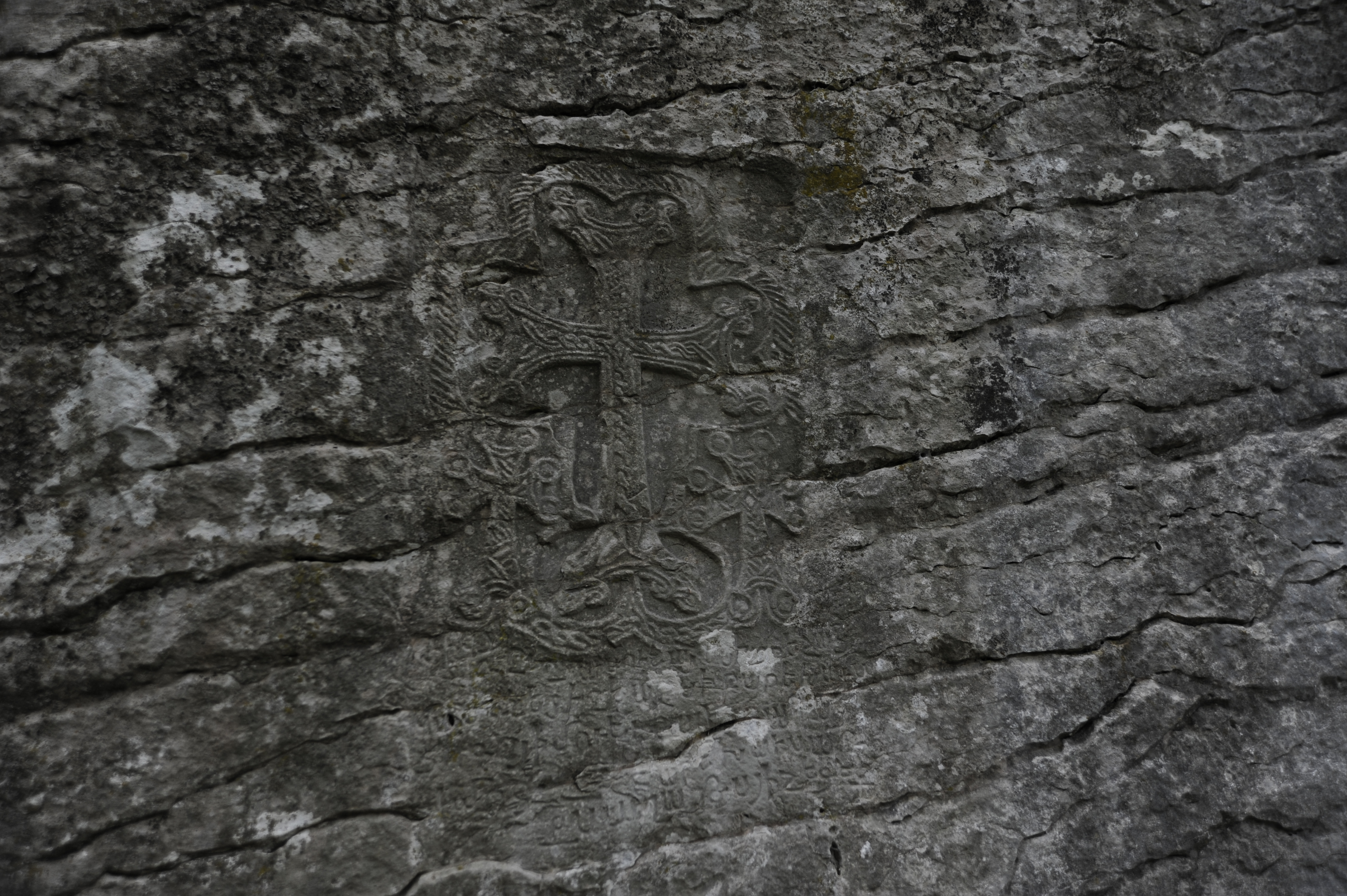
Fig. 3. The rock-cut khachkar of Shahmasur. Photo by H. Petrosyan.
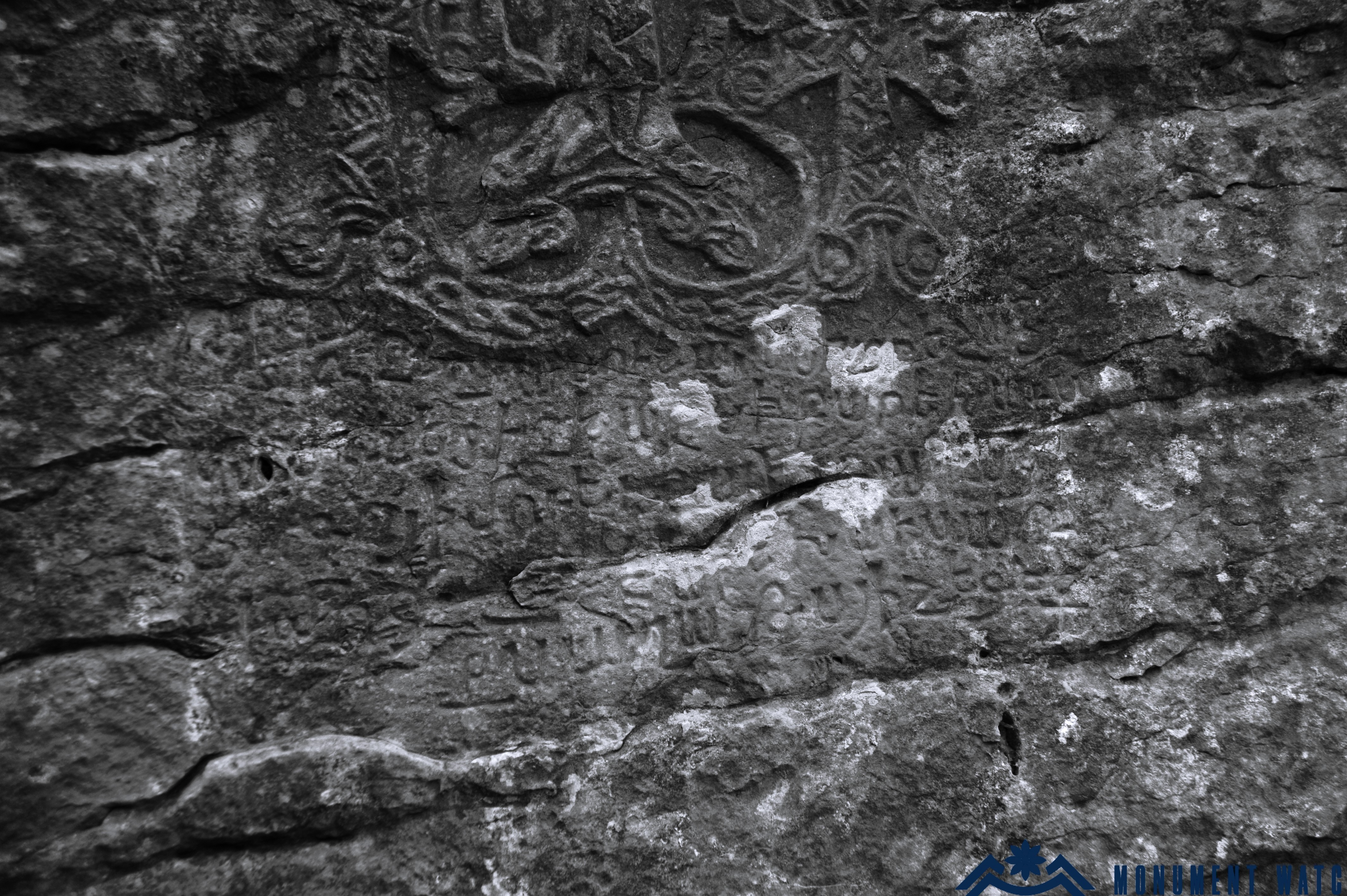
Fig. 4. The inscription of the Shahmasur rock-cut khachkar. Photo by H. Petrosyan.
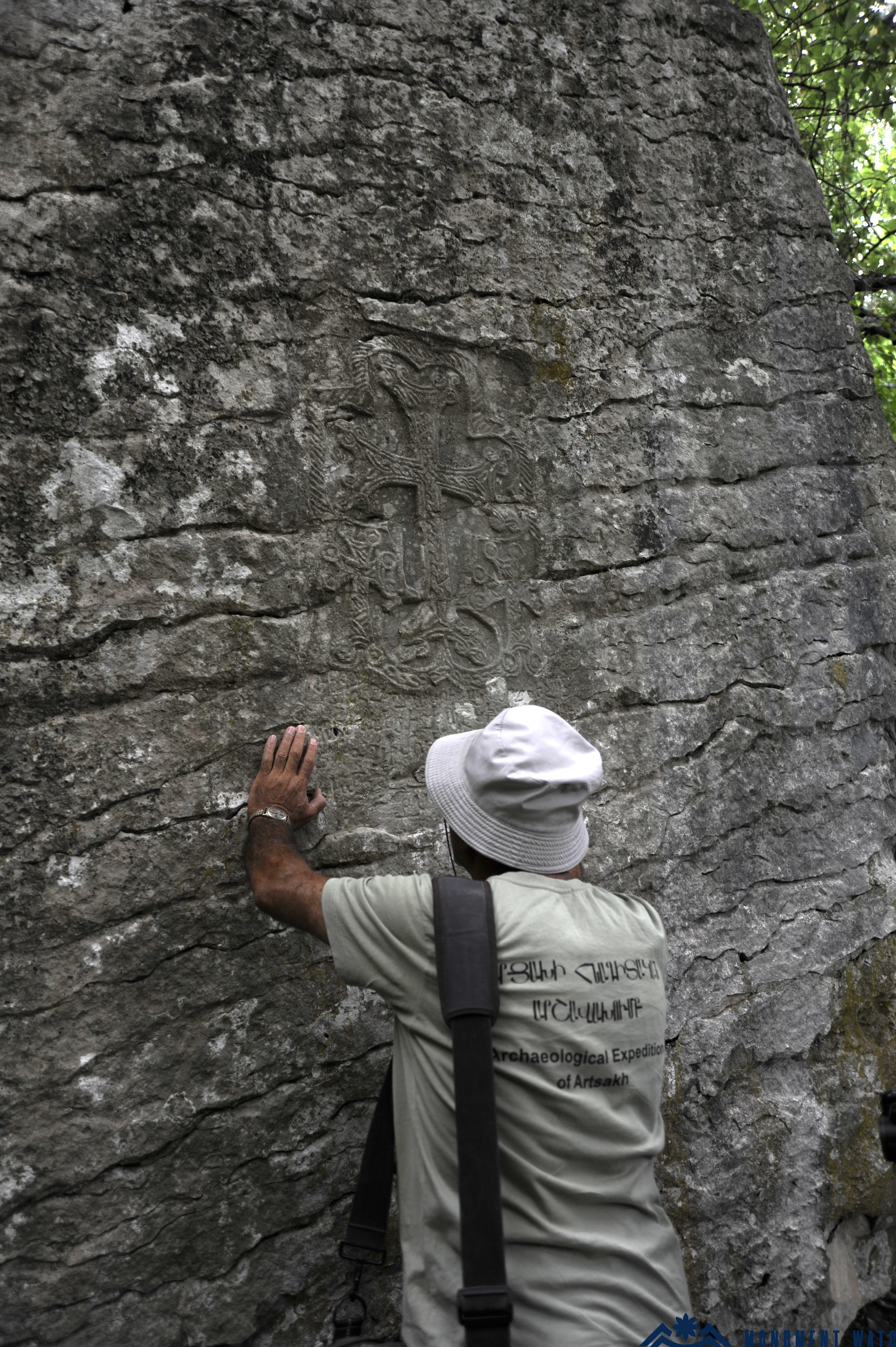
Fig. 5. The reading of the inscription of the Shahmasur rock-cut khachkar. Photo by H. Petrosyan.
The Condition before and after the war
There is currently no reliable information regarding the present condition or state of preservation of the monument.
Bibliography
- Corpus Inscriptionum Armenicarum 1982 - Corpus Inscriptionum Armenicarum, vol. 5, Artsakh, compiled by S. Barkhudaryan, Publishing House of the Academy of Sciences of the Armenian SSR, Yerevan, 1982.
- Certificate of the Ministry of Science, Education, Culture and Sports of the Republic of Artsakh.
- Acharian 1942 - Acharian H., Dictionary of Armenian Personal Names, Yerevan, pp. 544–546.
- Details: Khachkar on a Rock Outcrop, Shahmasur, Khachenaget Valley, Artsakh - (https://monumentwatch.org/hy/facts_and_details/%d5%b4%d5%a1%d5%b6%d6%80%շd5%a1%d5%b4%d5%a1%d5%bd%d5%b6%d5%a5%d6%80%d5%ad%d5%a1%d5%b9%d6%84%d5%a1%d6%80%d5%aa%d5%a1%d5%b5%d5%bc%d5%a1%d5%a2%d5%a5%d5%af%d5%b8%d6%80%d5%ab-%d5%be%d6%80%d5%a1-%d5%b7/)
- List of Immovable Historical and Cultural Monuments of Artsakh - https://hy.wikipedia.org/wiki/։
The Rock-Cut Khachkar of Shahmasur
Artsakh