


The Burial Ground of Shosh Village
Location
The burial ground of Shosh village lies about 1 km northeast of the village of the same name in the Askeran Region of Artsakh. It extends across two large hill ridges and their surrounding areas, above a tract of land known as Zkradzor. Since 2023, the site has been occupied by Azerbaijan.
Historical overview
In August 1990, an expedition organized by the Stepanakert Center for Armenian Studies, operating under the Institute of Archaeology and Ethnography of the Academy of Sciences of the Armenian SSR, conducted exploratory excavations at the burial ground of Shosh village (Petrosyan 1989, 76–78; Petrosyan and Safaryan 1991, 53–54; Petrosyan 2006, 425–433).
Archaeological investigation
The expedition documented 62 burial mounds (Fig. 1).
These artificial mounds measure 10–40 m in circumference and reach heights of up to 2 m. They are characterized by circular stone revetments constructed of split stone, with individual stone cists placed within the artificial fill at their centers.
The tops of the burial mounds have been disturbed, frequently exposing the stone slabs of the burial chambers and, in isolated cases, the remains of the damaged chambers themselves.
The expedition excavated two burial mounds (Nos. 1 and 3), both of which had been looted.
On the stone revetment of Burial Mound No. 1 (circumference: 36 m; height: 1.50 m), an obsidian flake, an arrowhead tip, and various pottery fragments were discovered (Fig. 2).
The burial chamber was oriented north-west to south-east, measuring 1.80 m in length, 0.80 m in width, and 1.0 m in depth. Its covering slabs were missing, and the entrance passage (dromos) was located on the south-eastern side.
Within the chamber, from a depth of 0.4 m down to the floor, particularly in the area adjoining the entrance passage, several human skeletal remains were recovered, including fragments of a humerus, patella, and scapula. Fragments of two double-handled ceramic pots were also discovered: one with a blackish-brown burnished surface and the other with a lustrous blackish-brown finish.
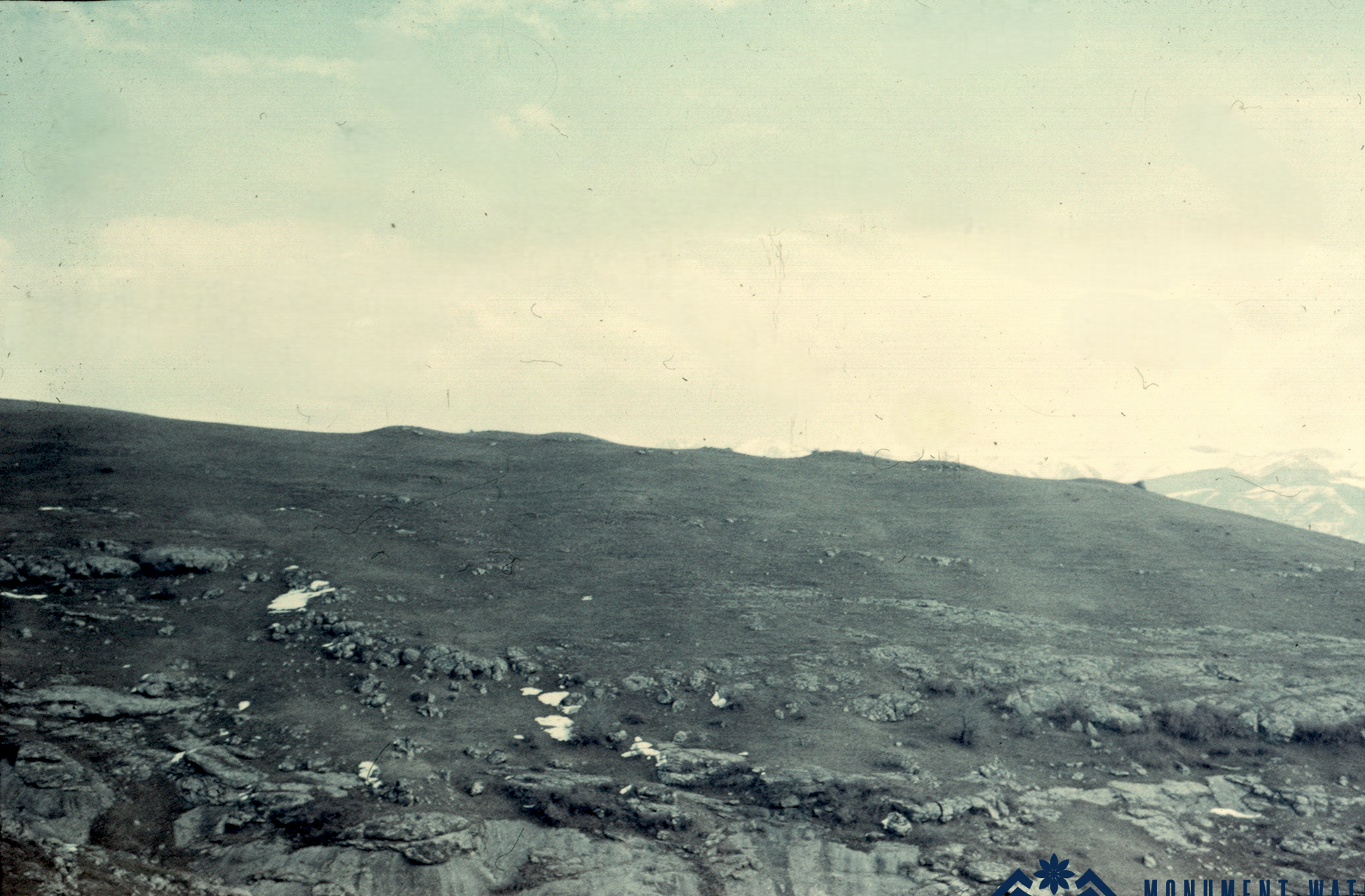
Fig. 1. A section of the burial ground. Photo by H. Petrosyan.
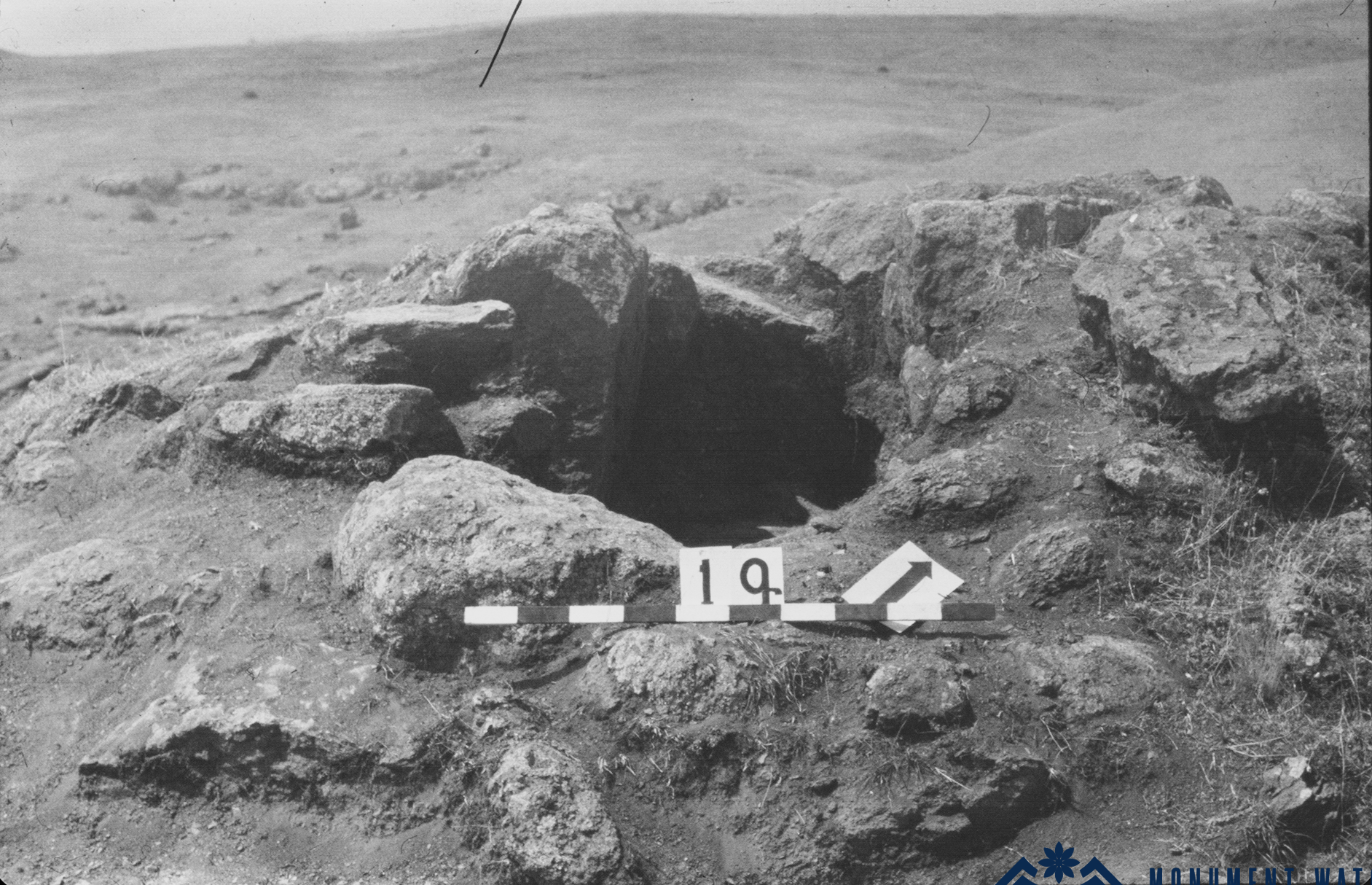
Fig. 2. The burial chamber of Burial Mound No. 1. Photo by H. Petrosyan.
The burial chamber of Burial Mound No. 3 (circumference: 38 m; height: 1.45 m) was oriented north-east to south-west and measured 2.0 m in length, 0.80 m in width, and 1.05 m in depth. This chamber had also been looted, although only one of its covering slabs was missing.
Two arrowheads, one made of obsidian and the other of flint, were discovered on one of the two remaining covering slabs (Fig. 3).
The burial chamber also contained a small number of bones and teeth belonging to small ruminants.
Thus, the results of the exploratory excavations conducted at the Shosh burial ground made it possible to identify the principal structural and chronological characteristics of the monument.
The investigations established that the burial ground consists of burial mounds with circular stone revetments and central above-ground stone-cist chambers, representing a coherent funerary tradition.
Although both excavated burials had been looted, the archaeological material documented—including obsidian and flint arrowheads, pottery fragments, and human and animal skeletal remains—provided a basis for a preliminary assessment of the cultural affiliation and chronology of the complex.
The limited quantity of recovered material allows the burial mounds to be dated only approximately to the end of the 2nd millennium and the beginning of the first millennium BC.
The site thus represents a significant example of the funerary traditions that characterized the region during the Late Bronze Age and Early Iron Age.
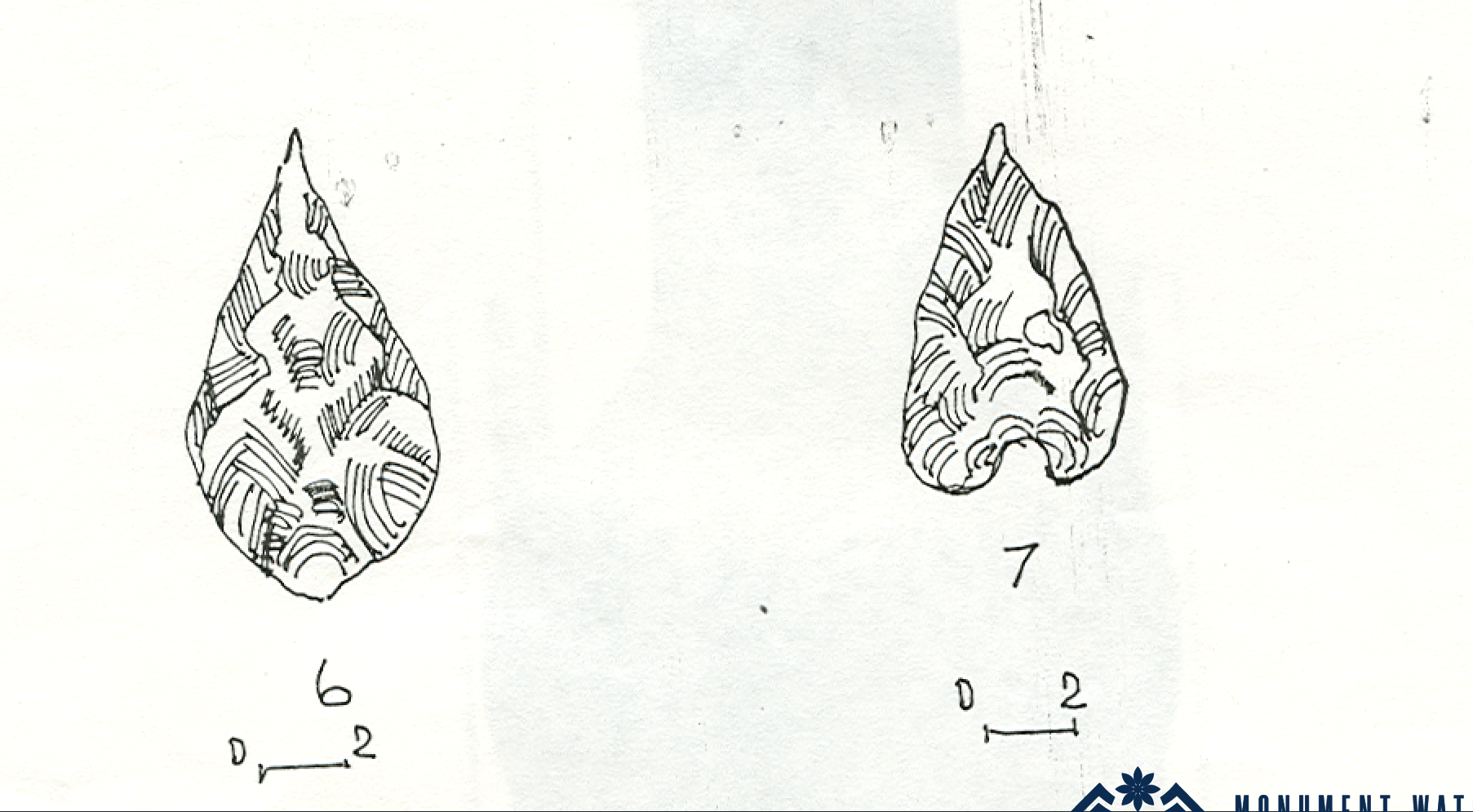
Fig. 3. Arrowheads discovered in Burial Mound No. 3.
Bibliography
- Petrosyan 1989 - Petrosyan H., “The Early Medieval Burial Ground of Nor Armenavan (1988),” Scientific Session Dedicated to the Results of Archaeological Fieldwork Conducted in the Armenian SSR in 1987–1988: Abstracts of Papers, Yerevan, pp. 76–78.
- Petrosyan, Safaryan 1991 - Petrosyan H., Safaryan V., “Exploratory Excavations in Artsakh,” Republican Archaeological Session: Abstracts of Papers, Yerevan, pp. 53–54.
- Petrosyan 2006 - Petrosyan H., “Archaeological Research in Artsakh,” in The Nagorno-Karabakh Republic: Past, Present and Future, International Conference, Yerevan State University Press, pp. 425–433.
The Burial Ground of Shosh Village
Artsakh