


The Early Christian Burial Ground of Nor Armenavan
Location
The burial ground is in the Nor Armenavan neighborhood in southeastern Stepanakert, Artsakh. Since 2023, the site has been under Azerbaijani occupation.
Historical overview
In 1988, construction work on the southwestern outskirts of Stepanakert’s newly developed Nor Armenavan neighborhood uncovered an extensive burial ground (Fig. 1).
To establish the site's nature and chronology, a team from the Institute of Archaeology and Ethnography of the Academy of Sciences of the Armenian SSR, comprising H. Petrosyan, M. Zardaryan, and H. Hobosyan, conducted an investigation in November at the Stepanakert City Council's invitation.
The team conducted a detailed examination of the monument and documented the entire archaeological complex, including the recovered osteological material. The expedition leader, H. Petrosyan, subsequently presented the excavation results (Petrosyan 1989, 76–78).
Archaeological investigation
The archaeological investigation focused primarily on clearing the disturbed section of the burial ground. Archaeologists excavated 13 graves (Fig. 2).
The burials exhibit a consistent west–east orientation. They consist of stone cist graves of varying dimensions, constructed from locally available stratified sandstone and limestone, occasionally marbleized, with no visible traces of stone dressing.
The lateral slabs are generally smaller than the covering slabs, and the burial chamber floors are not paved with stone.
In all graves examined, the deceased were buried supine, with their heads oriented westward, faces turned upward, and arms crossed over the chest or abdomen. The burial chambers had not been filled with earth, and no evidence of cremation or dismemberment was identified.
The burials were almost entirely devoid of grave goods. Only two graves (2A1 and 2A3) yielded a fragment of an iron finger ring and an iron ring measuring 3 cm in diameter.
The consistent orientation of the graves, the positioning of the skeletons, and the near-total absence of accompanying grave goods indicate that the site represents a Christian burial ground.
The absence of above-ground funerary monuments provides an important chronological indicator. Such grave markers became widespread from the 9th century onward, and clearly identifiable surface markers generally distinguish burials in Artsakh from that period to the present. Their absence at Nor Armenavan therefore suggests that the burial ground dates to the 4th–8th centuries.
However, a more precise date is possible when considering the broader development of Christian burial practices in Armenia. During the early centuries of Christianity, pre-Christian funerary traditions had not entirely disappeared, and burials dating to the 4th–8th centuries frequently contained grave goods. Given the almost complete absence of such objects at Nor Armenavan, the burial ground can be dated more narrowly to the 6th–8th centuries.
Preliminary investigation indicates that the burial ground belongs to a group of archaeological monuments characteristic of early medieval Armenia, a conclusion further supported by numerous parallels with comparable sites.
An examination of the surrounding terrain also revealed traces of a settlement approximately 400–500 m east of the burial ground. According to residents, structural remains were visible in this area relatively recently, and earthmoving activities frequently uncovered pithoi and fragments of other ceramic vessels.
Surface finds collected from the surrounding area consist predominantly of pottery fragments dating to the 18th–19th centuries. The team also recovered ceramic fragments from the Early Bronze Age, Late Bronze Age, and Early Iron Age.
Further archaeological investigation of the area was expected to reveal both remains of religious structures associated with the burial ground and evidence of an ancient settlement. Such discoveries would, in turn, provide a firmer basis for refining the burial ground's chronology.
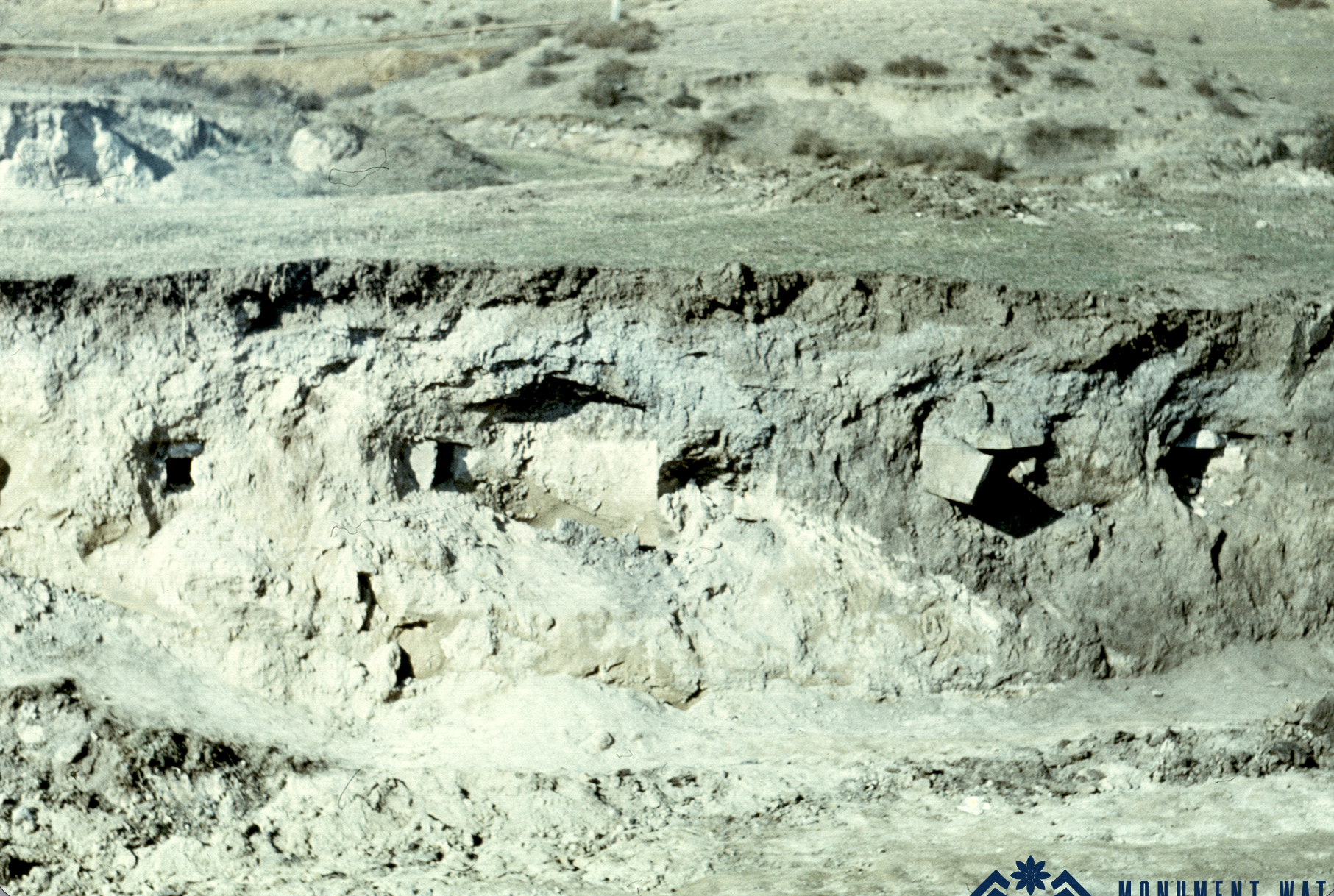
Fig. 1. The disturbed section of the burial ground. Photo by H. Petrosyan.
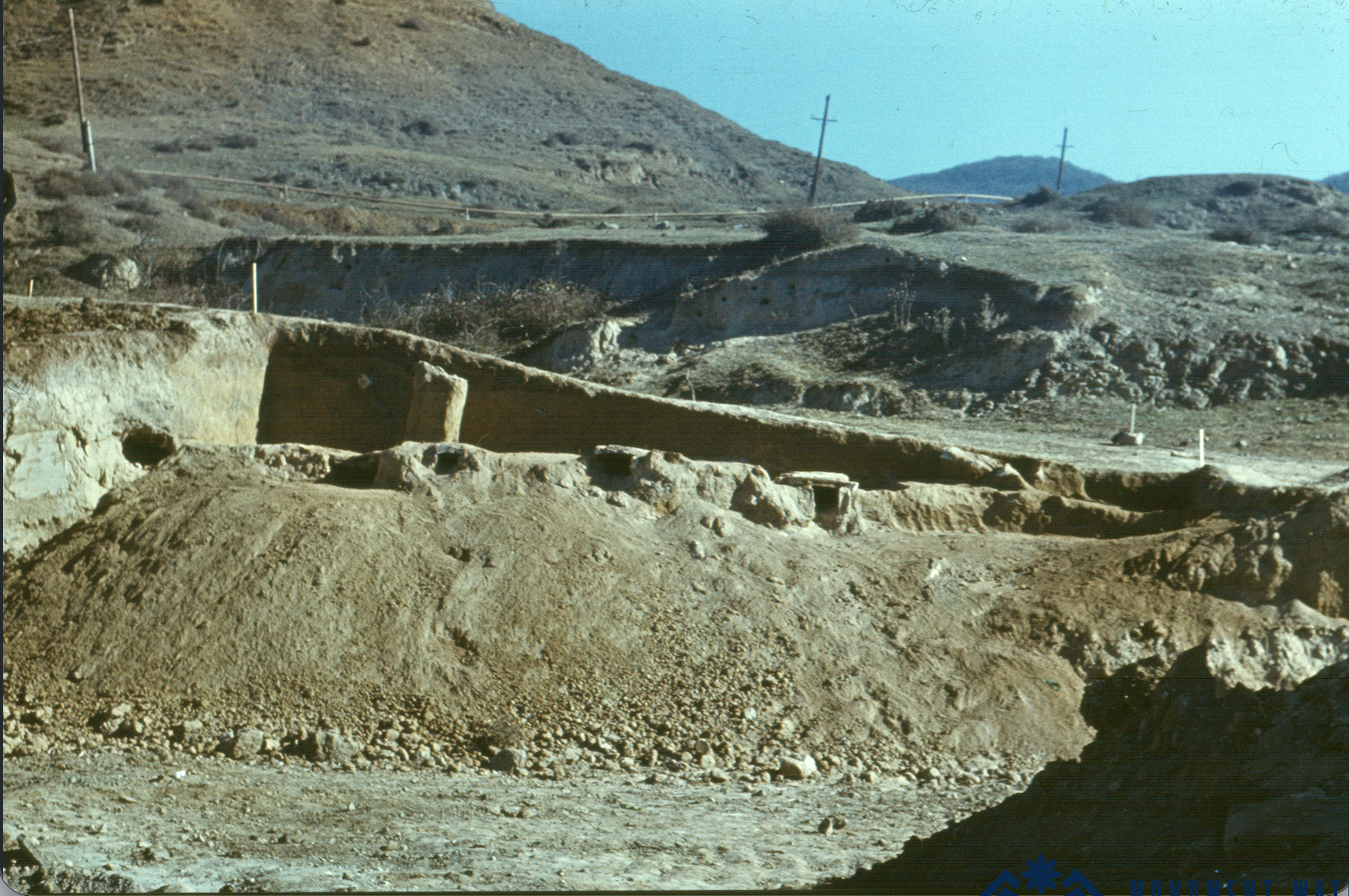
Fig. 2. A view of the excavations. Photo by H. Petrosyan.
Bibliography
- Petrosyan 1989 - Petrosyan H., “The Early Medieval Burial Ground of Nor Armenavan (1988),” Scientific Session Dedicated to the Results of Archaeological Fieldwork Conducted in the Armenian SSR in 1987–1988: Abstracts of Papers, Yerevan, pp. 76–78.
- Petrosyan, Safaryan 1991 - Petrosyan H., Safaryan V., “Exploratory Excavations in Artsakh,” Republican Archaeological Session: Abstracts of Papers, Yerevan, pp. 53–54.
- Petrosyan 2006 - Petrosyan H., “Archaeological Research in Artsakh,” in The Nagorno-Karabakh Republic: Past, Present and Future, International Conference, Yerevan State University Press, pp. 425–433.
The Early Christian Burial Ground of Nor Armenavan
Artsakh