


The Church of the Machi Shen Rural Settlement
Location
The church is located in the Machi Shen rural settlement, about 3 km northeast of Khachen village in the Askeran District of the Republic of Artsakh (Nagorno-Karabakh). The settlement covers about 0.2 hectares. It contains the remains of a partially ruined church, 13 documented khachkars, and several other structures reduced to piles of stone.
The church stands on a wooded, sloping mountainside on the right bank of the Aghavno River (Fig. 1).
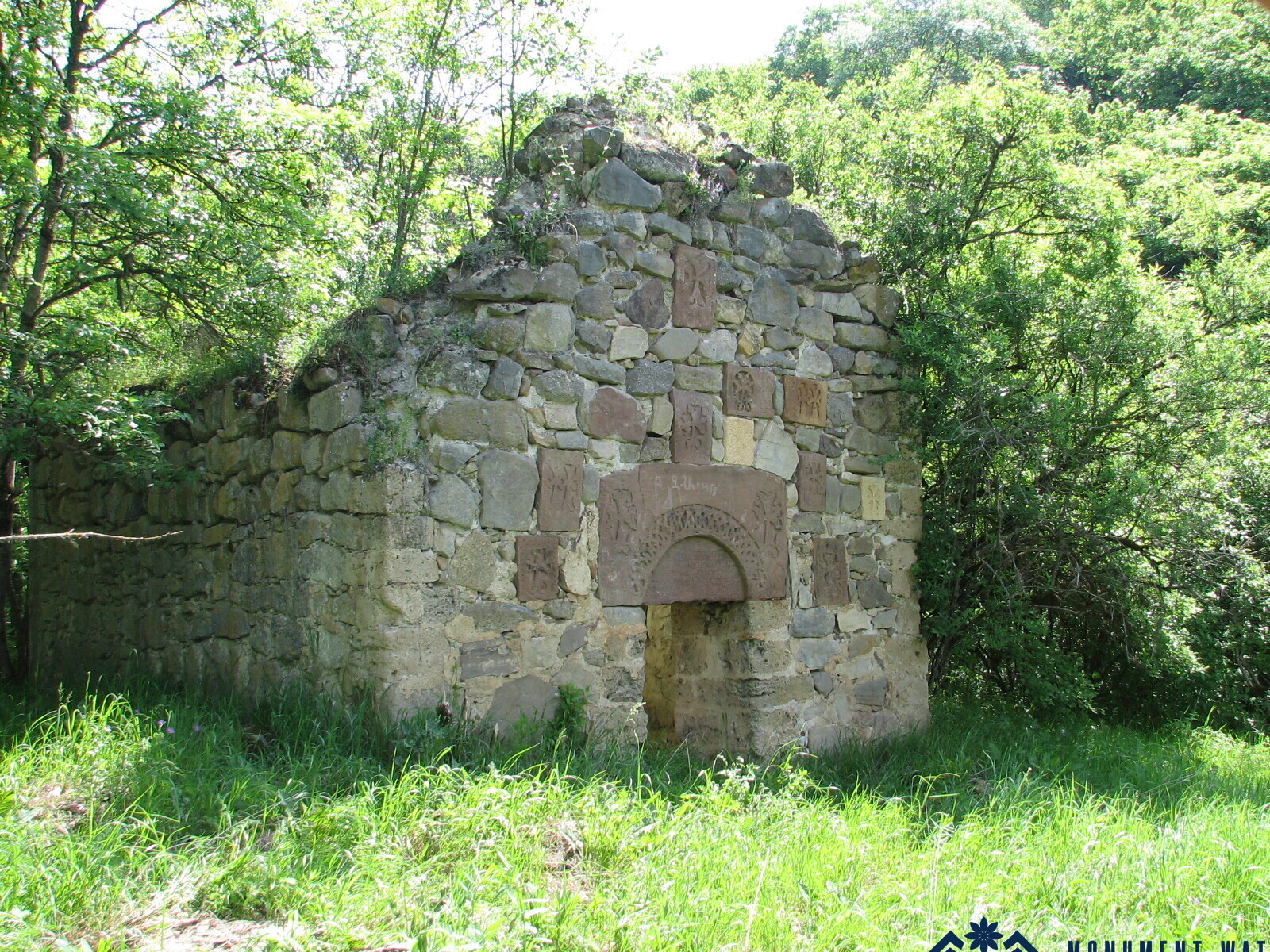
Fig. 1. The Church of Machi Shen, viewed from the northwest. Photo by G. Sargsyan.
Architectural and Compositional Analysis
In terms of its ground plan and volumetric-spatial composition, the Church of Machi Shen is a single-nave hall terminating in a rectangular apse to the east. Externally, the building measures 6.8 × 4.4 m. The longitudinal walls of the prayer hall incorporate engaged wall-piers, most likely to support the transverse arches carrying the vault, although the original roofing system has not survived.
The building’s overall composition is dominated by its longitudinal orientation. The interior is organized as a unified hall without division into multiple aisles. This type of vaulted hall, in which the longitudinal axis serves as the principal organizing element of the sacred space, was widespread in Artsakh architecture during the 12th–13th centuries (Kirakosyan 2023, 251).
The church is characterized by a simple structural arrangement, modest dimensions, and restrained decoration. It was built from locally available sandstone and quartzite, bonded with lime mortar. Examination of the surviving masonry reveals stones of varying size and degree of dressing.
The main wall masonry consists mainly of medium-sized and large roughly dressed or relatively smooth-faced stones, generally laid in horizontal courses (Fig. 2). The main body of the walls used less carefully worked stones. In contrast, larger, more regularly dressed blocks were employed at the corners and particularly around the entrance. Khachkars were also reused as building material in the western façade, lending visual interest to its otherwise unadorned masonry (Fig. 3).
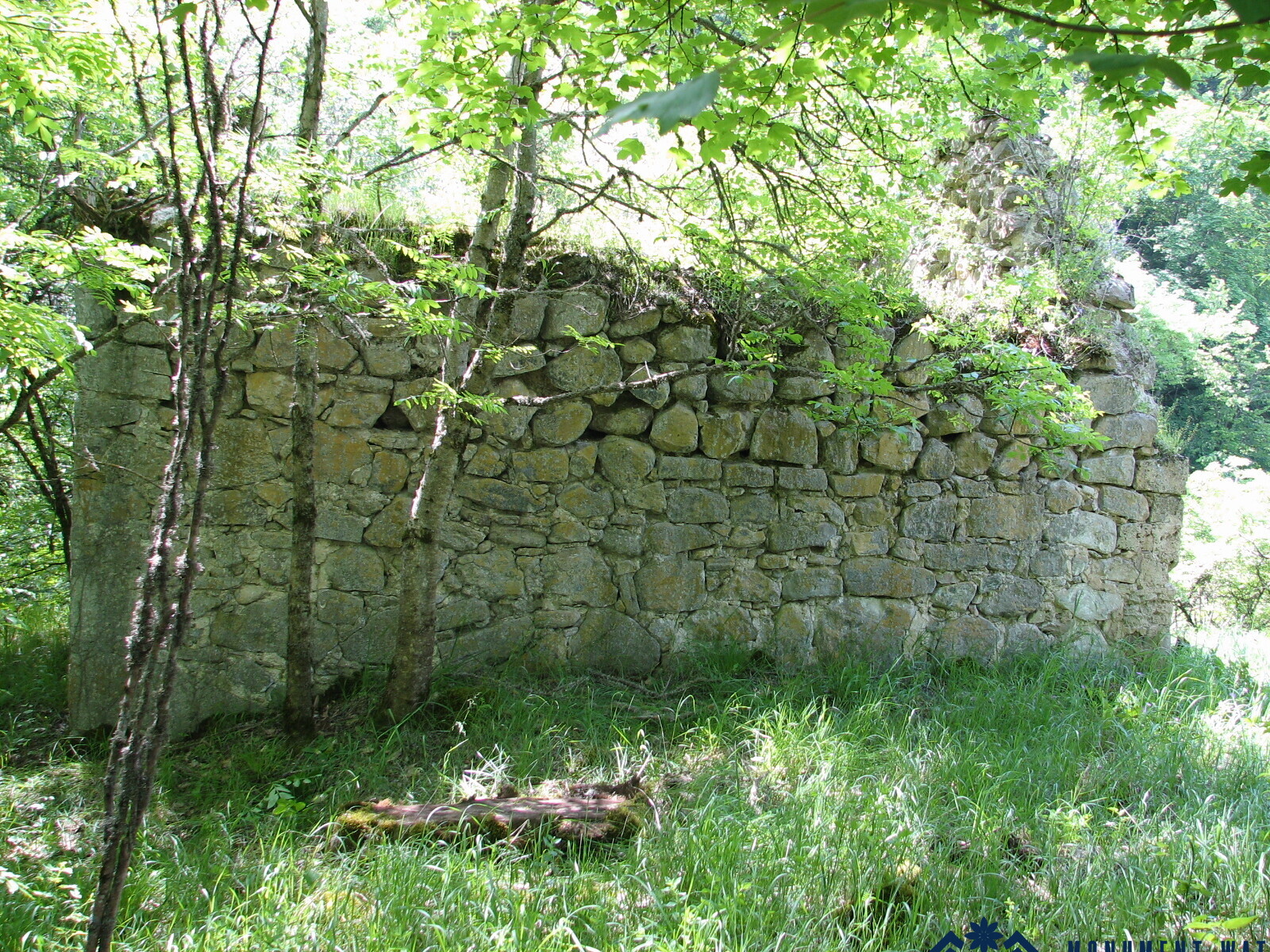
Fig. 2. The northern longitudinal wall of the church. Photo by G. Sargsyan.
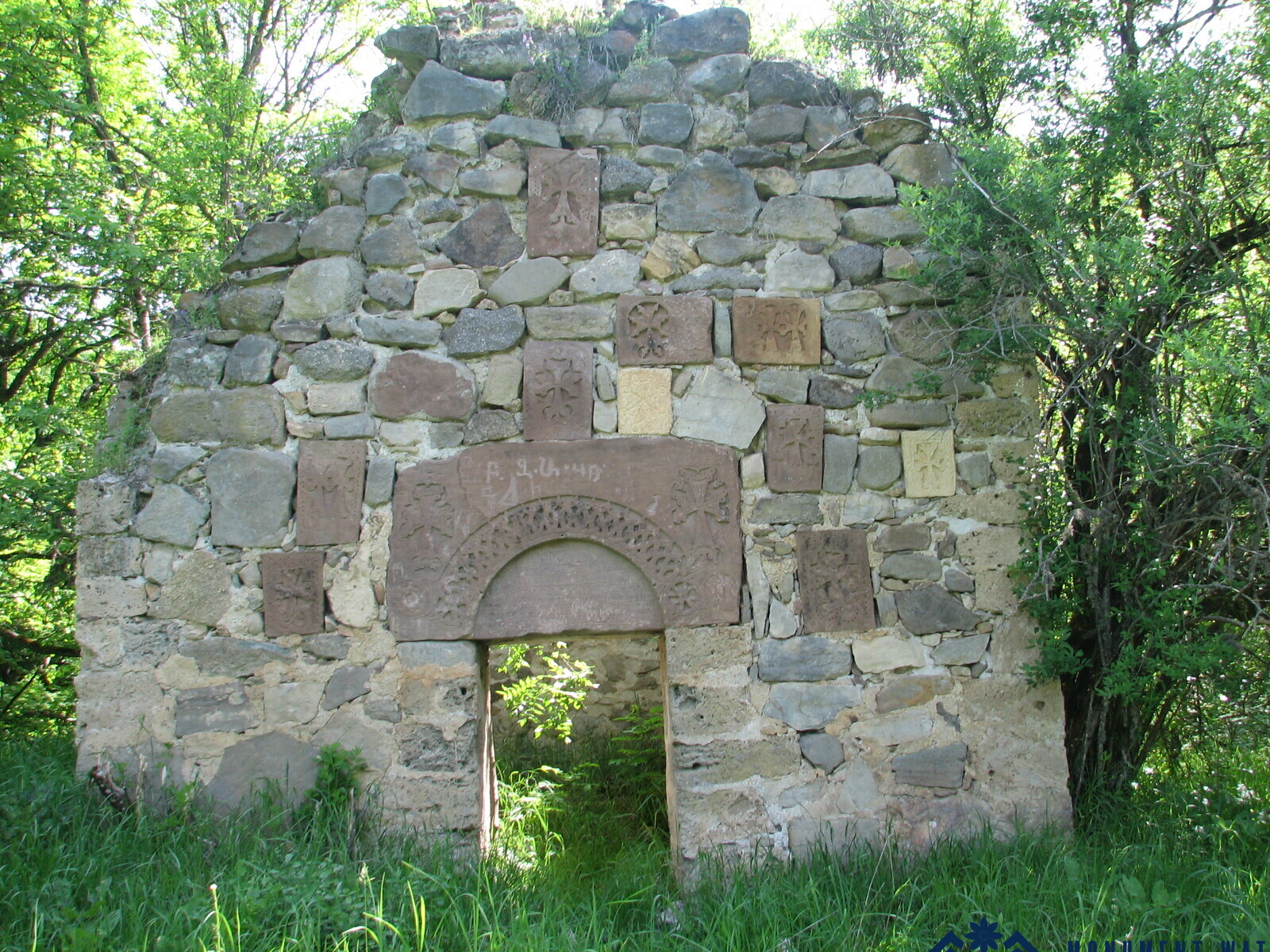
Fig. 3. The western façade of the church. Photo by G. Sargsyan.
The selection and treatment of stone at Machi Shen extended beyond purely structural considerations. Stone served simultaneously as a medium for architectural expression, sculptural iconography, and epigraphic documentation.
The western entrance is the church's most architecturally prominent feature, distinguished by elaborate sculptural decoration. The large stone lintel crowning the entrance is framed by a semicircular carved surround containing a multiline Armenian inscription (Fig. 4).
The inscription reads:
“In the Armenian year 794 (1345), during the rule of Lord Atabak and Amir Hasan, and the patriarchate of Ter Davit, I, Priest Hayrapet of Kapan, son of Chara, together with [my] brothers … [Vakh]tang and Sharabtat … and our children, restored this church … Remember [us] in your prayers.”
Curiously, the State Register of Immovable Monuments of History and Culture of Khachen Village gives 1245 as the date of the inscription (see State Register, 28).
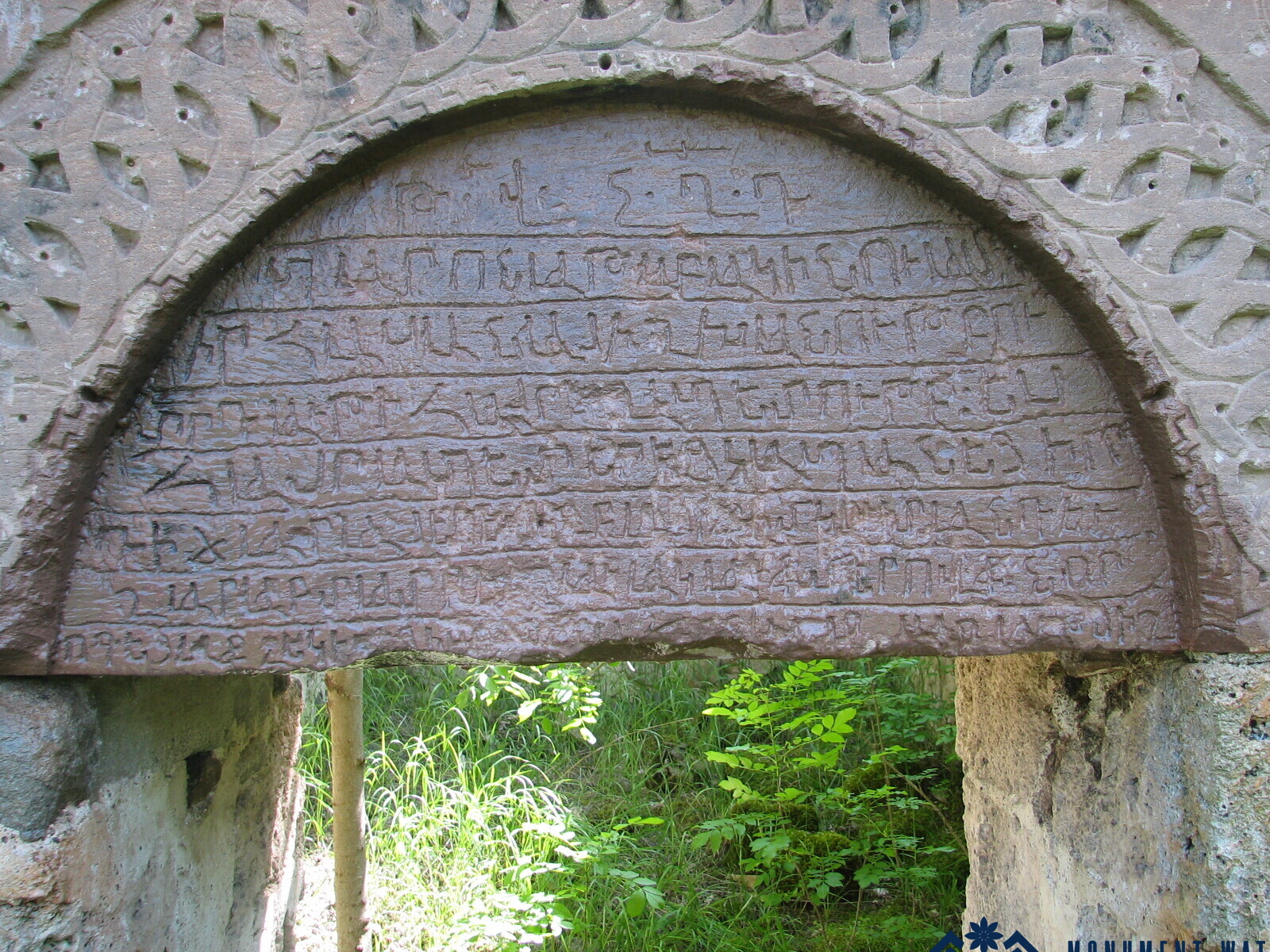
Fig. 4. The inscribed lintel above the church entrance. Photo by G. Sargsyan.
The inscription is of exceptional historical significance because of the individuals it mentions. Most importantly, it constitutes the only known attestation of Atabak II of the Hasan-Jalalyan dynasty.
Atabak I, the son of Hasan Jalal Dawla, died in 1287. He was succeeded by his son Jalal, who is mentioned in historical sources between 1293 and 1319 (Ulubabyan 1975, 300–301). In 1361, Ivane is recorded as the prince of Khachen (Ulubabyan 1975, 302). Since Atabak I was also known as Atabak Ivane, the Atabak mentioned in the inscription likely bore the traditional family name Atabak Ivane, following his grandfather’s example. Accordingly, Atabak II and the Ivane mentioned in 1361 may have been the same individual.
No other member of the Artsakh nobility named Amir Hasan is known to have held a position comparable to that of Atabak. However, Amir Hasan II of the Khaghbakian family (1318–1351) is well documented (Hovsepyan 1928, 199–208). His estates extended across Kotayk and Vayots Dzor. Whether Amir Hasan II Khaghbakian also possessed estates or exercised political influence in Artsakh remains unknown.
Equally significant is the reference to Catholicos Davit. Although Davit VIII is listed among the Catholicoi of Caucasian Albania after Zakaria (1331), no other information about him has been preserved (Manucharyan 2016, 92). The inscription therefore provides important evidence confirming that Davit held the office of Catholicos of Caucasian Albania in 1345.
Very little is known about the princely Hasan-Jalalyan dynasty of Khachen during the first half of the 14th century. The inscription on the entrance lintel of the church at the Machi Shen archaeological site thus provides valuable new evidence concerning one of the dynasty’s members.
The inscription indicates that the church underwent restoration. The decorative treatment of its western façade stands in striking contrast to the building's otherwise modest masonry. This façade features an elaborately carved and inscribed lintel of apricot-colored felsite, along with khachkars of the same stone set into the wall.
One of these khachkars bears the inscription:
“This cross [is] of Priest Adam” (Fig. 5).
Because Adam is not mentioned on the entrance lintel inscription, his relationship to the principal individuals associated with the church cannot be established.
Nevertheless, the western façade likely acquired its richly decorated appearance through the restoration undertaken by Hayrapet of Kapan and his family.
The detailed enumeration of an entire extended family from Kapan is particularly noteworthy. Did they migrate from Kapan to Khachen under circumstances that remain unknown, or could the name Kapan refer to a settlement within Artsakh itself?
Returning to Amir Hasan II (1318–1351), it may be suggested that he also inherited the titles of sparapet (commander-in-chief) and paron (lord) associated with his Zakarian ancestors. The inscription's reference to lordship may reflect this inherited status.
Unfortunately, no further details are known about Atabak II's and Amir Hasan II's activities in Artsakh.
The Proshyan dynasty originated in Khachen and maintained connections with its ancestral homeland. One example is a 1309 inscription at Gandzasar that records a donation to the monastery by Esugan, daughter of Amir Hasan I (Corpus Inscriptionum Armenicarum, vol. 5, 52).
The inscription should be understood not only as a primary historical source but also as an integral element of the entrance’s architectural composition.
The arched frame surrounding the lintel is decorated with scrolling vegetal bands, leaf-shaped ornaments, and interlacing knot motifs, arranged in rhythmic sequences.
Individual carved stones bearing representations of foliated crosses are preserved on either side of the entrance. The arms of these crosses consist of intertwined scrolls and vegetal elements, while the surrounding surfaces continue the same system of interlaced ornamental decoration (Fig. 6).
The entrance is not conceived as an element independent of the façade. Instead, it integrates into the overall wall surface, forming the compositional focal point of the western elevation.
In a church of such modest dimensions, the entrance's architectural significance is particularly pronounced. The relatively limited façade surface contains few decorative elements, allowing the entrance to unify functional and artistic considerations. While providing access to the interior, its carved stone surround also organizes the principal façade's visual rhythm.
The carvings, characterized by relatively deep relief, finely articulated scrollwork, and numerous small drilled recesses, demonstrate a high level of sculptural craftsmanship.
The church is also surrounded by a group of 12th–13th-century khachkars (Fig. 7), registered in the official inventory of monuments of Khachen village under monument identification number NK2/104.1 (State Register, 28–29).
Their presence allows us to interpret Machi Shen as a medieval settlement complex in which the church and the tradition of khachkar commemoration formed an interconnected religious and memorial landscape.
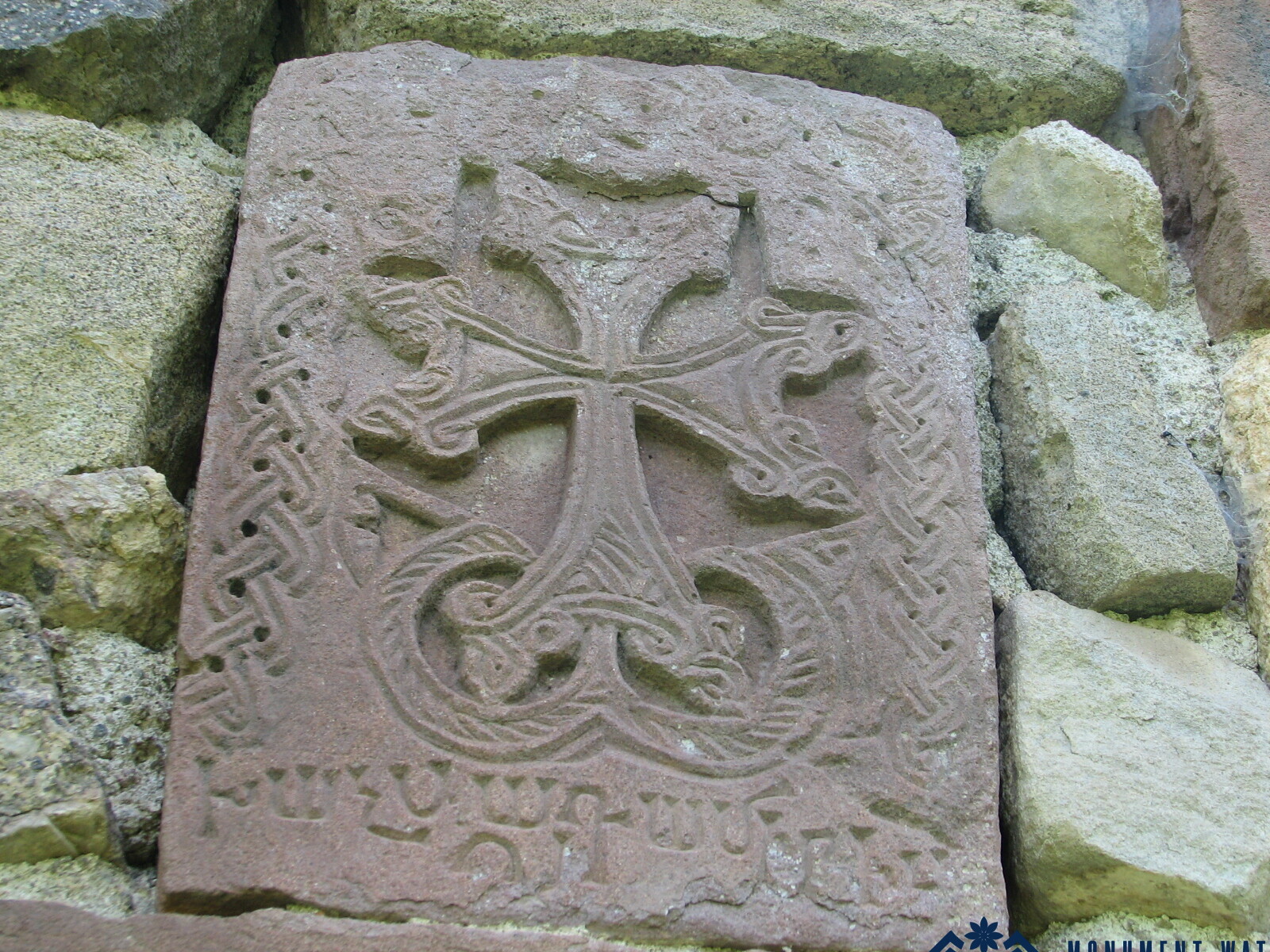
Fig. 5. The inscribed khachkar. Photo by G. Sargsyan.
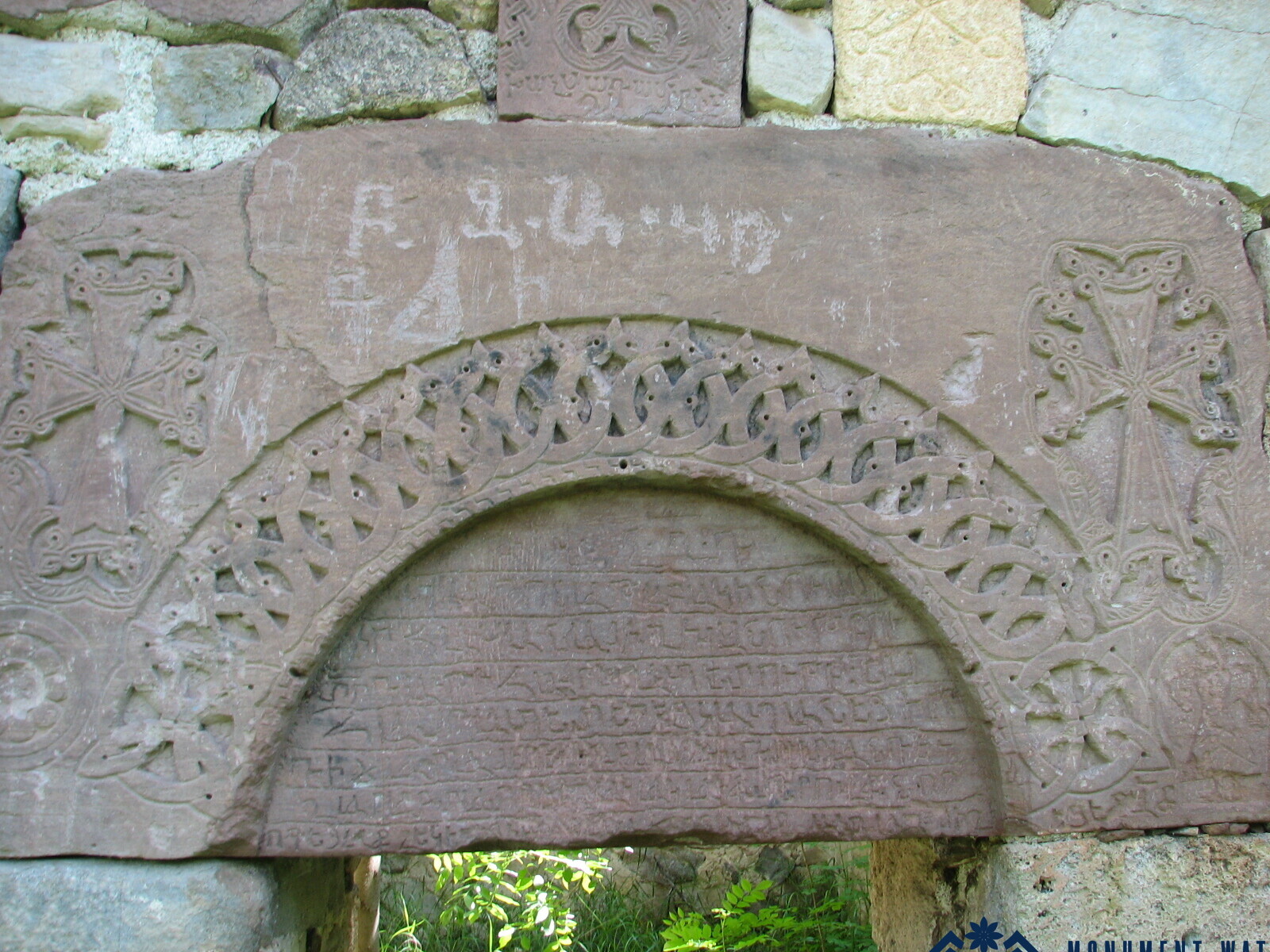
Fig. 6. The sculptural decoration of the entrance. Photo by G. Sargsyan.
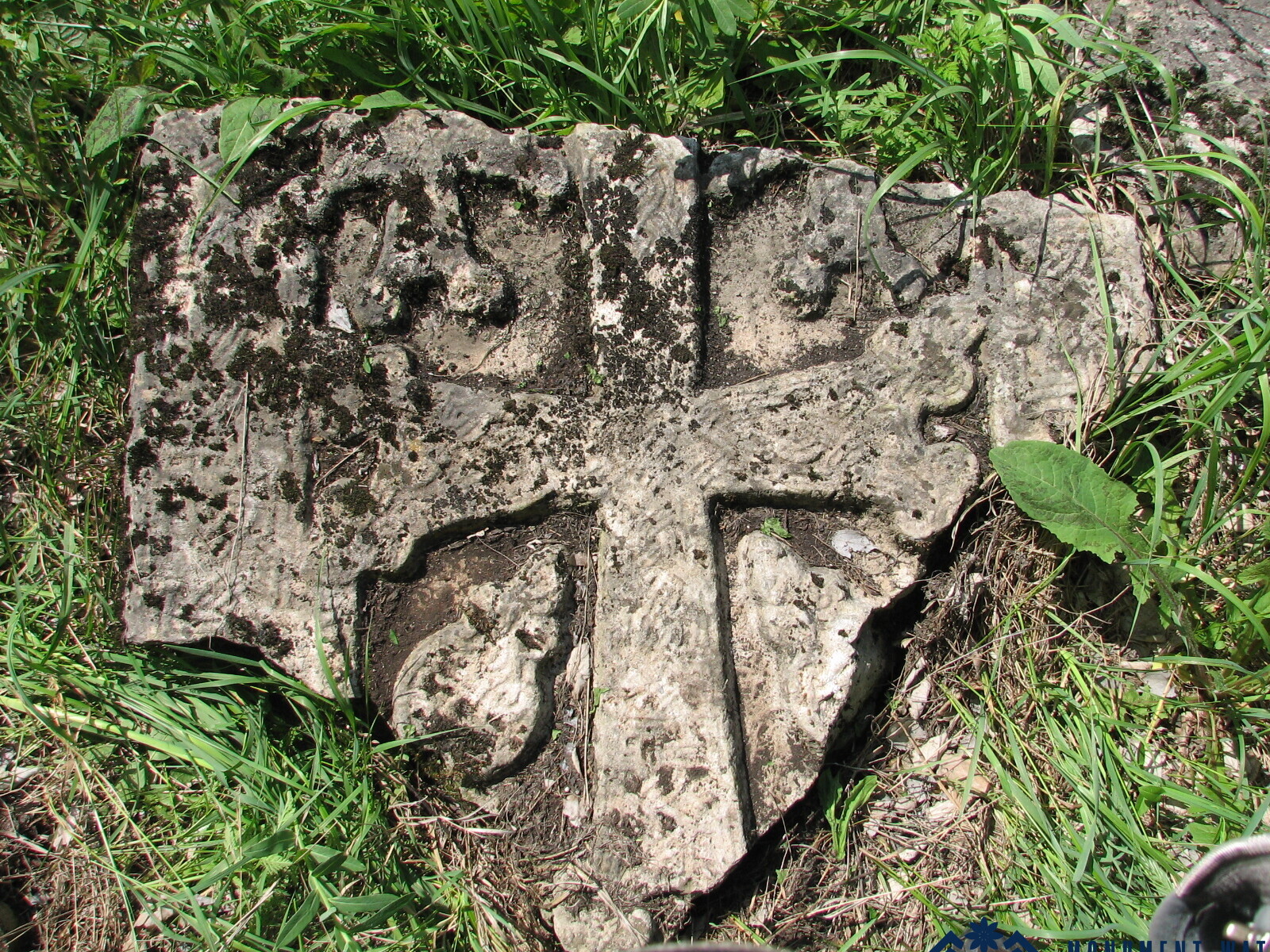
Fig. 7. A fragment of a khachkar in the vicinity of the Church of Machi Shen. Photo by G. Sargsyan.
Condition Before, During, and After the War
The Church of Machi Shen survived only partially and was already ruined before the war.
Its present state of preservation reflects not only natural deterioration over time but also the loss of its roofing system, the partial collapse of its walls, and the deterioration of its plasterwork.
The church’s location within a forested area has further contributed to its degradation. Dense vegetation growing both inside the building (Fig. 8) and around its exterior (Fig. 9) has caused additional damage to the surviving structure.
The situation remained unchanged following the war. The church is currently situated in territory occupied by Azerbaijan.
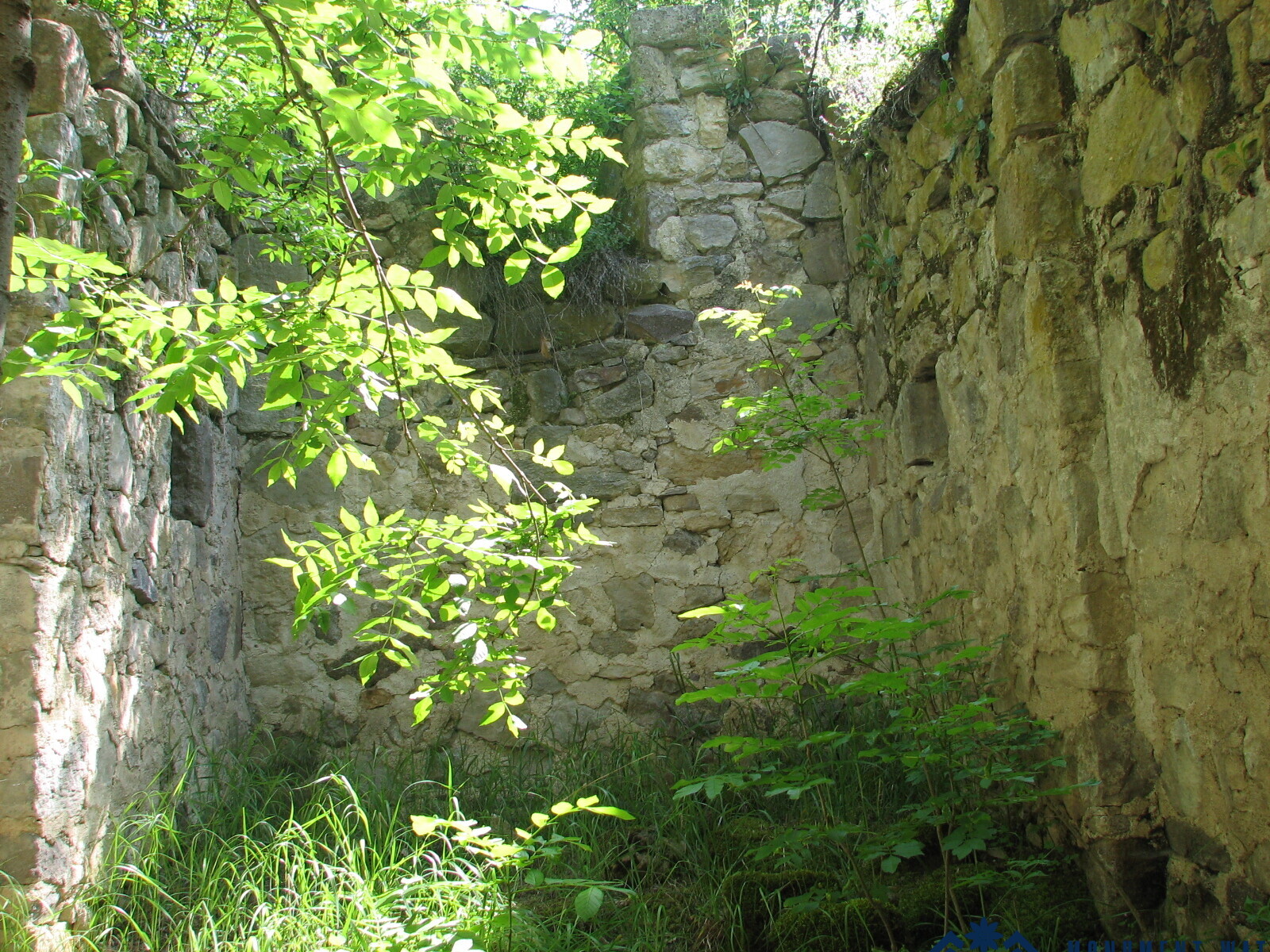
Fig. 8. The interior of the church’s prayer hall. Photo by G. Sargsyan.
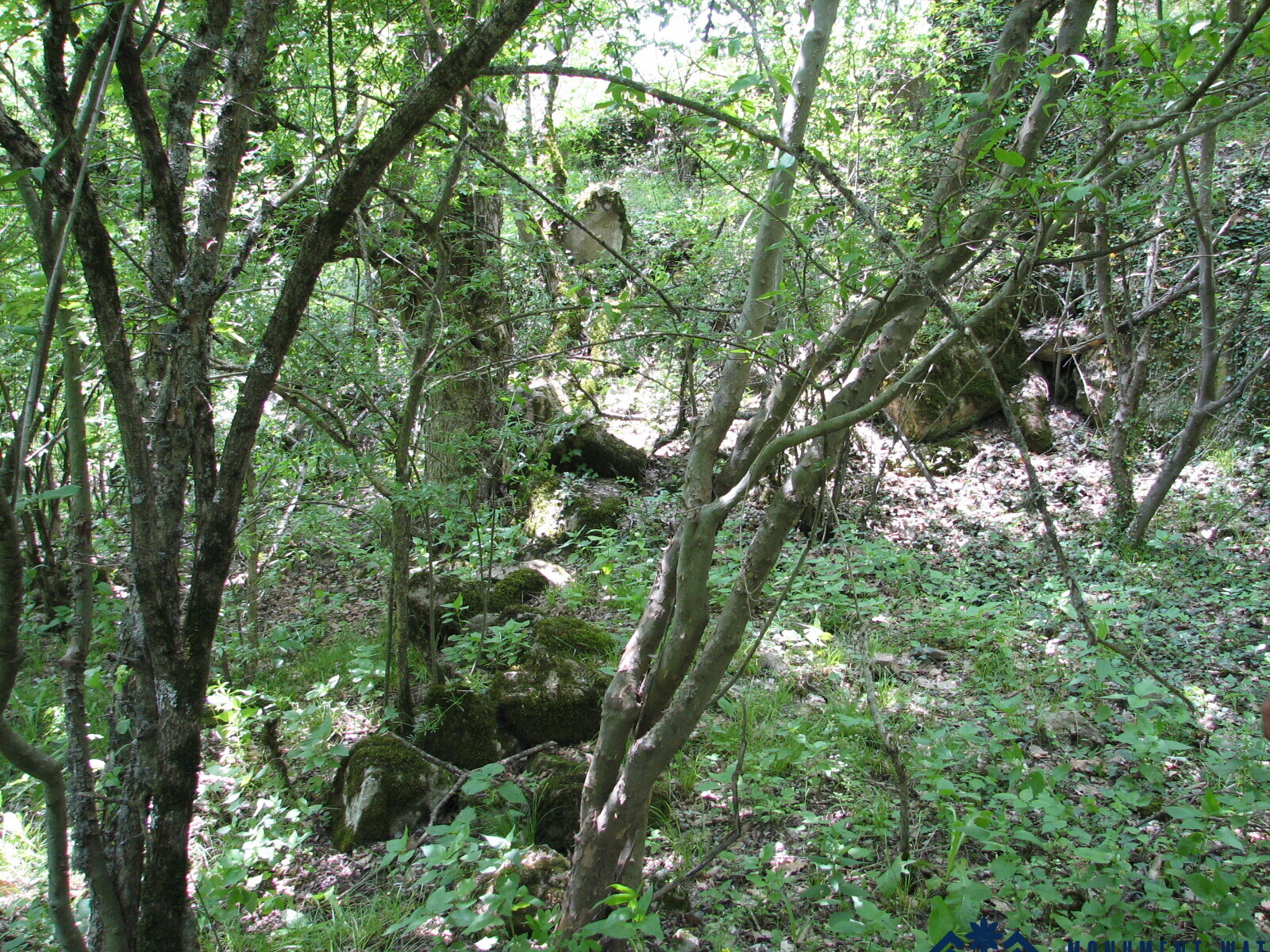
Fig. 9. The ruins of the church. Photo by G. Sargsyan.
Bibliography
- Corpus Inscriptionum Armenicarum, vol. 5 - Corpus Inscriptionum Armenicarum, vol. 5, Artsakh, compiled by S. Barkhudaryan, Yerevan, Publishing House of the Academy of Sciences of the Armenian SSR, 1982.
- Hovsepyan 1928 - Archbishop Garegin Hovsepyan, The Khaghbakians or Proshyans in Armenian History, Part I, Vagharshapat.
- Manucharyan 2016 - Manucharyan A., “Epigraphic Additions and Corrections to the List of Catholicoi of Caucasian Albania,” Issues in Armenian Studies, no. 2, pp. 82–94.
- Ulubabyan 1975 - Ulubabyan B., The Principality of Khachen in the 10th–16th Centuries, Yerevan, Publishing House of the Academy of Sciences of the Armenian SSR.
- State Register - State Register of Immovable Monuments of History and Culture in the Askeran District of the Nagorno-Karabakh Republic, Tourism Department under the Government of the Nagorno-Karabakh Republic, Stepanakert, 2011, pp. 28–29.
- Kirakosyan 2023 - Kirakosyan L., “The Vaulted Hall Composition in the Architecture of Artsakh,” Armenian Humanities Bulletin, no. 1 (10), Artsakh–Yerevan.
The Church of the Machi Shen Rural Settlement
Artsakh